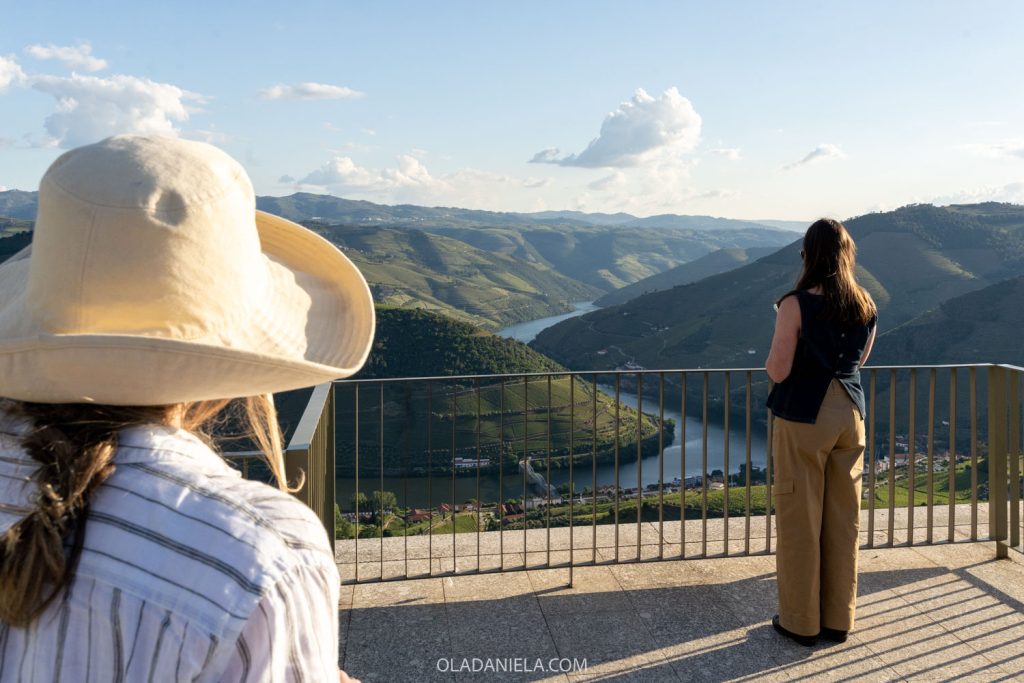
When visitors tick off the world’s oldest demarcated wine region on a rushed, 12-hour day trip from Porto, they miss the true magic of the Douro Valley. The famous wine region reveals its true self when the tour buses leave. It’s the quiet mornings sipping coffee, looking out over misty terraces, the peace and calm of a slow boat cruise closer to dusk, and visits to small wineries far from reach.
As someone who lives in Portugal, I know the best way to explore the Douro Valley is by staying at least two nights. My 3-day Douro Valley self-drive itinerary gets you behind the wheel, navigating the world’s most beautiful riverfront driving roads, tasting complex field-blend wines made on the steep schist stone terraces, tracking down obscure traditional pastries from the north, and choosing between hidden off-road lookouts or 25,000-year-old UNESCO rock art.
This three-day Douro Valley road trip explores the UNESCO World Heritage-listed landscape and ticks off the must-do experiences and destinations while throwing up hidden gems and some offbeat ideas.
Itinerary overview: 3-day road trip to the Douro Valley
| Day 1: Grand entrance via Vila Real | 🚗 Morning: Drive from Porto to Vila Real. Explore the historic town and the baroque Mateus Palace 🏞 Afternoon: See the Douro Valley from São Leonardo de Galafura viewpoint. 🛏️ Evening: Check into your hotel in the Régua or Lamego area. |
| Day 2: Classic Douro Day with N222 drive, wine tastings and rabelo boat | 🚗 Morning: Road trip the N22 (“world’s best driving road”) from Régua to Pinhão. Stop at Quinta do Tedo for a wine tasting. 🍇 Lunch: Reach Pinhão and see the train station tiles before a picnic and wine tasting at Quinta do Bomfim. 🚤 Afternoon: Rabelo boat cruise from Pinhão, then take in the view from Miradouro Casal de Loivos. 🍷 Evening: Dinner at Bomfim 1896 or another chic Douro restaurant. |
| Day 3: Choose Your Adventure | Option A: History & Off-Roading in Lamego 🏰 Visit Lamego to see the big staircase, 12th-century cathedral and castle 🏞 Go off-roading in a luxe Jeep with Douro Autêntico. See another side to the valley. Option B: The Wild East (Douro Superior) 🚗 Continue driving east and watch the lush green give way to rugged, arid schist. 🪨 Visit the Côa Valley Archaeological Park for prehistoric rock art. |
When is the best time to visit the Douro Valley?
Each month offers something different, but spring and autumn are probably the best times of the year. In May and June, the valley turns bright green with young foliage, and temperatures hover comfortably in the mid-20s°C (75-80°F). Alternatively, September is vindima (harvest) time, so there’s a great energy and buzz. Then, heading into October and November, the locals are extra happy post-harvest and dramatic autumn colours start to take over the valley.
What to pack for the Douro Valley: It’s tricky to answer as the microclimate changes throughout the year. The Douro’s dark schist stone absorbs and radiates heat like a giant clay oven, so the valley can feel significantly hotter than coastal Porto. Be sure to pack a hat, sunscreen and a refillable water bottle, even in the shoulder seasons. Wear practical shoes for winery visits – you may end up scrambling up trails or walking through the working farm. Pack layers for the shoulder seasons – one day might be misty and cool, the next baking hot.
Do I need a car for the Douro Valley?
For this self-drive itinerary, yes. I’d pick a rental car up in Porto if you need one. A car is essential to reach the high-altitude viewpoints, boutique estates and remote valleys where public transport doesn’t reach.
That said, if you prefer to travel by train, I’d catch the Linha do Douro train from Porto and base yourself in Pinhão. It’s a cute riverside village with great views. You can comfortably walk to three or four world-class quintas, access excellent restaurants, and hop right onto a traditional rabelo boat cruise. One day soon, I’ll write up a no-car itinerary too!
Planning your journey to the Douro Valley
Coming from Lisbon or Porto? I have two great guides highlighting the most scenic routes and ideas for where to stop along the way. Turn your adventure into a road trip to the Douro Valley too.
- Coming from the north? Read my guide on where to stop between Porto and the Douro Valley
- Driving up from the capital? Check out my breakdown of where to stop between Lisbon and the Douro Valley
Read next… Independent Guide to the Douro Valley: logistics, things to do & hotels
Day 1: The grand Douro Valley entrance via Vila Real
Morning: Drive from Porto to Vila Real for pastries
What divides the Douro Valley from Porto are the Marão and Montemuro mountains. While the drive used to take a long time to pass the peaks, now you’ll hit a smooth 5-km (3 mile) tunnel that carves through the 1,415-metre (4,600ft) high Serra do Marão, the sixth highest mountain on mainland Portugal.
Your first stop is Vila Real, an aristocratic town perched on a rocky plateau above the Corgo and Cabril gorges. It’s a small, historic university city filled with 16th-century manors, a grand avenue and stores selling the UNESCO-listed black pottery of Bisalhães. This pottery is made and fired in an underground pit, giving it the charred colour.
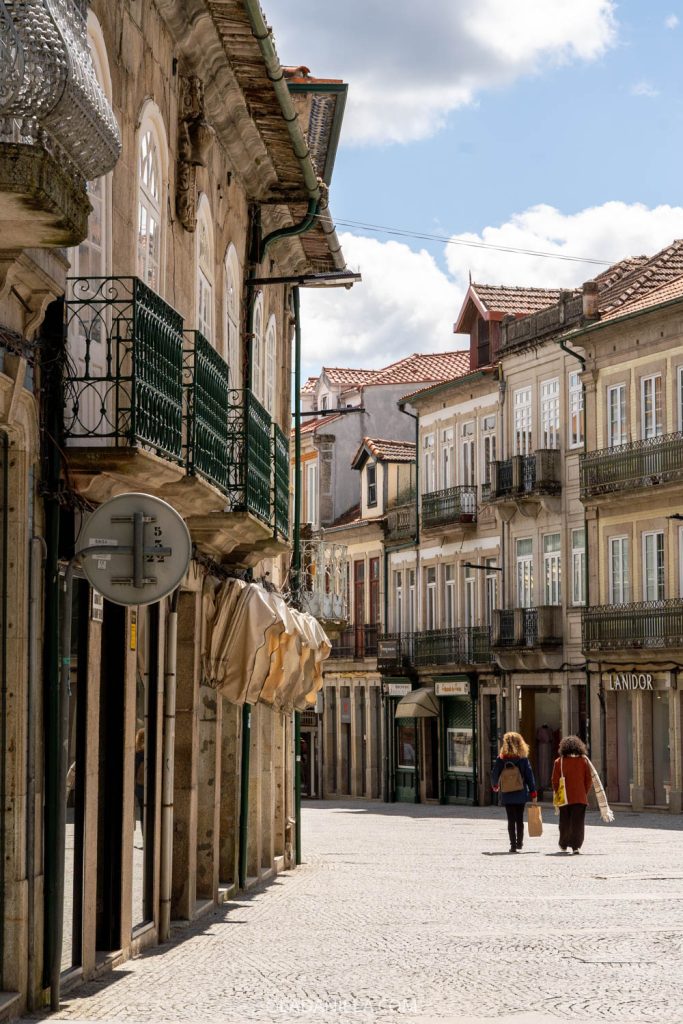

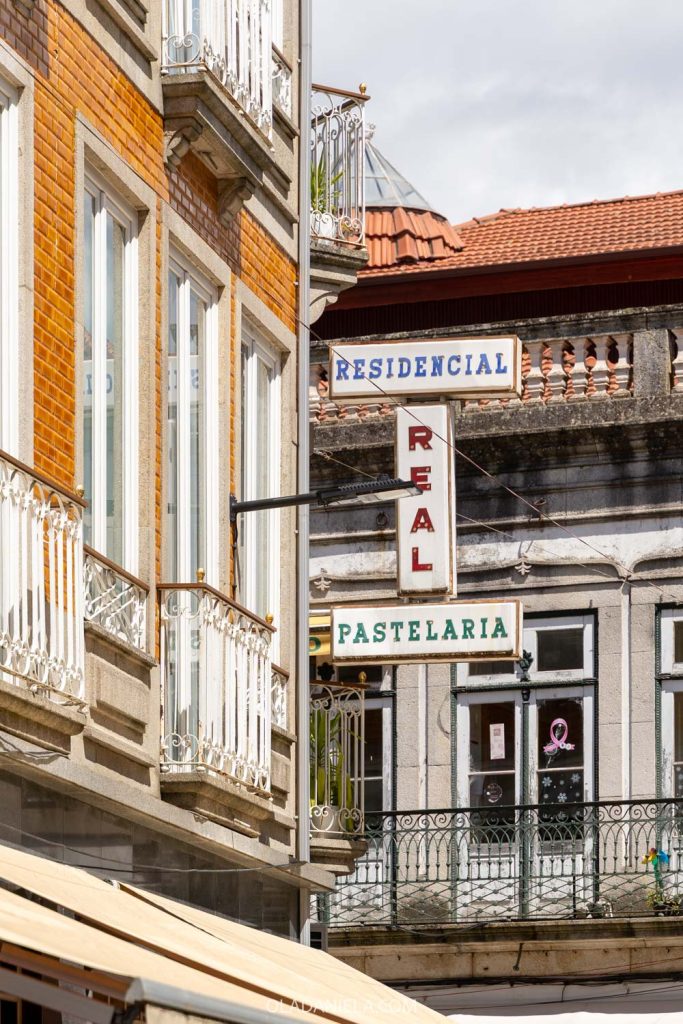
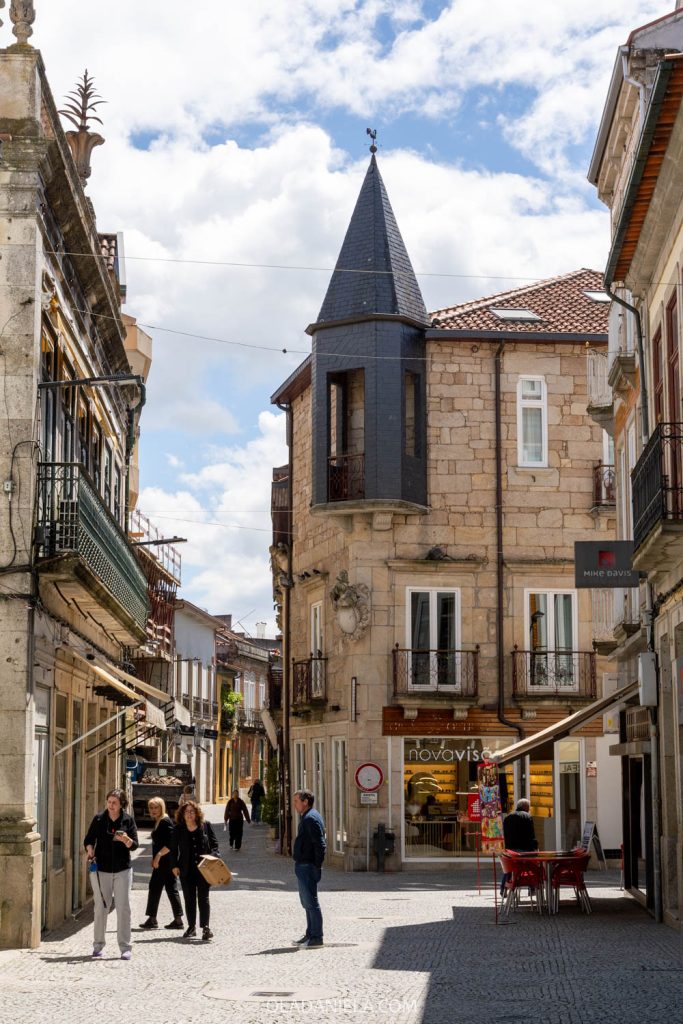
My reason to visit Vila Real? Pastries. Vila Real has a handful of traditional sweet and savoury pastries worth trying. The most notable is the covilhete, a rather exciting-looking, crunchy little spiral pie stuffed with veal. The pastry is similar to a pastel de nata but savoury and with a lid!
- Loja do Covilhete is a cute café where you can order soup, salad, coffee and the best covilhetes we tried. Sit out on a gorgeous square and enjoy!
- Pastelaria Gomes is a historic bakery and cafe, open since 1925, where you can try a handful of traditional recipes. We visited the location on the square to try the covilhete along with cristas do galo, pasteis de Sta Clara and pitos de Sta Luzia.
Not driving to the Douro Valley from Porto? If you’re coming from Lisbon, stop in Lamego. From Spain, you could pass through Miranda do Douro.
Afternoon: Baroque beauty of Mateus Palace & one of the Douro Valley’s most famous viewpoints – São Leonardo de Galafura
If you whipped through the town in no time at all, head to Mateus Palace. Visit the famous 18th-century Portuguese Baroque manor (the one from the wine labels) to wander through its immaculate, manicured boxwood gardens, ornate fountains and cedar-lined tunnels.
Nearby, you could also explore the ancient mystery of the Panóias Sanctuary. This archaeological site, carved with prehistoric ritual cavities and Roman inscriptions, was once used for animal sacrifices.
From Vila Real, it’s a winding 30-minute drive to one of the Douro Valley’s most famous viewpoints: São Leonardo de Galafura. This rocky outcrop – a favourite vantage point of celebrated Portuguese writer and poet Miguel Torga – sits 640 metres (2,000ft) above sea level and offers up an unparalleled, panoramic view of the river snaking through the steep schist terraces below.
Soak in the monumental beauty of the Upper Douro here before you descend toward the riverbank. If you didn’t have lunch in Vila Real, the restaurant São Leonardo near the lookout is a great choice.
Evening: Check into your quinta.
For the purposes of this itinerary, I suggest choosing a base around the Peso da Régua or Lamego area. Where you stay changes everything, so find the nicest estate in your budget and go there.
Want help planning your trip to the Douro Valley? ✨ Book a one-on-one video call or itinerary planning with Daniela and get custom help organising your perfect Portugal itinerary. Find out more here.
Where to stay in the Douro Valley
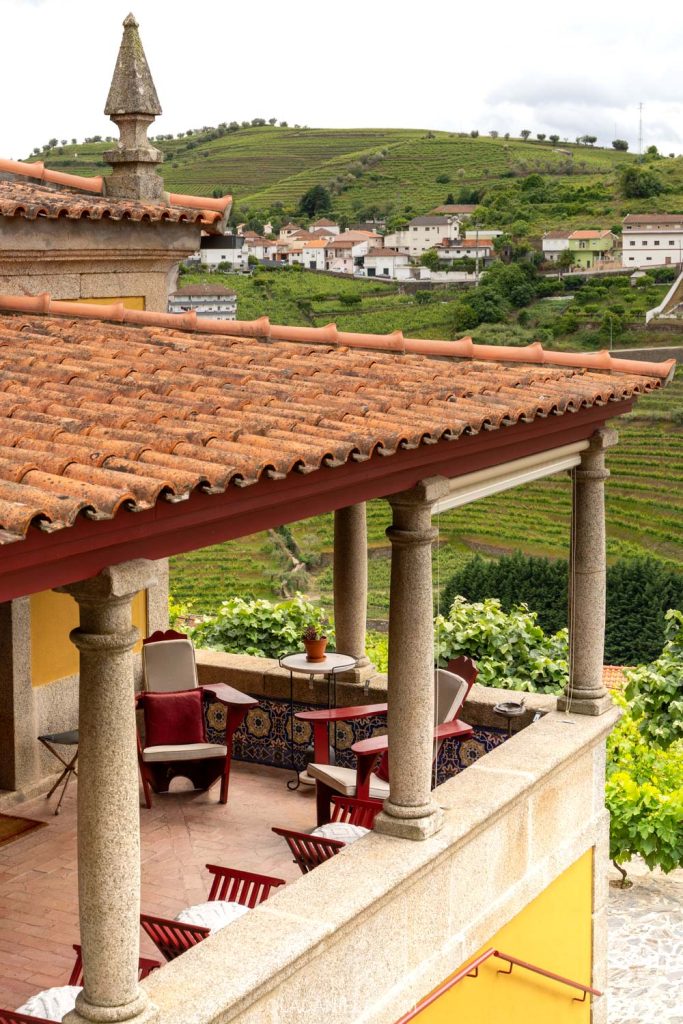

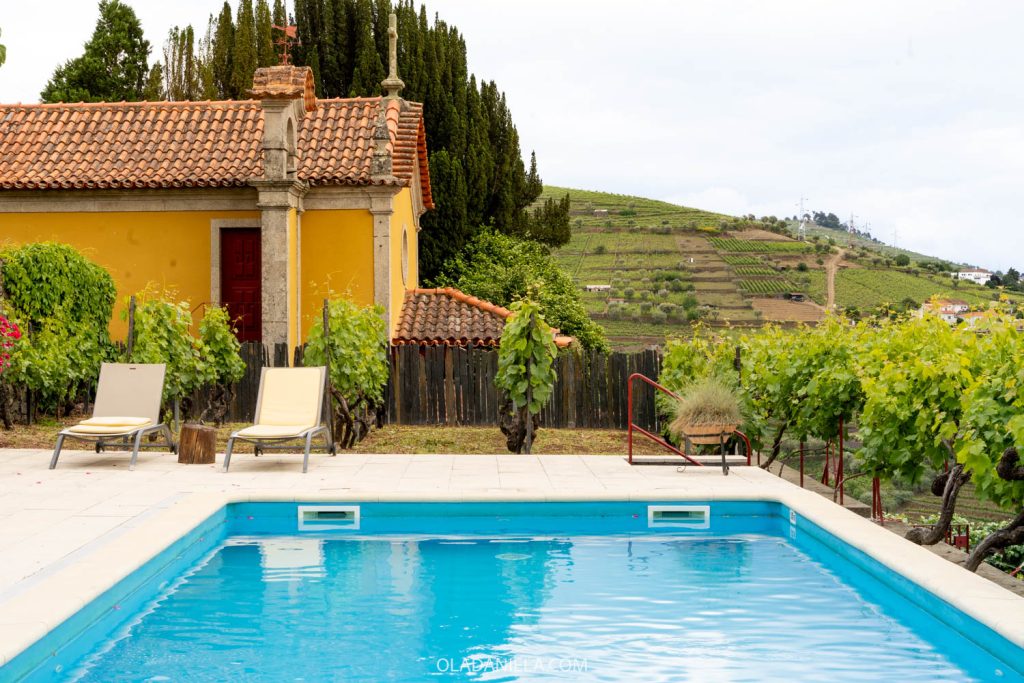
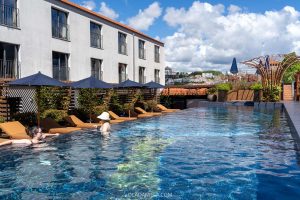
The best experience in the Douro Valley is to skip the standard hotels and base yourself at a quinta. This itinerary is focused on the heart of the Douro (there are three sub-regions, which you can read about in my Independent Guide to the Douro Valley). This means we’re looking around the towns of Peso da Régua, Lamego and Pinhão. The Douro heart is where the postcard scenery is, and many working wine estates have boutique accommodation with infinity pools overlooking the terraces and direct access to cellars.
Daniela’s quick picks:
- Best for top-tier luxury: Six Senses Douro Valley
- Best for foodies: Ventozelo Hotel & Quinta or Torel Quinta do Vacaria
- Best for a unique experience: Quinta da Pacheca (Sleep in a wine barrel!)
- Best for the train: Quinta de la Rosa
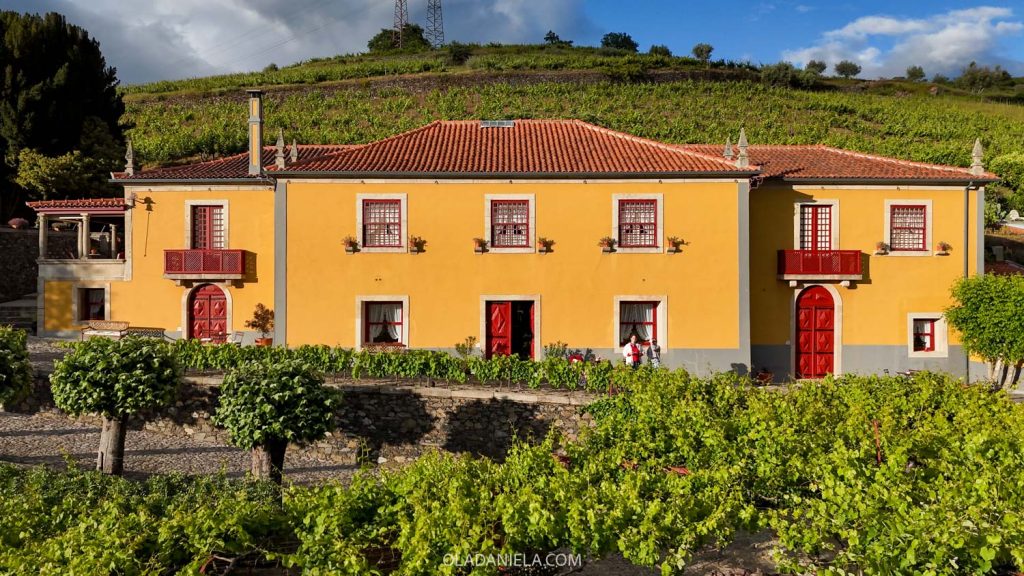
- Best for boujee-on-a-budget: Casa do Salgueiral (pictured!)
Shortlist of highly recommended Douro Valley estates:
- Six Senses Douro Valley: Maybe Portugal’s top, most luxurious 5-star stay. It’s set within a 19th-century manor house and offers world-class spa treatments based on grape-derived antioxidants. Check your dates
- Quinta do Vallado: Built in 1716, this is one of the oldest estates in the valley and once belonged to the legendary Dona Antónia Adelaide Ferreira. Check your dates
- Quinta de la Rosa: A family-owned gem where the Vale do Inferno vineyard features some of the tallest and most dramatic stone walls in the region. Check your dates
- Ventozelo Hotel & Quinta: One of the largest and oldest quintas, it feels like a small village and offers hiking trails and picnics too. Great restaurant. Check your dates
- Quinta da Gricha: An intimate four-room guesthouse owned by Churchill’s. Check your dates
- Torel Quinta da Vacaria: The Torel brand is always fantastic. At this riverside estate, find an infinity pool, sauna, wellness centre and Michelin-starred restaurant. Check your dates
- Quinta da Pacheca: Famous for its oversized wine barrels that you can sleep in among the vines. Check your dates
- Quinta de Marrocos: A historic 400-year-old family home where you can still experience traditional grape treading in granite lagares. Check your dates
- Quinta do Tedo: Situated exactly where the Tedo and Douro rivers meet, this organic estate is a haven for birdwatching and kayaking. Check your dates
- Quinta Nova Winery House: This Relais & Châteaux property features a 1764 winery and a spectacular infinity pool overlooking the valley. A little more remote, expect longer drive times. Check your dates
- Quinta da Côrte: A beautifully restored, design-forward boutique quinta featuring interiors by Pierre Yovanovitch and a striking rooftop pool. Check your dates
- Quinta dos Murças: An organic pioneer right on the riverbank, offering historic house stays and authentic, terroir-driven tastings. Check your dates
- Quinta do Pégo: A luxury hotel set on a steep, dramatic hill slope, featuring a stunning outdoor pool that looks straight down onto the Douro River. Check your dates
- Casa do Salgueiral (pictured): I stayed at this gorgeous family-run estate, just above Peso da Régua. The views in this part of the valley! The morning breakfast hamper. Just magic. Check your dates
Day 2: Classic Douro Day with N222 drive, wine tastings and rabelo boat
Morning: Drive the “world’s greatest driving road” from Peso da Régua to Pinhão
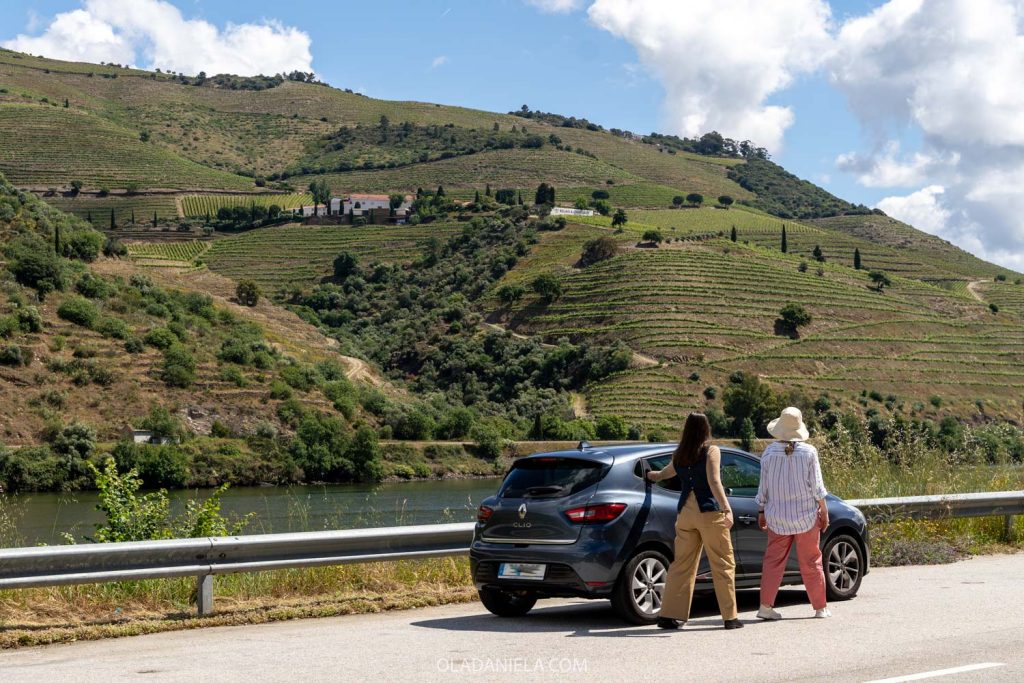
Lucky you just woke up in the heart of the Douro Valley. Ideally, your morning coffee featured a backdrop of the region’s famous terraces. Shower, pack a water bottle and jump behind the wheel – you’re hitting the N222, a route celebrated as one of the world’s greatest driving roads (according to AVIS, who allegedly deployed a quantum physicist and F1 track designer to test 26 well-known roads back in 2015).
The N222 stretch from Peso da Régua to Pinhão hugs the water’s edge, offering gentle, sweeping curves that are far more relaxing and forgiving than the steep mountain switchbacks you might have encountered on your road trip across the Douro Valley yesterday. While the first half is pleasant, the scenery becomes increasingly spectacular the closer you get to Pinhão village. Pull-off spots are virtually non-existent early on, but you’ll find a few laybys closer to the town where you can finally stop to marvel at the sheer scale of the vine-covered terraces and snap photos.
I suggest you break up the (relatively short) drive at Quinta do Tedo, an organic estate sitting precisely where the Tedo and Douro rivers collide. It’s just off the N222, and it’s easy to book your tasting online.
⚠️ Essential tip: You need to pre-book all wine tastings. You can’t show up at the cellar door of (most) estates – you need to book online, call or email a few days ahead. The wine-tasting experience usually involves a tour and tasting, so I’d only schedule one for the morning and one for the afternoon. All will be paid (€30-60+pp) and include a tour of the property/cellar.
More wine tasting options:
🍷 Quinta do Bomfim (walkable from Pinhão train station)
🍷 Quinta de la Rosa (walkable from Pinhão train station, also offers a private tasting with lunch)
🍷 Quinta da Foz (walkable from Pinhão train station)
🍷 Quinta da Formigosa
Important note: If you plan to drive, the legal blood alcohol limit is 0.5 g/L. If you do a tasting, take care with the ports (20%).
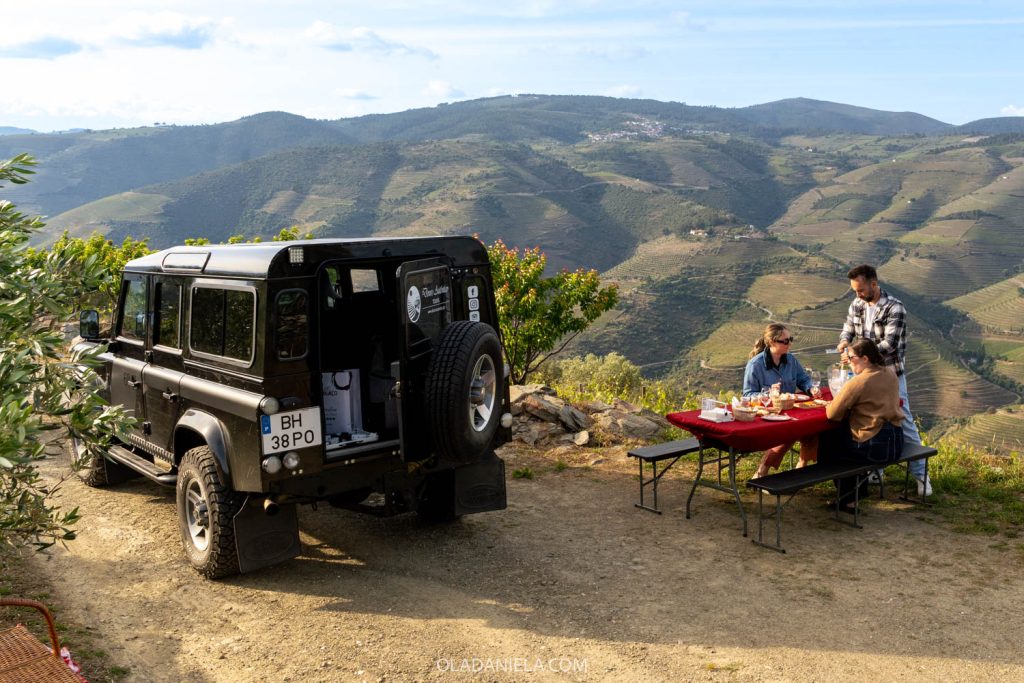
Want to drink and not drive? Get a local to show you around. I’m a big fan of Douro Autêntico’s off-road tours. Paulo has a gorgeous black Land Rover and will organise a custom half-day or full-day to suit whatever you want. We went out with him for the afternoon, and he took us for the best wine tasting experience at Casa de Santa Eufemia, a small family-run winery with 200 years of history. After, we hit off-road trails, visited a quiet village, and then he set up a sunset picnic at a secret lookout. Check your dates and book here.
Lunch: Picnic in a vineyard

My top Douro Valley tip? Block out hours for a long, leisurely, boujee vineyard picnic. Living in Portugal, I’m used to a long lunch, but I was genuinely worried about the stamina of my two Australian friends. We had a 2.5-hour picnic booked at Quinta do Bomfim ahead of a wine tasting. I needn’t have stressed.
Arriving at the beautiful waterfront Quinta do Bomfim, we were given a map and instructed to follow a short but steep trail through the vines until we reached the spot where the Merenda na Vinha picnic hut sits. This little casinha is a vineyard paradise. On arrival, there was a table laid out under a shady terrace with valley views. Our server Marco popped a bottle of crisp white while he explained the picnic, then we tucked into soup, olives, cheese, bread, hummus and a tiffin lunchbox filled with salads and salgados (fried snacks).
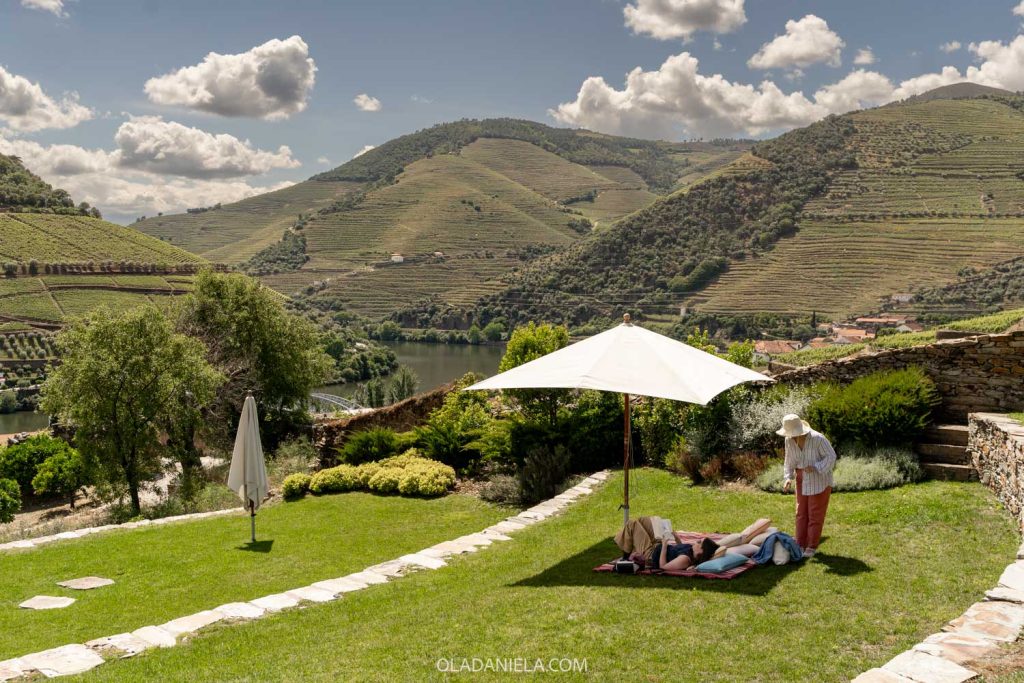
After, we popped down to one of the grassy terraces where Marco had set up a picnic rug with pillows under an umbrella for us to enjoy a glass of port wine and cake as we read and napped. Time was a vacuum here – we had to leave all too soon. Marco hurried us down the hill to begin our tour (he would have moved our tasting, letting us nap under the umbrellas, but we had book-ended our afternoon with a boat tour – yes, a tough day!).
Afternoon: Port tasting at a riverside quinta & Pinhão tiles, river cruise & the Miradouro Casal de Loivos lookout
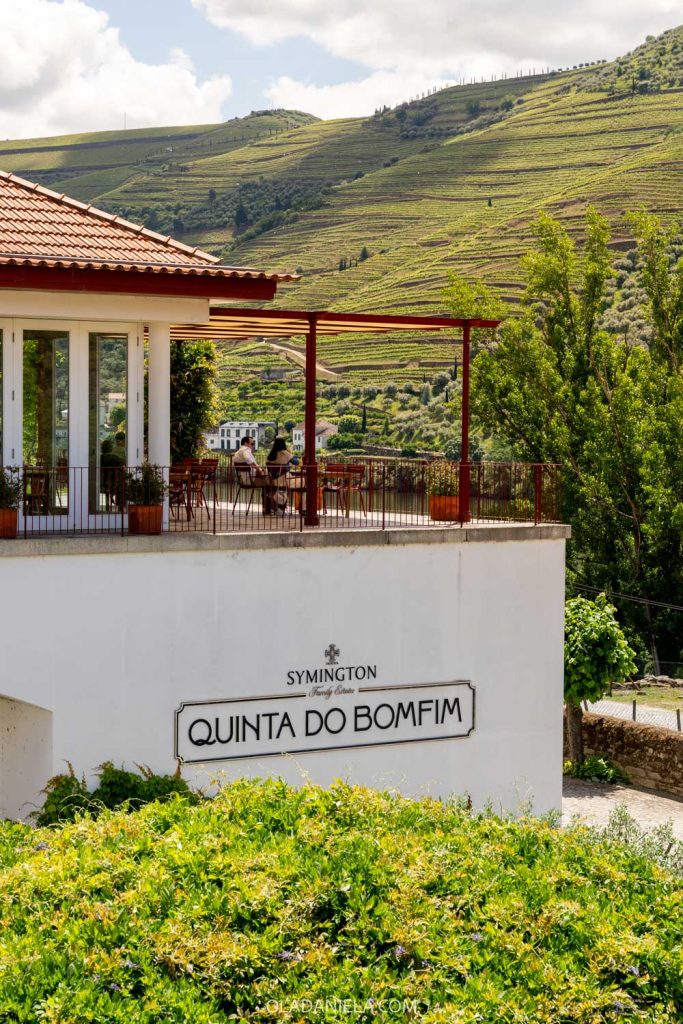
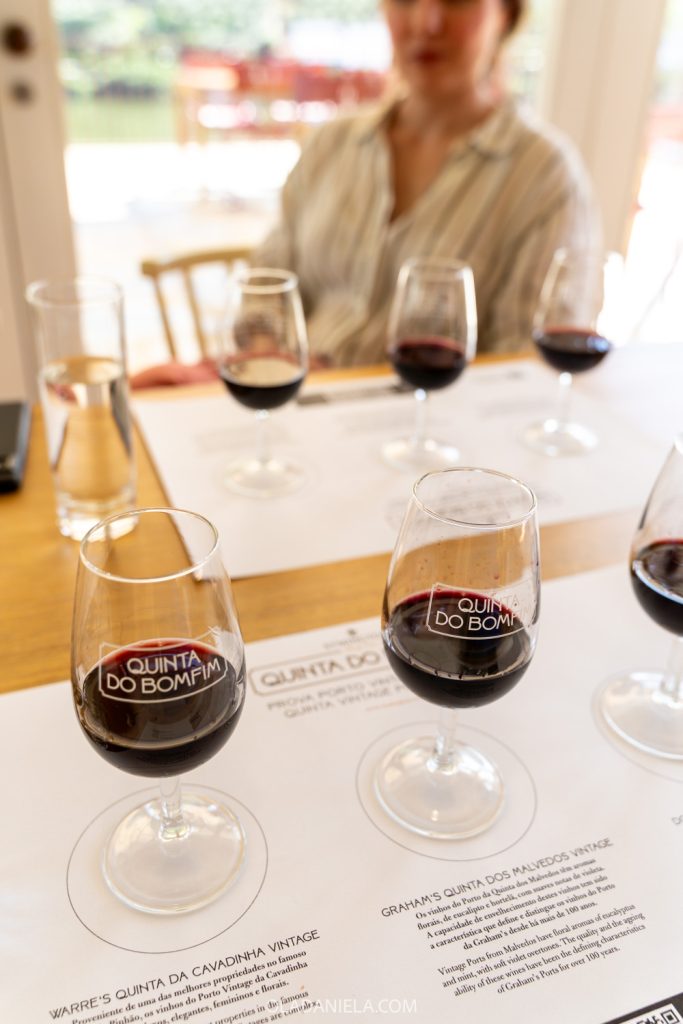
Wander down the hill and into Quinta do Bomfim for an estate tour and Dow’s Port tasting. Our guide Daniela (yes, another Daniela!) took us on a rapid and informative lap through the quinta, finishing with a three-port tasting in a gorgeous room that overlooks the terrace. Port wine grapes are grown in the Douro Valley, but the fortified wine is traditionally matured in huge cellars in Vila Nova de Gaia, across from Porto, close to the coast. While I would say the port wine tours in Gaia are more interesting (as comparatively the scale of the cellars is just unbeatable), the experience of sitting on a vine-covered terrace after our tour, overlooking the Douro River and terraced valley is also pretty special.
➡️ Book the tour: Quinta do Bomfim tour & tasting
Drop-in wine tastings: There are very few estates in the Douro where you can show up unannounced – and Quinta do Bomfim is one of them. I’d suggest booking a tasting tour ahead of time, but you can roll up to the riverfront terrace and order a port tonic or a port tasting and watch the boats pass by.
Explore Pinhão village
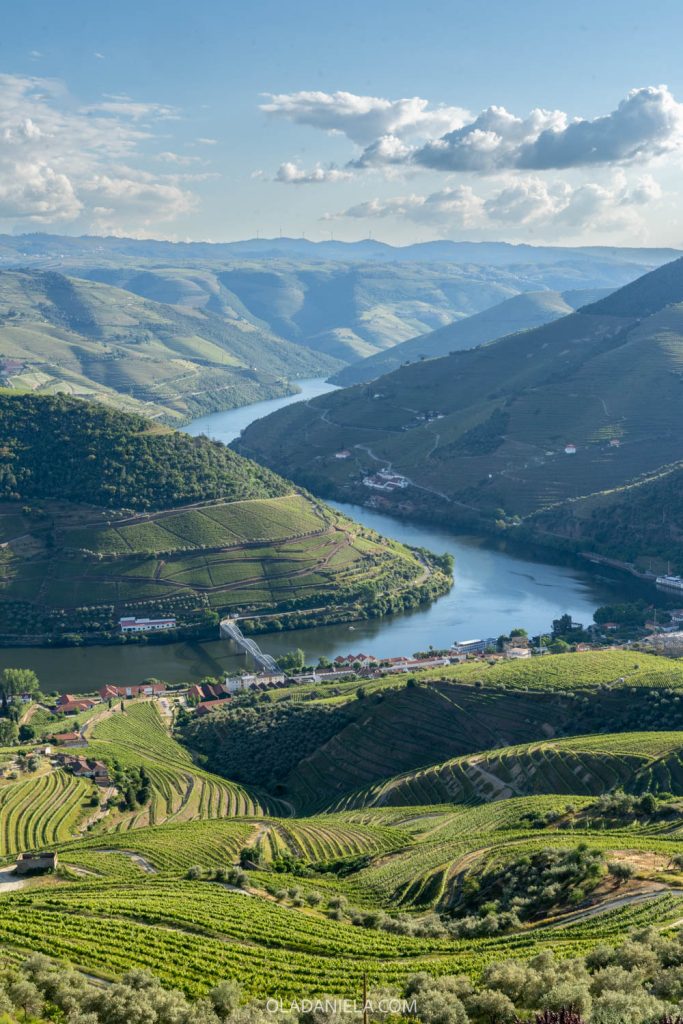
Pinhão is possibly the Douro’s best riverfront village, and besides wine, the four best things to do here are:
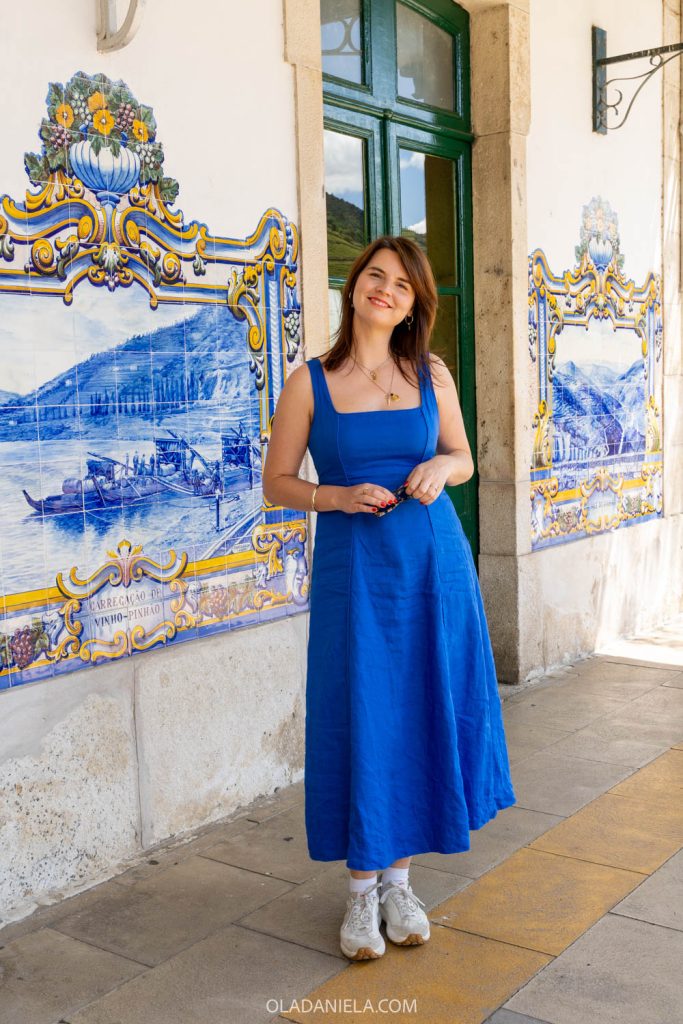
- Admire Pinhão Train Station’s 24 hand-painted tile panels that depict the harvest and Douro scenes
- Drive up to the Miradouro Casal de Loivos for what is widely considered the best view in the Douro Valley. Well, well worth the winding drive up (take the main road, give yourself 30min to loop up, see the viewpoint and return to the river)
- Take a 1 or 2-hour rabelo boat cruise to see the landscape from the water.
- Visit the butcher shop for tall tales and smoked meat tastings.
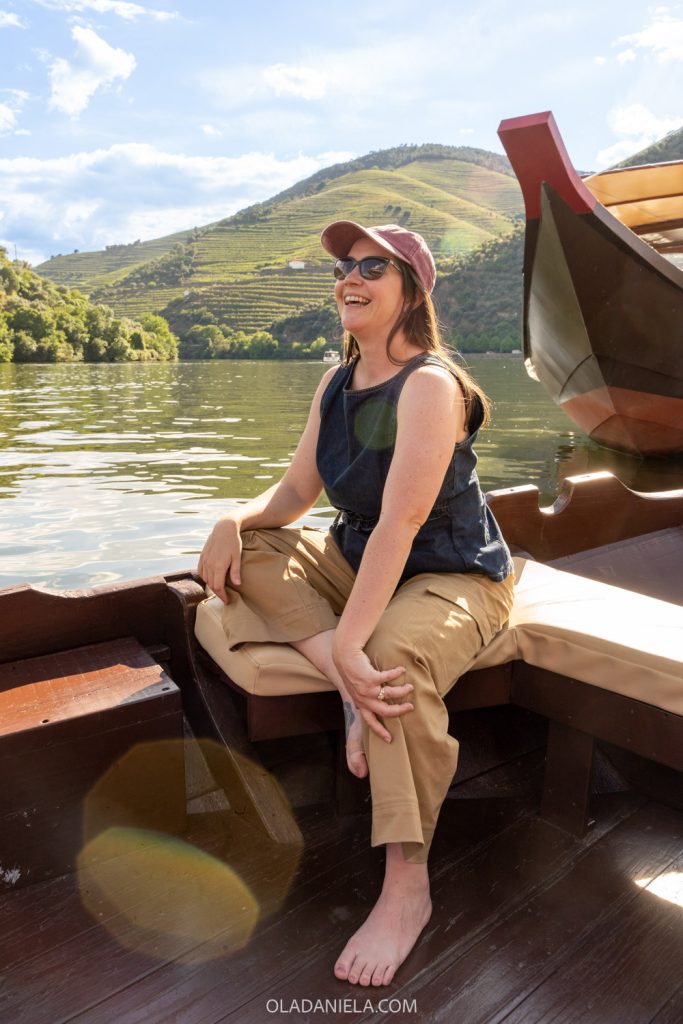
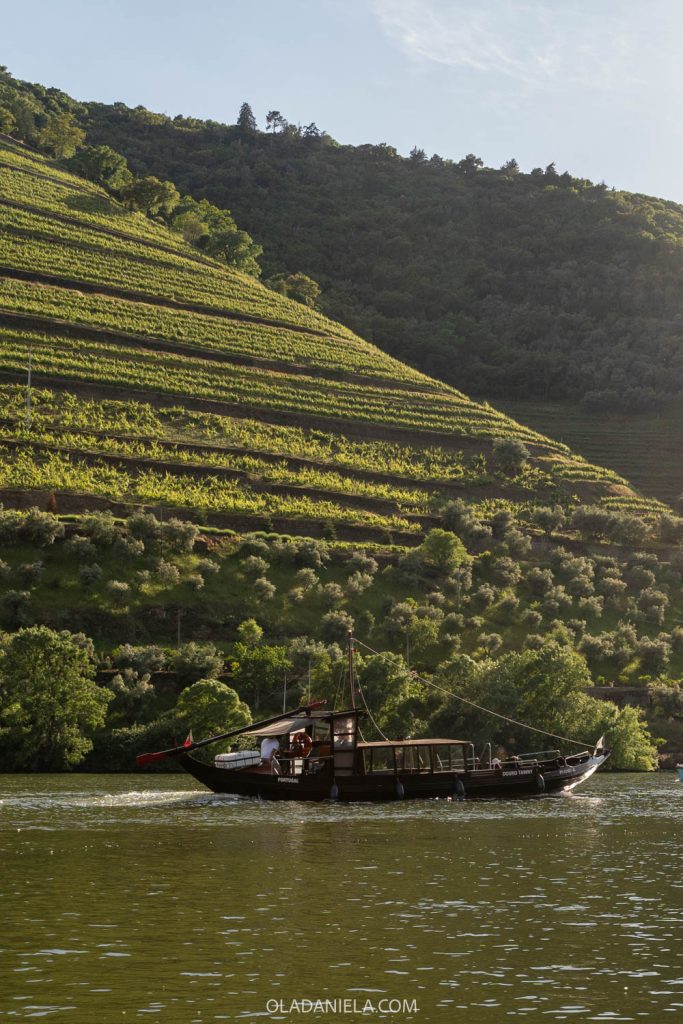
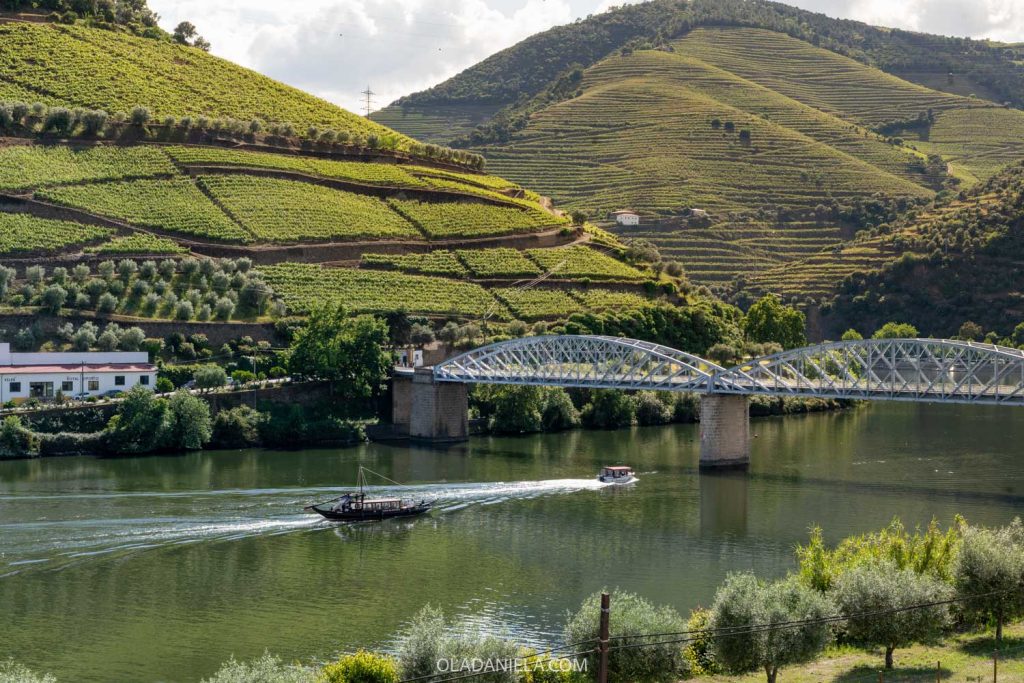
In my opinion, drifting across the Douro River is a must-do. The Douro Valley landscape is stupidly dramatic in nature, so go check it out from above at the Miradouro Casal de Loivos, then see it from a new perspective, floating peacefully along the water in slow motion. The easiest and most budget-friendly option is a shared wooden rabelo boat from Pinhão. I went with Magnífico Douro on the standard one-hour loop. There’s an audioguide so the crew leave you in peace – and it’s so chill on the river that I could have easily enjoyed the two-hour option.
➡️ Book the boat: 1h rabelo cruise
My tip: To skip the midday tour buses from Porto, I suggest booking the very first or last departure of the day (we went for the last boat at 5.30 pm). You’ll get a quieter river and a better shot at securing one of their smaller, original-sized traditional vessels. Alternatively, if your budget allows, booking a private charter unlocks complete freedom to cruise upstream.
Evening: Dinner at Bomfim 1896
The heart of the Douro Valley, between Peso da Régua and Pinhão, is beautifully sparse, and yet you’ll find it’s stacked with some of the best restaurants in Portugal. I’ve had dining at Bomfim 1896 on my to-eat-at list for many years, so I was thrilled to pull up a chair beside the open kitchen for a really special meal.
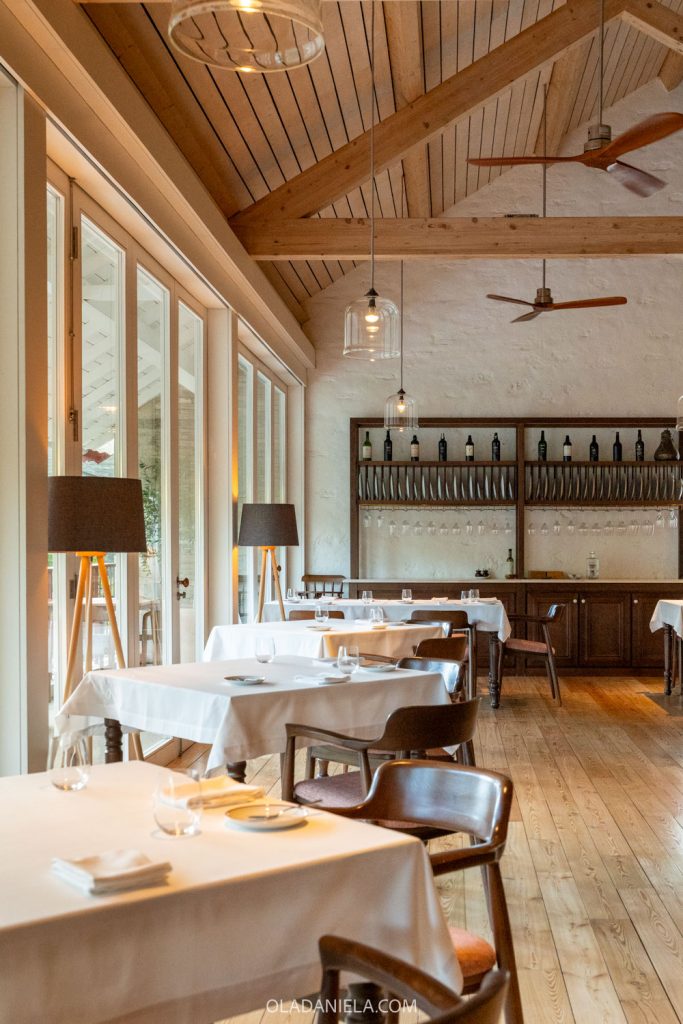
The concept is focused on a wood-fired oven and agar, inspired by traditional Douro kitchens. The chefs work from an open kitchen at the centre, looking out over a chic, long and spacious restaurant where a wall of floor-to-ceiling windows frames the scenic valley. The menu puts a chef’s touch on northern Portuguese food, drawing on traditional ingredients and regional dishes to craft something new.
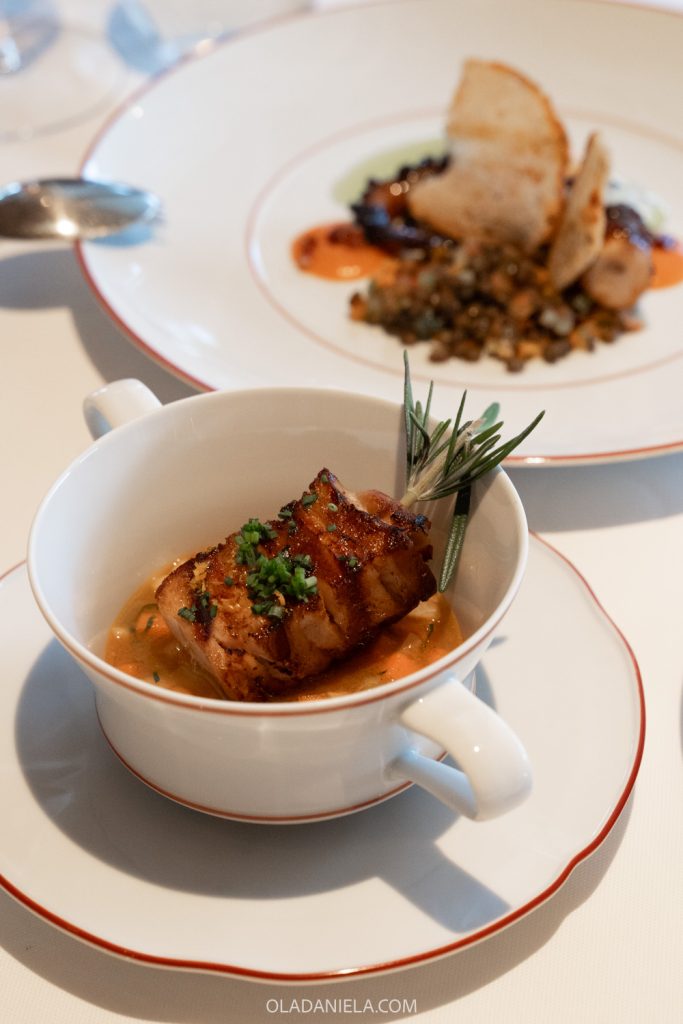
There’s a seven-course tasting menu, or you can order à la carte. We tried three starters, mains and desserts, and everything was genuinely fantastic. My taste buds are still salivating over the polenta with enchidos (smoked meats) and eel, while my friend loved the Bísaro pork skewer starter most. The river fish with crawfish rice and bacalhau mains were also great, but the ginormous slow-roasted goat with oven-baked rice stole my heart and still occupies my subconscious.
Day 3: Choose your own Douro Valley adventure
Every traveller is different, so I like to use my deep Portugal knowledge to write itineraries with options and flexibility. For your final day in the Douro Valley, I think you deserve the right to choose your own adventure.
If you want to stay in the heart of the Douro, choose Option A. Choose Option B to explore the quieter, wilder and flatter Douro Superior region to the east.
Option A: History in Lamego & Off-Roading in Tabuaço
This day combines one of the Douro’s cutest historic towns with a private guided off-road adventure.
Morning: A slow quinta breakfast & pool dip
Since you’ve invested in staying at a gorgeous wine estate, build in time to enjoy the estate. Sleep in, enjoy a long, lazy breakfast, and spend a few hours lounging by that infinity pool or hiking in the vines. The valley can be at its most serene before the midday heat settles in, so give yourself permission to just stare at the landscape.
The grandeur of Lamego

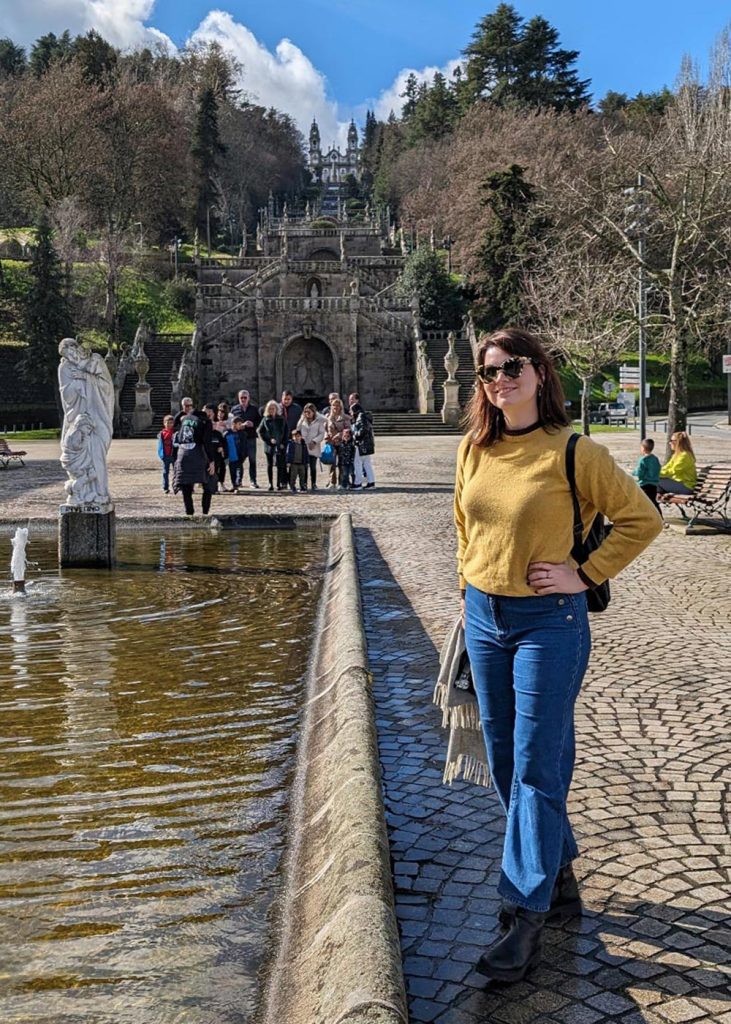
Make the drive to Lamego, an elegant, historic town that predates the founding of Portugal itself. Your first stop should be the jaw-dropping Santuário de Nossa Senhora dos Remédios. Even if you don’t climb all 686 baroque stone steps up from the town centre, you can admire the staircase from the avenue or drive to the top to see sweeping views over the town. After, wander the old town to see the 12th-century cathedral and climb up to Lamego Castle.
Pro tip: Lamego is famous for its espumantes (sparkling wines). Pop into a local enoteca to try a crisp glass of Raposeira or Murganheira paired with a slice of bola de Lamego (a savoury bread stuffed with smoked ham).
Afternoon: Off-road luxury adventure with Douro Autêntico
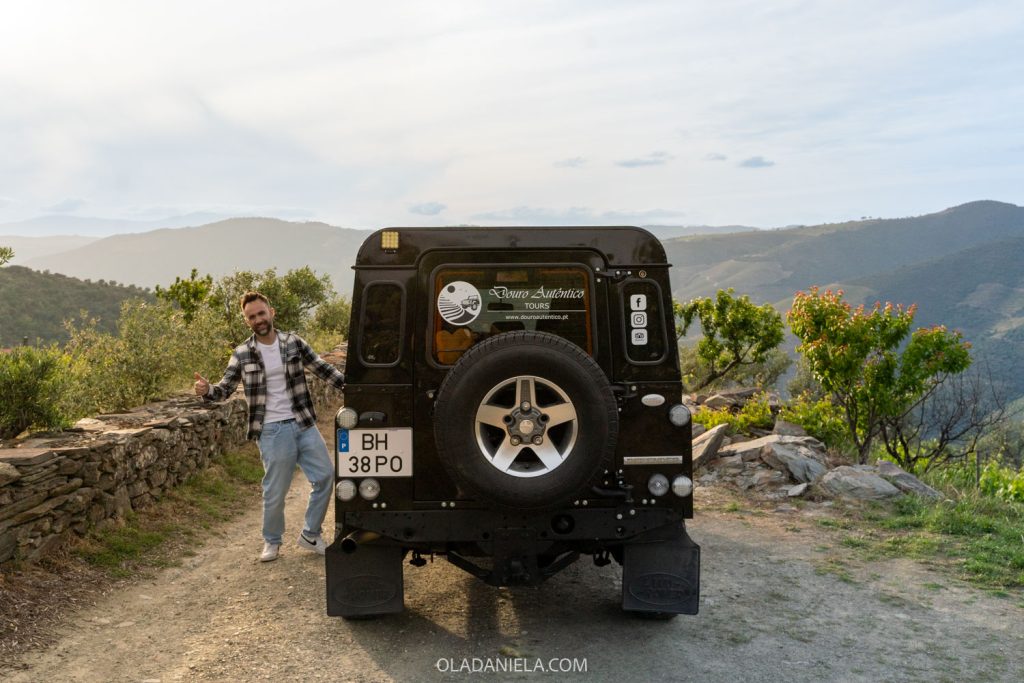
Leaving your car behind is the best decision you’ll make today. Grab a light lunch before meeting up with Douro Autêntico. Paulo will slide you into his gorgeous black Land Rover to show you the rugged secrets of the Tabuaço region of the Douro.
➡️ Book this tour: Check your dates with Douro Autentico
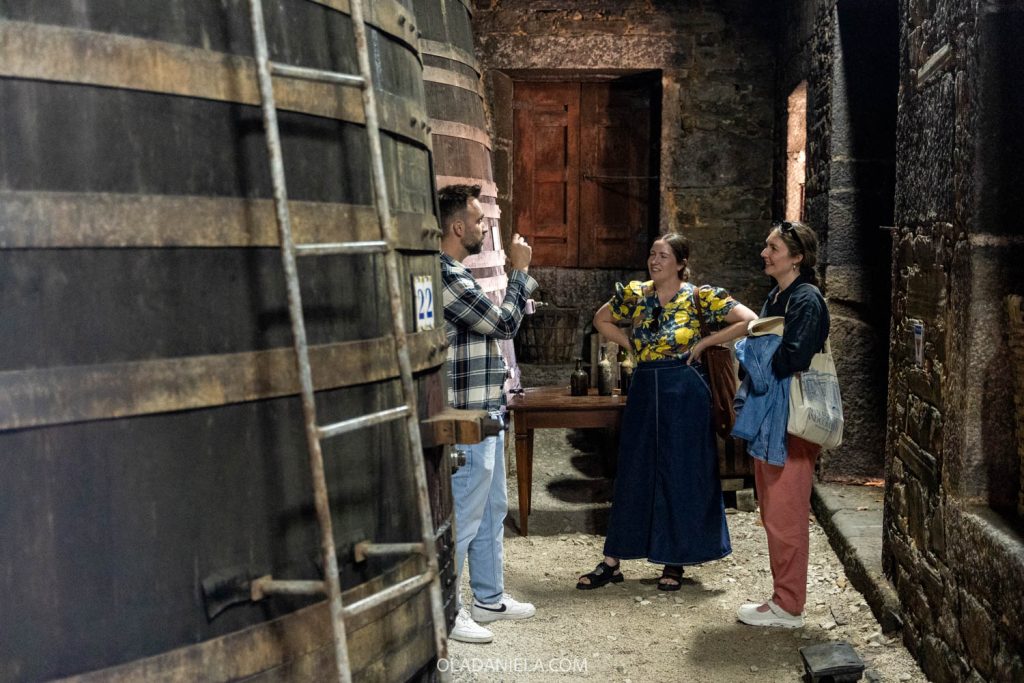
With those off-road wheels, he can climb into the hidden, high-altitude ridges where tourist buses literally can’t go – and you’d be unwilling to risk your rental for. Each full- or half-day tour is private, so Paulo can customise what you do. The afternoon we went out with him, he took us for the most incredible wine tasting experience at Casa de Santa Eufemia – the sort of personal experience you can only have at a small family-run winery with 200 years of history.
After, we hit off-road trails, visited a quiet village, and then he set up a boujee sunset picnic at a secret, unnamed lookout. Sitting there at an isolated spot, looking out over the vines and the river with a glass of wine in one hand and a spread of local smoked meats and cheese is genuinely the ultimate way to end your Douro adventure.
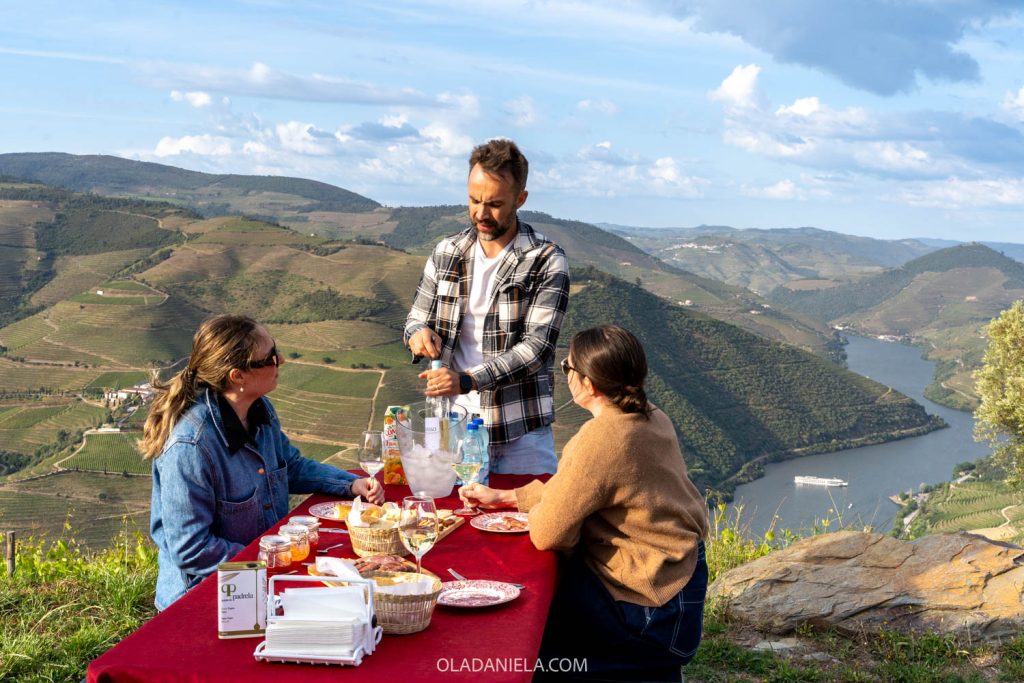
Good to know: Paulo was born in Douro and knows it so well. He can plan any sort of half-day in the Douro you want – you could do wine + boat, or wine + picnic, or double winery… The best Portuguese guides tend to be chill, letting you set the pace and not rushing you. We went out from 2-7.30pm, but if you want to be back sooner, ask him to watch the clock a little more.
➡️ Book this tour: Check your dates with Douro Autentico
Option B: The wild east (Douro Superior) & prehistoric rock art
This one ventures deeper into the Douro Valley, exploring the more arid Douro Superior, where one of the world’s most extraordinary rock art complexes lies – with a David-and-Goliath story and all.
Morning: Drive into the Douro Superior, visit a prehistoric rock art site
Fuel up the car and head east towards Spain into the Douro Superior, watching the landscape transform from the steep terraces to more arid, rolling terrain. This part of the valley feels wonderfully wild, isolated and untamed – and it’s even quieter.

You’re aiming for the Côa Valley Archaeological Park, about a 90-minute winding drive from Pinhão village. This extraordinary ancient rock art complex, with more than 80 sites featuring rock art and around 1200 engraved outcrops, was nearly lost to the world beneath a dam. In the early 1990s, archaeologists discovered thousands of Paleolithic rock art engravings while the Portuguese government was building a hydroelectric dam that would have flooded the whole of the Côa valley.
A huge environmental and cultural battle ensued, with a grassroots movement led by local high school students and their teachers mounting international pressure. In 1995, a newly elected government suspended the dam, saving the largest open-air Paleolithic art collection in the world. The park was created in 1996 and declared a UNESCO World Heritage site in 1998.
How to visit the Côa Valley Archaeological Park
You can visit three sites on official guided off-road tours (you can’t visit on your own), one by boat, and there is also a kayak or pedestrian option (all guided). If you’re mad for this sort of thing, you’ll have to spend a night in this part of the valley, as there is only one tour per day (for each option), designed so that you see the rock art motifs in the best natural light.
Three sites you can visit by jeep:
- Canada do Inferno: Morning visits, departs from the Côa Museum (Easy, but features a longer path and stairs).
- Ribeira de Piscos: Morning visits, departs from the Côa Museum (The most physically challenging trail).
- Penascosa: Afternoon or night visits, departs from the Reception Centre at the village of Castelo Melhor (The easiest site to access mobility-wise).
Plus, you can see the Fariseu rock site by solar boat or kayak with a picnic.
Note: The tour times change throughout the year and book out ahead, so organise this ASAP if you want to see them. Mobility-wise, Penascosa is the easiest visit, while Canada do Inferno is easy but with a longer path and stairs. Ribeira de Piscos is trickier.
Don’t skip the Côa Museum: Regional museums can be hit or miss, but the stunningly minimalist Côa Museum, perched high above the confluence of the Douro and Côa rivers, is well worth your time. The museum uses state-of-the-art technology to explore the valley’s Palaeolithic rock art and provides further context.
Lunch options
- Restaurante Côa Museu: Super convenient, this sleek spot is located directly inside the museum complex. It’s perfect for a quick, high-quality meal to easily squeeze in before or after visiting the Côa Museu (essential!).
- Petiscaria Preguiça: I’ve eaten at this top, off-the-beaten-path alternative right on the Douro riverfront. It is an incredibly peaceful place to try regional dishes like fried river fish while watching the train pass over a bridge. Prices are great too!
Afternoon: A tasting at Quinta do Ervamoira
Return to the present day for a wine tasting at Quinta do Ervamoira. This 223-hectare estate is run by the historic house of Ramos Pinto, and it sits completely isolated on the Côa River, overlooking the Penascosa rock art site, no less. The Douro Superior experiences intense heat in the summer, and so the wines made here are complex and bold – and the vineyard is planted with 90% red grapes.
Tour Quinta do Ervamoira’s small but fascinating on-site museum to learn about the history of the property and the river, then settle in for a tasting of dry reds and rich ports. You have to call or email ahead to visit the museum (or pre-book lunch or a rock-art and tasting combo), but this quinta does allow drop-ins for a glass of wine.
Editorial note: I experienced Quinta do Bomfim’s picnic, wine tasting and restaurant, Magnifico Douro’s rabelo boat and spent a half-day with Douro Autêntico as a guest. I share this as I value transparency and promise these opinions are unpaid and all mine. I would never mention anything I wouldn’t honestly recommend to a friend.
Essential Douro Valley guides & map
- The Independent Guide to the Douro Valley: Road trip logistics, best things to do & where to stay
- Best Douro Valley wine tours from Porto
- How to get to the Douro Valley: train, boat or car?
- Best river cruises in the Douro Valley
- Where to stop between Porto and the Douro Valley
- Where to stop between Lisbon and the Douro Valley
That’s my guide for a 3-day road trip across the Douro Valley. Read my other Douro Valley guides above and leave a comment with your favourite part of the trip!