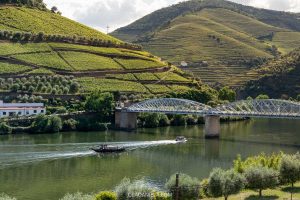
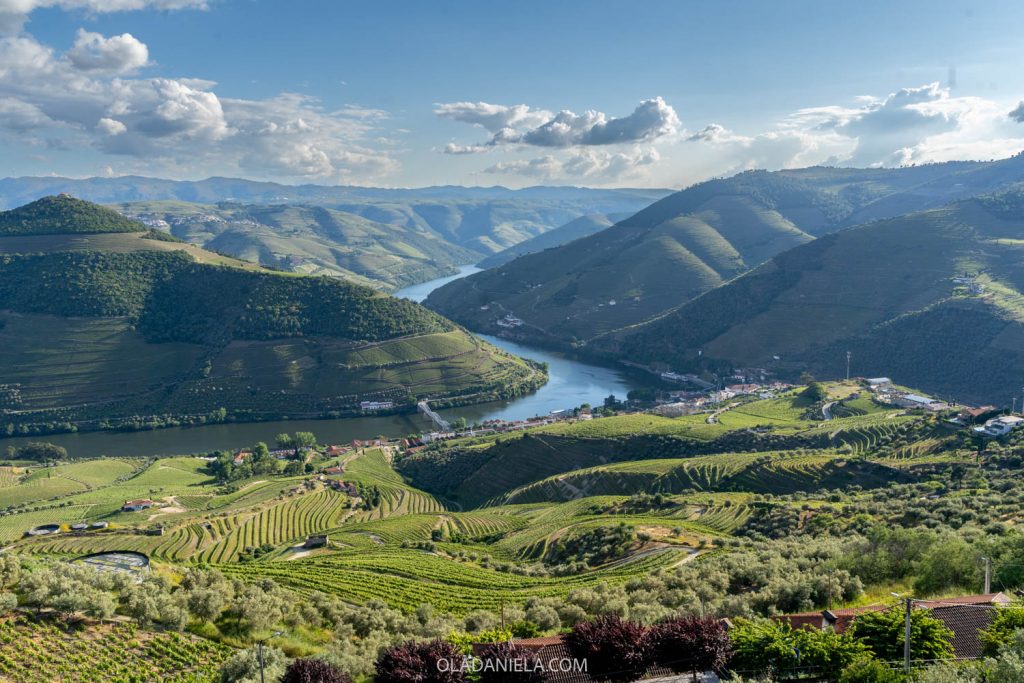
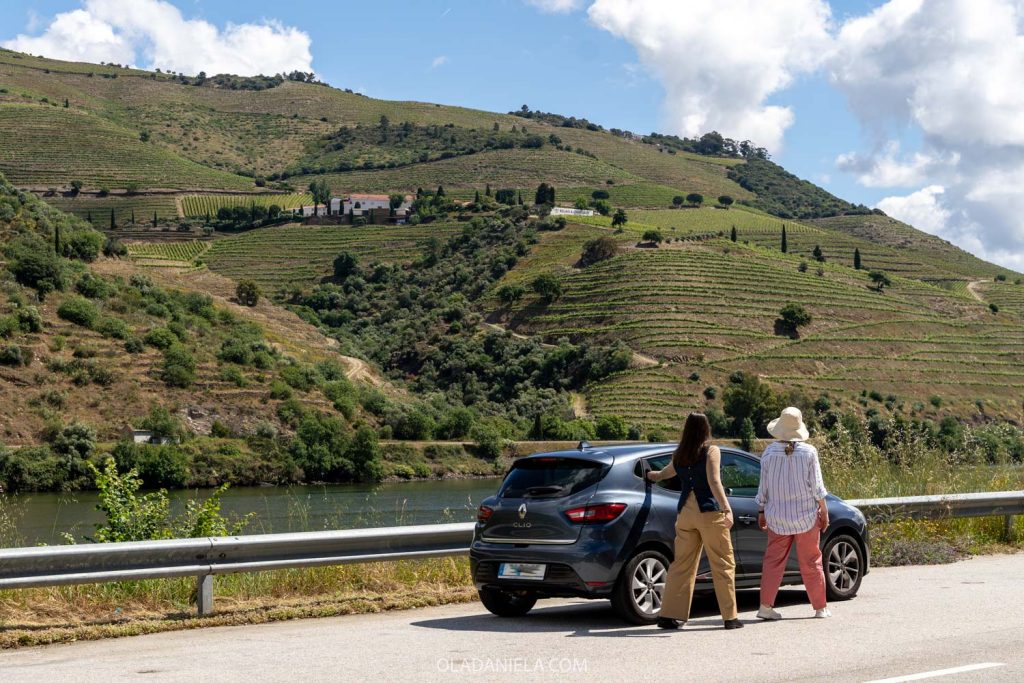
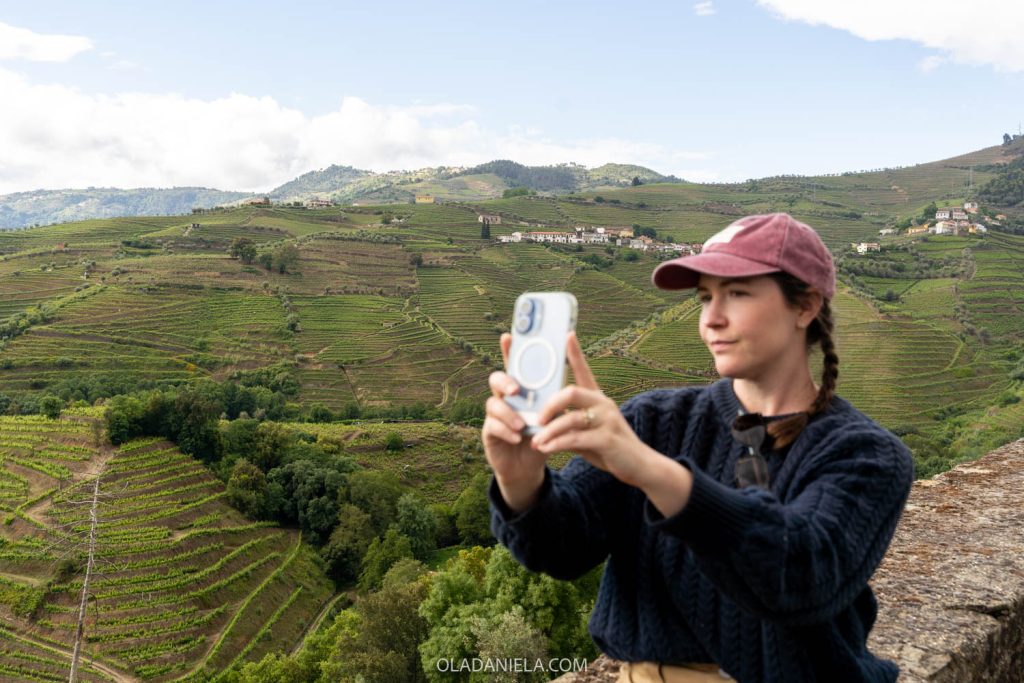
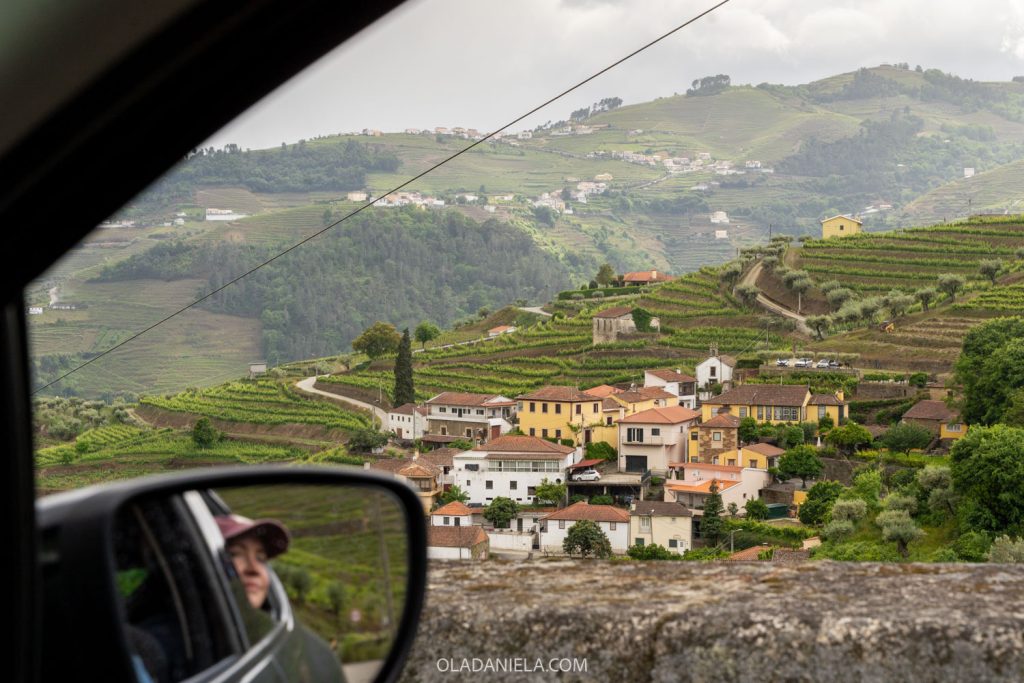
Portugal’s most famous wine region, the Douro Valley, is a dramatic collaboration between nature and man. Here, hand-carved vine terraces snake along steep hills, stretching from the winding Douro River towards the clouds like staircases for giants.
Every hairpin turn reveals a new horizon of vines and more vines, broken only by the solitary silhouette of a whitewashed quinta (wine estate), a quiet village or a church steeple reaching towards God. These ancient schist stone tiers wrap organically around every sheer incline, with ribbons of vines flowing as far as the eye can see.
As someone who lives in Portugal, I’ve noticed the Douro Valley is most frequented by day trippers from Porto, shipped in and out on tourist buses. But in my opinion, the gorgeous terraced landscape is a place to slow down, breathe deeper, and enjoy a few too many glasses of local vinho.
As many tourists visit just for a day, I’ve noticed there’s not a lot of advice for independent travellers wishing to spend a few days luxuriating in the wine region. The Douro Valley is such a beautiful place to reset, so read on for my tips on how to plan your Douro Valley road trip, the geography and climate, best things to do and where to stay.
In a rush? Here’s what you need to know…
- Best time to visit: April–June (for green landscapes and wildflowers), September (for harvest), October–November (for autumn foliage).
- Ideal length of stay: 2–4 days… but up to a week is nice!
- Key towns: Peso da Régua (regional capital), Lamego (inland), Pinhão (riverside village)
- Things to do: wine tasting, kayaking, river cruises, hiking, viewpoints, museums, cute towns
- Where to stay: sleep at a winery like Ventozelo, Quinta de la Rosa or Quinta da Côrte, or I loved my stay at the Casa do Salgueiral guesthouse.
- Easy-to-book wine tastings: You must book tastings ahead of time. Quinta do Bomfim, Quinta de la Rosa, Quinta do Ventozelo, Quinta da Foz, Martha’s Cellar, Quinta do Beijo and Quinta do Tedo can all be booked instantly.
Why visit the Douro Valley?
- It’s the world’s oldest demarcated wine region – back in 1756, the Marquis of Pombal marked the borders of the region and set regulations to protect and restrict the style of Port wine produced here.
- To see the unreal terraced landscape – thousands of hand-built stone terraces have transformed the rugged schist landscape into a UNESCO-protected masterpiece.
- Taste Port wines and Douro DOC wines – it wouldn’t be a wine region without wine!
- Slow down and savour the countryside – leave the pace of Portugal’s cities behind and enjoy walks among the vineyards, slow boat rides on the Douro River, or more adventurous fun like kayaking.
How to plan your Douro Valley trip
For independent travellers, the Douro Valley can be a little bit intimidating. Deciding where to stay, where to visit and planning your logistics isn’t the most straightforward. It is a huge, steep wine region (with three sub-regions!) where you will need to pre-book almost all wine tastings.
If I were planning a Douro Valley road trip, I’d ask myself:
- Do we want to self-drive and spend multiple days, or take a (long) guided day trip from Porto?
- Which of the three sub-regions are we excited to visit?
- What time of year will we visit?
- Do we want to stay at a winery (and base your itinerary around that), or stay in a hotel in a town (like Peso da Régua, Lamego and Pinhão)?
- Do we want to organise wine tastings ourselves, or hire a driver and guide for a half-day or full day?
This article will help you answer these questions and give you ideas for things you can do in the Douro Valley on an independent road trip. Vamos!

How many days do I need in the Douro Valley?
You can visit the Douro Valley on a guided day trip from Porto, but I think the UNESCO World Heritage-listed landscape is well worth at least an overnight stay.
I’d say 2–4 days would be an ideal break to relax, go wine tasting and soak in the landscapes of one particular sub-region. The Douro Valley is gorgeous, but the winding hills mean there can be long drive times between sights. You could easily spend a week working your way from Porto towards the Spanish border.
Day trip vs staying in the Douro Valley
It depends on how you want to spend your vacation. If you’re short on time or just curious, you can pop out to the Douro Valley for the day. For a single day, I’d strongly recommend joining a guided tour — it will be a long 10–12 hour day, but you’ll see so much more than you would independently. I recommend this top-rated small-group or private winery 1-day tour — or you can find suggestions for more guided day tours here.
If you have more time or prefer to travel independently, then you must stay 1–3 nights at a wine hotel or quinta. It’s even better if you can stay at an estate that produces its own wine or has a restaurant! The Douro has three sub-regions, and you could even plan a week with 2–3 nights in each zone.
Want help planning your trip to the Douro Valley? ✨ Book a one-on-one video call with Daniela and get custom help organising your perfect Portugal itinerary. Find out more here.
Geography 101 – where is the Douro Valley?
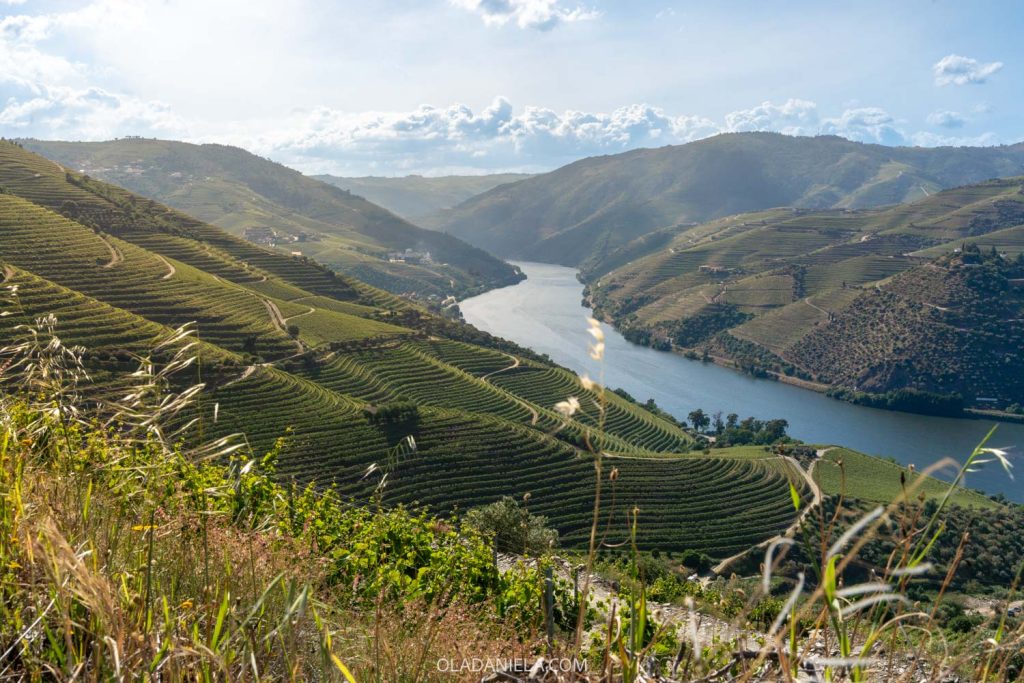
The Douro Valley wine region starts roughly 70km east of Porto, where the Marão and Montemuro mountains divide the coastal and the interior. The wine region extends from there up to the border with Spain, with three distinct sub-regions set along the river. Those mountains block Atlantic rains, giving the Douro Valley a continental climate with hot, dry summers and harsh, chilly winters.
Besides geography, geology marks the Douro Valley. In the north of Portugal, you’ll find a lot of granite, but the wine region is built exclusively on schist stone, and grapes must be grown in schist to be a DOC wine.
The three sub-regions
The Douro Valley can be broken into three sub-regions that sit along the Douro River. Each has a slightly different climate, shaped by the natural landscape. The unique terroir of each sub-region produces different profiles of wine.
- 🍇 Baixo Corgo: Closest to Porto. It’s cooler, lush and green. Great for quick trips for those short on time.
- 🍇 Cima Corgo: This is the heart of the Douro and what you’ll see on postcards. Between Peso da Régua and Pinhão, you’ll find some of the Douro Valley’s most prestigious quintas, estates and restaurants.
- 🍇 Douro Superior: This is the wild, more arid east, closer to Spain. It’s quiet, rugged and remote. You can’t miss the prehistoric rock art at Foz Côa.
Interactive Douro Valley map
The Douro Valley is a big, hilly region with narrow, winding roads. To help visualise the landscape, I’ve created this interactive map with a handful of key quintas (wineries), restaurants, viewpoints, train stations, towns and hotels around the heart of the Douro Valley – the central Cima Corgo region.
Getting around – self-drive vs. guided vs. train
I love a good road trip, and the Douro Valley is one of the best landscapes in Portugal to explore behind the wheel. Maybe you feel the same, maybe you prefer to take the train, or maybe your designated driver deserves a break for the day. There’s no right or wrong way to explore, but here are your options:
- 🚗 Self-drive: This gives you complete freedom to visit, stay and explore whatever you like. You can detour to hidden viewpoints, take your time on the winding N22 — voted the world’s best driving road. Of course, the cons are very limited wine tastings for the driver, navigating skinny roads, managing your own logistics, and having to organise all wine tastings yourself (yes, most you need to pre-book).
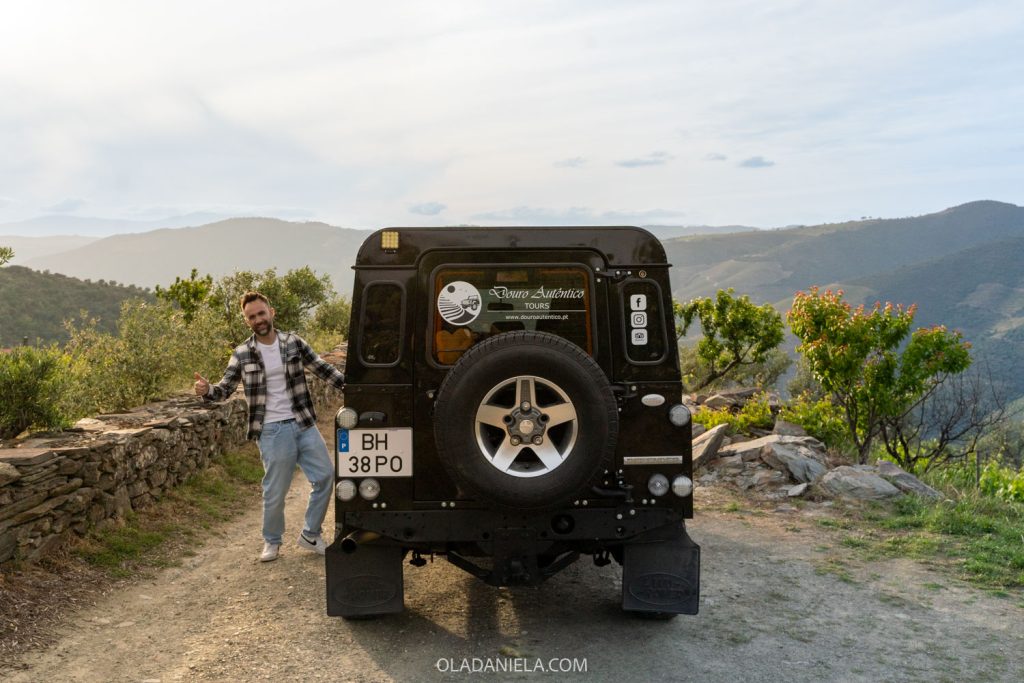
- 🏞 Guided touring: Besides the obvious perk of having someone else do the driving, your guide will likely have insider access to private quintas or smaller producers and can design a full or half-day that includes the best sights and viewpoints. If you’re short on budget and time, join this small-group day trip from Porto. If you want to give your driver a break, engage a guide in the valley, like Paulo from Douro Autêntico.
- 🚂 Train (Linha do Douro): You can take the Porto-to-Pocinho line and jump off at Pinhão. It’s a cute village with a couple of wineries within walking distance. This could be an independent day trip or an overnight stay (book the Vintage House Hotel!).
Need a rental car? Find the best prices using RentalCars.comor Discover Cars– both sites search and compare car rental companies including international and local rentals to find the best rates.
Pro tip: Even if you self-drive the Douro, I suggest mixing your independent exploring with half-day tours from Peso da Régua or Pinhão. I recently did a half-day 4WD tour with Paulo from Douro Autêntico. He grew up in the area and took us to the most gorgeous family-run winery and set up a picnic at an unmarked lookout with an incredible view. The sort of places you wouldn’t find on your own! ➡️ Check your dates

When to visit the Douro Valley – weather & seasons
There’s a saying about the weather in the Douro Valley – nine months of winter, three months of hell. Yes, the weather and climate here will be quite different to Porto.
| Season | Temperatures | Weather & Tips |
| Spring (Mar–May) | 15°C – 25°C (59°F – 77°F) | Spring is when the vines come back to life. It’s the perfect time for hiking or biking the vibrant green vine-covered terraces. But expect occasional showers and cool weather too. May would be my pick. |
| Summer (Jun–Aug) | 30°C – 40°C+ (86°F – 104°F) | Summer deep in the Douro Valley can be super hot, so make sure your accommodation has AC (and ideally a pool!). The landscape dries out into golden hues as grapes mature on the vine. |
| Harvest (Sep) | 25°C – 28°C (77°F – 82°F) | The Vindima is arguably the most exciting time to visit the Douro Valley. Watch locals hand-pick the terraces and give it a go yourself with harvest experiences, which usually include grape stomping and a long lunch. Crowds are high, so book months in advance. |
| Autumn (Oct–Nov) | 15°C – 28°C (59°F – 82°F) | Once the harvest is over, autumn settles in, and the valley turns deep ochre and gold. It’s one of the most beautiful times of the year to visit, and the locals are in a good mood as the back-breaking harvest is over — time to celebrate! |
| Winter (Dec–Feb) | 5°C – 14°C (41°F – 57°F) | Winter is deliciously quiet. Expect misty mornings over the river and crisp, cool days. Ideal for those who prefer solitude and a roaring fireplace in a quinta. I’ve spent January days in the Douro and enjoyed the scenery without the crowds. |
Best things to do in the Douro Valley
The Douro Valley is more than just a wine region — though it’s a very special place if you do enjoy visiting estates, tasting wine, touring cellars, and learning about how this unique terroir shapes what’s in the glass. Here is a quick overview of the best things to build into your itinerary.
Wine experiences – tastings, harvest season, winemaker lunches
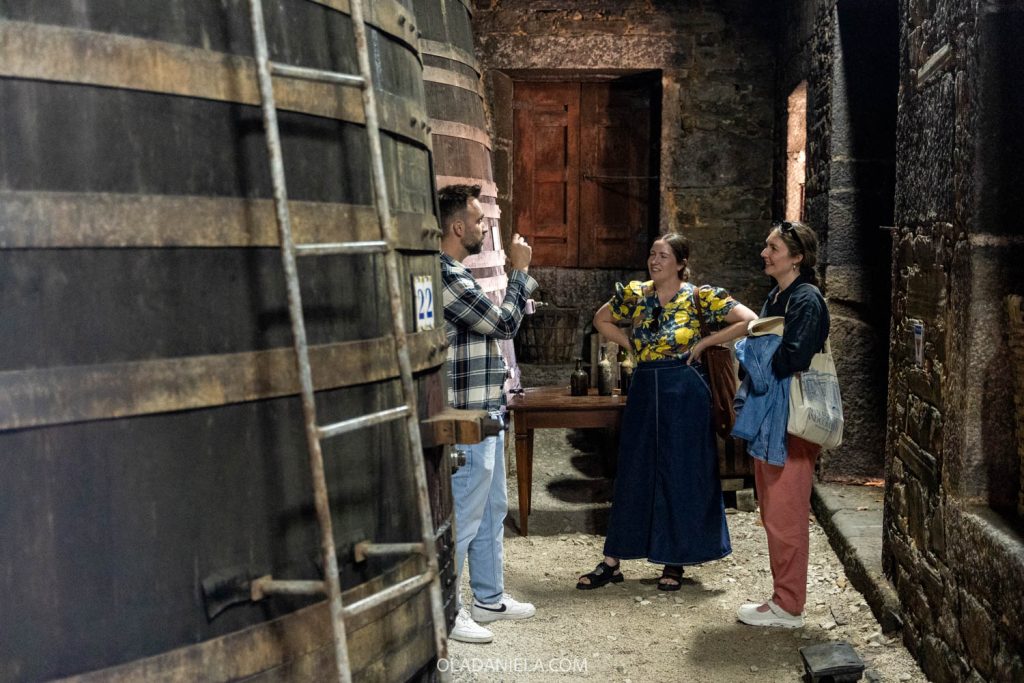
While the valley is synonymous with Port, most (but not all) quintas also produce beautiful Douro DOC wines — think bold, mineral-heavy reds and whites that thrive in the heat. There are more than 90 grape varieties grown in the Douro, and all varietals are permitted in Port production, a standard strictly governed by the IVDP (Port and Douro Wine Institute), which maintains the rigorous quality controls first established by the Marquis de Pombal.
In newer vineyards, you’ll see rows dedicated to single varieties like Touriga Nacional or Tinta Roriz. However, the soul of the Douro remains in its ancient field blends. In these heritage plots, vines were planted randomly, and even the owners might not know every casta (grape variety) in the mix. Visit in September to join a harvest experience, where you’ll get to pick grapes on the terraces, stomp grapes by foot, and enjoy a long lunch — likely with music.
Besides tastings, many vineyards offer chic and relaxed picnics, have stunning on-site restaurants or offer winery lunches.
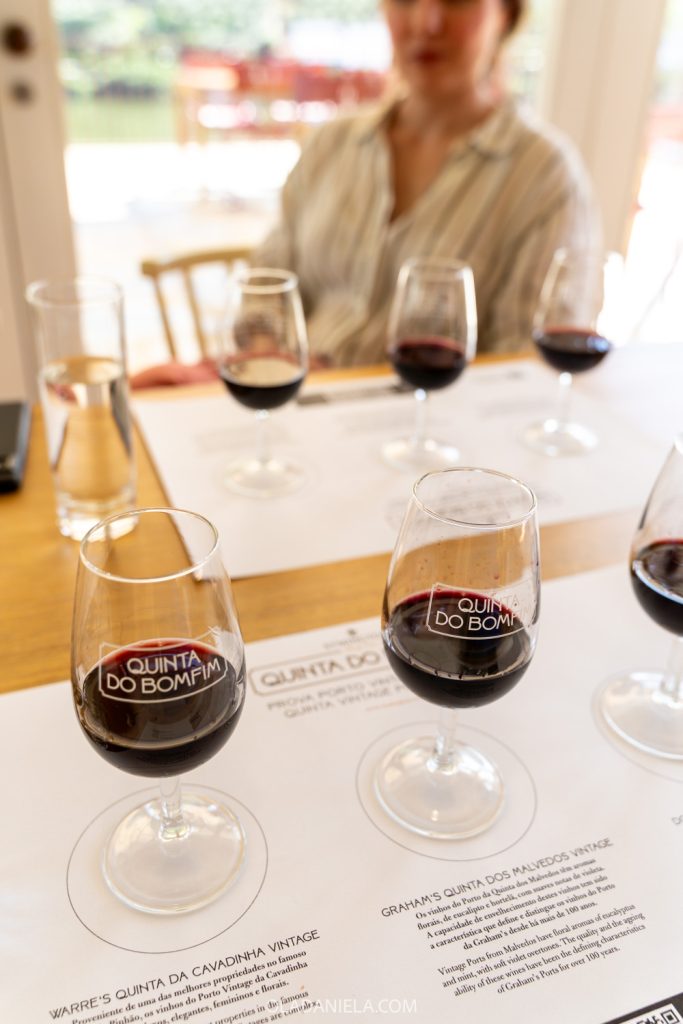
⚠️ Essential tip: You need to pre-book all wine tastings. Very few quintas allow you to just show up. Most tastings will be a tasting-and-tour experience, so you’ll spend some time learning about the estate before tasting some wines. Some easy-to-book options below:
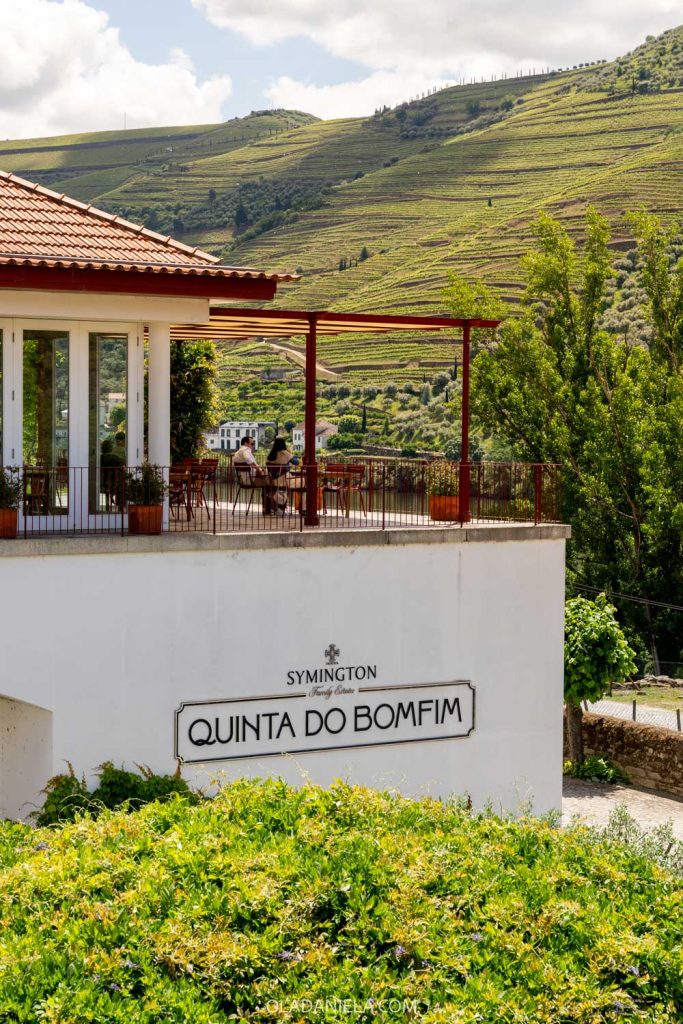
🍷 Quinta do Bomfim (walkable from Pinhão train station)
🍷 Quinta de la Rosa (walkable from Pinhão train station, also offers a private tasting with lunch)
🍷 Quinta do Vallado
🍷 Quinta da Foz (walkable from Pinhão train station)
🍷 Quinta do Ventozelo – offers a great DOC Douro wines tasting
🍷 Quinta do Beijo
🍷 Quinta da Vacaria – red wines, roses
🍷 Quinta da Formigosa
🍷 Quinta de Adorigo – this lunch & tasting with the winemaker sounds awesome
🍷 Maçanita Vinhos
🍷 Quinta do Crasto
🍷 Martha’s Cellar – has a few options
🍷 Quinta do Tedo
🍷 Quinta da Portela de Baixo
🍷 Quinta de Sobre a Fonte
Pause at many miradouros (viewpoints)
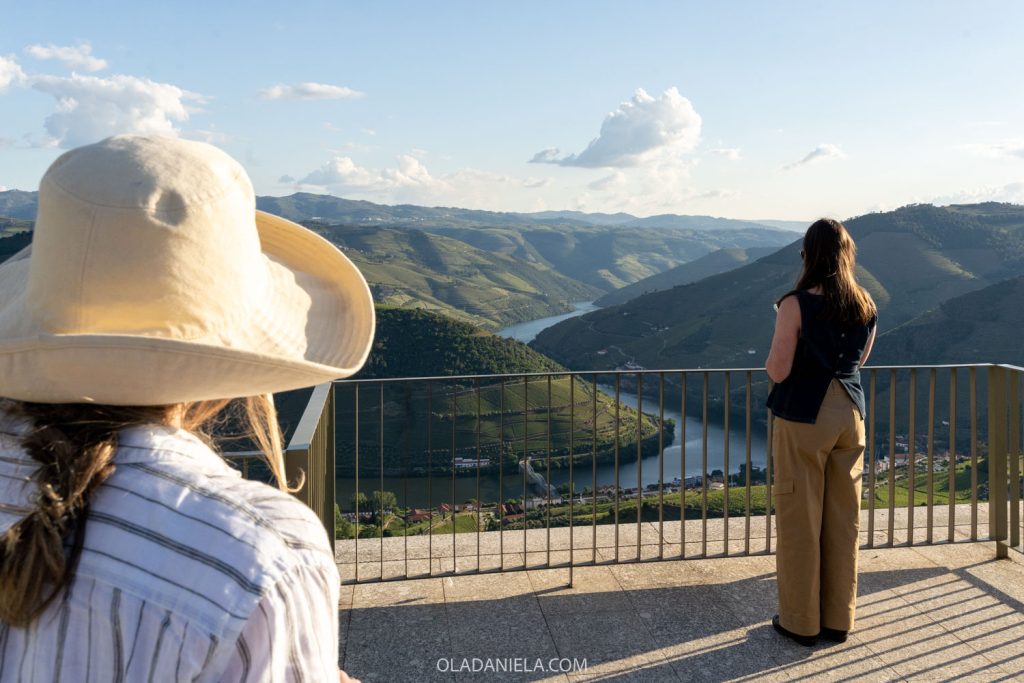
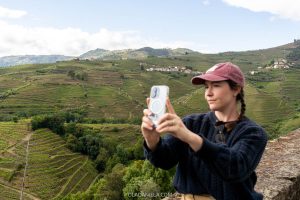
The Douro Valley is a hilly, steep landscape, so as you’d expect, there are plenty of lookouts, viewpoints ormiradouros (as the Portuguese say). When you’re road tripping across the Douro, if you see a miradouro sign, it might be worth pulling over! The most famous ones to go out of your way for are Miradouro de São Leonardo de Galafura and Miradouro de Casal de Loivos. These two are where you’ll snap that picture-perfect Douro postcard.
Go off-road and tour the landscape
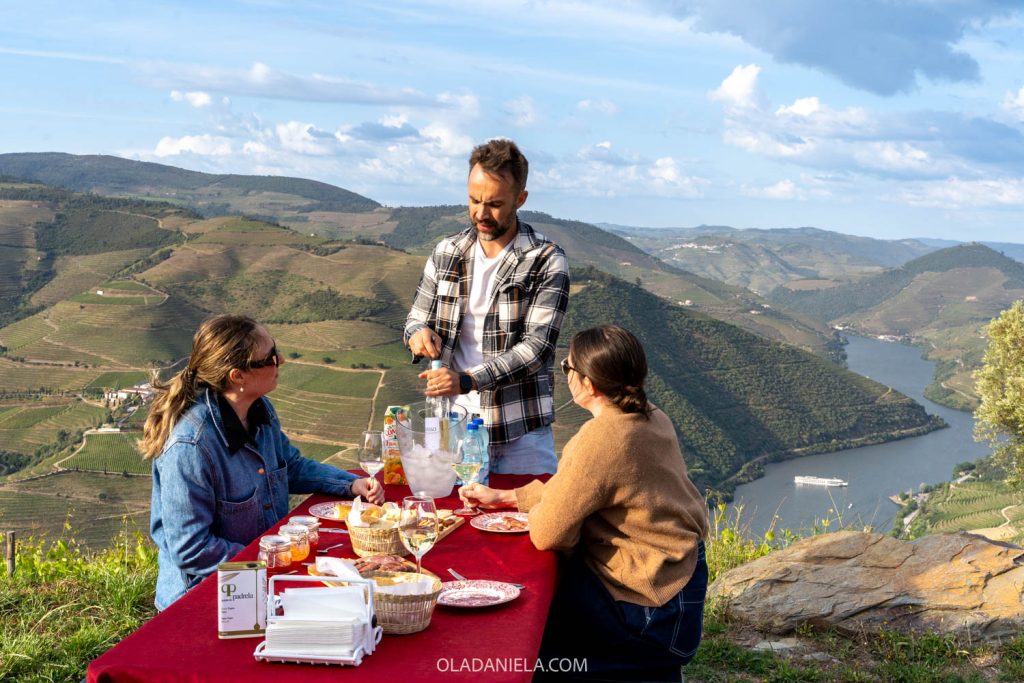
One of my favourite Douro experiences to date was a half-day Jeep tour with Douro Autêntico. While Paulo can shape the day to your desires, we left it up to him to choose, and he took us to an incredible, small-scale, family-run winery where we tasted Port direct from a centenary mega barrel, crawled off-road trails in his sleek black Land Rover, passed through a quiet village, and enjoyed a late afternoon picnic at an unknown viewpoint he’s found. Super cool.
🍷 ➡️ Check your dates for a jeep tour
Join a short river cruise (or rent a private wooden boat)
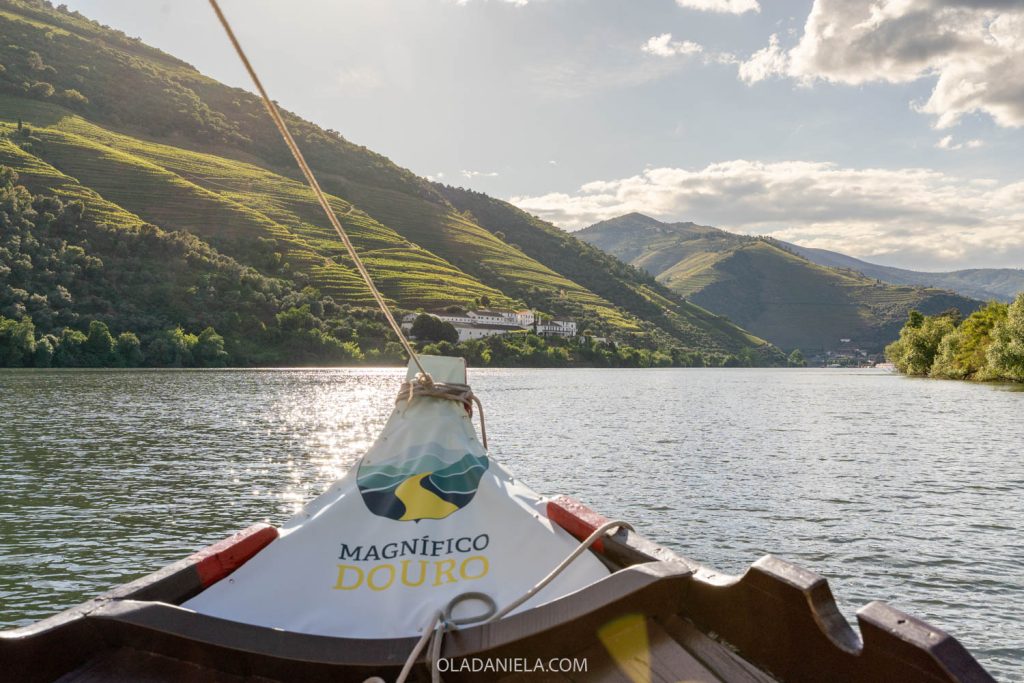
While few will choose to jump on a full-day cruise up the Douro River from Porto, almost every visitor will have a short 1- or 2-hour traditional rabelo boat on their itinerary. Pre-book your boat, then head to the docks to see the landscape from the water, with a glass of port wine in hand (of course). Better yet, book this stunning wooden yacht and feel like royalty for an hour or two.
➡️ Book a 1-hour or 2-hour rabelo boat ride
➡️ Or this private wooden boat for an hour
Stay in gorgeous historic wine estates
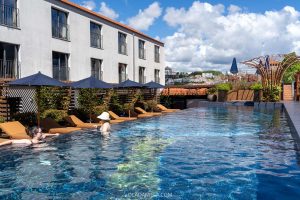
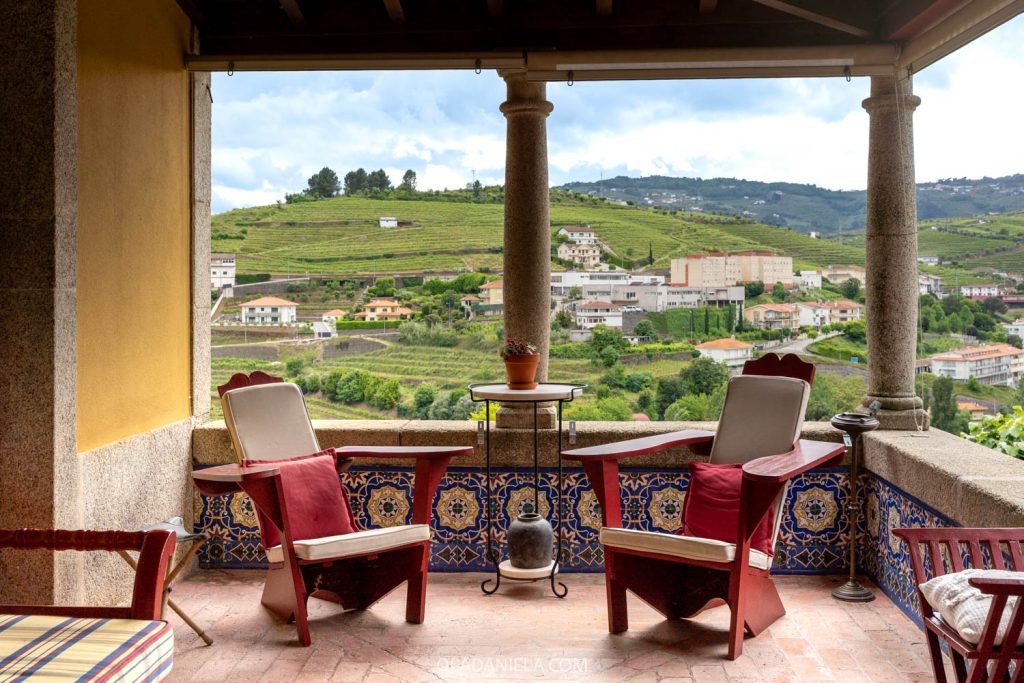
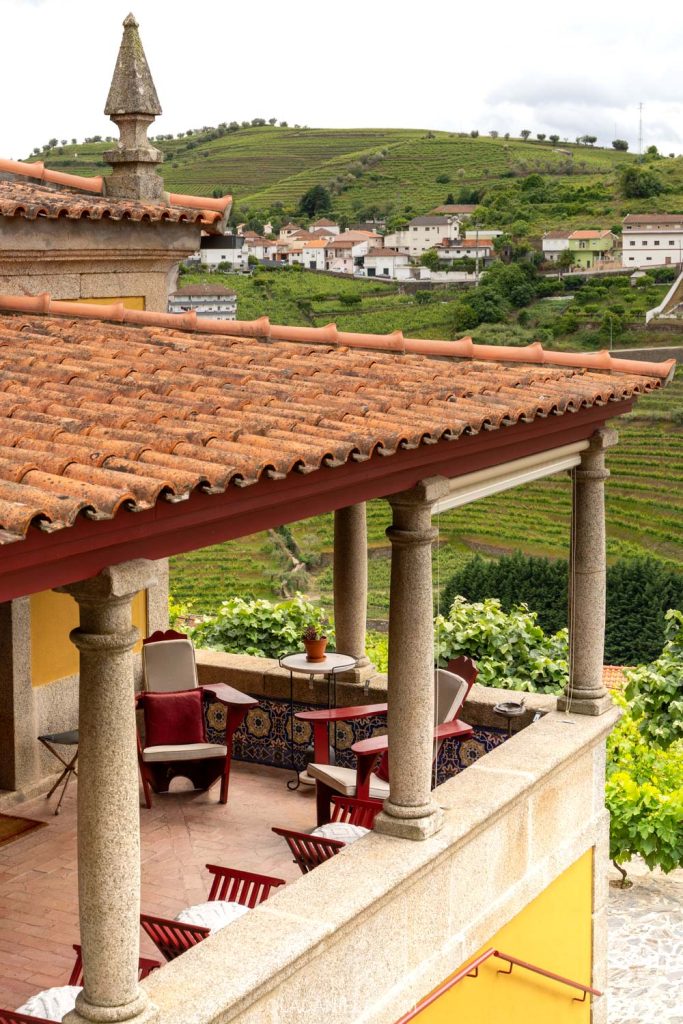
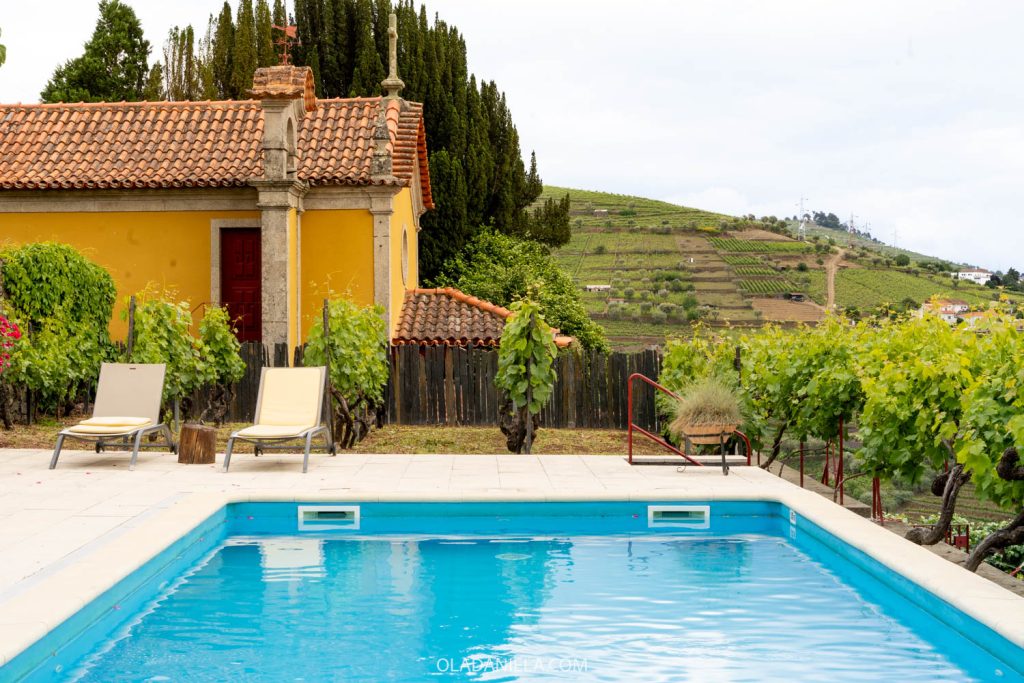
Where you stay in the Douro Valley does matter! Driving distances between wineries, towns and sights can be quite long. So if you have the budget, choose to stay at a quinta where you have wine experiences, lunch or dinner, olive oil tastings and more all on your doorstep. Plus, lots of the estates are set in beautiful historic buildings with gorgeous views of the valley and infinity pools. Dreamy! (Pictured below is Casa do Salgueiral).
➡️ I suggest a handful of top-rated quintas you can sleep at in the next section
Dine at some of Portugal’s top restaurants by the river
There are some stunning food experiences in the Douro Valley. Many of the top estates have attracted talented Portuguese chefs to serve beautiful tasting menus with unreal views. I’ve had the pleasure of dining at Bonfim 1896 (pictured below) in Pinhão and can’t recommend the restaurant highly enough — you can peek into the open kitchen and watch the chefs working only with fire. Other spots on my list are Schisto, São Luiz, Cantina at Quinta do Ventozelo and DOC.
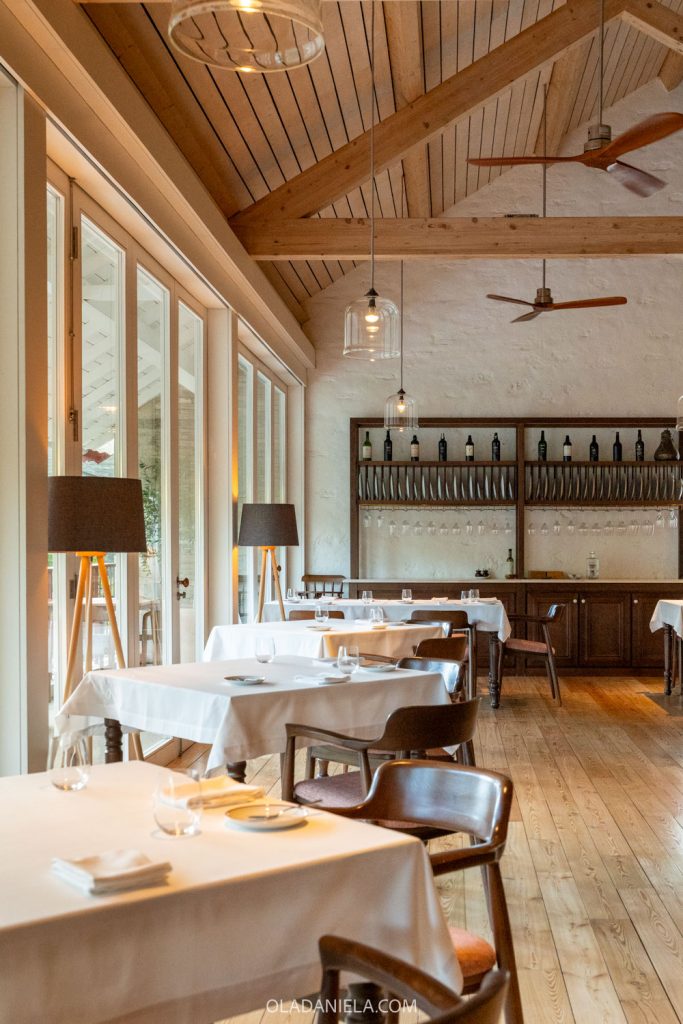
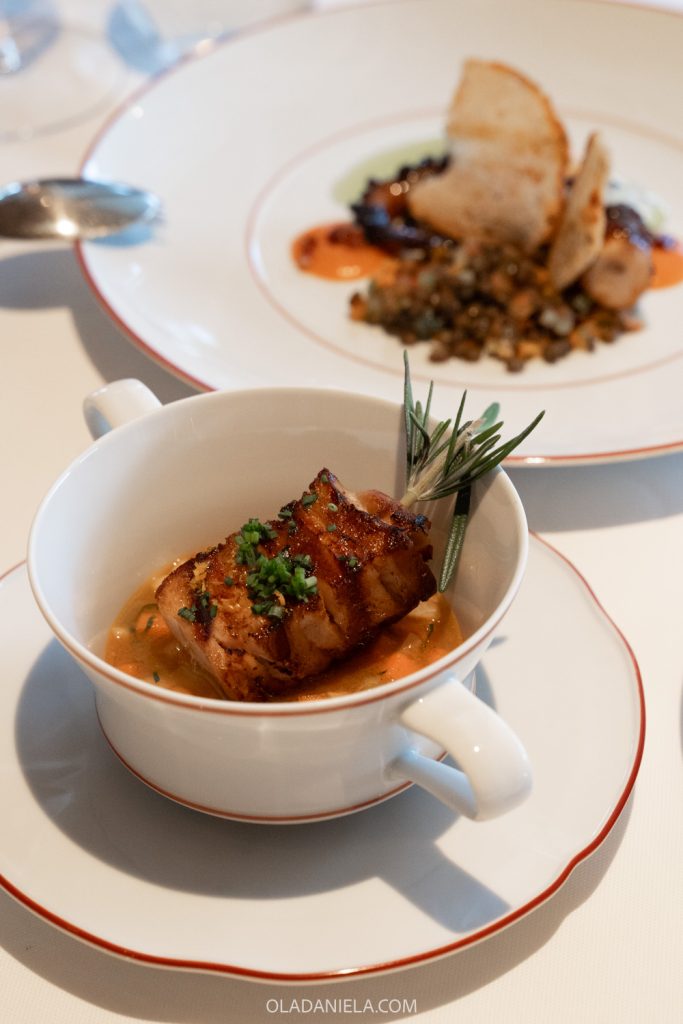
Visit cute historic towns and villages
Mix up visiting vineyards with gorgeous historic towns. Go visit Lamego, with its unique tiled staircase that leads up to a church and the old castle. This area of the Douro is known for sparkling wines, which you can try at Raposeira. Pinhão is an unmissable village on the riverfront with a tiled train station, estates within walking distance, and rabelo boat rides. Venture north of Peso da Régua to Vila Real for convent sweets, a unique historic centre, Casa Mateus palace, and the weekly fair on Tuesdays and Fridays.
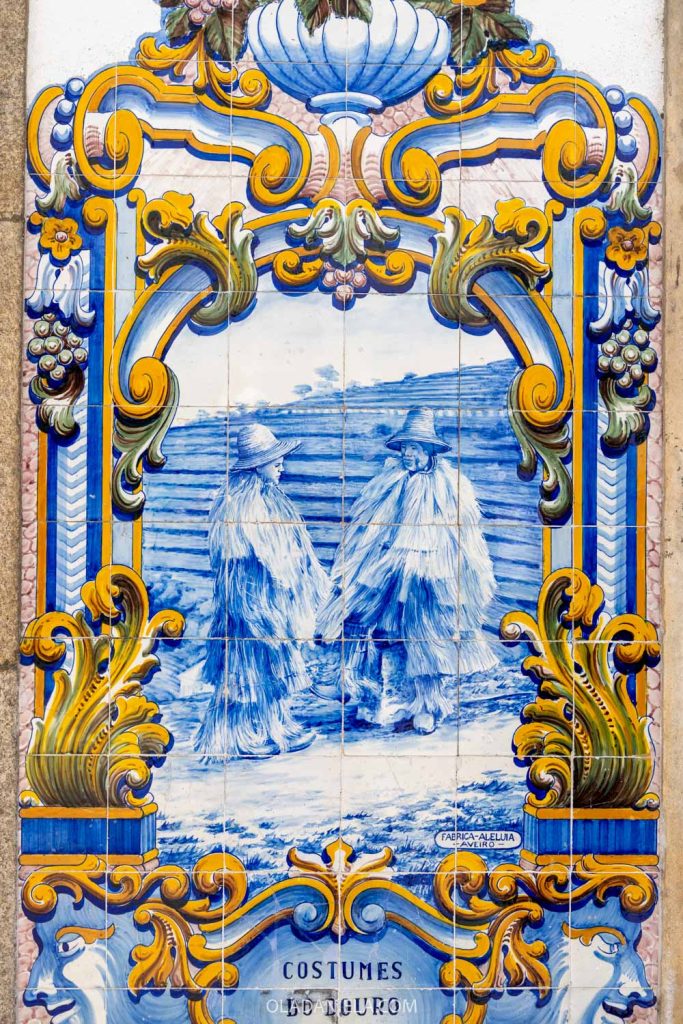
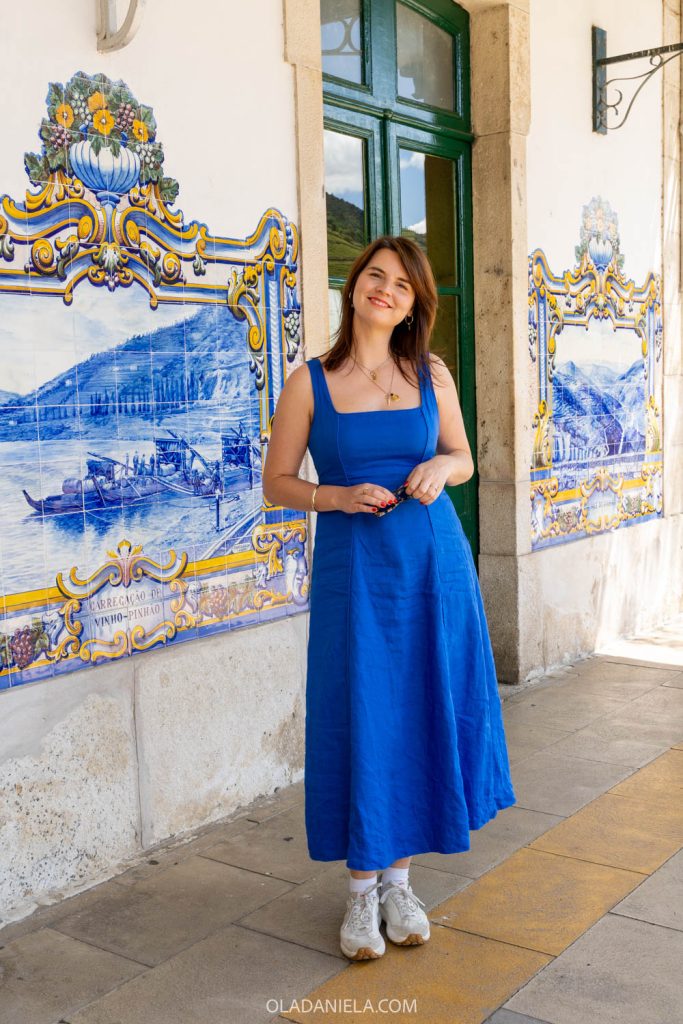
Go kayaking on the river
The Douro Valley is more than a wine lover’s paradise. Sign up for a kayaking tour and head out on the river to get active while seeing the landscape from a completely different perspective. From the water, the sheer scale and quiet of the stone terraces are even more imposing.
Go hiking or do other outdoor activities
The Douro region is crisscrossed with official trails that lead to high-altitude miradouros (viewpoints), offering panoramic sweeps of the winding river below. Alternatively, some of the best trekking is found within the wine estates. Many quintas maintain private trails that weave through their historic vineyards.
Where to stay in Douro Valley
You have two choices: choose an estate as your base and plan your trip around that location, or stay close to Peso da Régua or Pinhão in the heart of the Douro Valley.
- Six Senses Douro Valley (Samodães): Maybe Portugal’s top, most luxurious 5-star stay. It’s set within a 19th-century manor house and offers world-class spa treatments based on grape-derived antioxidants. Check your dates.
- Quinta do Vallado (Peso da Régua): Built in 1716, this is one of the oldest estates in the valley and once belonged to the legendary Dona Antónia Adelaide Ferreira. Check your dates
- Quinta de la Rosa (Pinhão): A family-owned gem where the Vale do Inferno vineyard features some of the tallest and most dramatic stone walls in the region. Check your dates
- Quinta Nova (Sabrosa): This Relais & Châteaux property features a 1764 winery and a spectacular infinity pool overlooking the valley. Check your dates
- Ventozelo Hotel & Quinta (Ervedosa do Douro): One of the largest and oldest quintas, it feels like a small village and offers hiking trails too. Check your dates
- Quinta da Pacheca (Lamego): Famous for its oversized wine barrels that you can sleep in among the vines. Check your dates
- Quinta da Gricha (Ervedosa do Douro): An intimate four-room guesthouse owned by Churchill’s. Check your dates
- Quinta de Marrocos (Peso da Régua): A historic 400-year-old family home where you can still experience traditional grape treading in granite lagares. Check your dates
- Quinta do Tedo (Folgosa): Situated exactly where the Tedo and Douro rivers meet, this organic estate is a haven for birdwatching and kayaking. Check your dates
- Casa do Salgueiral (Santa Marta de Penaguião): I stayed at this gorgeous family-run estate, just above Peso da Régua. The views in this part of the valley! The morning breakfast hamper. Just magic.

Essential tips for visiting the Douro Valley
Navigating the Douro Valley requires a little bit of tactical planning. Here is what I think every visitor needs to know before hitting the road:
- 🍷 Book your tastings early – Portugal’s wine tourism isn’t really a drop-in culture. To secure a tour at the top quintas (especially in English), book at least one to two weeks in advance. During the harvest (September), you may need to book months ahead.
- 🚘 Allow time to drive the N222 – Voted one of the best driving roads in the world, the stretch of the N222 between Peso da Régua and Pinhão is essential. I found there are very few spots to pull over at the Peso da Régua end, but towards Pinhão, it gets more dramatic, and you’ll find places to stop and take pictures.
- 🚂 If you’re not a confident driver, take the train – The roads are narrow, steep and curvy. To reach some estates can be tricky. If you aren’t a confident driver but still want an independent multi-day trip, take the train, stay in Pinhão town and hire a private driver — like Paulo from Douro Autêntico — to show you further afield.
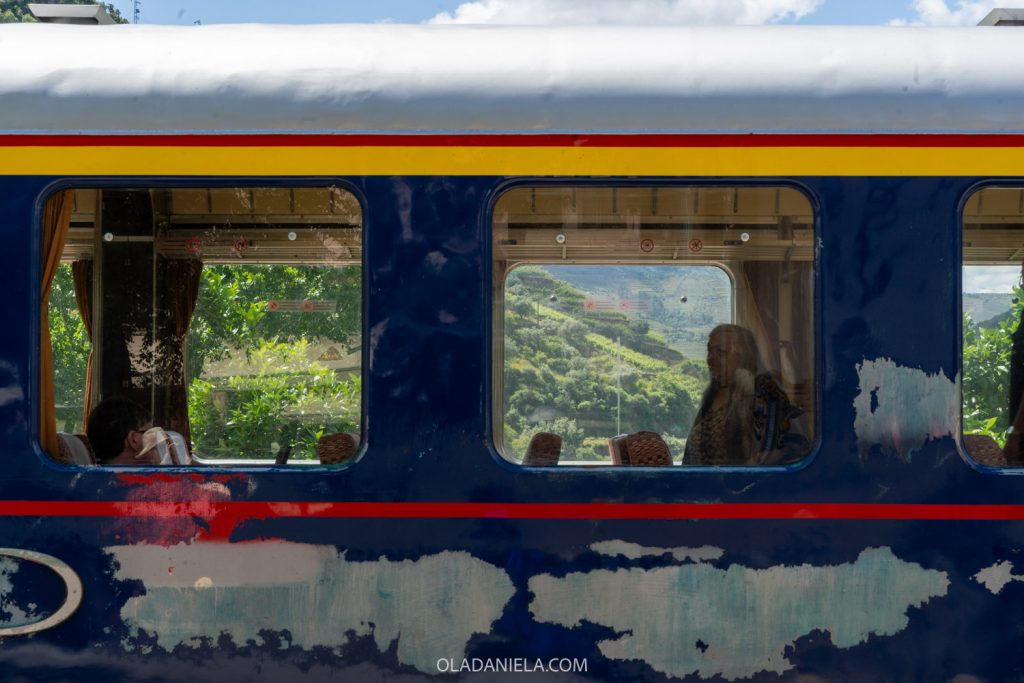
- 🏞️ The train is a super scenic alternative – If you want to skip the driving, the Linha do Douro train from Porto’s São Bento station is spectacular. The most scenic part is the stretch between Régua and Pinhão, where the tracks hug the water’s edge.
Douro Valley FAQS
How to get to the Douro Valley
You have several ways to reach the valley, each offering a different perspective of the landscape:
- 🚂 By train: The most scenic and budget-friendly option. Take the Linha do Douro from São Bento or Campanhã station. The journey to Pinhão takes about 2.5 hours, with the final hour hugging the riverbank for incredible views.
- 🚗 By car: For maximum flexibility, a car is best. It’s a 1.5 to 2-hour drive via the A4 highway. A car gives you freedom to reach high-altitude miradouros and remote quintas that trains can’t reach.
- 🛥️ By boat: You can take a full-day cruise from Porto to the Douro Valley. You’ll likely eat breakfast and lunch on board as you navigate some massive dams and locks heading upstream.
Is a day trip to the Douro Valley worth it?
Yes, but manage your expectations — it’s a long day. A typical day trip from Porto lasts between 10 to 12 hours. You will certainly see the highlights, enjoy a vineyard lunch, and taste incredible Ports. If you have the time, I’d suggest staying at least 2 nights so you can see the sun rise over the misty terraces and leave space for serendipitous moments.
Do I need a car once I am in the valley?
Yes and no. For no-car independent Douro Valley travel, take the train to Pinhão and stay there. You can visit several world-class quintas (like Quinta do Bomfim, Quinta de la Rosa or Quinta das Carvalhas) on foot. But, the Douro is vast — and to reach the most dramatic viewpoints or smaller, boutique estates tucked away in the side valleys, a car or a pre-arranged private driver is essential. You can book private and small-group guided tours once in the valley.
Is the Douro Valley only about Port wine?
Not at all. While the Douro is the birthplace of Port, nationally the Douro is well known for its Douro DOC table wines. These are non-fortified reds and whites made from the same indigenous Portuguese grapes. While some places — like Quinta do Bomfim — are solely focused on making Ports, other wineries are more focused on making dry, mineral-forward wines that express the valley’s unique schist soil.
What is the “best” town to base myself in?
- Pinhão – this small, more charming, riverside village is at the heart of the Douro Valley and is surrounded by the most famous vineyard slopes. For the classic Douro feeling, stay here.
- Peso da Régua – this is the biggest town with lots of restaurants and shops. It’s a practical choice, but not super charming.
- Lamego – stunning historic town with medieval sights and a castle. Very cute base, but set away from the riverside.
- Any small village or estate – honestly, I think you can’t go too wrong with choosing a base. Recently, I stayed at Casa do Salgueiral in Santa Marta de Penaguião, a 10-minute drive north of Peso da Régua. Our favourite drive of the trip? That road between the working villages and the riverside!
Can I visit wineries without a booking?
Yes and no. Most reputable quintas require a reservation for tours and tastings to ensure they have staff available to guide you. Some larger estates – such as Quinta do Bomfim and Quinta das Carvalhas – will take walk-ins for a glass at the bar, but more require a booking at least 48 hours in advance for a full experience — and weeks in advance for the harvest season. Thankfully, things are changing, and you can instantly book some wine tours and tastings online – try Quinta da Foz, Martha’s Cellar or Quinta do Tedo.
My essential Douro Valley guides
- 3-Day Douro Valley self-drive itinerary
- Best river cruises in the Douro Valley
- How to get to the Douro Valley: train, boat or car?
- Best Douro Valley wine tours from Porto
- Where to stop between Porto and the Douro Valley
- Where to stop between Lisbon and the Douro Valley
Keep reading…