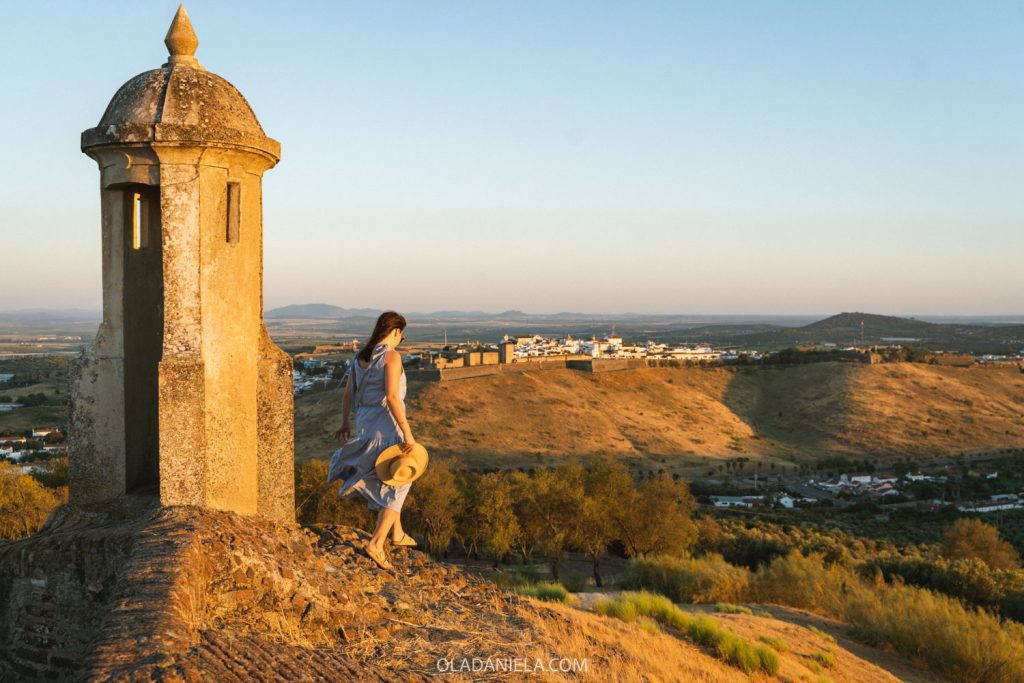
Elvas has been shot at, starved out and surrounded by Spanish troops. But not once did the largest fortified town in Europe fall to the Spanish – and they tried to take it four times.
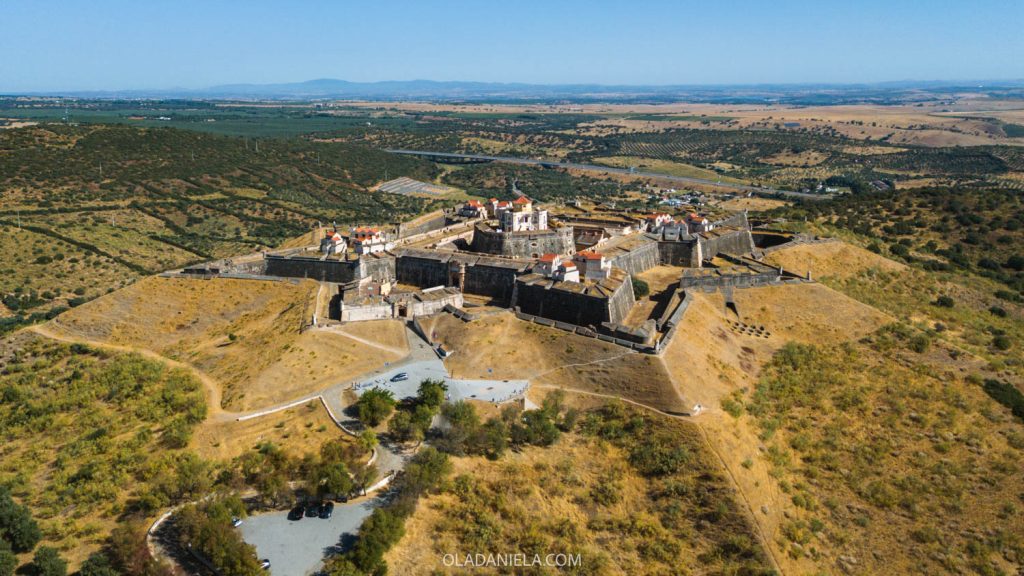
History is written into the walls of UNESCO-listed Elvas. Star-shaped bastions ring the historic core, dry moats cut around that, and two more full-scale forts, Graça and Santa Luzia, stand guard on the hills either side, still watching the road to Spain. The toughest battle, the Battle of the Lines of Elvas, back in 1659 and secured Portugal’s independence from Spain during the Restoration War. Sim, Elvas is rather important from a military perspective.
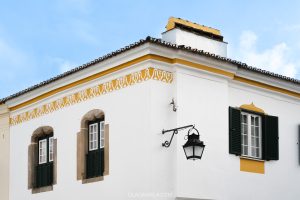
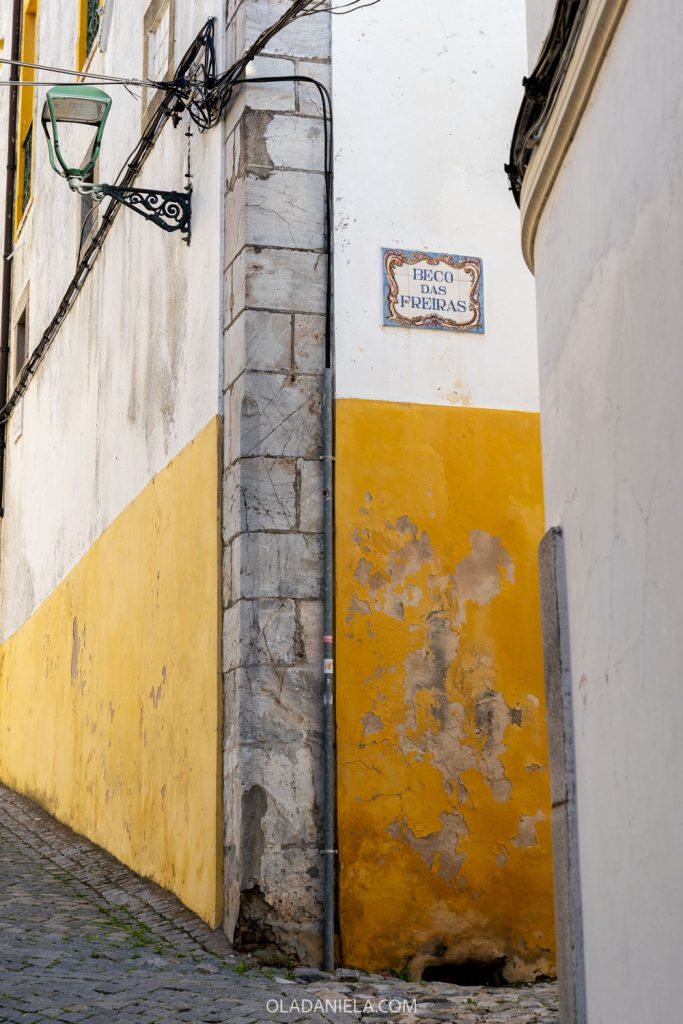
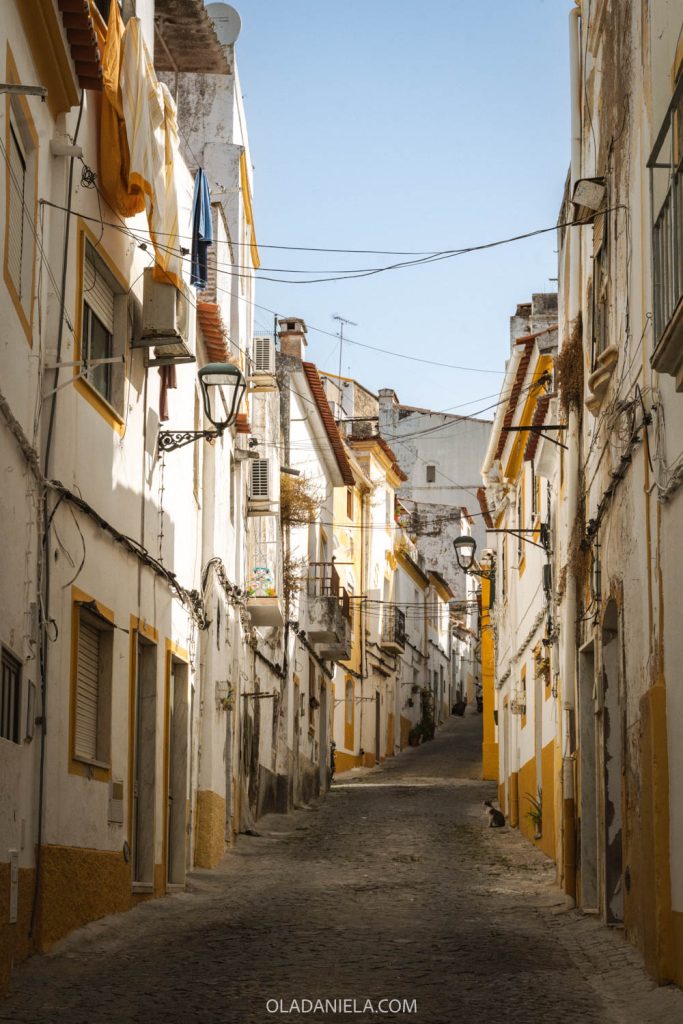
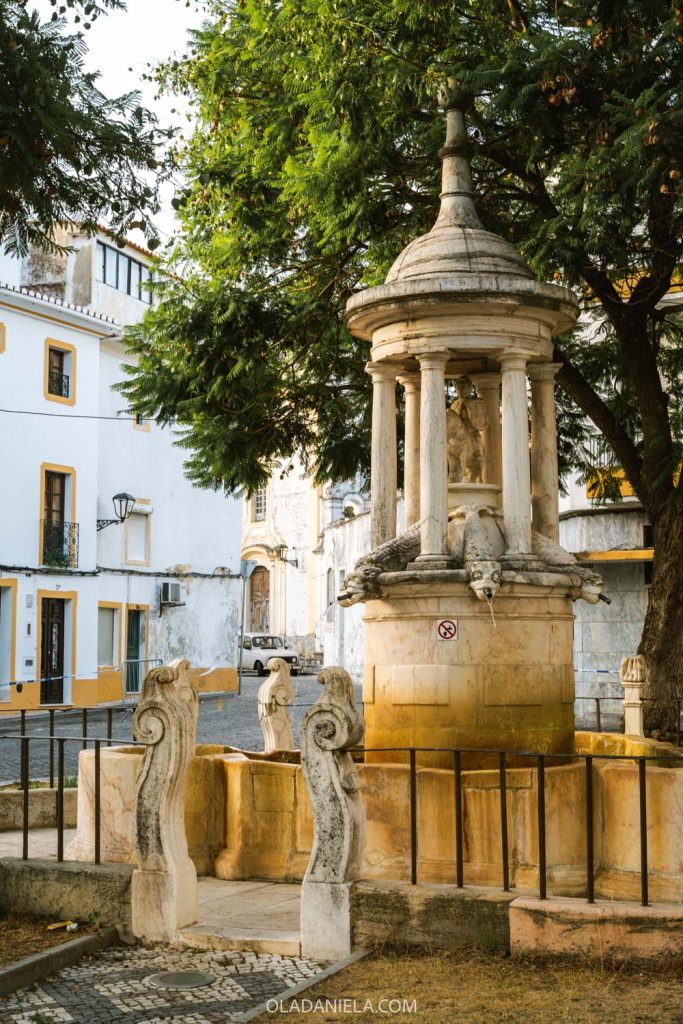
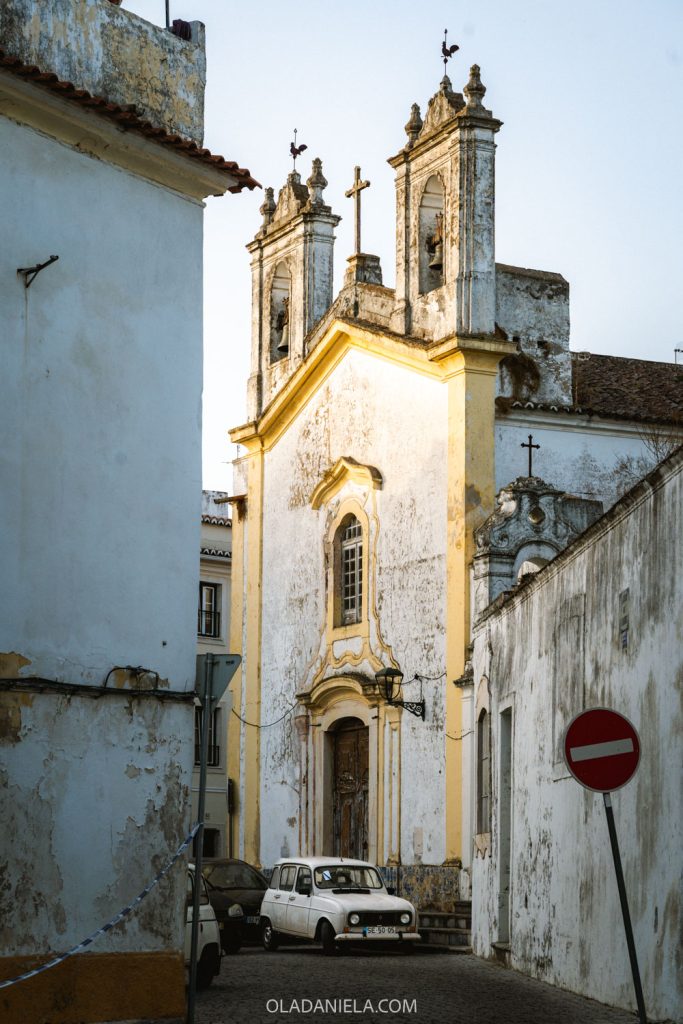
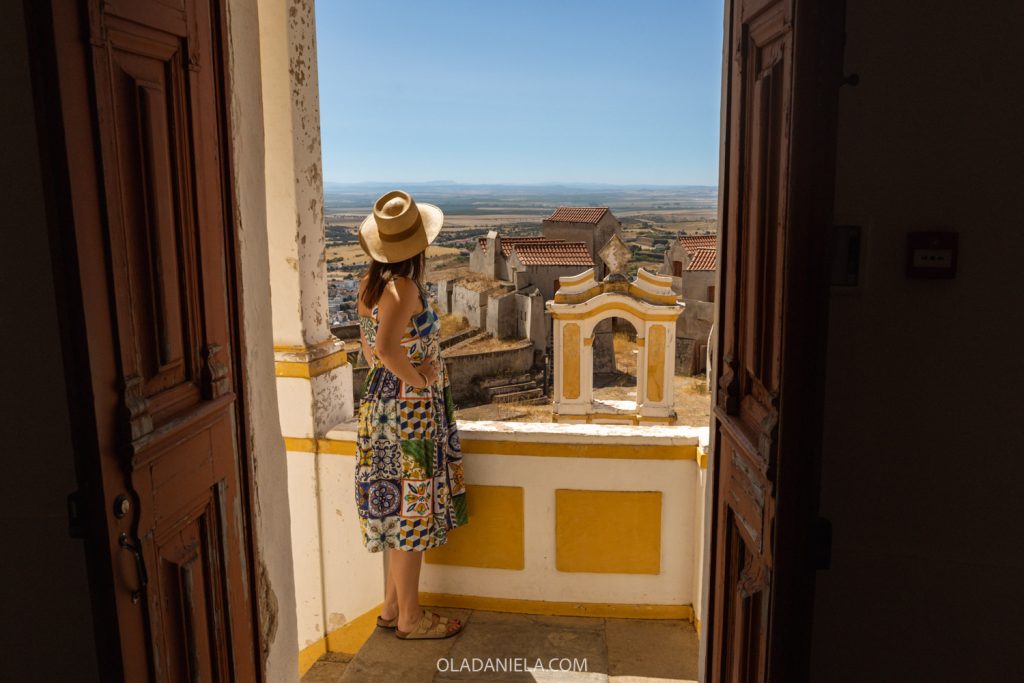
But step inside the walls and find it’s a stunning town too, filled with whitewashed houses, yellow trim and quiet cobbled lanes. Elvas is an easy stopover or day trip from Évora, Estremoz or Spanish Badajoz. But on my three visits I’ve discovered a city that rewards more than a quick look. If I had 24 (or even 48 hours) here, this is how I’d explore all of it.
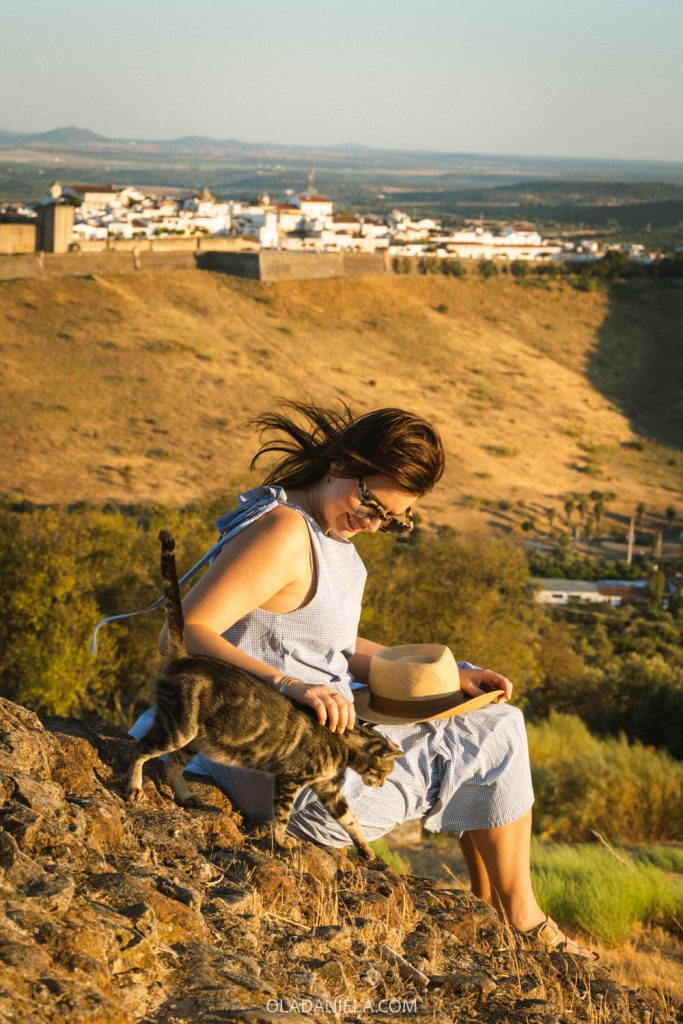
Where is Elvas, Portugal?
Elvas is a large town located 200km east of Lisbon in the heart of the Alentejo region. It’s a 2-hour drive from Lisbon along a fast and direct highway, which continues across the border to Spain. Elvas sits 20km from the small Spanish city of Badajoz.
Its more remote location keeps it off the main tourist circuit, so expect a more local vibe with good-value hotels and little tascas.
Quick Elvas overview
⭐Best things to do – Walk the walls, visit the Forte de Nossa Senhora da Graça, stop for a drink at Praça da República.
⭐ Best Elvas hotels – I’ve stayed at both Vila Galé Collection Elvas and Hotel São João de Deus (more about both below) and would love to stay at CASA d’OLIVENÇA next visit.
⭐ Where to eat – O Lagar and Adega Regional (book ahead!)
24 hours in Elvas
Morning: Walk the walls & climb the castle
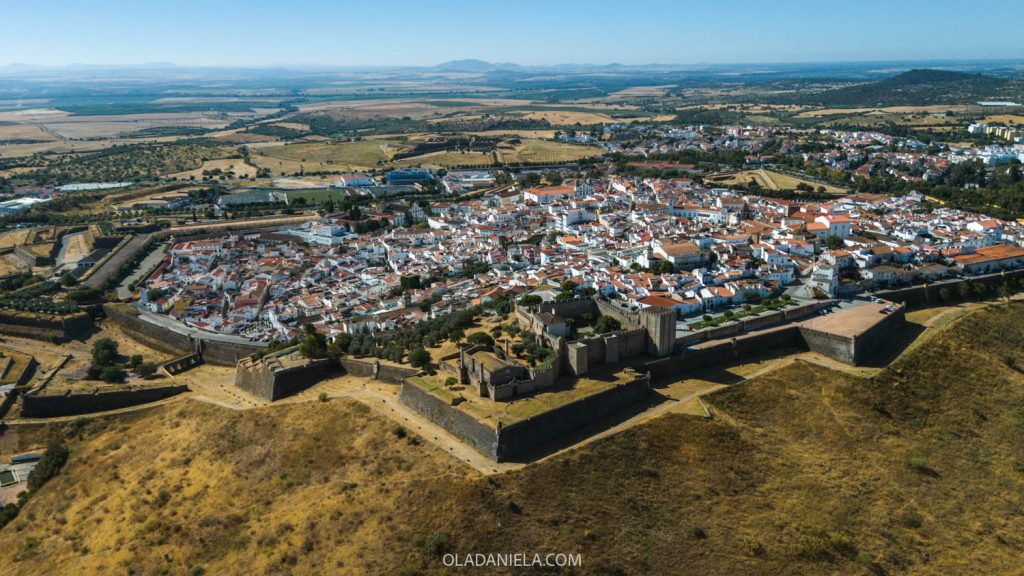
Start early, before the Alentejo heat sets in, and walk a stretch of Elvas’s star-shaped bastions – the dry moats and angled walls that make this the largest fortified town in Europe. Make your way towards the Castelo de Elvas, the compact medieval keep at the highest point of town.
En route to the castle, make a small detour down Rua das Beatas, a narrow whitewashed laneway where locals tend to dozens of potted plants and flowers – it’s gorgeous! If you don’t pop into the castle, pause at the Miradouro da Parada do Castelo de Elvas viewpoint next door, then step through the Arco do Miradeiro, a city gate that dates back to the Moors.
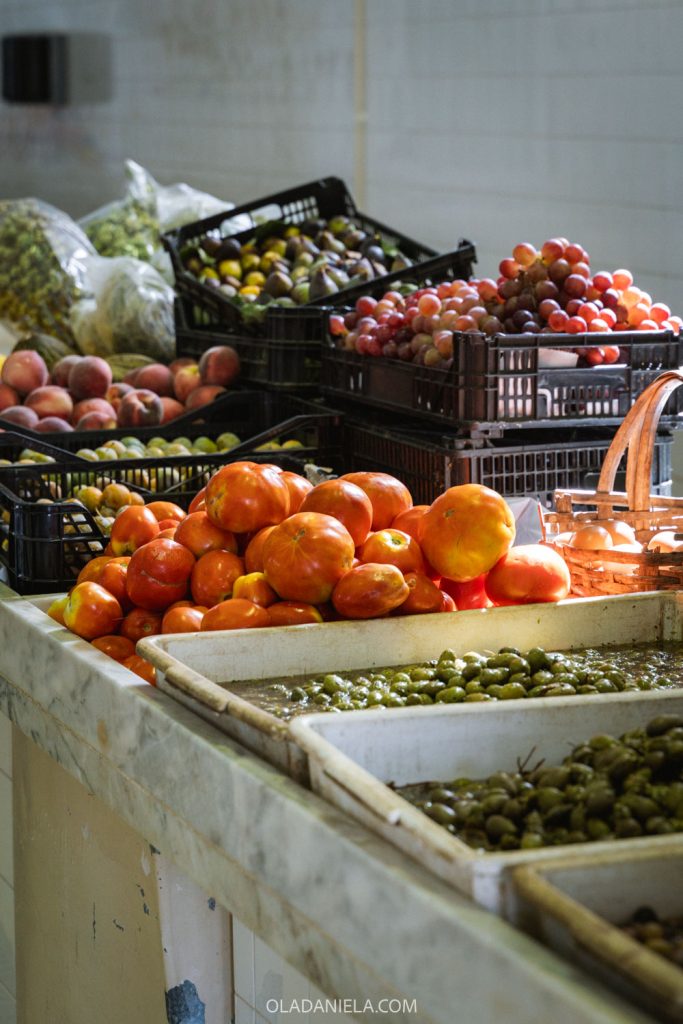
Bonus: If it’s a Saturday morning, pop into the local mercado to pick up seasonal produce, cheese, olive oil, wine or freshly baked goods.
Midday: Praça da República
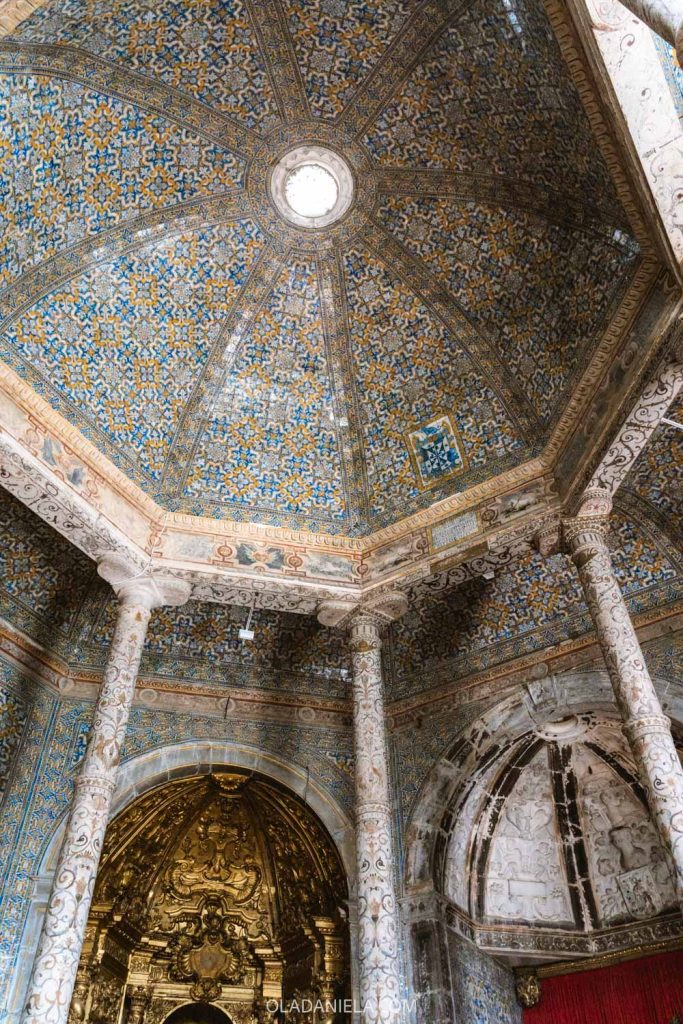
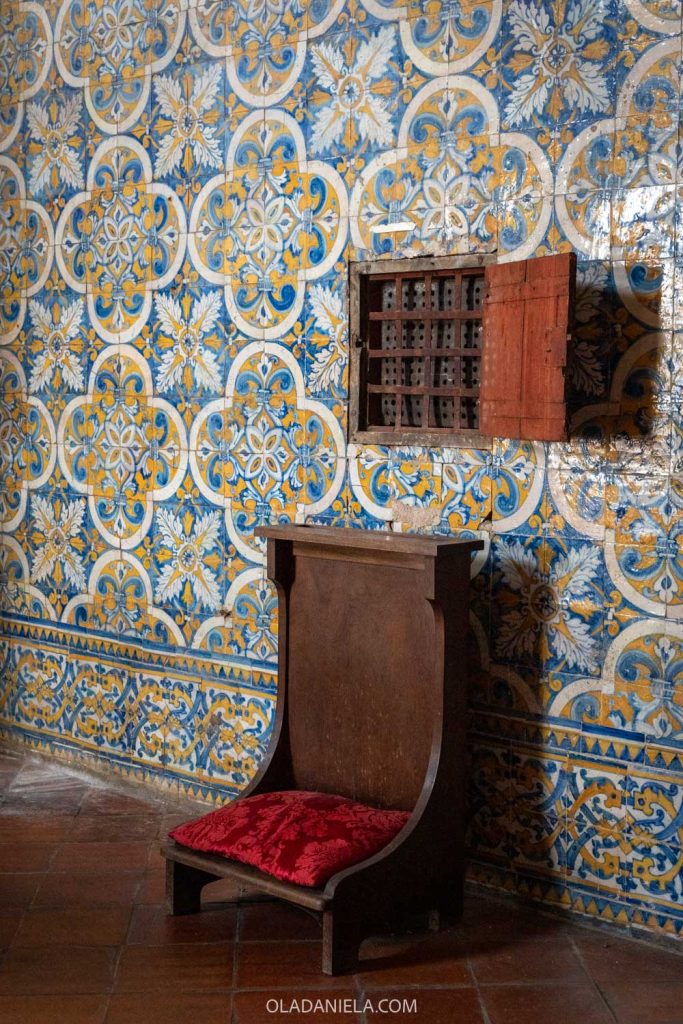
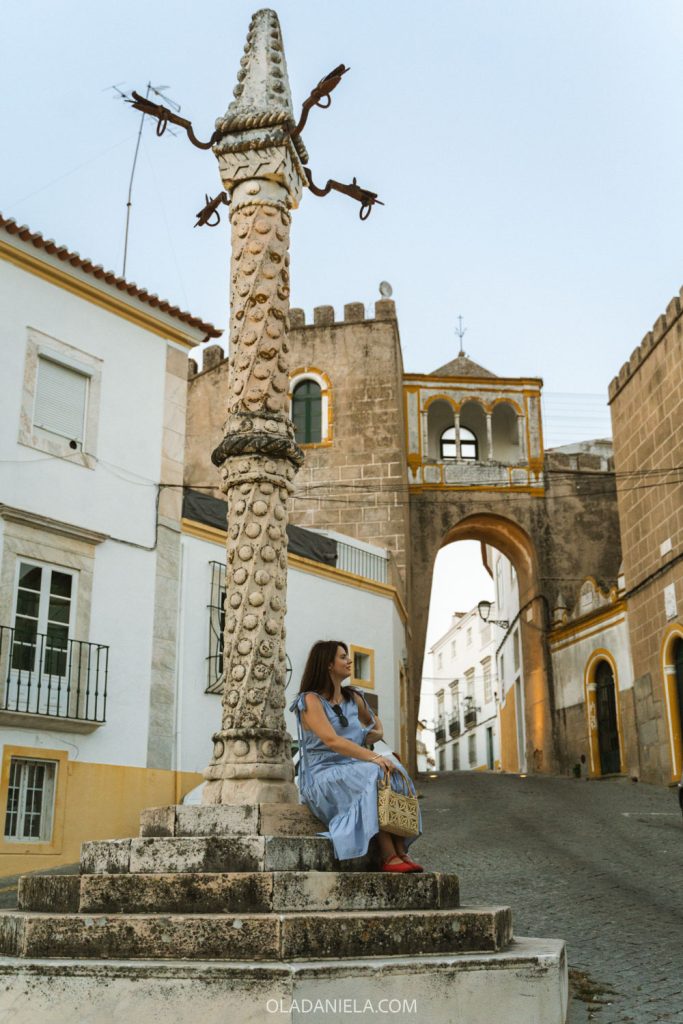
On foot, head down into Praça da República, Elvas’s main square, paved in diamond-patterned cobblestones. Pass by the town’s Pelourinho (pillory) and the Igreja das Domínicas, a unique church built between 1543 and 1557 with a centralised, octagonal floor plan. The most stunning 17th-century tiles cover the walls and ceiling of the whole space. Seriously gorgeous!
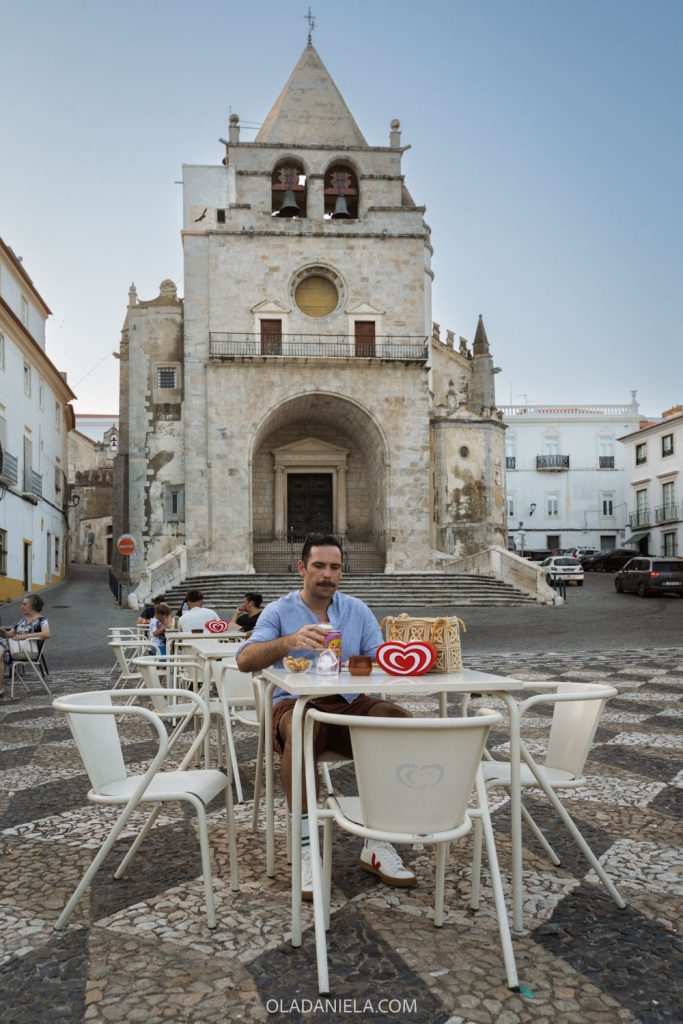
Praça da República is a great spot to slow down and people watch over a coffee. Sit down at one of the café tables spilling onto the square and watch Elvas go about its day. The Igreja de Nossa Senhora da Assunção anchors one end of the square – pop in if it’s open.
Tip: The first time I visited Elvas I bought my favourite-ever antique jug. An antiques flea market pops up in this square every Monday!
Lunch: Taste the Alentejo
I have a soft spot for Alentejo gastronomy, and I have a lot to say about it. Find suggestions for lunch below in the where to eat section below.
Just be sure to save room for sericaia with ameixas de Elvas. This egg-based sponge cake is my favourite traditional sweet in Portugal. It’s from Elvas and is often served with these little once-green preserved plums that the town is also famous for. You’ll find it on most menus!
Afternoon: Storm the Forte de Nossa Senhora da Graça
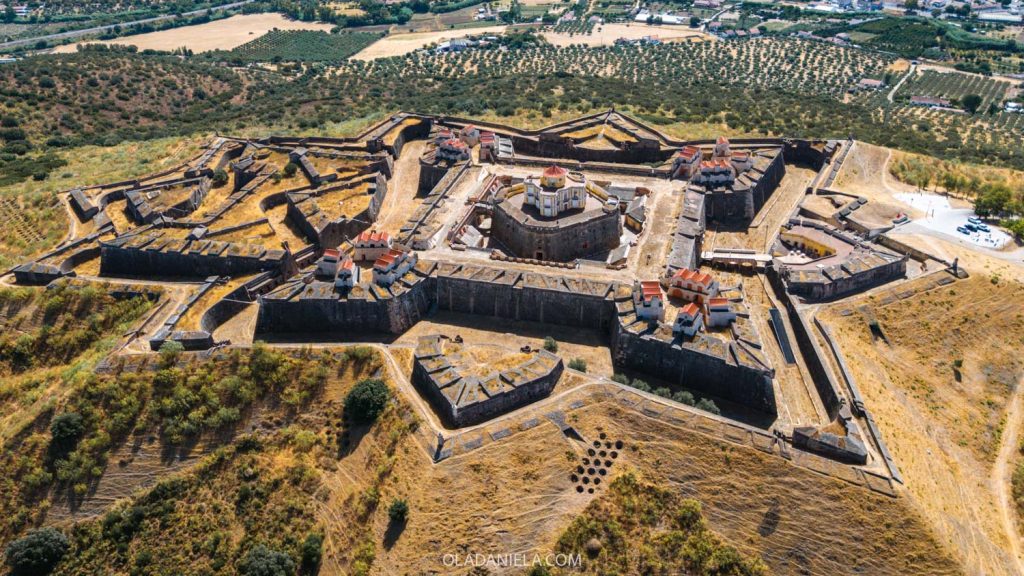
A short, 5-minute drive out of the centre, Forte de Nossa Senhora da Graça is a late 18th-century masterpiece of military engineering. This star-shaped fortress sits on the highest hill and was built to hold its own against a Spanish siege after a long run of wars.
There are so many layers to the fort itself. Climb the steep grassy slopes, step across a dry moat, through bastions and ravelins until you reach the citadel at the centre.
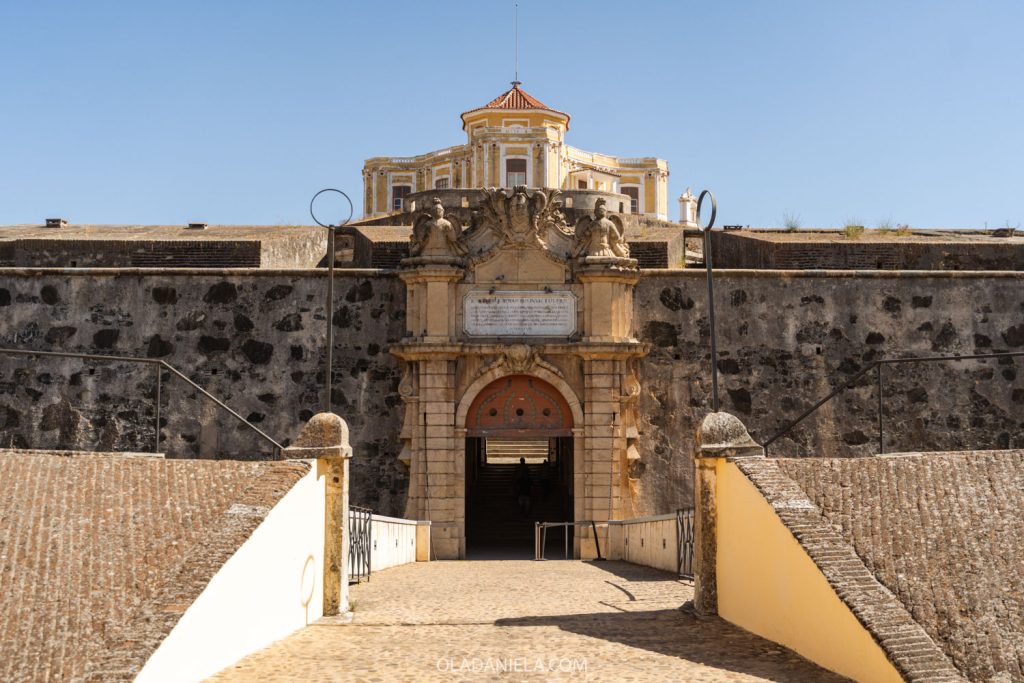
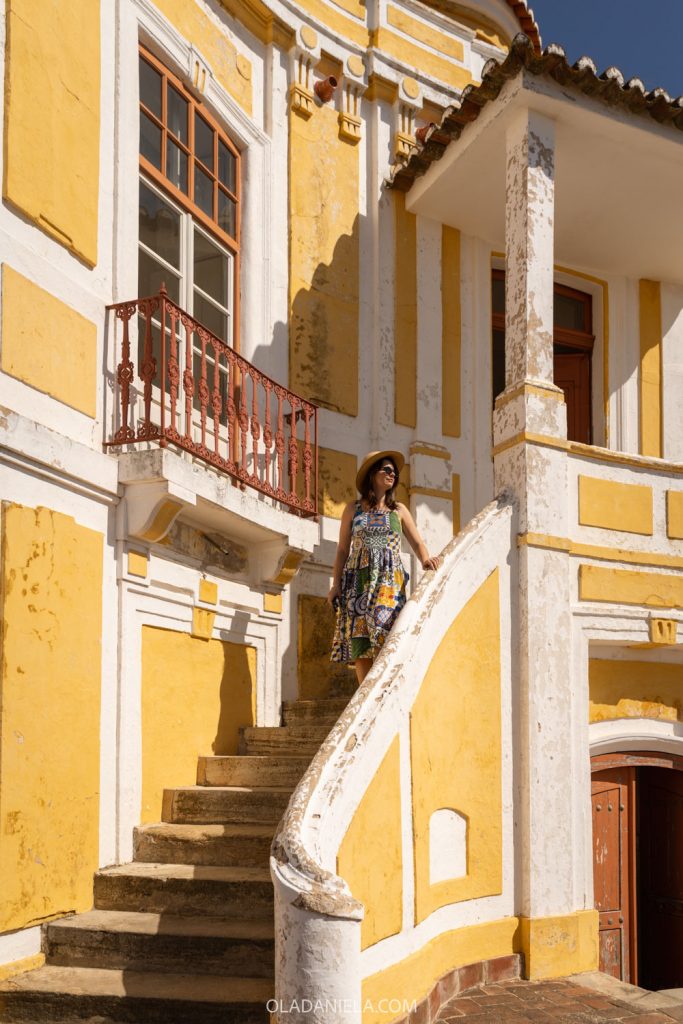
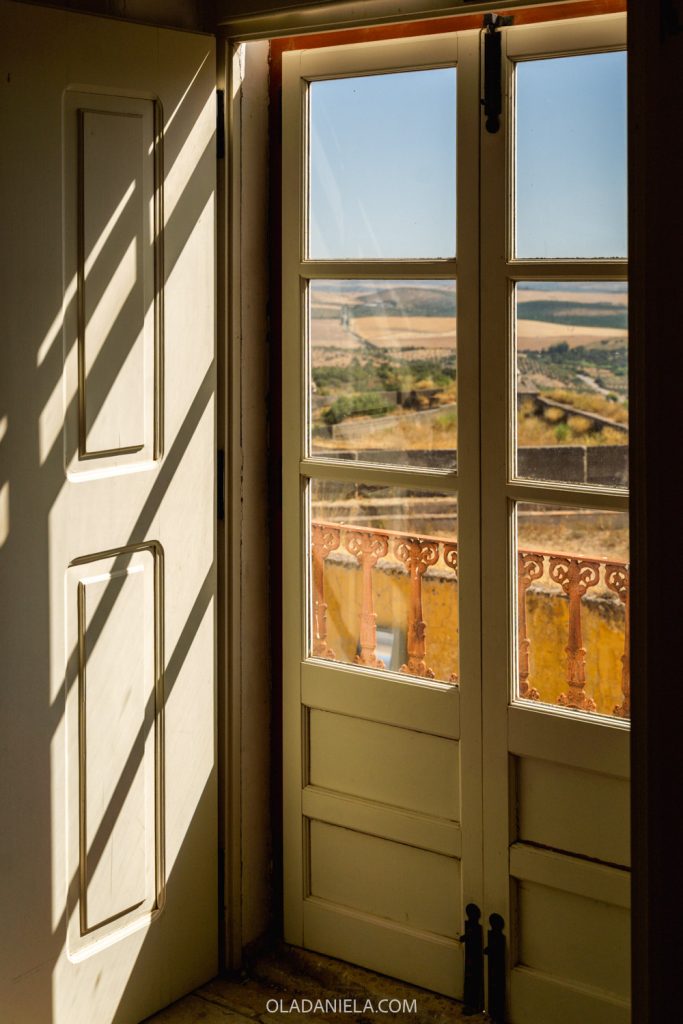
The fort is an open book so you can pretty much wander wherever you like, including up to the top terraces of the yellow governor’s house. Standing at this higher elevation you’ll gain a perspective over the fort’s layers. Take a moment to imagine what it was like being a soldier here centuries ago, all while taking in a sweeping panoramic view back over Elvas and the surrounding plain.
This fort was built to back up the existing walls of Elvas and smaller Santa Luzia fort, creating a line of defense that was never broken. It was restored in the 2010s. You can get entry tickets at the door, or email ahead to request a guided tour for a few euro more (I’ll definitely do this next time!).
Note: opening hours change slightly between winter and summer too.
Too hot for the fort? If it’s summer, go in the morning – there’s very little shade up there. In the afternoon, instead visit the air-conditioned António Tomás Pires Museum of Archaeology and Ethnography. It’s a modern, well-done museum that offers insight into the 20th-century lives of the locals and looks at the history of Archaeology in Portugal.
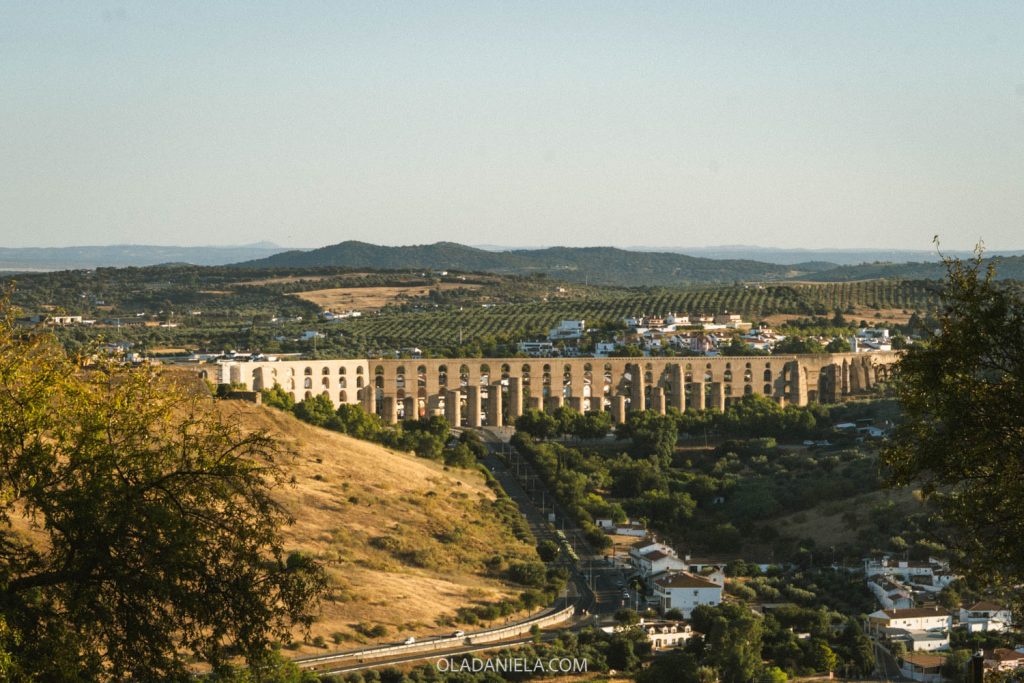
Tip: Make sure you drive or walk under the Amoreira Aqueduct. This impressive 7km-long structure was built by Francisco de Arruda (the same architect behind Lisbon’s Torre de Belém).
Evening: Sunset from the walls and a hearty dinner
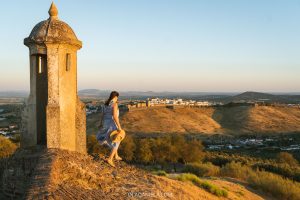
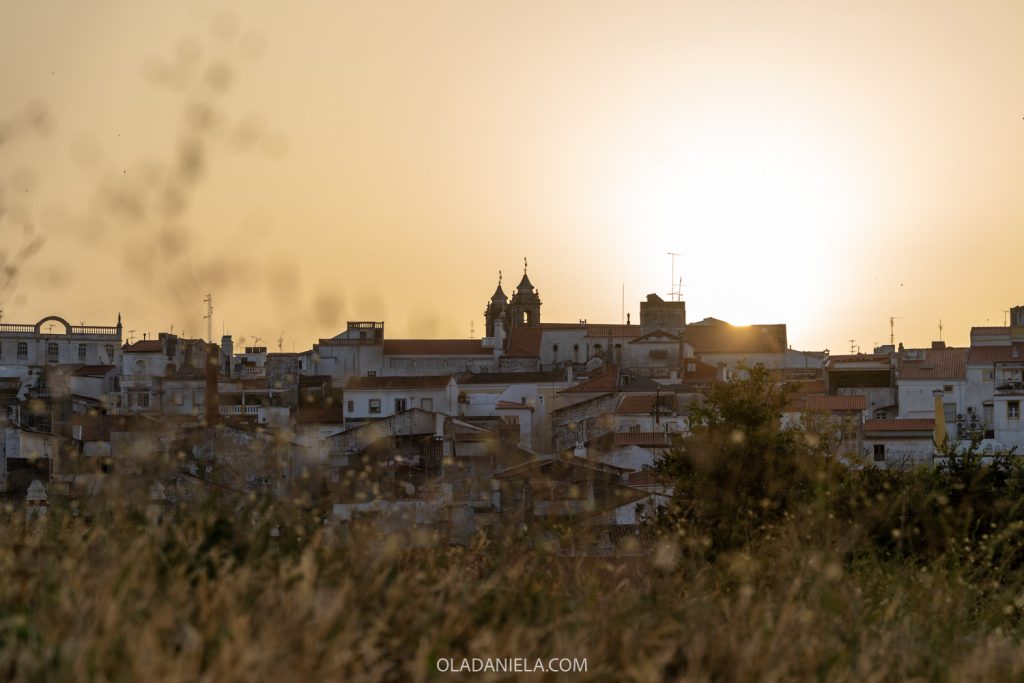
There’s something about an Alentejo sunset that feels slower and heavier than most, the whole sky turning amber and rose. As the heat of the day finally lifts, climb back up onto Elvas’s ramparts and take in this scene at golden hour. Look out to the Forte de Nossa Senhora da Graça with a patchwork of olive groves, cork trees and farmland stretches out across the plain.
Once the light’s gone, head down into the old town for dinner – hearty Alentejo cooking, of course. Maybe another slice of sericaia (definitely!).
Map of Elvas
More things to do and see in Elvas
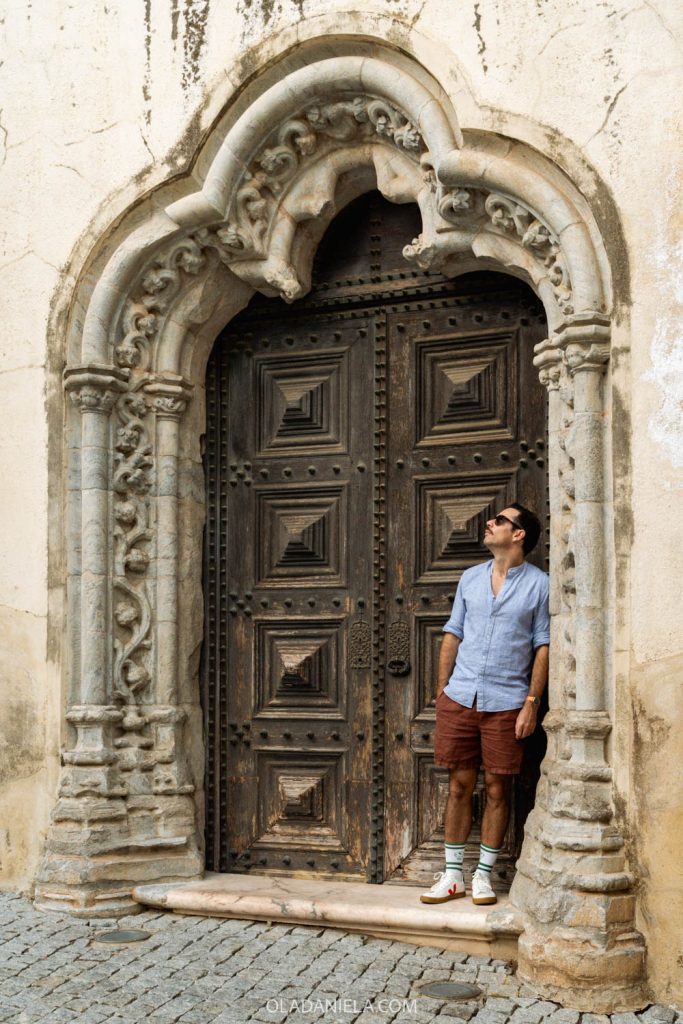
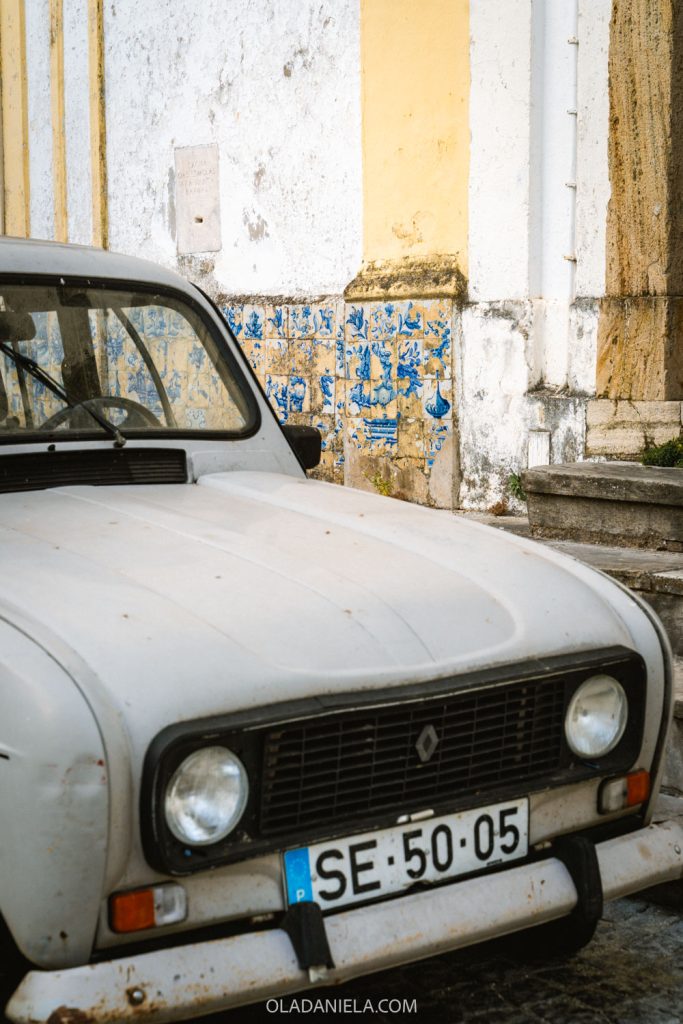
- Forte de Santa Luzia: The smaller of Elvas’s two outlying star-shaped forts houses a small military museum with artefacts.
- Museu Militar de Elvas: But if you really want to explore the city’s military history, this larger museum has vehicles, horse armour, uniforms, weapons, models and more.
- Saturday market: The old Casa das Barcas (military boat house) is now the public markethall. Pop in on Saturday mornings.
- António Tomás Pires Museum of Archaeology and Ethnography: Gorgeous, quiet, air-conditioned museum that details both the history of archaeology in Portugal and documents 20th-century life in Elvas.
- British Cemetery: wander one of the oldest British military cemeteries. Resting there lies the remains of men killed in battle during the Peninsular War (1807–1814).
- & former synagogue (Jewish quarter history).
- Former Synagogue (Casa da História Judaica de Elvas): Elvas had a large Jewish population and it’s thought that this spot was a large medieval synagogue. Museu de Arte Contemporânea de Elvas: city art gallery
- Casa da Cultura / Antigos Paços do Concelho: Cultural space that sometimes has temporary exhibits. The interiors look absolutely gorgeous.
- Day trip to Badajoz, Spain: It’s a short drive to this sizable Spanish city. If you don’t go for tourism, go for petrol – gas is cheaper in Spain!
- Padrão da Batalha das Linhas de Elvas: This 5-metre-high marble post is a monument to commemorate the victory that marked Portugal’s independence in 1659.
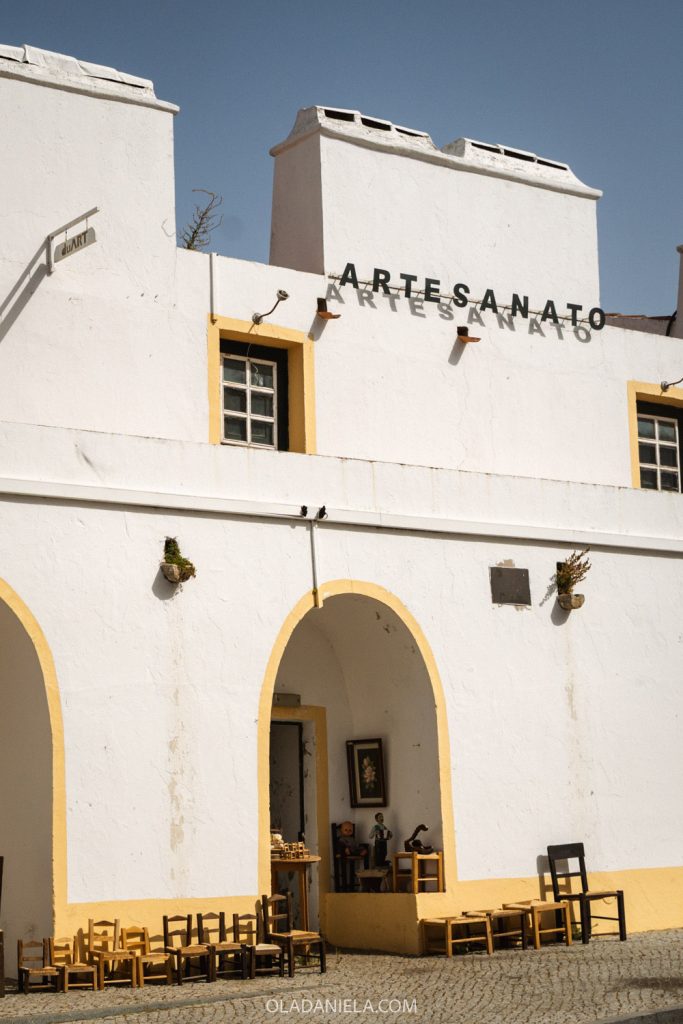
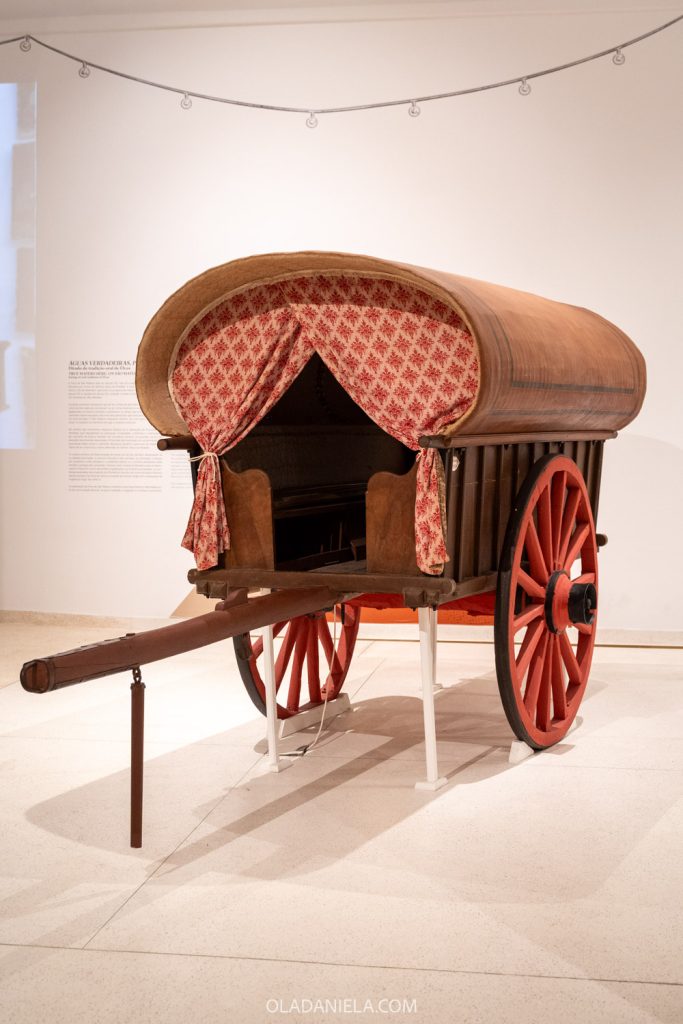
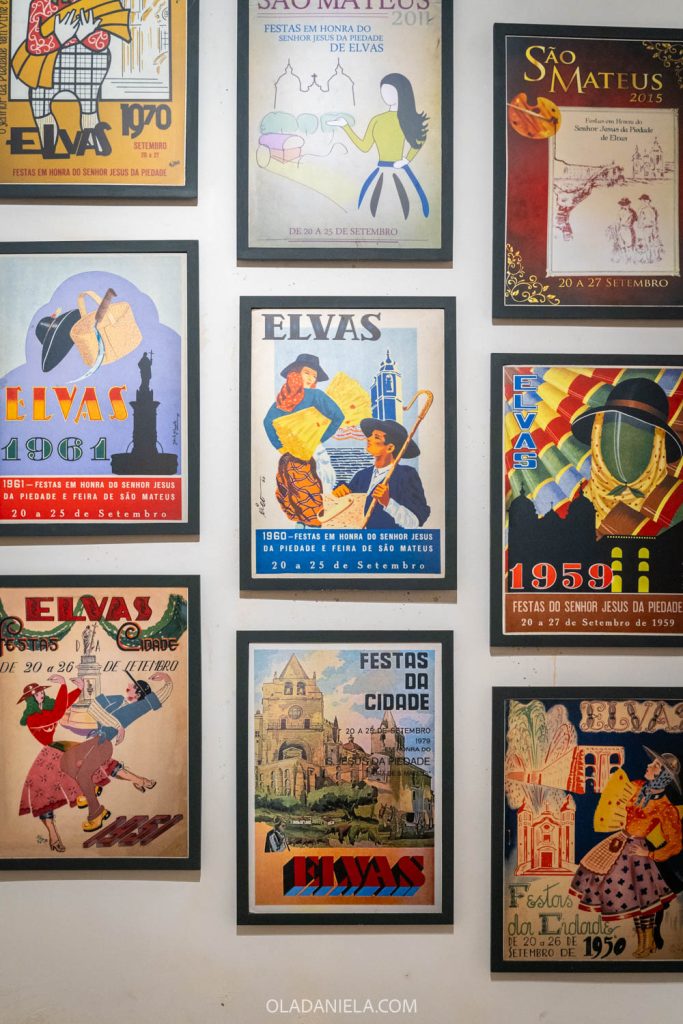
Where to stay in Elvas
I’ve visited Elvas three times and stayed twice now at two very cool historic hotels. Here’s where I’d point you, plus a couple of other solid picks worth knowing about.
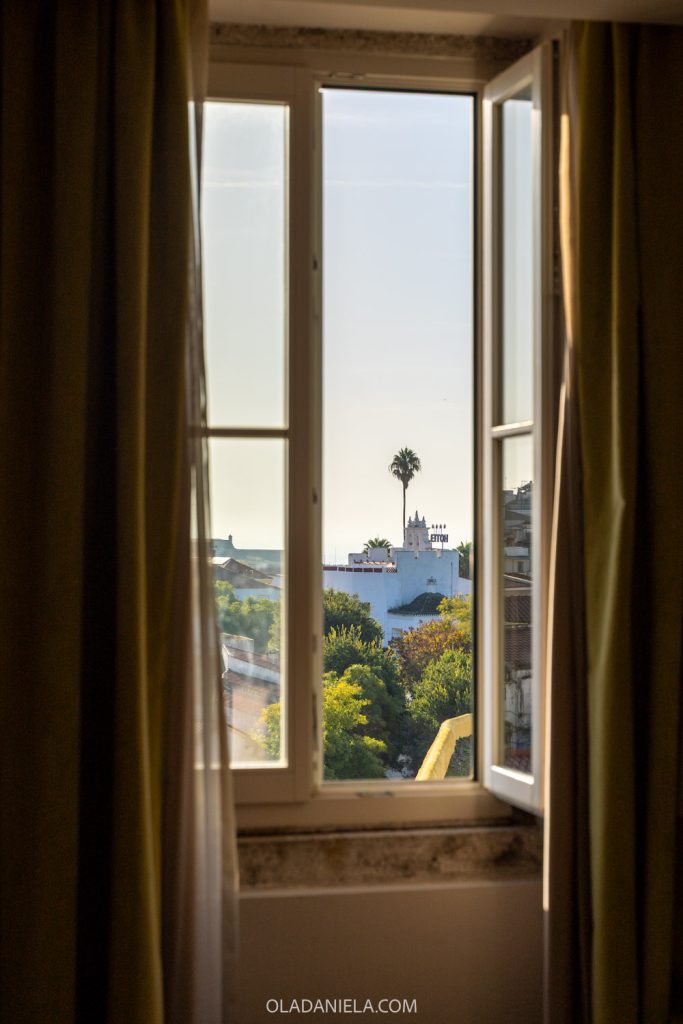
- Vila Galé Collection Elvas (I’ve stayed here!) — this 4-star hotel has given a modern makeover to the historic São Paulo Convent. There are 79 rooms, an indoor and outdoor pool, spa, sauna, two restaurants and views across town.
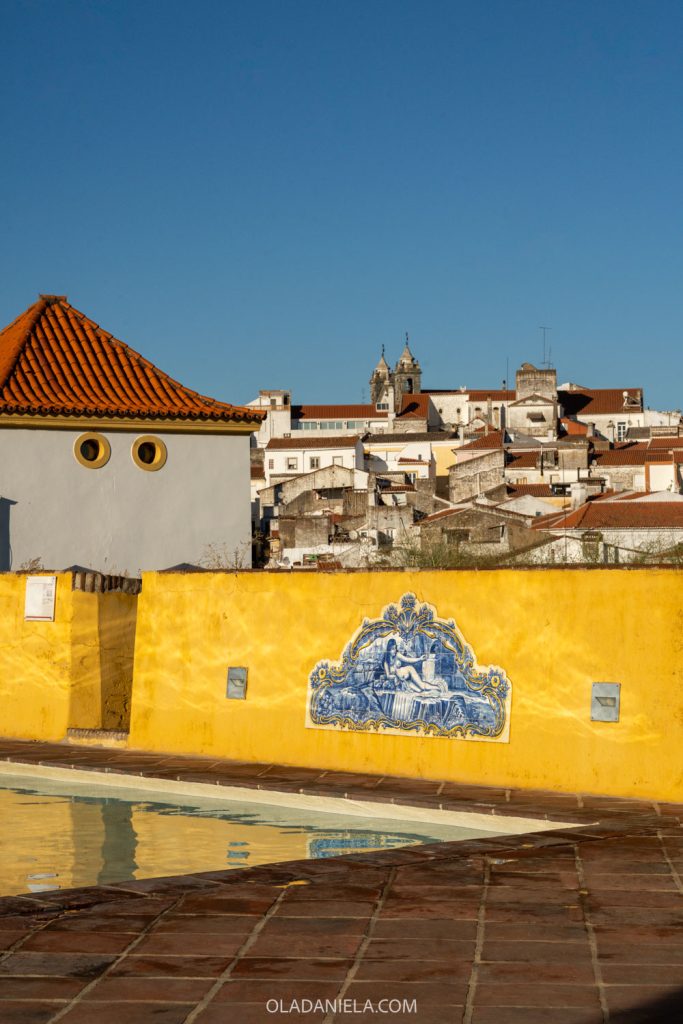
- Hotel São João de Deus (I’ve stayed here!) — This converted 17th-century convent feels more historic. Enjoy shady gardens and a pool with views over the walled town. Full of character, and unbeatable for location and free parking.
- Hotel Dom Luís — A solid, well-reviewed mid-range option in the historic centre. This 3-star hotel is also pet-friendly!
- CASA d’OLIVENÇA — absolutely gorgeous adults-only guesthouse with 5 rooms and a rooftop pool and terrace. This is high on my to-stay list!
- Alcamim Guesthouse — simple family-run guesthouse with a handful of rooms in the old town.
Where to eat in Elvas
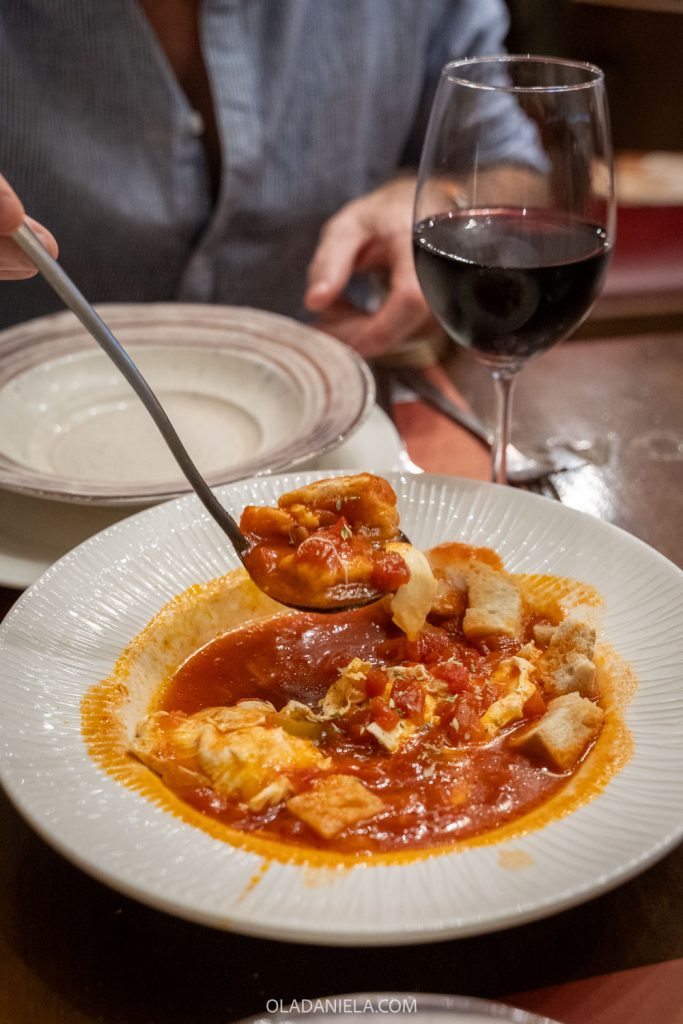
My top reason to visit the Alentejo (again and again) might be the food. Regional Alentejo gastronomy has lots of dishes you don’t find elsewhere, like Açorda à Alentejana (garlicky, coriander broth with poached egg and bread) or sopa de tomate alentejana (tomato soup with poached egg).
I’ll argue grilled porco preto (black pork) with its marbled, dark pork meat is the best in the world. Order it paired with migas (bread-based side, like stuffing), or try the local specialty bacalhau dourado – golden, egg-and-crispy-potato cod invented right here in Elvas.
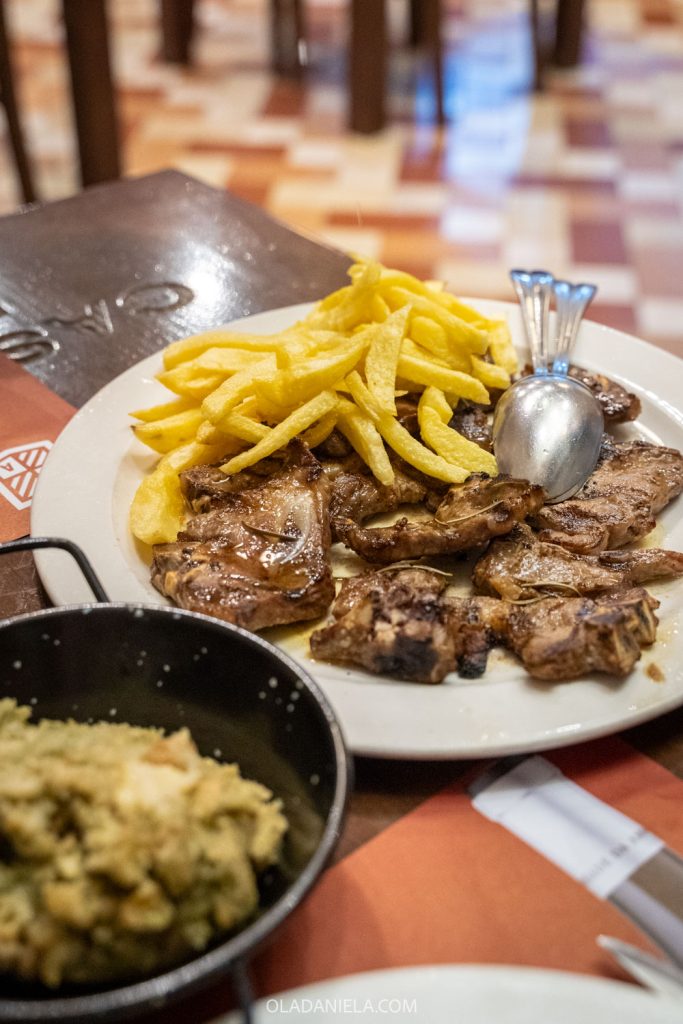
And finish with my favourite dessert in the whole country: sericaia com ameixas de Elvas (a warm, cinnamon-spiced eggy sponge cake served with syrup-soaked green plums).
Here are the restaurants in Elvas I’ve tried, tested and can recommend.
- Adega Regional (must reserve) – this fantastic restaurant serves plenty of traditional Alentejo dishes and occupies a building from 1650. There are 140 seats, but you’ll need to reserve a table at least a day or two ahead of time. Here you can try borrego assado (roast lamb), sopa de cação (dogfish soup), sopa de tomate (tomato soup with poached egg), bochechas de porco preto (black pork cheeks) and more.
- O Lagar – I absolutely loved our lunch at O Lagar. Here the traditional Alentejano restaurant offers huge portions and great value. We order a main each, but honestly could have shared one plate of grilled porco preto between us. It was ~maybe~ the best grilled black pork I’d ever had, so I wasn’t upset about it.
- Golden Hour – For more of a chic date-night feel, Golden Hour offers reasonably priced Alentejo and Portuguese gastronomy with a little flair, nice service and a good vibe.
- Taberna do Adro – in a neighbouring village called Vila Fernando lies this tiny, ridiculously cute Alentejo restaurant. Call ahead for a table and enjoy the tiny space covered in vintage plates and antiques. The short menu is super different to other traditional spots with even more unusual dishes.
How to get to Elvas
By car: The easiest option – from Lisbon, take the A6 motorway east (around 2 hours), continuing on the A6/IP7 past Estremoz and Évora. Elvas is also just 15 minutes from the Spanish city of Badajoz.
By public transport: The fastest shared transport option to Elvas is a Rede Expressos coach – you can catch these from Lisbon, Évora etc. Elvas also has its own station, Elvas-Fontainhas, with a few daily services – but it is a slow journey. From Lisbon, you route via a train change at Entroncamento, taking about 3.5h all up.
FAQs about visiting Elvas
Is Elvas worth visiting?
Yes, it’s really cool this huge fortified town and underrated UNESCO site up close. I’d suggest pairing it with Estremoz and Évora on an Alentejo road trip.
How many days do you need in Elvas?
One day covers the historic centre comfortably, while two days lets you add both outlying forts, a museum or two and you can adopt a slower pace.
Can you do a day trip to Elvas from Lisbon?
A day trip would be a stretch. Elvas is around 2 hours from Lisbon by car, so it works better as a stop or add-on to a longer Alentejo trip, rather than a single-day round trip. Évora makes a much easier day-trip base – it’s a 1-hour drive.
Is Elvas or Évora better to visit?
Both are UNESCO-listed towns in the Alentejo with historic centres filled with whitewashed buildings trimmed with mustard paint…. But the two are so different. Évora is more polished, has a bigger town centre and a variety of sights. Elvas is smaller, quieter and just as charming, but with the fortress system that will interest history buffs.
Can you visit Elvas and Badajoz, Spain together?
100% yes. Badajoz is a small Spanish city just 15–20 minutes away by car. It’s a bigger city, with a population of around 150,000, so there is lots to do and see… and petrol is cheaper in Spain.
What’s the best time of year to visit Elvas?
Spring and autumn, for sure. Summer heat in the Alentejo is intense – you’ll want to be by a pool or napping in air conditioning on hot afternoons.
Is Elvas walkable?
The historic centre of Elvas is super walkable, but parts are hilly and the cobblestones get tiring. Comfortable shoes are non-negotiable! The outlying forts are better reached by car or taxi than on foot.
Check out my other Alentejo guides
- Guide to the Alentejo
- 18 best places to visit in the Alentejo: prettiest villages, towns and cities
- Portuguese artisans: 10 traditional crafts from the Alentejo
- 48 hours in Évora
- 48 hours in Monsaraz
- Best things to do in Estremoz
- 24 hours in Arraiolos: Rugs, food & wine
- Portugal’s pottery village: Why you should visit São Pedro do Corval
- 20 best things to do in Évora, the Alentejo capital
- Bottomless wine and secret cellars: Redondo’s tasca and talha trail
- Where to eat in Évora
- Explore Redondo, Portugal’s best-kept pottery secret
- Where to shop in Évora
- 1-Day hike: The most beautiful section of Portugal’s Fishermen’s Trail
- Meet Portugal’s last cowbell makers