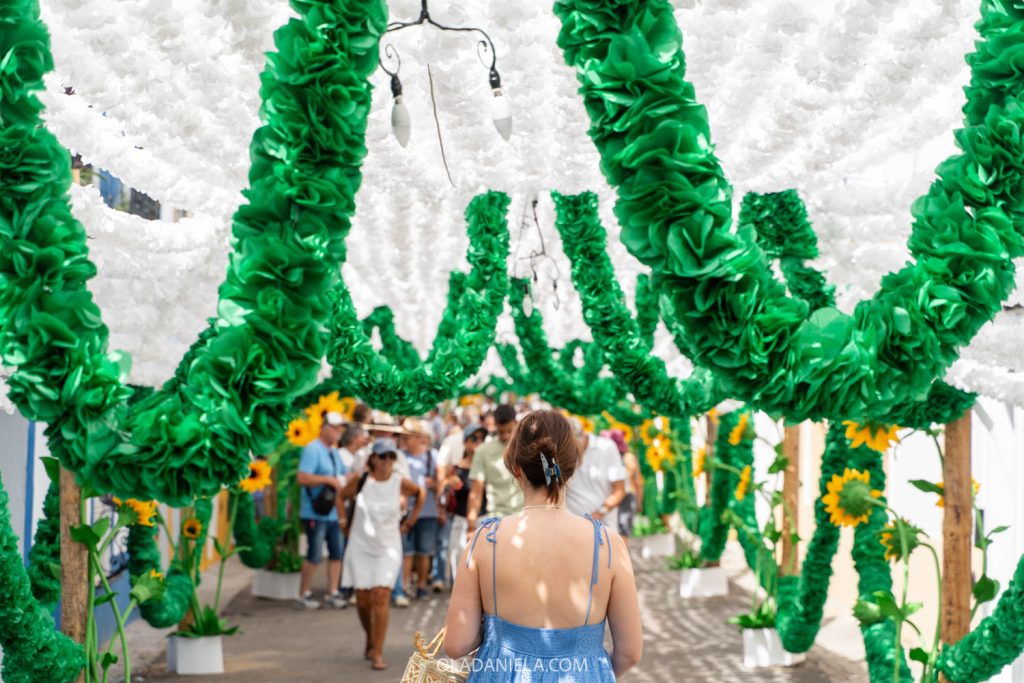
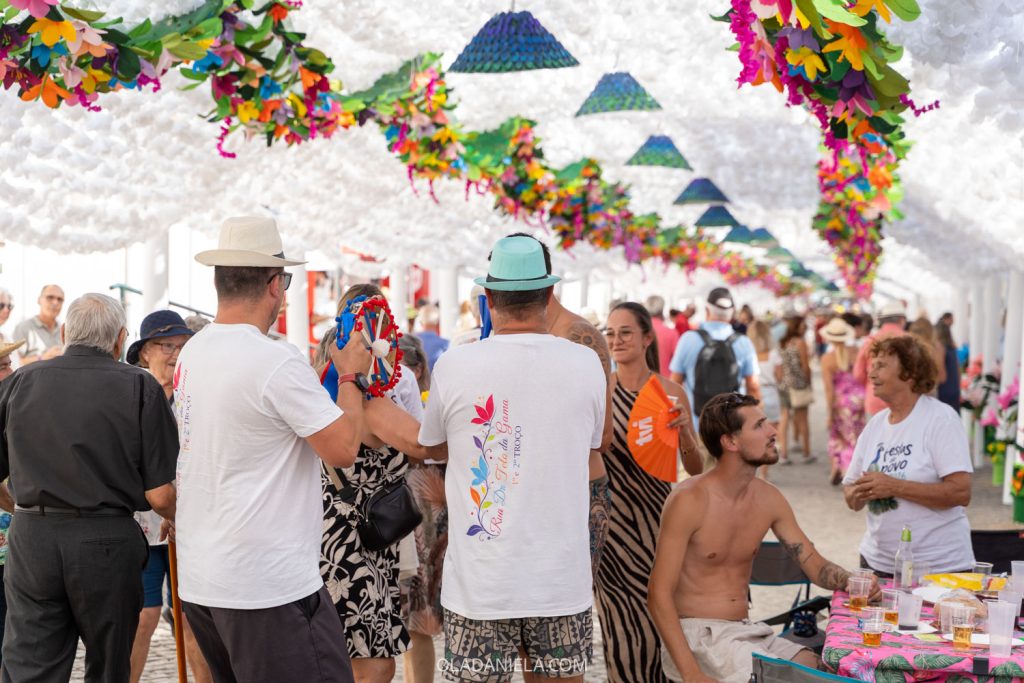
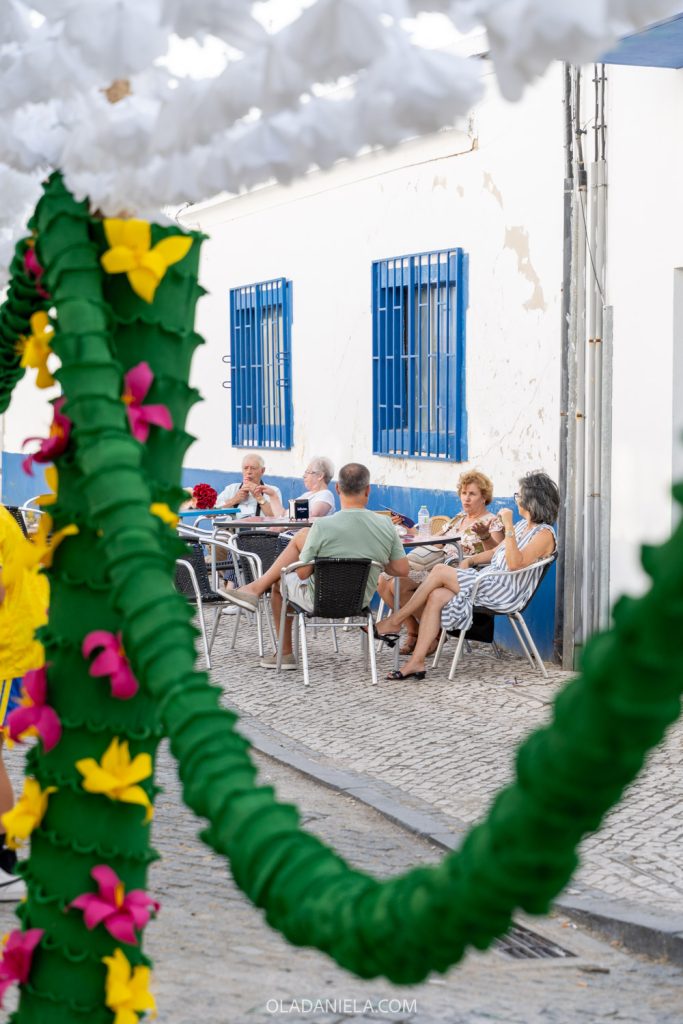
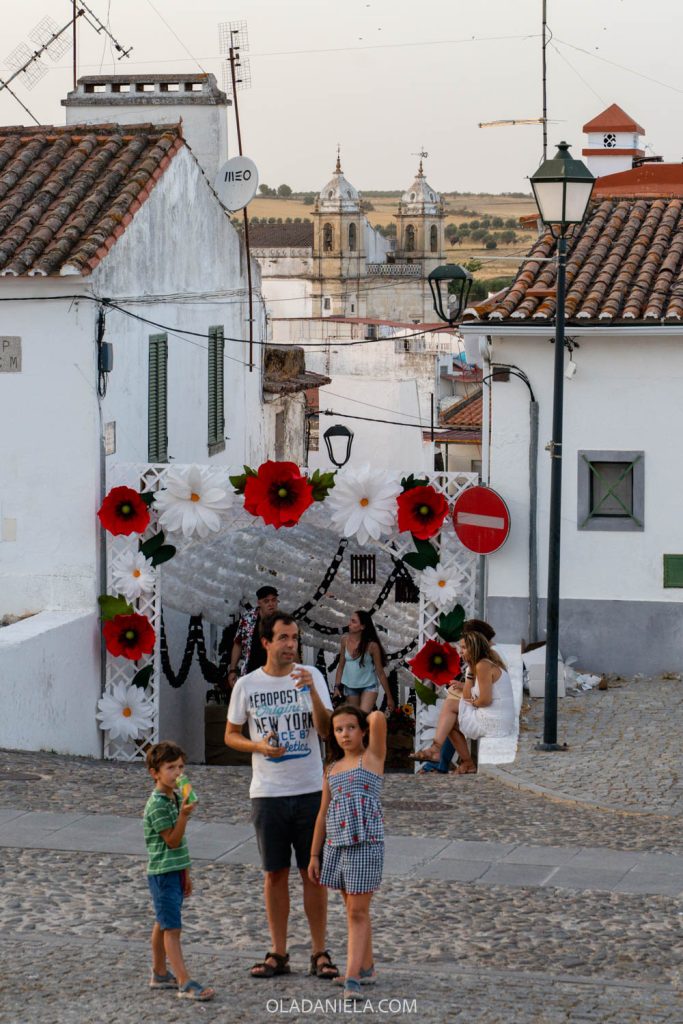
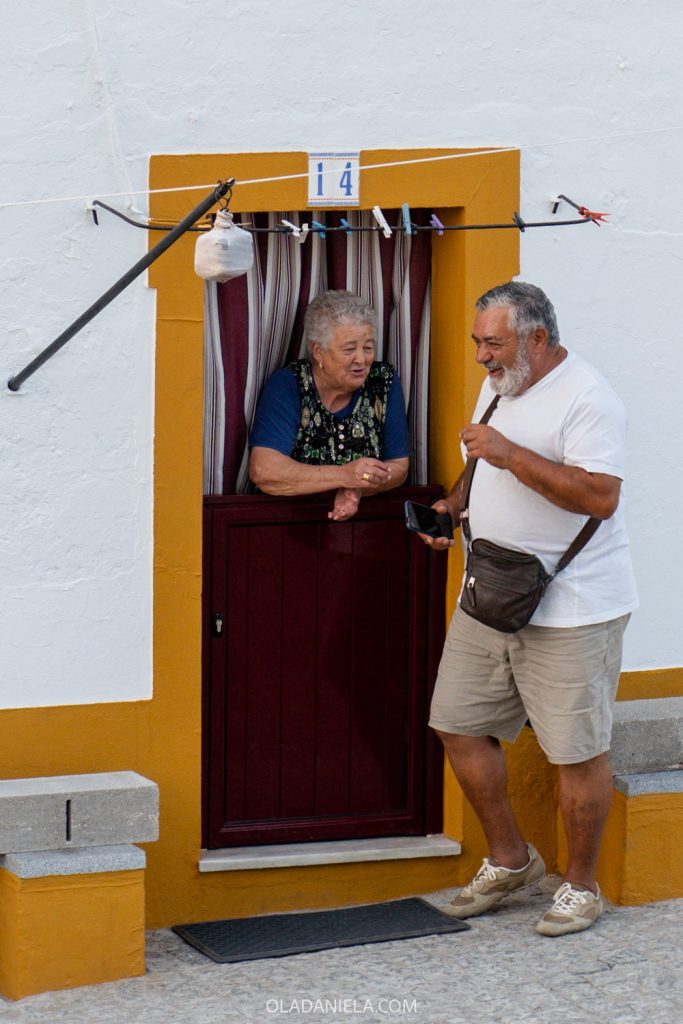
Paper flowers rustle overhead as we turn one corner, then another, then another, through a maze of almost 100 narrow streets covered in a handmade kaleidoscope of colour. Castanets click. A tambourine trailing bright ribbons taps out the rhythm. Neighbours sit on plastic chairs dragged onto the cobblestones. Beaming locals lean out their windows, watching their town come bursting alive for the first time in 11 years. For the next nine nights, the streets are their lounge room too.
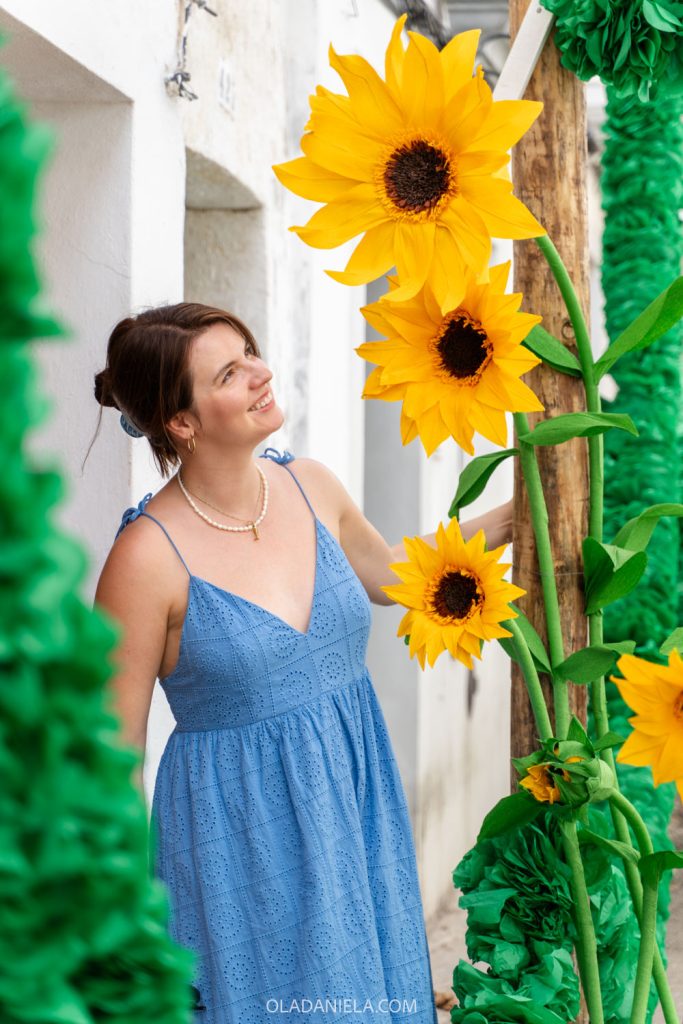
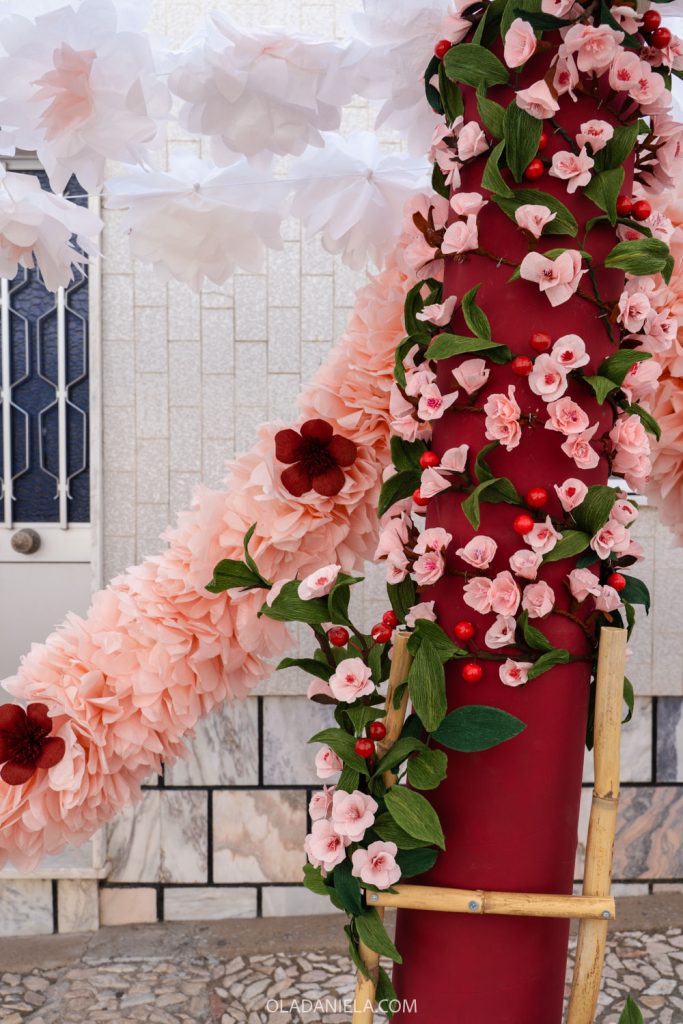
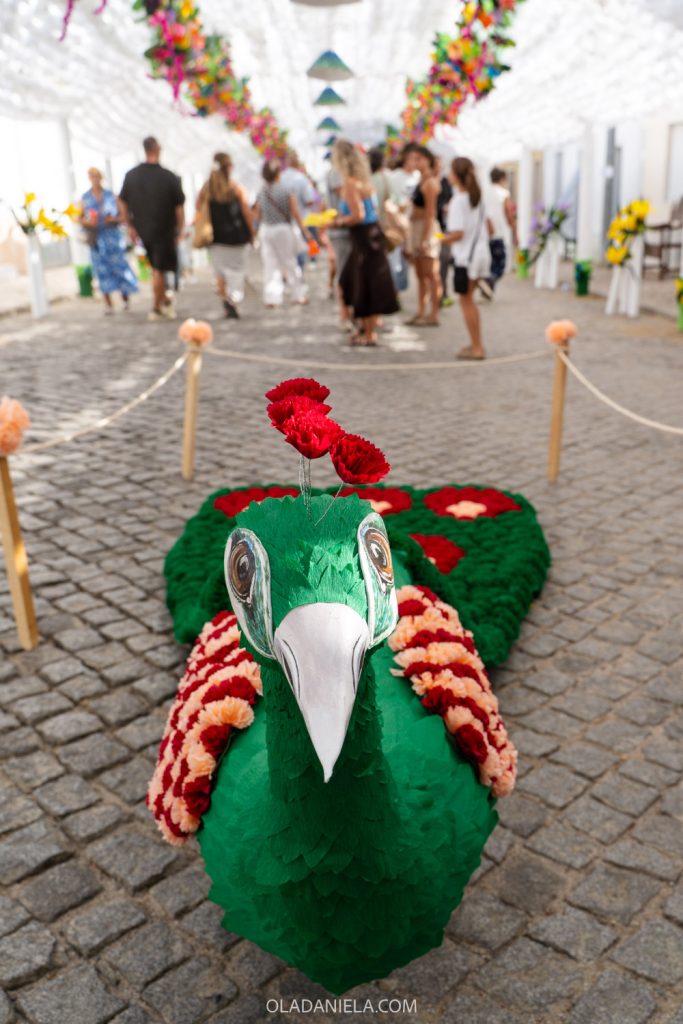
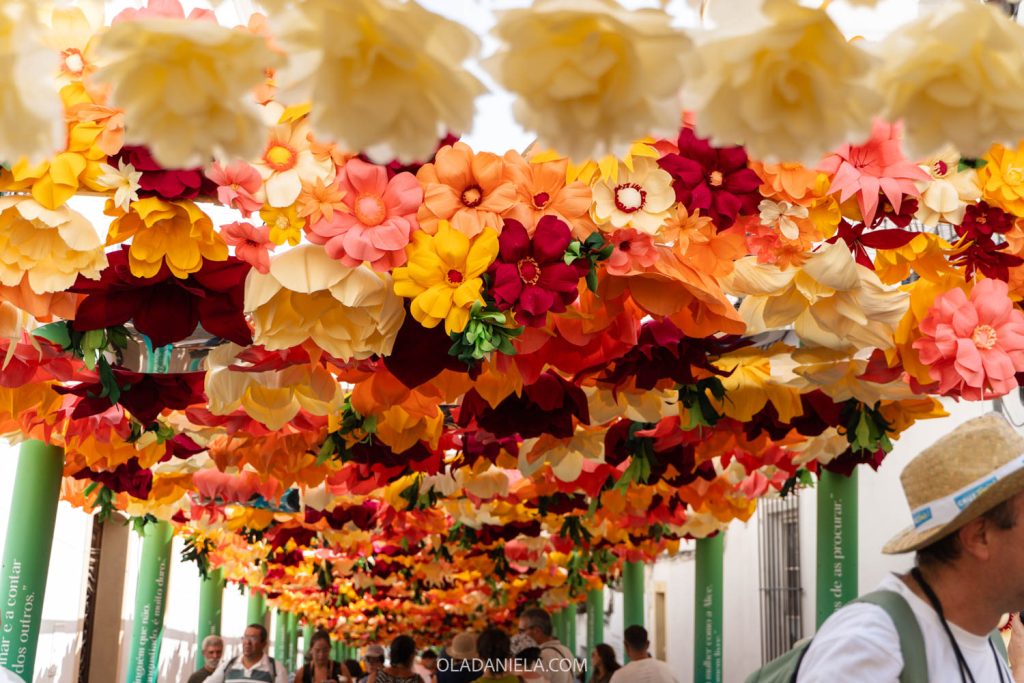
I crouch to touch a petal and check it’s really paper. On the next street we admire the centre of a giant sunflower, hundreds of pieces of tiny twisted crepe paper making its centre lifelike. From a metre away you could be fooled.
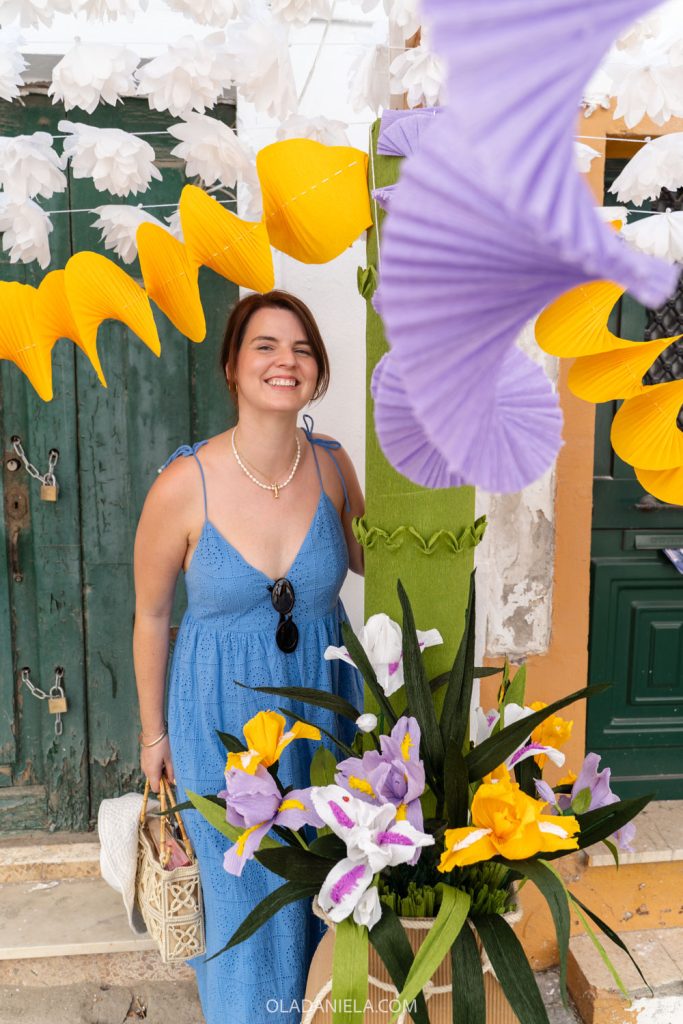
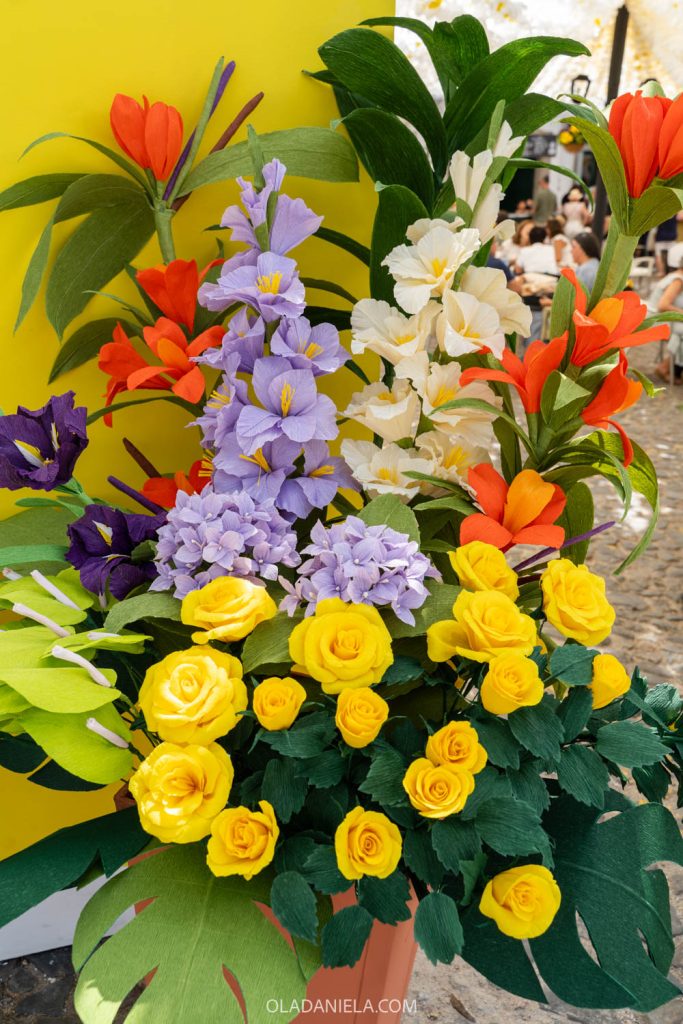
Above, strings of rougher paper blooms hang in white, pink, blue, yellow, purple and green, built to block the frankly brutal Alentejo sun. Six thousand hands came together to make these millions of paper flowers, turning the town into a festival of flores.
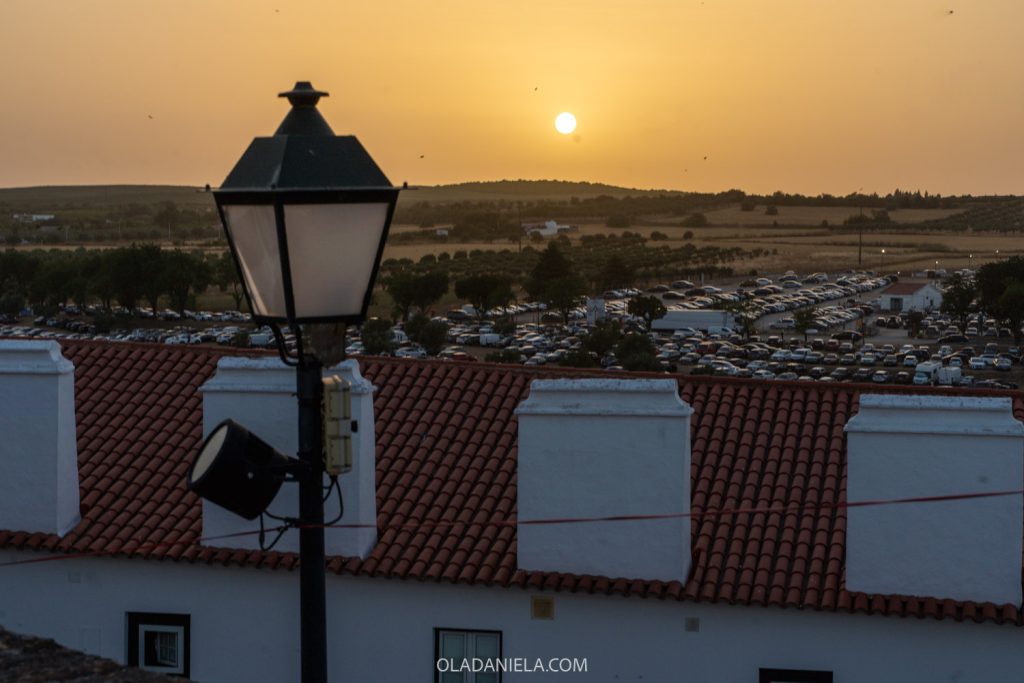
The heat finally breaks. We climb toward the castle and see the fields beyond Campo Maior catch fire in the last light…
📍 Campo Maior, Alentejo, Portugal
📅 8–16 August 2026
🎟️ €10/day, or €15 for a weekly pass
🌸 Millions of handmade paper flowers, made by ~6,000 residents
🕰️ Last held in 2015 – no fixed schedule, it happens only when the town decides
🏆 UNESCO Intangible Cultural Heritage of Humanity since 2021
🚗 ~2hrs from Lisbon, ~20 mins from Elvas
What is the Festas do Povo de Campo Maior?
This world of paper flowers is a community-organised event reliant on the collective will of the people of Campo Maior. It only happens when the people want it – which is why the last one was 11 years ago in 2015.
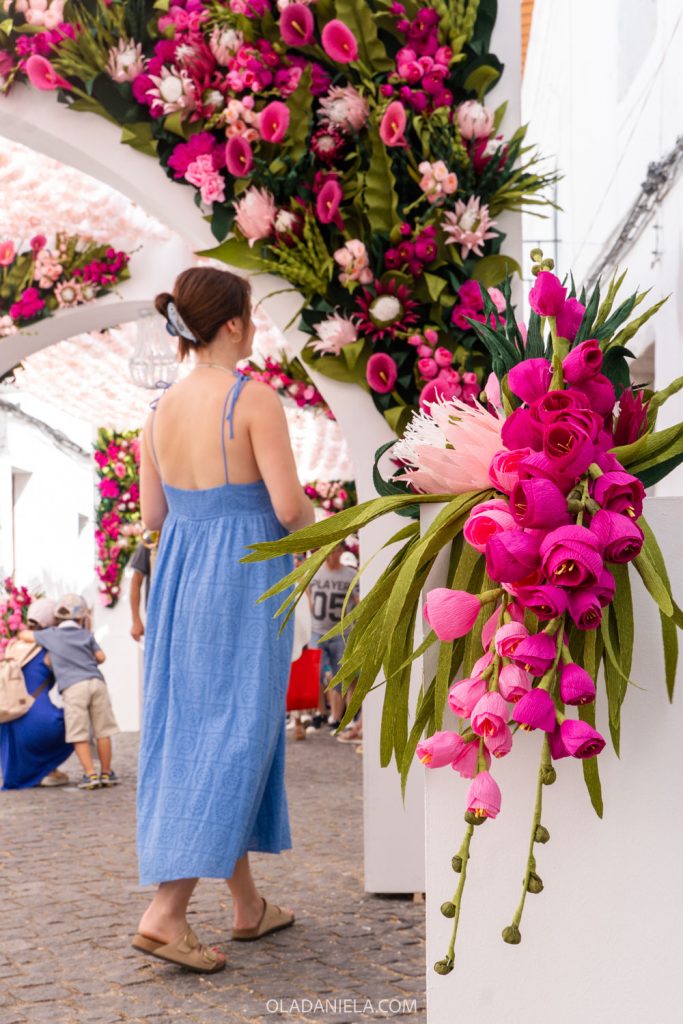
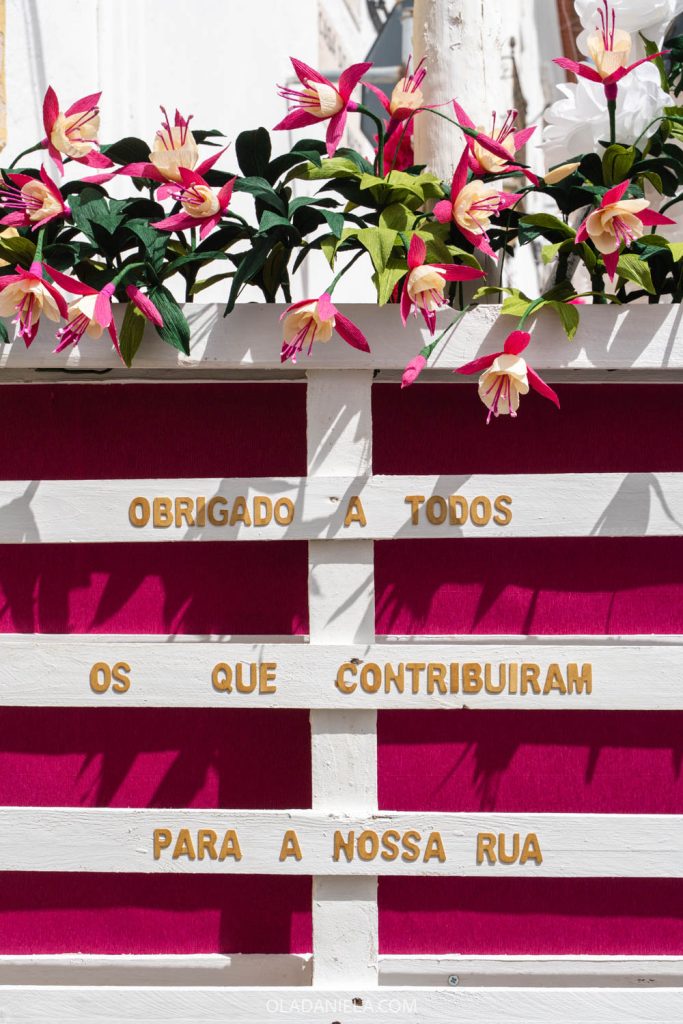
Each street forms its own group to decide what the rua will look like. For months and months beforehand, residents gather in the evenings, after their regular work is done, folding and gluing paper into millions of roses, carnations, tulips and poppies at kitchen tables, in garages and in storage sheds around town.
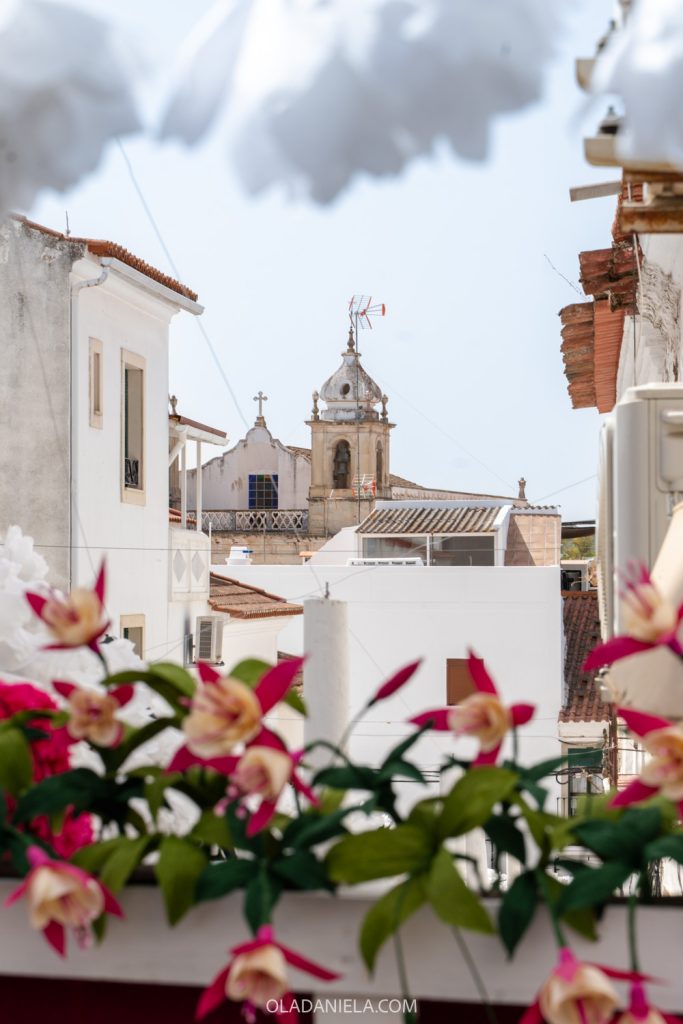
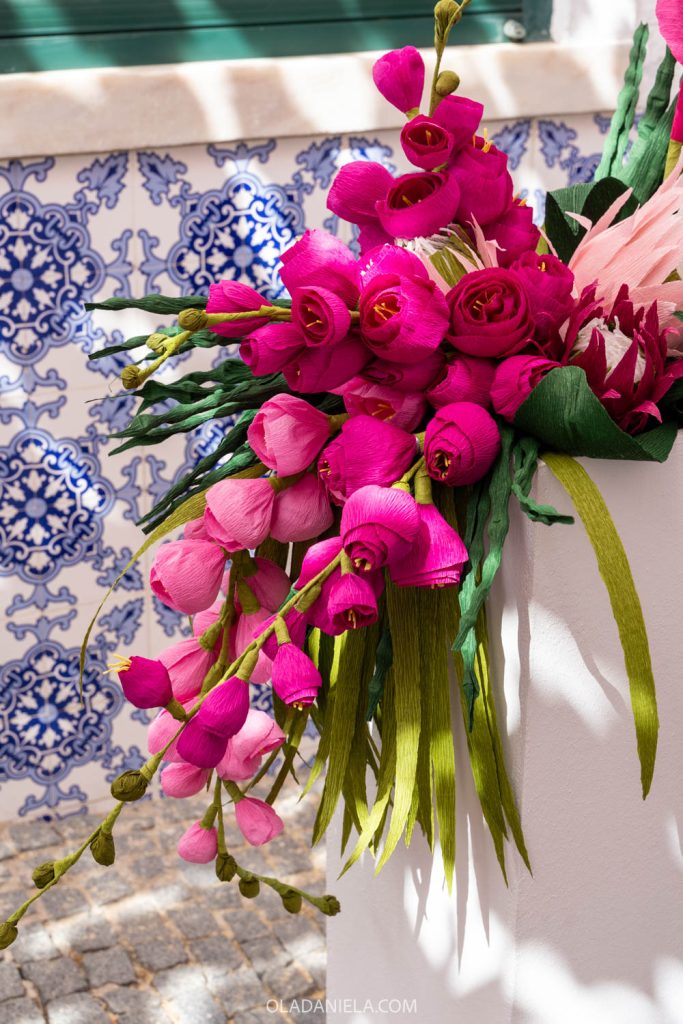
In 2026, there are almost 100 streets registered with some 50 tonnes of paper used to bring each vision to life. Curiously, every street keeps its design secret from neighbours – right up until the eve of the festival, when the whole town transforms overnight, all at once.
“Just to give you an idea, the ceiling of this street will have almost 280,000 tiny flowers,” street coordinator Luís Marvanejo told Portuguese newspaper Público. He’s in charge of his street, where they’ve been making flowers since January.
Why is this Alentejo festival so rare?
If you miss the 2026 edition, well… I can’t tell you when the next one will be. It doesn’t run on a schedule. This festival happens only when Campo Maior decides it’s ready to do it all again. The last event was held in 2015.
In 2021 UNESCO recognised the community’s efforts as Intangible Cultural Heritage of Humanity, citing the tradition’s role in passing skills from older generations to younger ones and in building a shared sense of belonging that the whole town works toward together.
The town had hoped to hold it in 2021 but couldn’t due to the pandemic — so I’d expect the next edition sooner than another 11-year wait. This year’s comeback is a serious undertaking too: organisers have invested more than €600,000 in the 2026 edition, with the town expecting more than 400,000 visitors over the nine days.
What’s the history of the Festas do Povo de Campo Maior?
The date traces back to 1712, when the town’s Saint John the Baptist celebrations were tied to its liberation from a dangerous siege that year. The town party we know today didn’t take shape until about 1889, and as the fair turned from religious to a celebration of the people, it was formally renamed the Festas do Povo in 1921.
This is a celebration of the community that gives countless hours to make something beautiful and bigger than the sum of its parts. There is so much work in every street, happily given by the hands of those that call Campo Maior home.
Practical tips for the festival
2026 dates: 8–16 August. Daily tickets €10, or €15 for a weekly pass. If you booked ahead, discounted tickets were available.
Parking: There are 14 car parks set up around the fringes of town. We half-expected a scramble, but people were constantly coming and going throughout the day, so finding a spot was easier and better organised than we anticipated.
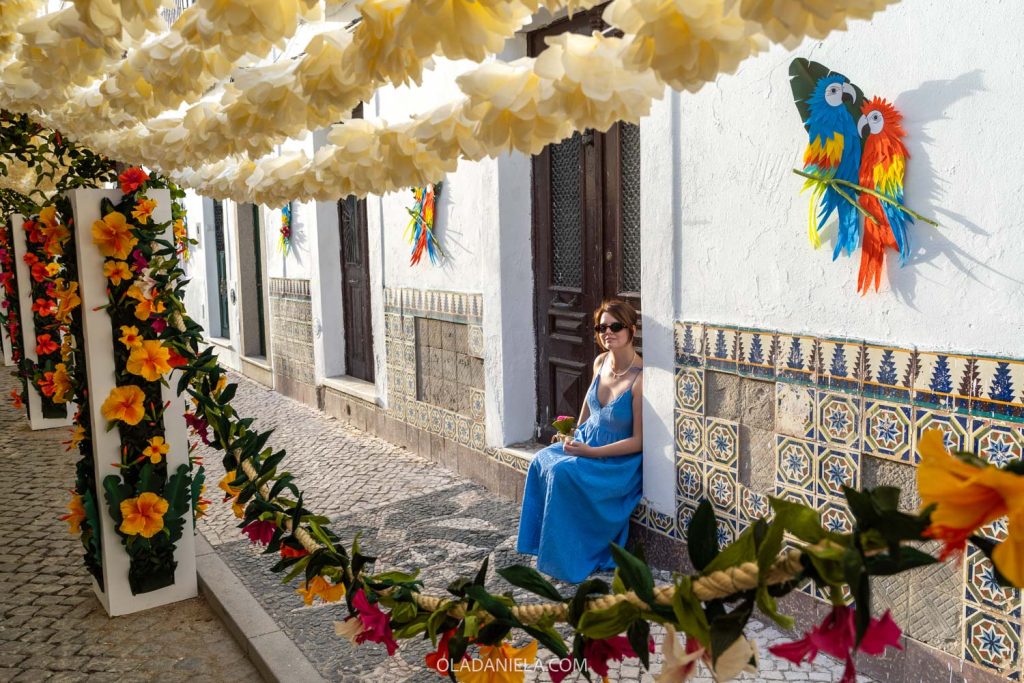
Best time to visit: We went in the afternoon, and it was hot – and surprisingly busy. I’d expected the evening to be the peak, once the heat broke, but coach tours seemed to arrive in force during the day. If you can, I’d try an early morning or later evening visit to dodge the heat.
What to bring: A hat, sunglasses, sunscreen, a water bottle, and a handheld or portable electric fan. The paper flower canopies help but the Alentejo sun in August is still relentless.
Where to eat: Food stalls and market stalls line the route. There are also plenty of local restaurants in town.
Music: Two stages run throughout the festival, plus you’ll catch impromptu saias – traditional folk songs sung with castanets, tambourines and accordion – as you wander the streets.
Pair the festival with… Elvas, Arronches or Marvão
If you’re heading into the Alentejo for Campo Maior’s Festas do Povo, it’s worth building a few extra days in. This area of the Alentejo has some of Portugal’s most interesting and charming border towns within easy reach.
Elvas — It’s the largest fortified town in Europe, UNESCO-listed in its own right, and only about 20 minutes’ drive from Campo Maior. Here you’ll find lots of well-priced hotels within easy reach of the festival.
Arronches — in 2026 the Festival de Arronches, a three-day music and arts festival showcasing emerging Portuguese talent, fell on the first weekend of the Festas do Povo. It’s just 25 minutes up the road, so you could enjoy two very different kinds of celebration in one long Alentejo weekend.
Marvão — Extend the fun into the Serra de São Mamede. Marvão is one of Portugal’s greatest hilltop villages, perched high on the mountain overlooking Spain. The Serra de São Mamede is a higher-altitude area of the Alentejo, ideal for the hot, dry summer months. Marvão is further out (closer to an hour’s drive) but it’s well worth the detour. Pair it with a visit to Portalegre and Castelo de Vide.