After slinking through the dark back streets of Alfama just after 11pm, we knocked on two large wooden doors, and a gruff face appeared. Fado? He ushered us inside the small space, straight to the dimly lit bar at the back. With a red wine in hand, we swivelled around to take in the space – a petite, 17th-century chapel plastered with pastel-coloured illustrative tiles and crowded with tables and chairs.
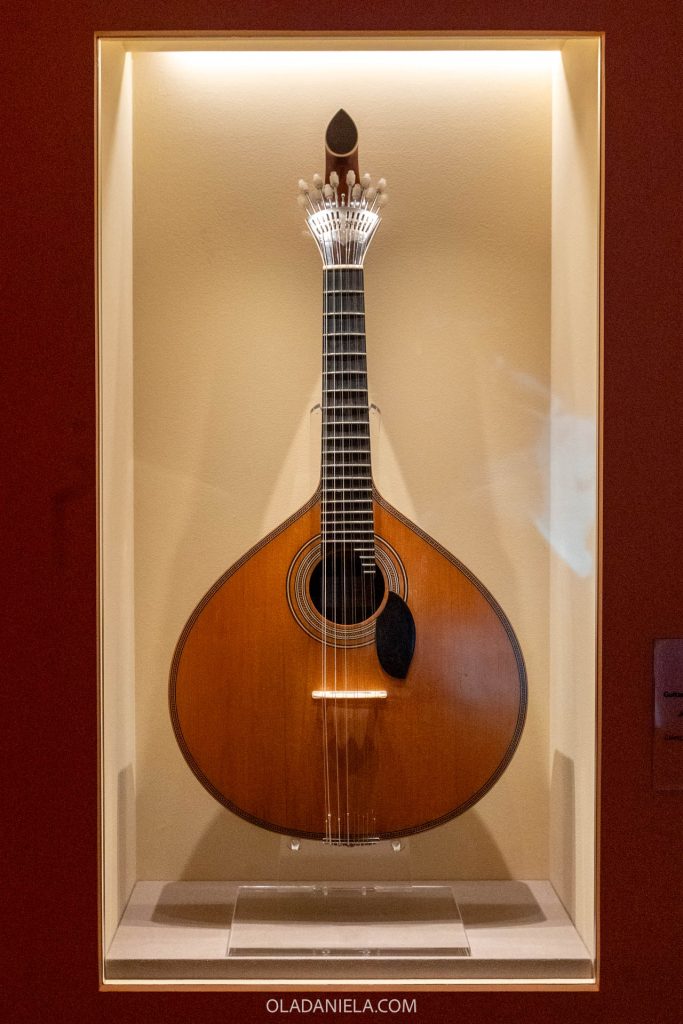
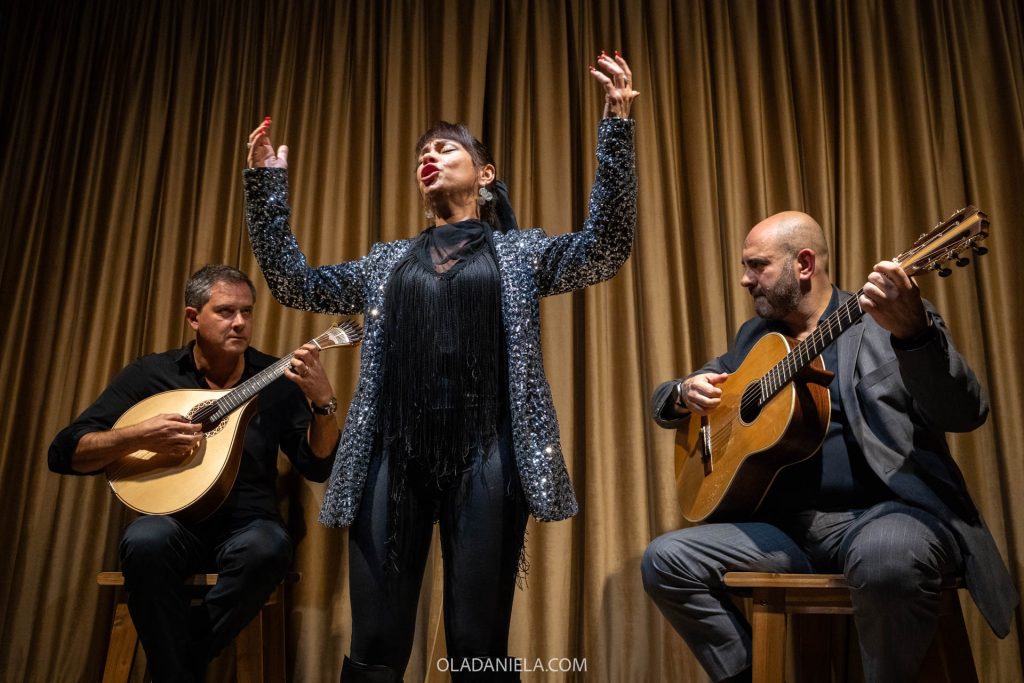
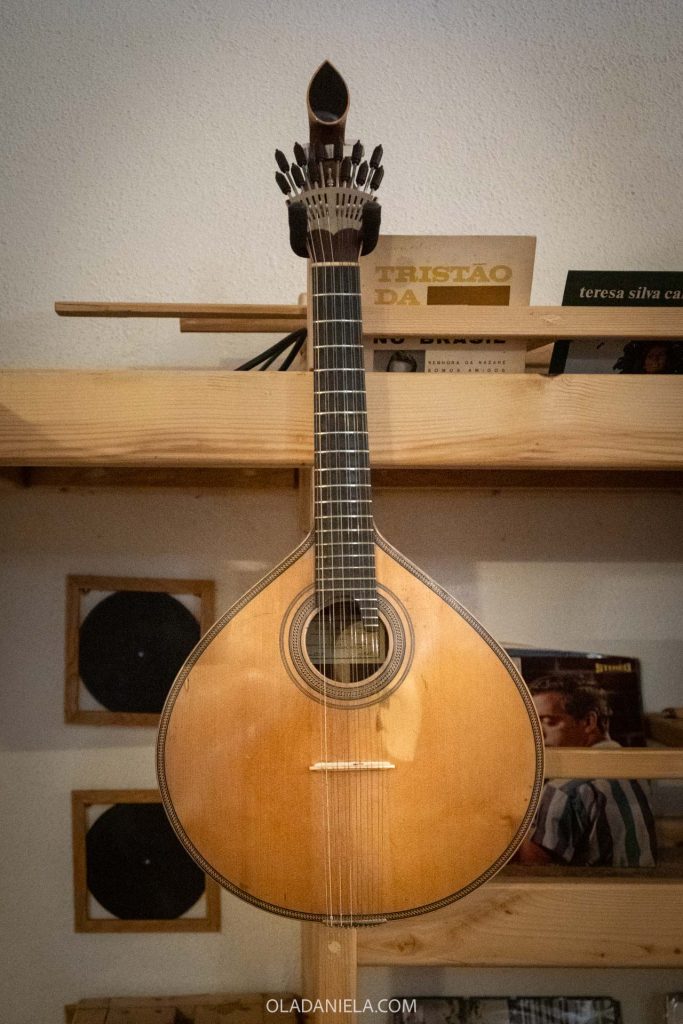
Moments after, the musicians settled in front of the giant doorway, the 12-string Portuguese guitar hummed to life, and the singer’s first notes sent goosebumps rippling across my body. Did I understand a word of Portuguese back then? No, but fado is transcendental.
No time to read the whole article? Here are my top picks…
- For a quick fado education, book this 1-hour show with port wine packed with knowledge and songs.
- For a romantic dinner-and-show with great fado, I loved Canto do Poeta, and Associação do Casto for a more casual petiscos (tapas) meal.
- For a more casual encounter, try this fado vadio (amateur fado) tour that combines a walking tour with snacks and a show.
What is fado?
Fado is a music genre that emerged in the late 19th century in Lisbon’s poorer neighbourhoods with storytelling songs that touched on themes of melancholy. From humble roots, fado became a tool for Portugal’s almost 50-year dictatorship, which saw the regime censor and approve lyrics, roll out compulsory professional licenses for artists, and insist on proper venues and costumes for shows. The state turned fado into Portugal’s national tune – pushing it onto radio, TV and in theatres. While the Estado Novo regime fell in 1974, today fado is still most commonly performed in the more formal casas de fado (fado houses). In 2011, fado received UNESCO recognition as an Intangible Cultural Heritage of Humanity.
Want to learn more about fado? I suggest spending an hour at the Museu do Fado to uncover the history and learn some famous names. Complement that visit with this 1-hour show with port wine, where you’ll learn about song structure and instruments during a mini concert. Finally, round out your cultural evening with a dinner show at a fado house.
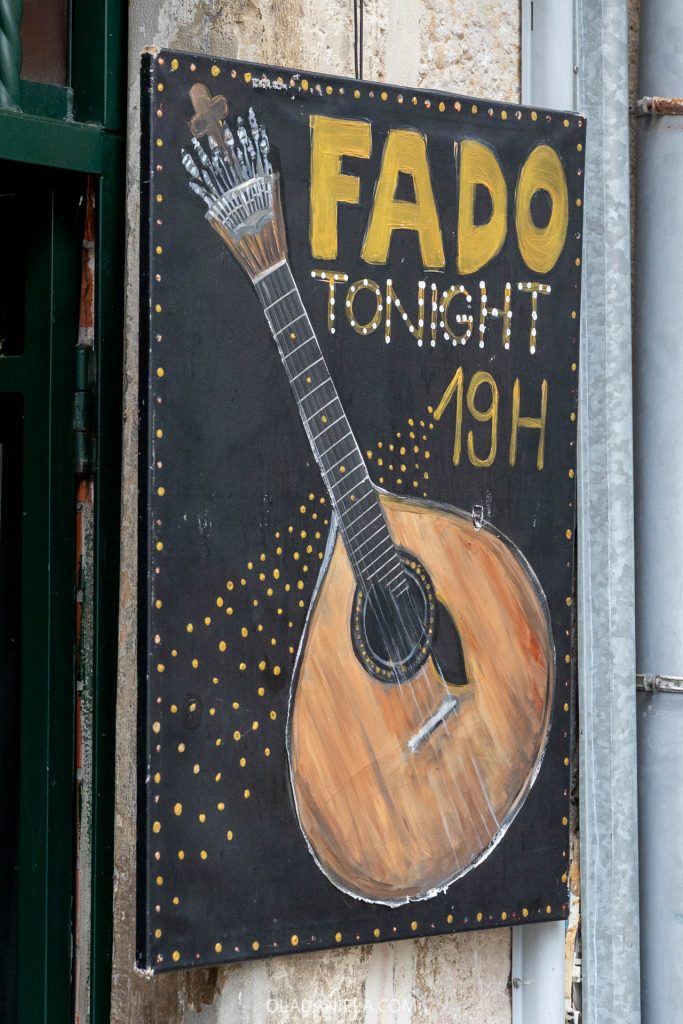
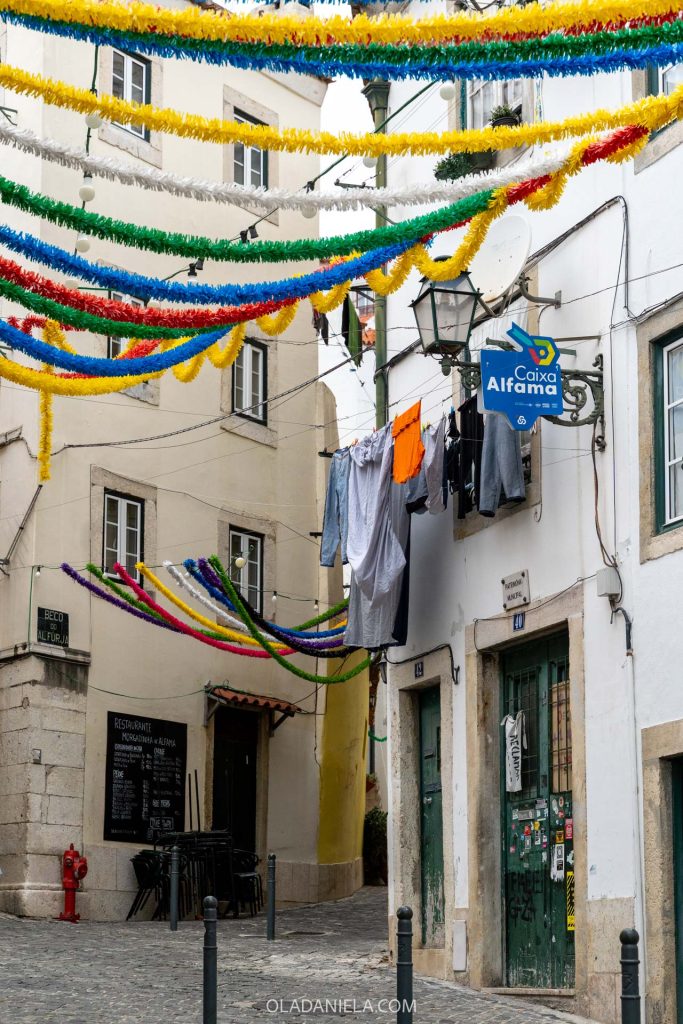
Best ways to experience fado in Lisbon
For the uninitiated, fado can be a little confusing. I’ve narrowed it down to what I think are the three main ways to experience fado in Lisbon in the 21st century:
- Chic dinner at a formal fado restaurant
- Casual dinner with fado vadio (amateur fado)
- Quick 50-60-minute show for a fado taster
While I’ve seen plenty of fado over the years living in Lisbon, for this article, I’ve gone on a mini fado-watching mission to find and compare the best experiences and shows out there. I’ve done my research, from using books like The Fado Route by Orlando Leite and Pedro Teixeira Neves, to chatting with fadistas to find out about their favourite spots.
I’ve aimed to include cultural tips, context and background in my suggestions – many of which are based on my personal experiences.
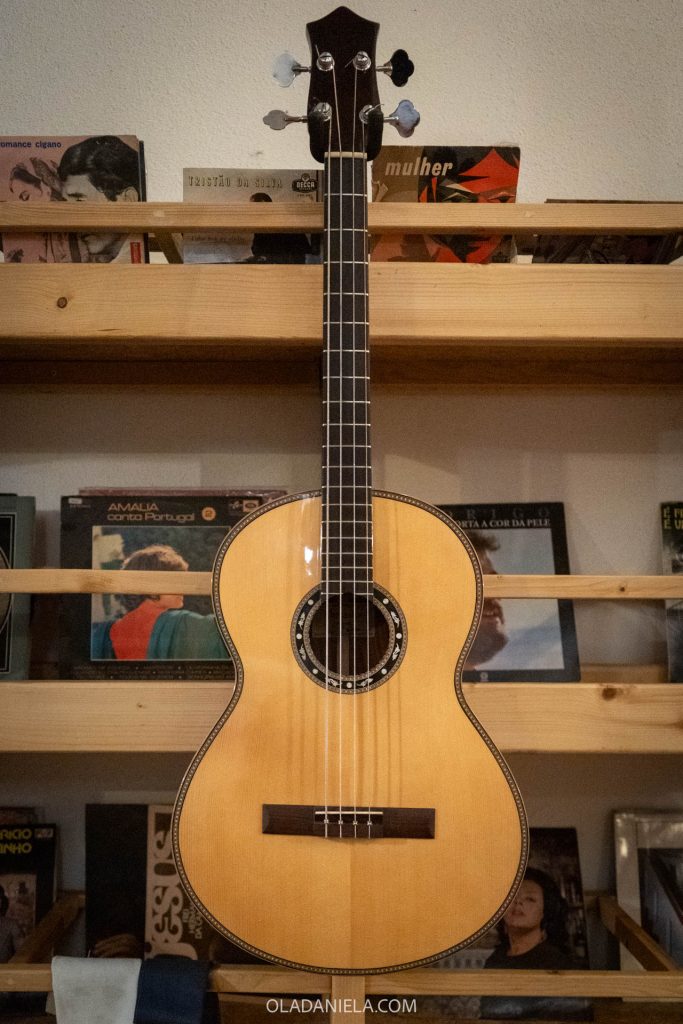
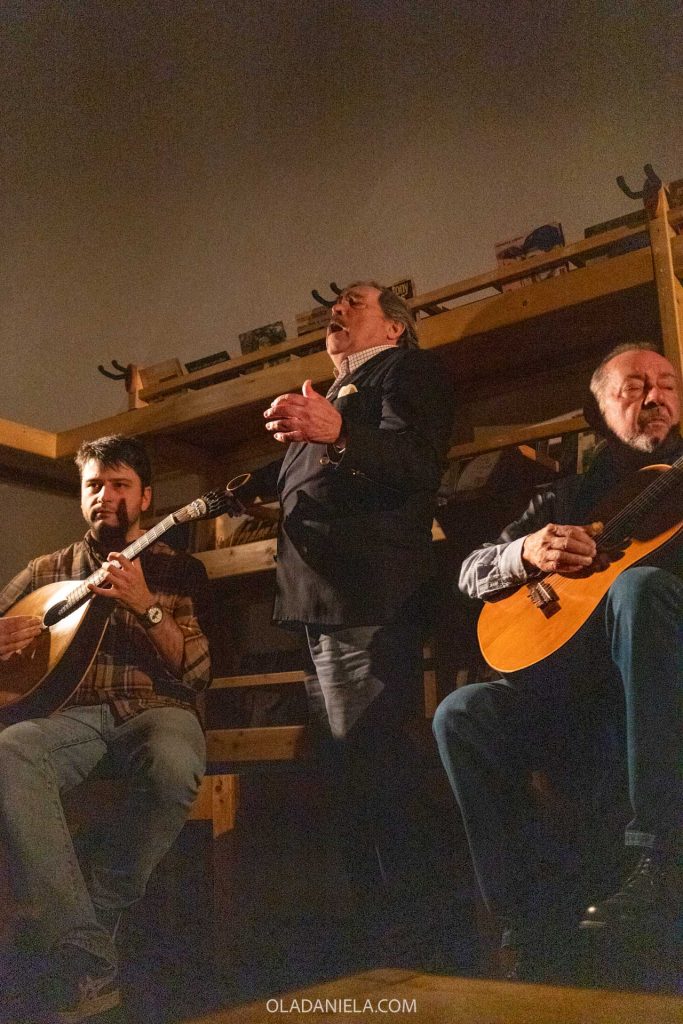
What to expect – the format of a fado house dinner-show
- Performances are almost always a trio – a regular guitarist, a 12-string Portuguese guitarist and a singer.
- The performers will usually sing 3-4 Portuguese fado songs in a 10-minute set, then take a 20-30-minute break.
- The music will continue for a few hours, with food served between sets.
- You must remain silent during the show. No talking.
- Don’t expect the musicians to introduce themselves.
- In some Lisbon fado houses, the singers move clubs between sets, so you’ll have someone different on stage each time – it’s super cool.
Other important things to know about fado clubs
Before you leave that 1-star Google review…
- Seeing fado is more expensive than just going out for a normal dinner. There is often a set menu or minimum spend to cover the expense of the musicians. If there is no set menu, check if there is a show fee to avoid a surprise bill – often €15–20pp.
- At à la carte fado bars, you might receive bread, olives and butter on your table at the start of the meal. This is normal behaviour in any Portuguese restaurant, and you do pay for it. If you don’t want the couvert, you can send it back – it’s not a tourist scam.
- The musicians don’t play a non-stop show. If you don’t want a 3-4 hour dinner with intervals of fado, book a 1-hour pre-dinner fado show experience instead.
- Many places are cash only, and you can always request a tax receipt.
- And yes, the music will be in the Portuguese language.
If you do have a genuine complaint, every Portuguese business has an official government ‘complaints book’. Ask the manager for the book, write in English, and get a copy of the complaint. You can also submit complaints online.
Now you understand fado etiquette – so leave more constructive Google reviews!
The best fado experiences in Lisbon (that I’ve actually done)
My top quick-show pick: Lisboa Menina e Moça

“It’s not pop music, it’s telling a story,” our host, singer and fado guitarist Mário Lundum explained. Traditionally, fado is performed in dark, moody bars or clubs where you’ll sit down for a meal. But for first-time fado listeners, I think the format can be a little bit confusing, long, and lacking in context.
That’s where the newer one-hour show format comes in, and at Lisboa Menina e Moça – or Casa do Lundum – Mário and his fellow performers engage guests with fado facts even the locals don’t know.
➡️ Book here: Lisboa Menina e Moça
- Location: Alfama – Tv. do Almargem 2
- Vibe: Moody, modern fado concert rooted in education and tradition
- What I loved: quality of performance, context and facts, atmosphere
- Tip: go early for a drink at the cool bar area ahead of the show, and sit at the far side so you’re close to the concert room entrance to snag the best seats!
A performer with 35 years of experience, Mário drops stacks of curious facts about the genre into this show. When we visited, he opened by sharing how all Latin songs are connected, then went on to perform the same track as a Portuguese fado, Brazilian samba, and Spanish flamenco song. We learnt about the structure of traditional and instrumental fado and the instruments used.
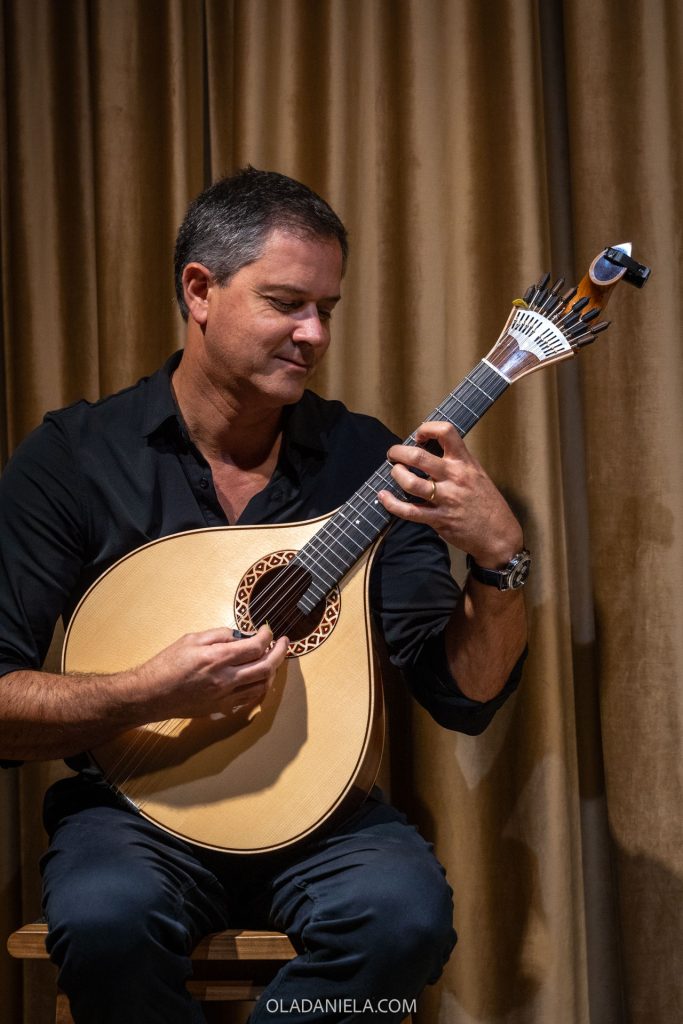
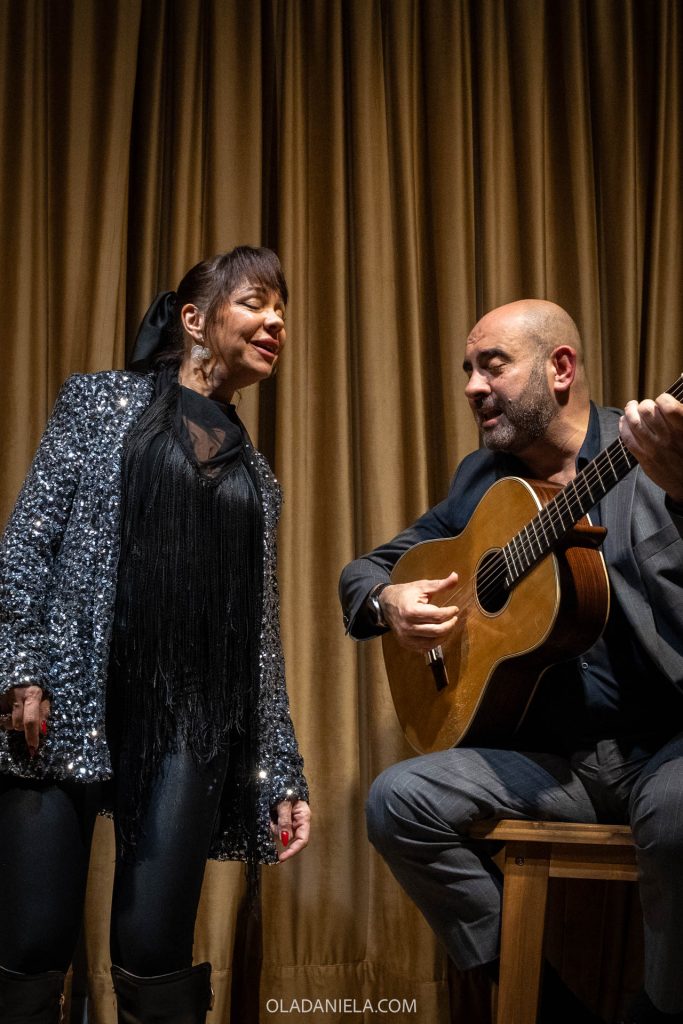
As he played the six-string guitar, Mário told stories, sharing facts and singing songs alongside Bruno, one of the best 12-string Portuguese guitarists I’ve had the pleasure of seeing. A couple of times, fadista Carina Mateus joined them on stage, belting out tunes with the sort of powerful voice that makes you shiver all over.
By the end, Mário had us all singing along in Portuguese – cheira bem, cheira Lisboa! Brilliant pre-dinner fun in a gorgeous space.
My recommendation: If you’re new to fado or a solo traveller, this show is a perfect first taste or an engaging way to learn about the music genre. I think it’s great on its own, but also the perfect precursor to a fado club dinner – you could and should do both, and I’d do this format first.
➡️ Book here: Lisboa Menina e Moça
My top fado club dinner-and-a-show picks: Canto do Poeta or Associação do Fado Casto
Both Associação do Fado Casto and Canto do Poeta are run by the same fado family, but each offers a different set-menu dining experience with high-quality fado.
When you visit a fado house, expect the evening to unfold like this: The rhythm of the night will revolve around food, wine and fado – the artists will perform 3-4 songs in a 10-minute set, then you’ll have 20-30 minutes to yourself to chat and eat. This pattern repeats for hours – starters, fado, mains, fado, dessert, fado, drinks, fado, drinks, fado… drinks, fado… I’ve seen plenty of bad reviews on Google Maps left by tourists who clearly didn’t realise this. Be patient, slow down and lean into this long night of music.
Note: both spaces I recommend don’t have air conditioning, which is something to consider in the summer.
Associação do Fado Casto
➡️ Book here: Tapas-and-show at Fado Casto
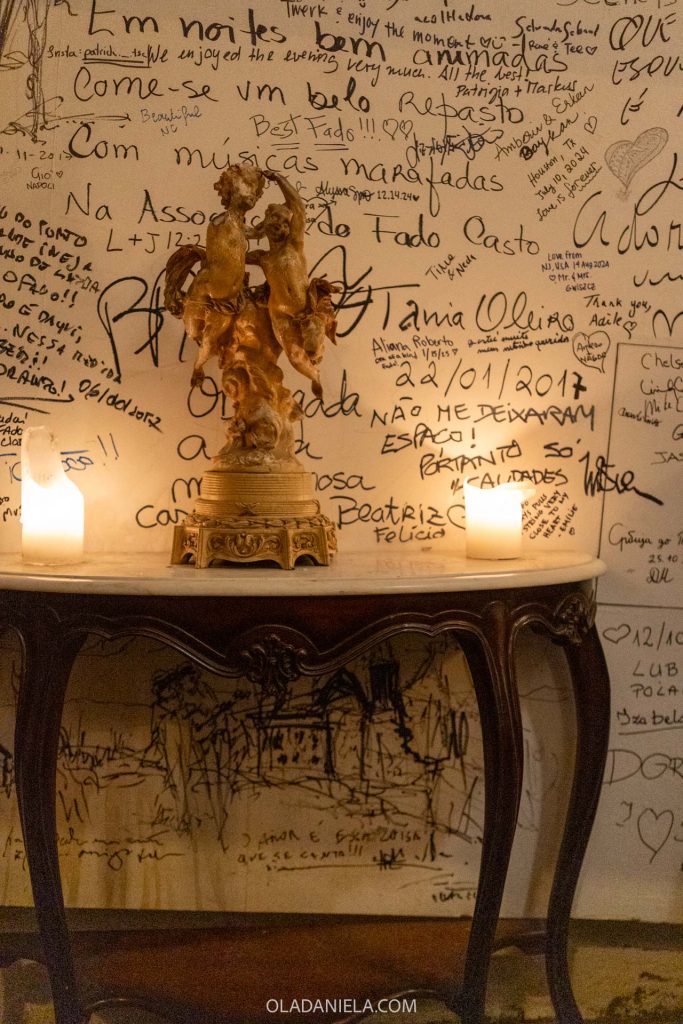
Push through a thick velvet curtain, past small candle-lit altars and into a large space with high vaulted ceilings. Long communal, wooden tables fill the room where vintage fado records line the walls, showing that this former church is now a place to worship fado’s greats.
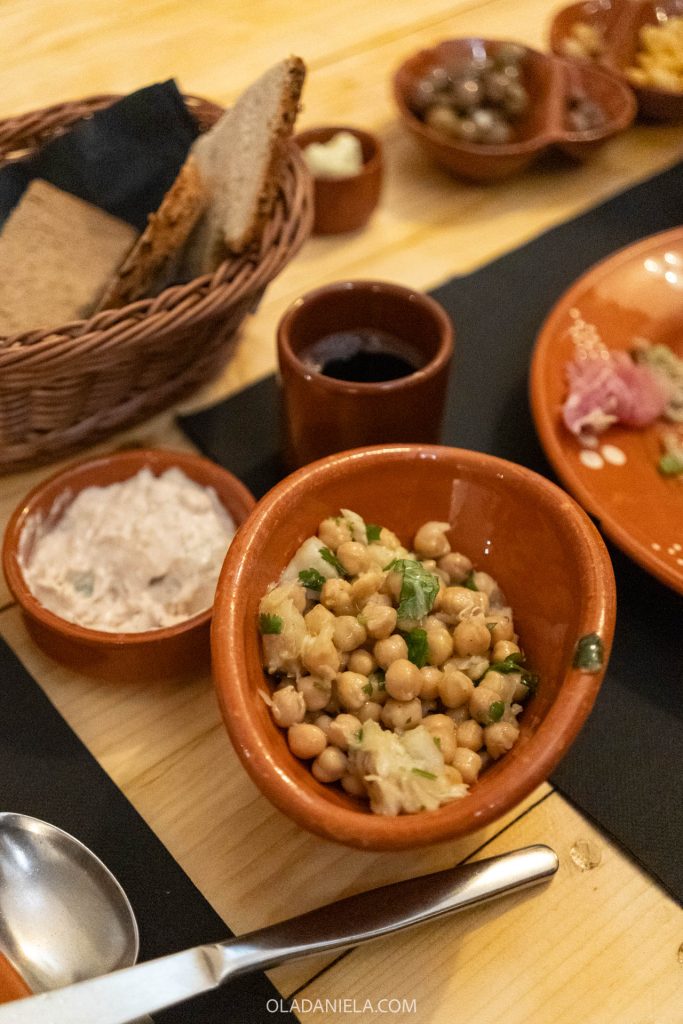
While most casas de fado offer a three-course meal, the menu offered here is petiscos (Portugal’s answer to tapas), and soon little dishes start arriving stuffed with olives, chickpea and codfish salad, plates of cheese and charcuteries, tuna paté and fava beans with chouriço. Next, come meat croquettes, boiled quail eggs with cocktail sauce, pataniscas de bacalhau (salted cod patties), peixinhos da horta (fried green beans), chicken wings, bean soup, pica pau (steak in gravy with pickles), and a flaming morcela (blood sausage), set on fire at the table. While eating all this, it occurred to me what a great introduction to Portuguese cuisine this is, with lots of humble dishes and snacks people might make at home but are often hard to find in restaurants.

As we grazed, our fado musicians took to the stage – it’s the first and only time I’ve seen three musicians play fado. We had André Silva on the Portuguese 12-string guitarra, Zé Elmiro on the acoustic guitar/viola, and Fernando Jacques on acoustic bass guitar. Joining them over the course of the following hours were three singers: the incredible Ana Sofia Varela; the experienced João Nunes; and a younger woman whose name I didn’t catch. The only negative for this experience is the seating – it gets tiring sitting on wooden benches without a back.
➡️ Book here: Associação de Fado Casto
- Location: Alfama, behind the Sé Cathedral – R. de São Mamede 8A
- Vibe: atmospheric space with long communal tables, candles
- What I loved: intimate atmosphere, bacalhau (salted cod) dish, limitless wine
- Tip: You can book for 7pm, 7.30pm or 8pm. If it’s a busy time of year, go earlier for a closer table, but otherwise the music doesn’t start until a bit later – so go at 8pm!
Canto do Poeta
➡️ Book here: Dinner & Show at Canto do Poeta
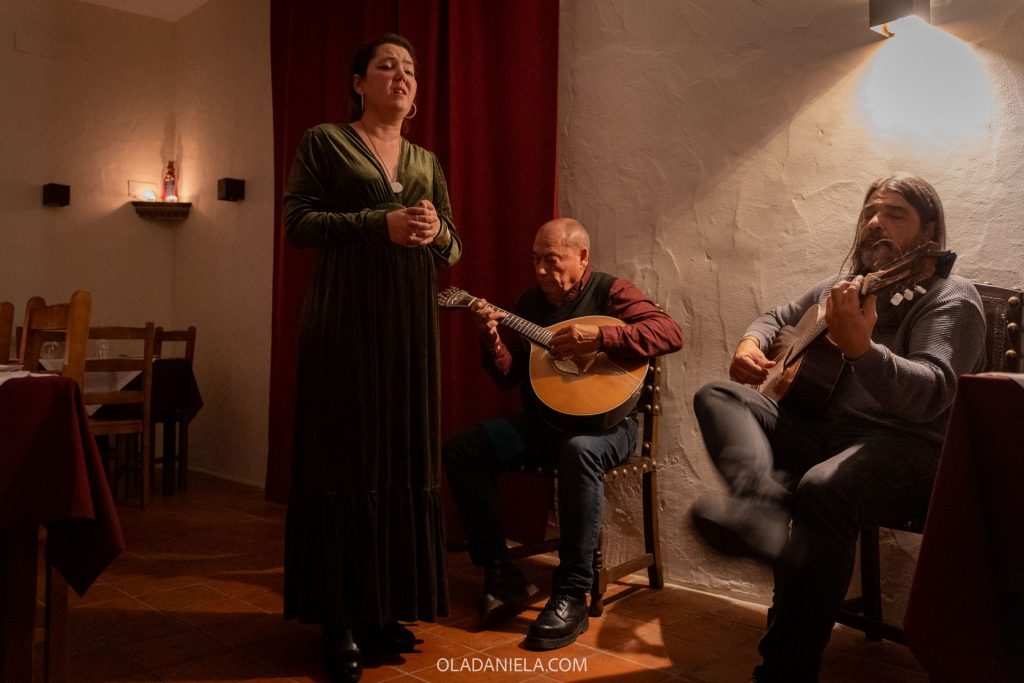
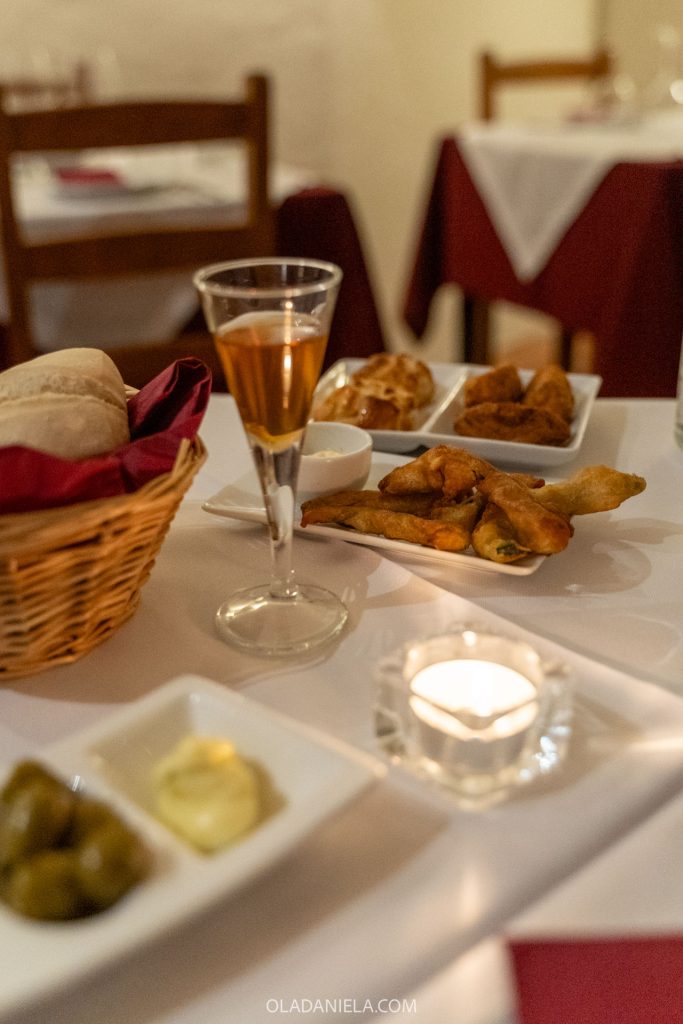
For a romantic date vibe, Canto do Poeta is the ideal fado show. It’s a smaller fado club set in a historic, dimly lit space that isn’t stuffed with too many tables. The non-touristy location in Estrela makes it a little quieter, which is a good thing when it comes to food and timing. We sat down around 8pm and received great, fast service with a set of traditional Portuguese starters (pastéis de bacalhau, peixinhos da horta, etc) accompanied by a taster of sweet moscatel wine. Soon after we’d devoured those, the lights dimmed, and a trio of fado performers entered to play the first of four sets. Without saying a word, they launched into three songs.
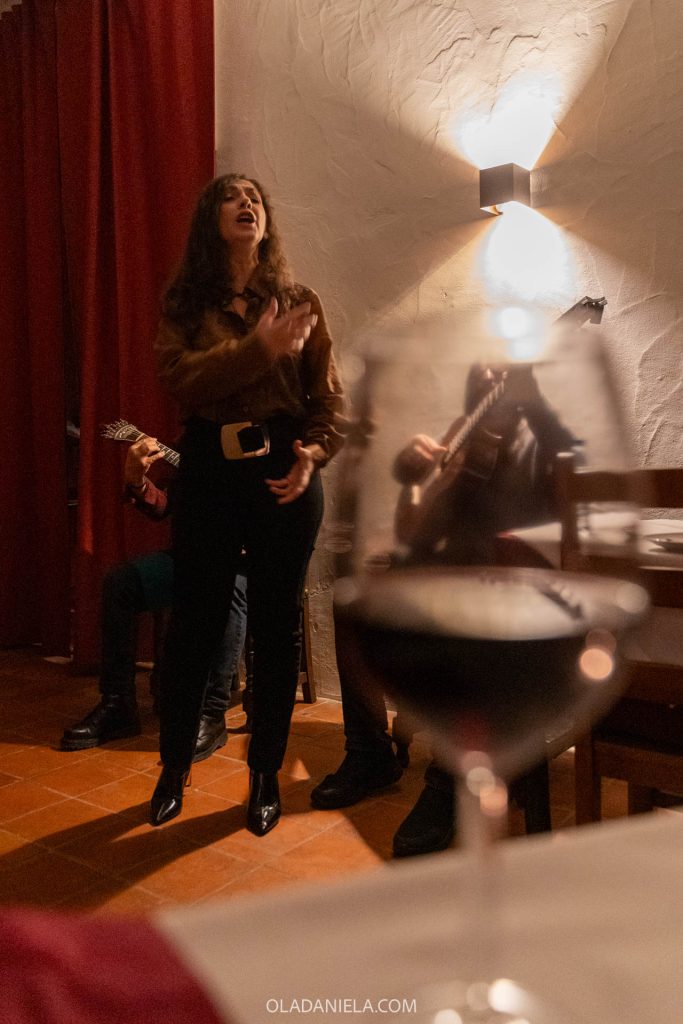
The lights came back up, and the chatter resumed. For mains, we had a choice of 5-6 dishes – I went for the bacalhau (salted cod) served with a chickpea puree, spinach and cornbread crumb (really good), while my partner ordered the steak (very tender). The guitarists quietly returned for round two; this time, a different female singer in a long, crushed-velvet dress took to the stage. Then came dessert – a tasting plate with four traditional sweets, paired with port wine – and the original singer returned to launch into three more tunes that gave us goosebumps. We chilled out and chatted between that and the final set, then said goodbye on a quiet November evening.
➡️ Book here: Canto do Poeta
- Location: Estrela, so more of a hidden gem – Calçada Livramento 4
- Vibe: Dimly lit, historic, whitewashed space with good acoustics
- What I loved: intimate atmosphere (maybe 30 seats at most), the bacalhau (salted cod) dish was great, limitless wine
- Tip: You can book for 7pm, 7.30pm or 8pm. If it’s a busy time of year, go earlier for a closer table, but otherwise the music doesn’t start until a bit later – so go at 8pm!
Kick on nearby: On the same block, you’ll find Arinto, a great little wine bar you could pop into before or after. A few minutes away is also Croqui, an experimental cocktail lab that is lots of fun.
Food at fado houses – I’m a food writer, but I keep my expectations in check at fado houses. While the places I recommend offer decent, traditional Portuguese food, I’m yet to find a spot that genuinely impresses me with presentation and taste to match the music. The places I suggest are good – just don’t expect the best meal of your trip.
Want a different way to experience fado?
- Visit a fadista’s home for an intimate concert with snacks and wine. It kicks off with an introduction to fado and culture before a 40-minute tribute concert to Amália Rodrigues, Portugal’s most famous fado singer, with commentary. Only on Tuesday or Friday.
- Explore the city on a three-stop food and fado tour. This small-group food and music tour stops at a typical bar and traditional grocer for a drink and a snack, then ends at one of my favourite fado houses for a full show with lots of food.
- Fado: A Story of Thugs, Harlots and Poets – just the title of this private walking tour has me intrigued!
- Tick off a fado show and cruise on the Tagus River with this fado boat cruise. It includes a drink and dreamy views!
My top fado vadio pick: A Baiuca
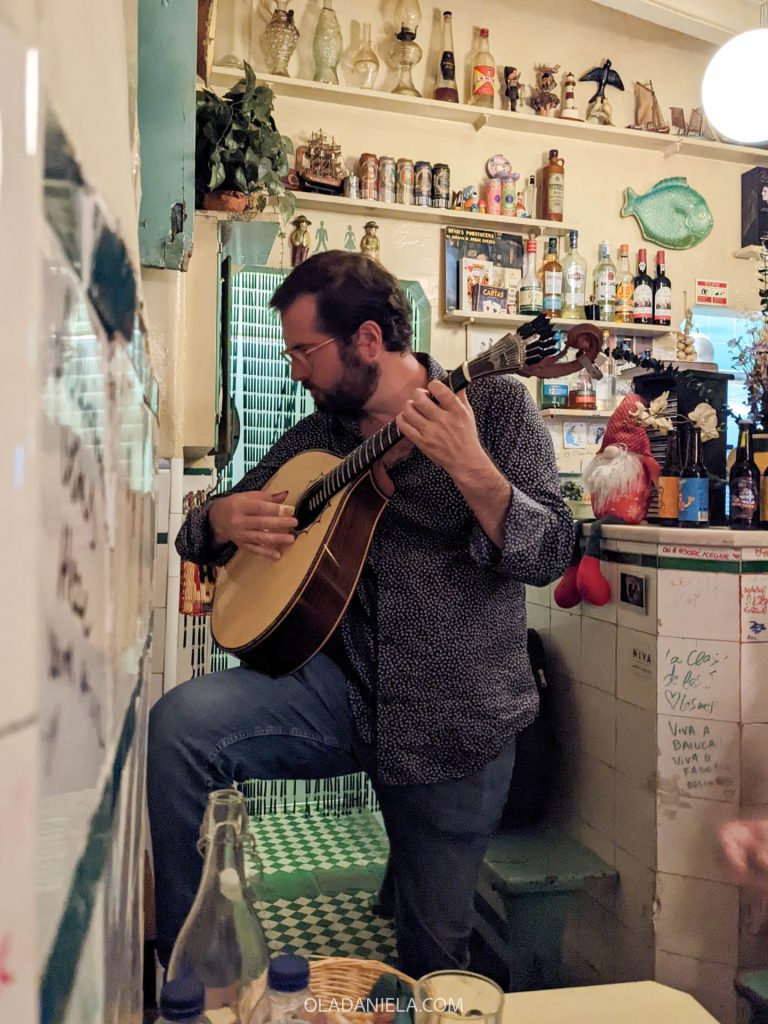
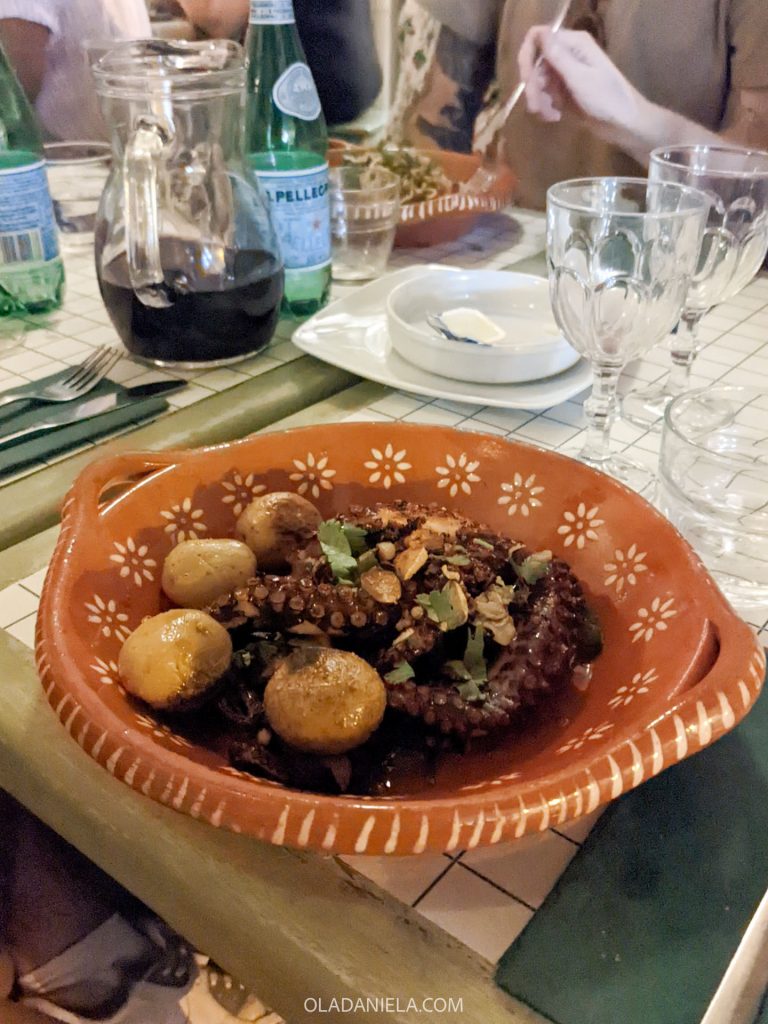
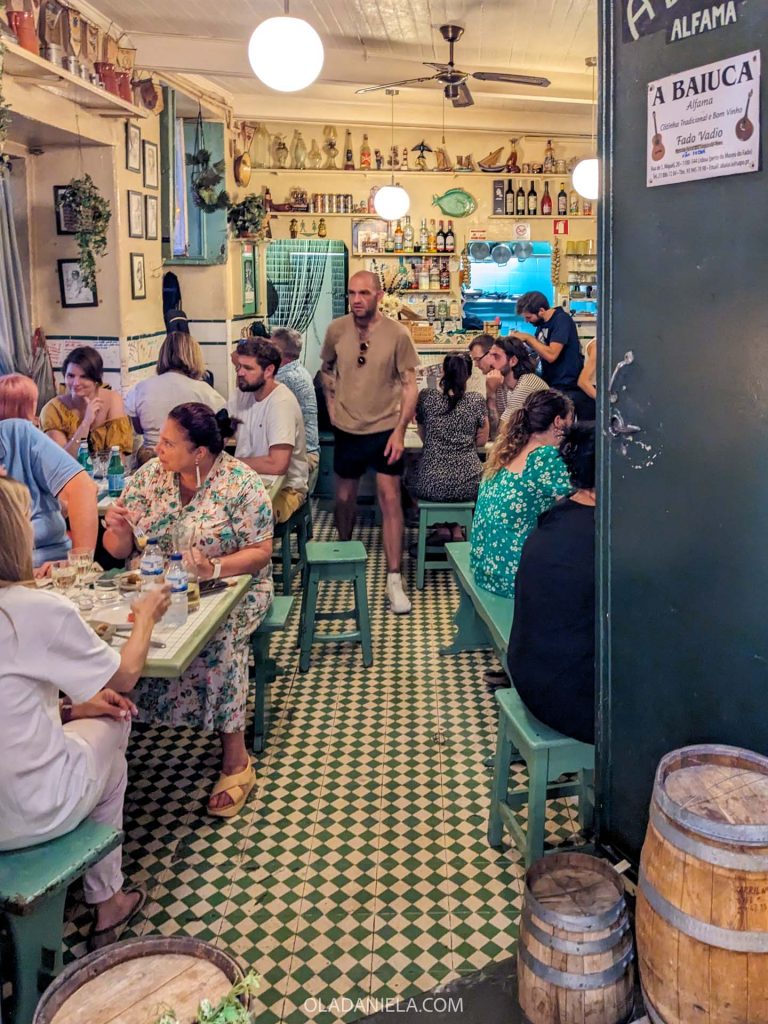
Fado vadio means amateur fado, and it’s the name given to more casual spots. A favourite of mine is A Baiuca, a small space with the spirit and character of a 19th-century tavern, but the talent of the greatest fado houses. It’s in these sorts of spaces that fado matured, springing up spontaneously – and you’ll discover that feeling throughout the night.
The tiny space, which opened in 1998, is packed with tables and vintage bar stools, and the menu is à la carte. Everyone enters at 8pm, causing speed issues with the kitchen – arrive with patience and knowing that everything will happen in due course.
Owner and fadista, Clara Sevivas, is usually on the floor waiting tables. She’s fantastic and obviously has influence in Lisbon’s fado community, as the musicians here are usually some of Portugal’s greats.
➡️ Book: At least a week ahead (via Facebook).
- Location: Alfama – R. de São Miguel 20
- Vibe: Small, vintage taberna with simple Portuguese food and very good fado
- What I loved: the feeling of going back in time, quality musicians
- Tip: Book at least a week ahead – it’s small and popular. If you miss out, pop by around 10pm when tourists often tire of the fun – music runs until midnight.
Wish someone could explain what each song is about? Join a guided fado tour
- This guided fado show and dinner visits a humble fado house in Bairro Alto.
- In Alfama, this guided fado tour starts with a walking tour and ends with a fado dinner show.
- Or go private with this sunset walking tour and guided fado dinner show experience.
Best areas in Lisbon for fado
- Alfama – Historic heart of Lisbon’s fado scene, especially around Rua dos Remédios, with live music every night
- Bairro Alto – The neighbourhood that nurtured fado’s modern rise, home to longstanding family-run fado houses and options at all price points
- Mouraria – Fado’s birthplace, marked by a striking fado statue and a handful of relaxed music spots
Best short, one-hour fado shows in Lisbon
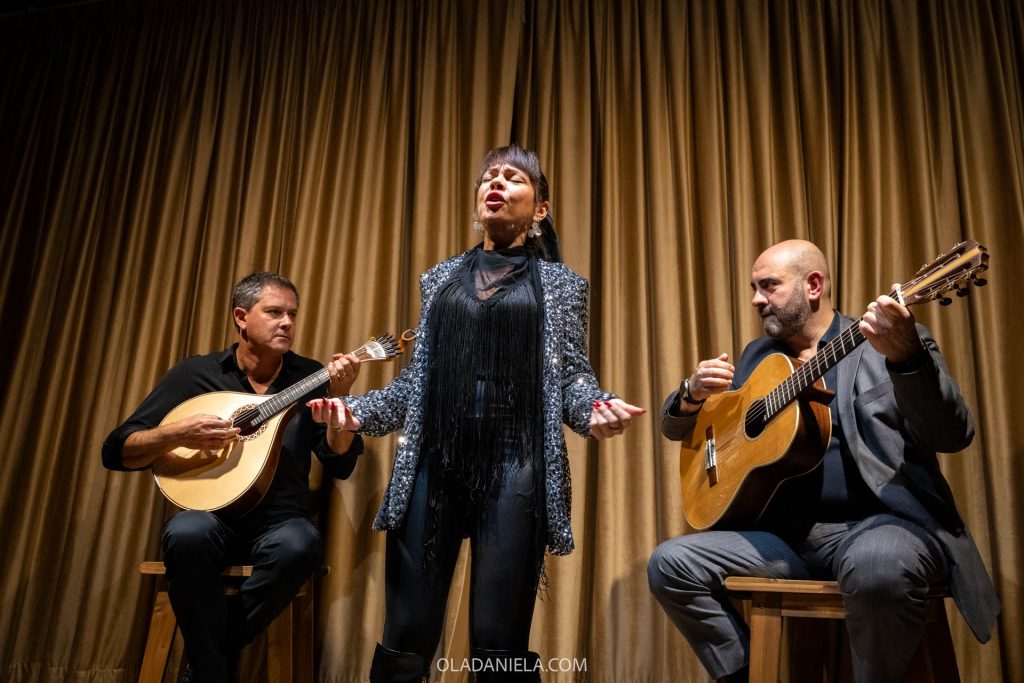
A newer format of fado experiences has hit Lisbon – short, one-hour performances designed for visitors who want a concentrated way to discover the music. While this setup isn’t traditional – fado was born in late-night taverns where people lingered for hours – it’s a great introduction.
Unlike the classic fado houses, the one-hour concerts often include brief explanations in English about the history, instruments and meaning behind the songs. It’s ideal for first-time visitors and families to experience fado in a shorter, concentrated dose.
Here are some favourites to choose from:
- Lisboa, Menina e Moça | Casa Lundum – daily show at 6pm. I’ve attended this show and I highly, highly recommend it. I discovered so much I didn’t know about fado music, the instruments, and the history! Includes a small port wine.
- Fado e Fado – 3 daily shows at 5pm, 6.30pm or 8pm. A friend saw this show and loved it. She said the musicians had a great rapport and bounced off each other, choosing songs in the moment. Includes a small port wine.
- Real Fado Concerts – pop-up concerts in special venues – these moving fado concerts pop up in gorgeous spaces across Lisbon. Check the dates for Pavilhão Chinesa, Reservatório da Patriarcal, EmbaiXada Palace or Convento de São Pedro de Alcântara.
- Fado in Chiado – Mon–Sat 50-min shows 5.30pm and 7pm. This is one of the more established 50-minute shows, which makes a perfect pre-dinner experience.
- Lisboa em Fado – daily shows at 6pm & 7.30pm. The first established short show in Lisbon. Includes a small port wine.
Classic fado singers to listen to: Want to load up a playlist before you see a live show? The undisputed queen of fado is Amália Rodrigues. There’s a new museum concept in Lisbon called Ah! Amália, or you can visit her former house museum. Look back further and listen to Alfredo Marceneiro, or forward and try Carlos do Carmo.
Best fado houses for dinner & show
The most common way to experience fado in Lisbon is at a casa de fado (fado house) or fado restaurant. Most offer a set multi-course menu – priced around €50–70 per person – or an à la carte menu, with higher prices or a minimum spend to cover performer fees. All spaces offer vegetarian options.
The unwritten rules of fado etiquette
“Silêncio, que vamos cantar o fado” – Silence, we’re going to sing fado.
- Book ahead – to guarantee a table
- Dress up – going to a fado show is an elegant affair, so wear something nice. No shorts or flip-flops!
- Phone on silent – this should go without saying
- Don’t speak or eat during the singing – silêncio is critical. The artists only play 3-4 songs, then take a long break, so you’ll get to eat and chat again soon. Calma.
- No flash – don’t blind the artists while taking photos
- Don’t block people with your phone – this is an experience to be present in
Here are a few casas de fado to try:
Associação do Fado Casto – one of my top picks (see full review above)
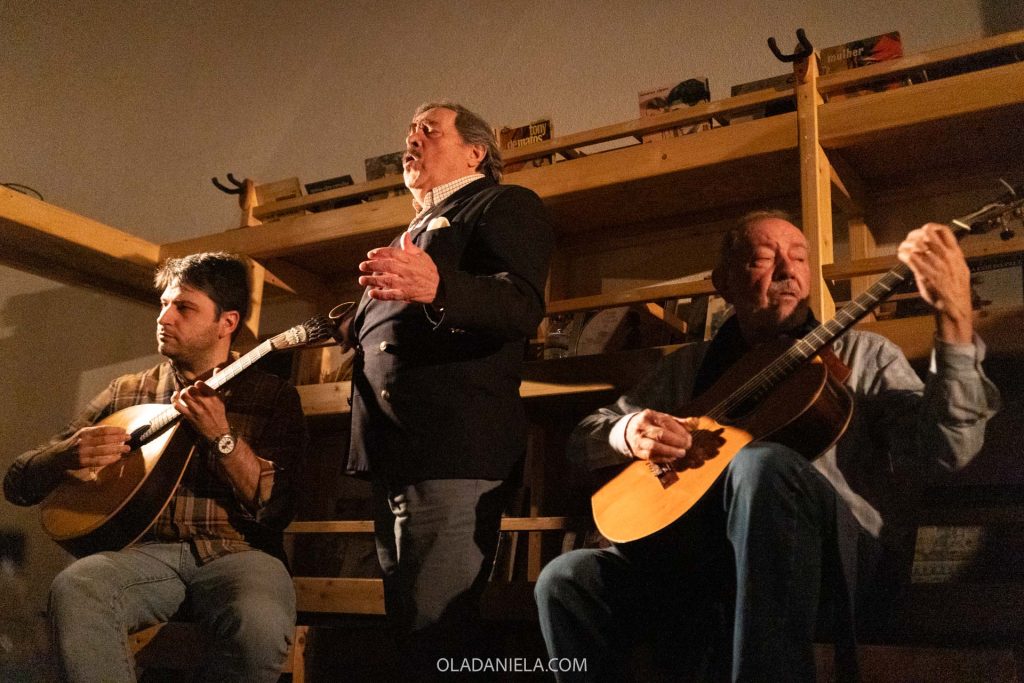
Housed in a former church adorned with vintage fado records and candle-lit altars, this casa de fado pairs live music with a generous spread of petiscos instead of a formal meal.
- Location: Alfama, behind the Sé Cathedral – R. de São Mamede 8A
- Vibe: atmospheric space with long communal tables, candles
➡️ Book here: Tapas-and-show at Fado Casto
Canto do Poeta – one of my top picks (see full review above)
Canto do Poeta offers an intimate, quietly romantic fado experience in Lisbon, where excellent food and unhurried service set the pace for the night.
- Location: Estrela – Calçada Livramento 4
- Vibe: romantic, dimly-lit space with tasting menu
➡️ Book here: Canto do Poeta
Clube de Fado
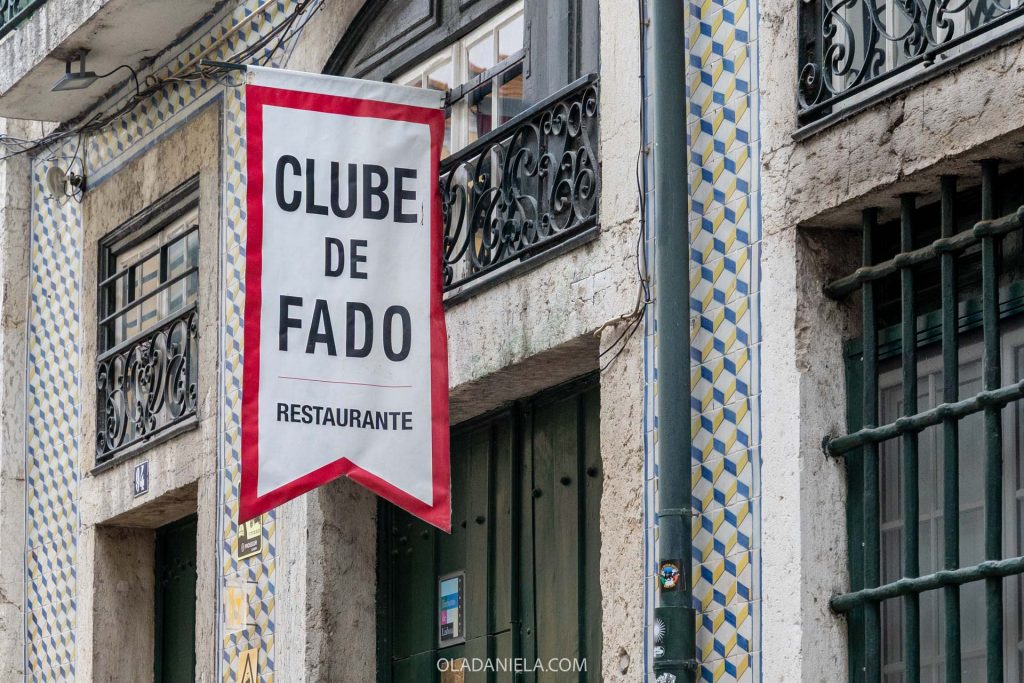
Ask anyone who loves fado where to go in Lisbon, and their answer will likely be Clube de Fado. This house is open seven nights a week and has a reputation for putting top-tier names and the next generation of talent on stage.
- Location: Alfama – R. de São João da Praça 94
- Vibe: serious fado club with moody interiors, you book tables as late as 11pm.
➡️ Book here: Clube de Fado
Mesa dos Frades
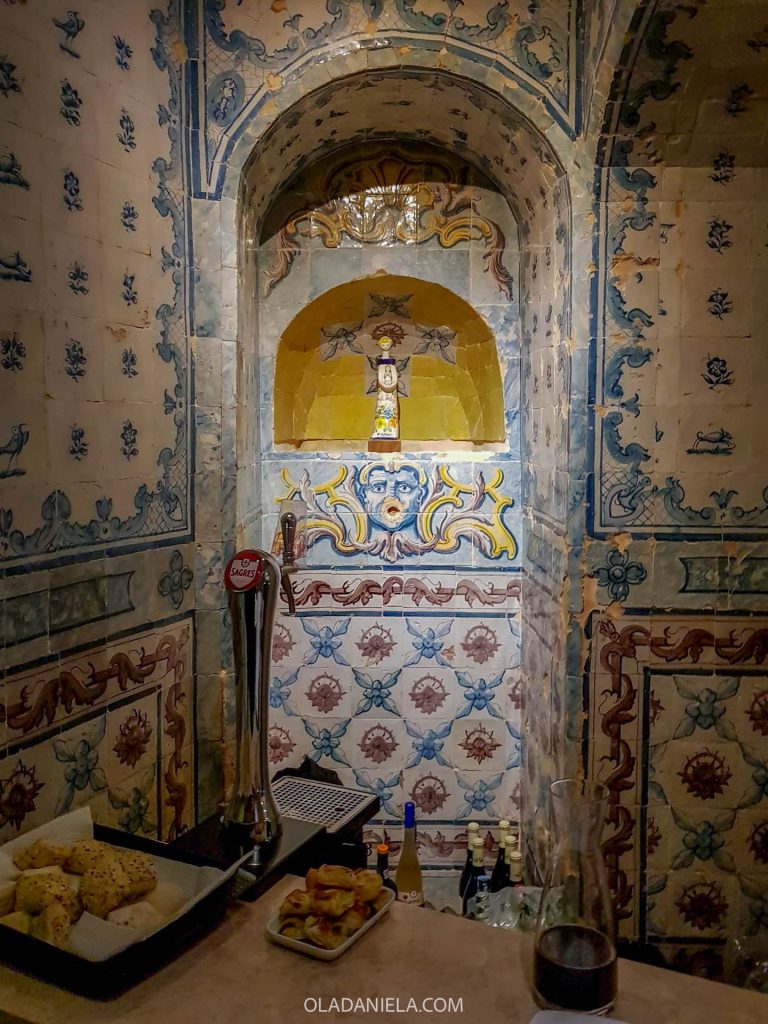
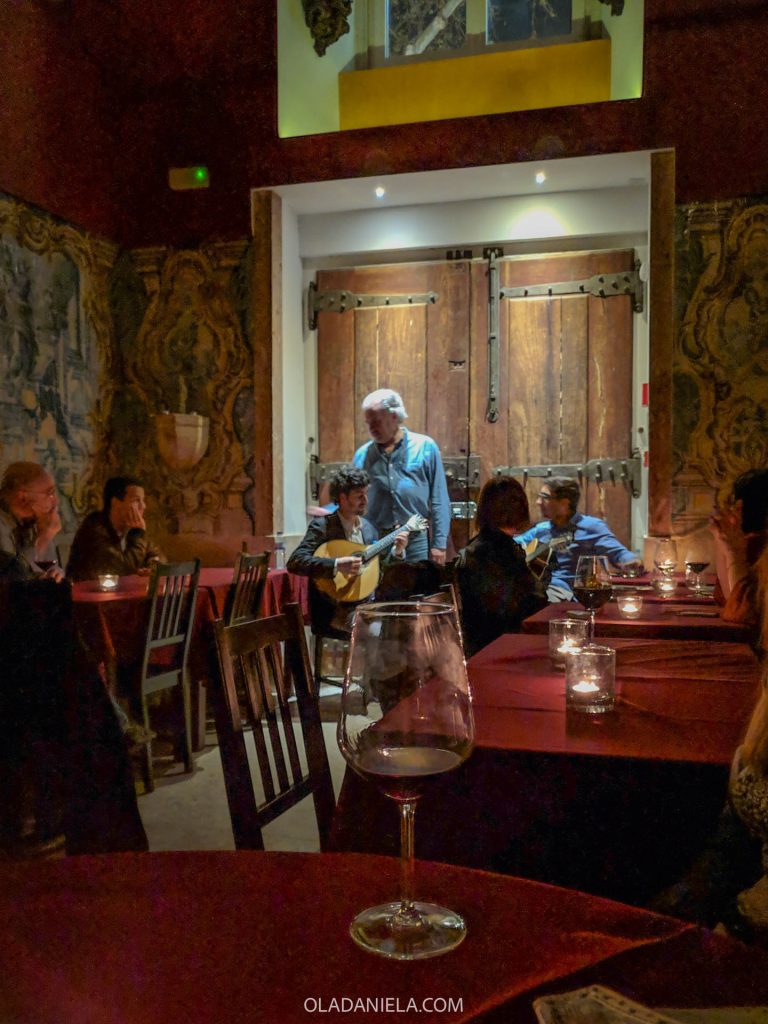
My first fado house? Mesa dos Frades. I’d read it was one of the best spots to slip into late at night, and what I found blew my mind. The fado house has taken over a small 18th-century chapel, lined with original baroque tiles. Enter through the huge original doors to find a space with amazing acoustics and a roster of top-tier fado performers. You can pre-book dinner-and-a-show with two timeslots, or show up closer to midnight.
Late night is when I used to visit during my early years living in Lisbon, but lately I’ve not succeeded in getting in (despite speaking Portuguese too), so if you’re not interested in dinner, I’d suggest booking the midnight pass to guarantee entry.
- Location: Alfama – R. dos Remédios 139
- Vibe: tile-filled former chapel with tightly packed tables and excellent fado
➡️ Book here: Dinner & Show or Midnight Entry
Fado, freedom and oppression: In the mid-20th century, Portugal’s Salazar regime promoted fado nationally and internationally, off the back of Portugal’s greatest ever fado star, Amália Rodrigues. Funnily enough, she opposed the regime and started singing lyrics by left-wing poets. Later, fado was used in opposition and as resistance to the dictatorship. After being highly politicised, the genre was slowly revived by the next generation after Portugal’s 1974 revolution.
Casa de Linhares
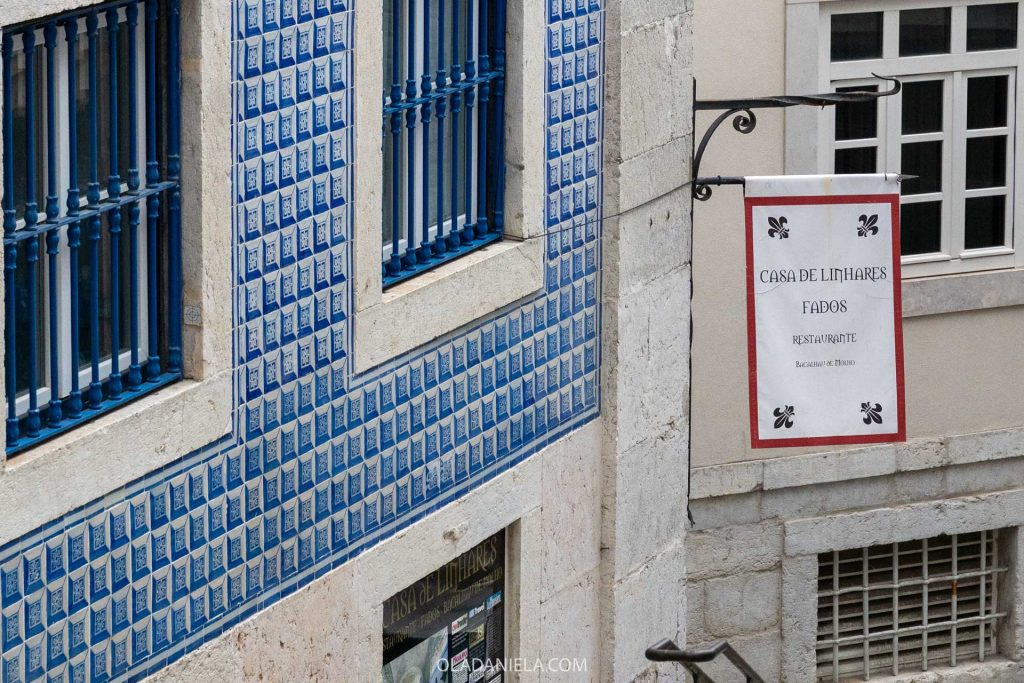
The old palace of the Conde de Linhares crumbled in Lisbon’s earthquake of 1755. From the rubble came the beautiful, high ceilings and acoustic space you see today. The kitchen offers a more gourmet experience with a set menu or à la carte options – including a great choice for vegetarians, with 3-4 veggie mains on offer.
- Location: Alfama – Beco dos Armazéns do Linho 2
- Vibe: banquet hall of a palace with a more gourmet kitchen than other fado houses
➡️ Book here: Casa de Linhares
Sr Vinho
The doors of Sr. Vinho opened back in 1975, and since then, some of the stars of novo fado (new fado) have come through its halls. Mariza, Camané, Gisela João, Ana Moura and António Zambujo are big names you’ll see recording in and touring Portugal, and it’s said they got their start at this Lisbon classic, where founder Maria da Fé is still artistic director.
- Location: Lapa – R. do Meio à Lapa 18
- Vibe: cosy and classic dining room with an old European air. Set menu.
➡️ Book here: Sr Vinho
A Severa
Maria Severa Onofriana (1820-1846) was a fado singer and guitar player who, in her short life, rose to a mythical level of fame. This fado house, named after her, opened in 1955 in Bairro Alto and has been run by four generations of the same family since. À la carte with a minimum spend.
- Location: Bairro Alto – R. das Gáveas 51
- Vibe: atmospheric space with candles and dark wood features that take you back in time
➡️ Book here: A Severa
A Parreirinha de Alfama
In 1939, this former tavern and coal shop became a fado house, and during its long history, fado legends, including Amália Rodrigues and Alfredo Marceneiro, have sung here. A Parreirinha maintains its soul, looking to the past for inspiration and maintaining some very cute interiors – plus the set menu of traditional Portuguese dishes looks great.
- Location: Alfama – Beco do Espírito Santo 1
- Vibe: cosy dining room with tiled walls and white-clothed tables
➡️ Book here: A Perreirinha de Alfama
Adega Machado
Legend has it that this fado house began in Paris when Armando Machado was part of a group of fadistas visiting the French capital for Portugal’s Queen Amélia (who was exiled there). Challenged by a bandmate, he returned and opened this space. It has the most beautiful tiled façade – worth going early to admire – and offers a slightly more refined Portuguese tasting menu (with a full vegetarian option too).
- Location: Bairro Alto – R. do Norte 91
- Vibe: Sleek but classic modernised dining room with slightly gourmet fare
➡️ Book here: Adega Machado
Café Luso
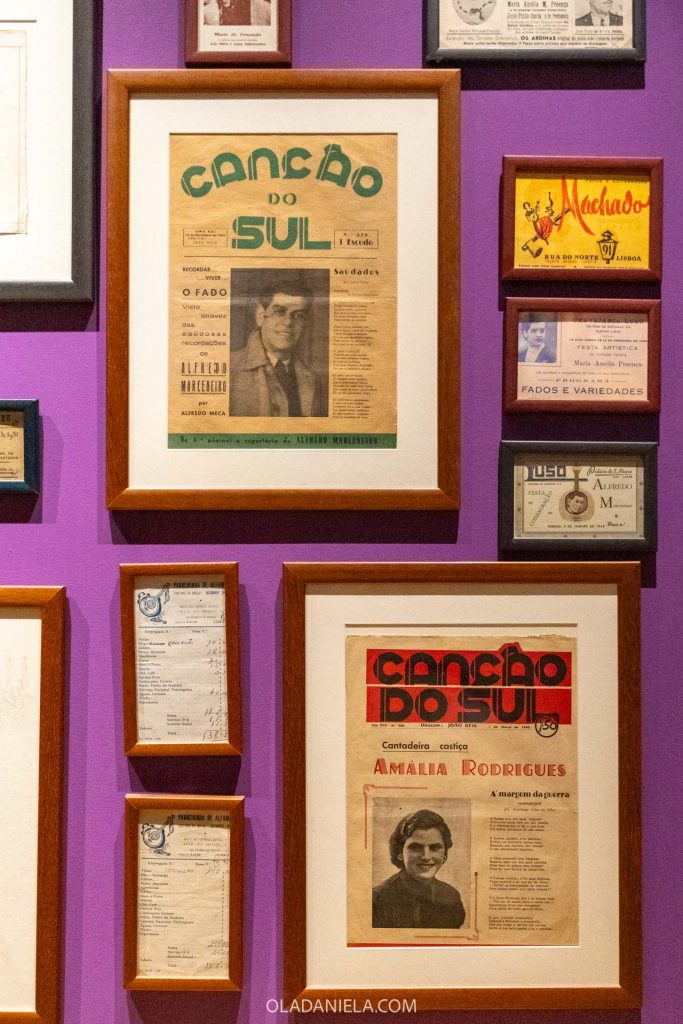
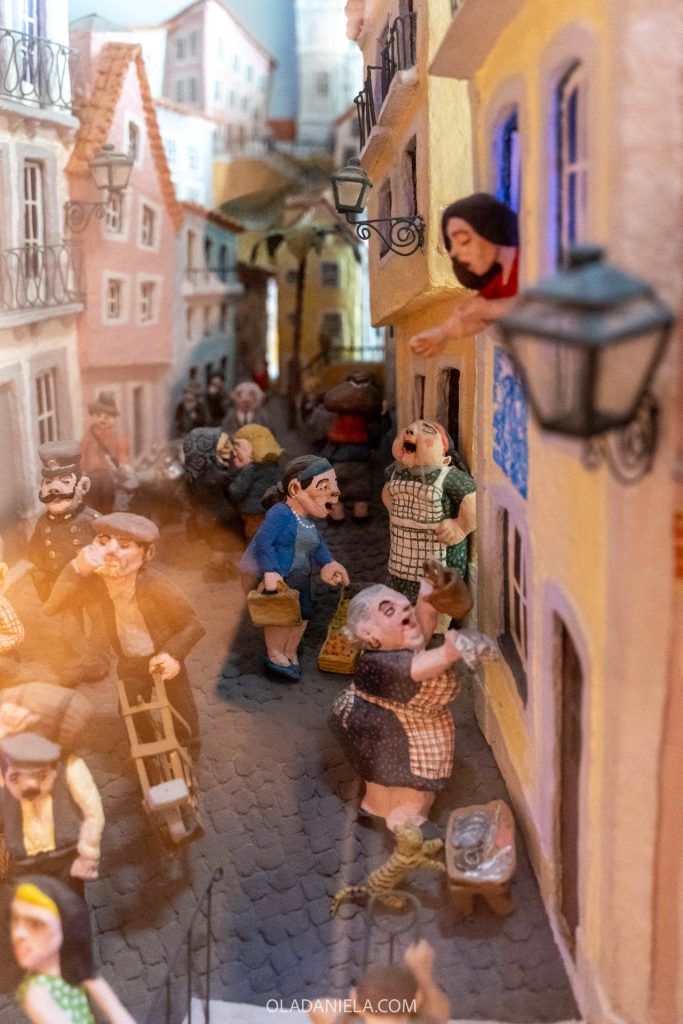
Lisbon’s oldest fado house was founded in 1927, and almost 100 years later, the show goes on. In 1940, it moved to its current location – the cellar and coach stables of an 18th-century palace. The set menu offers a lot of choice.
- Location: Bairro Alto – Tv. da Queimada 10
- Vibe: warm and comforting old school fado house
➡️ Book here: Café Luso
O Faia
Once owned by the family of singer Carlos do Carmo, O Faia changed hands and names (formerly known as Adega da Lucília, open since 1947) but retained its core as a fado house. This one is high on my to-try list, as good reviews show they care as much about the dishes as they do the quality of the fado. For those wanting to eat elsewhere, at 11.30pm, O Faia offers a 45-minute show with a €20pp cover charge – there’s also a menu of snacks and drinks on offer.
- Location: Bairro Alto – R. da Barroca 54
- Vibe: atmospheric old-school dining room with arches and a fireplace
➡️ Book here: O Faia
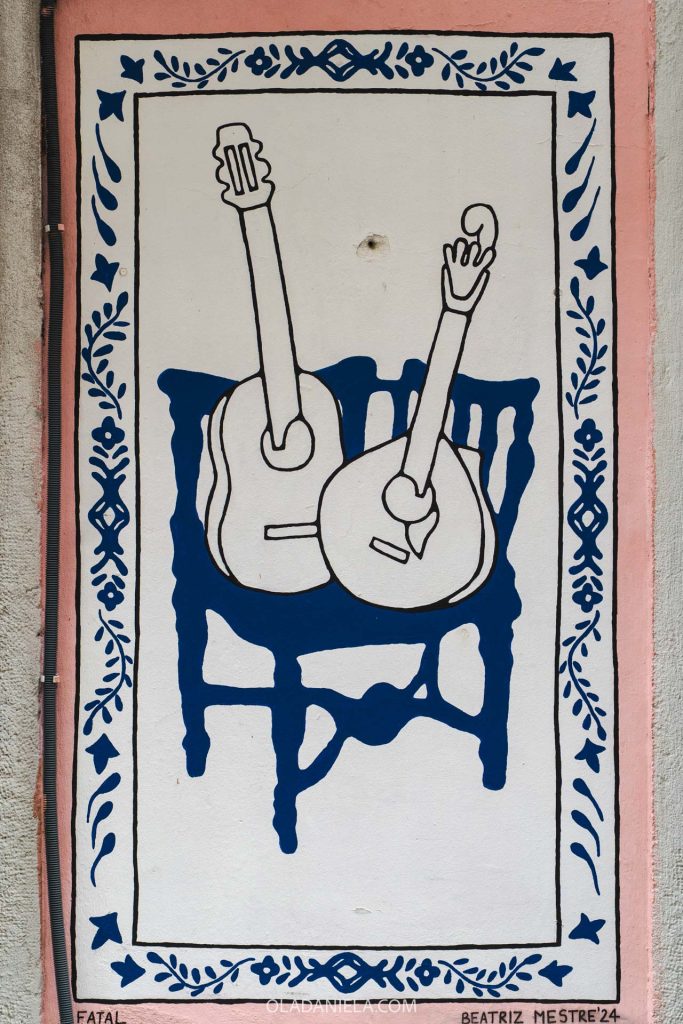
Tasca da Bela
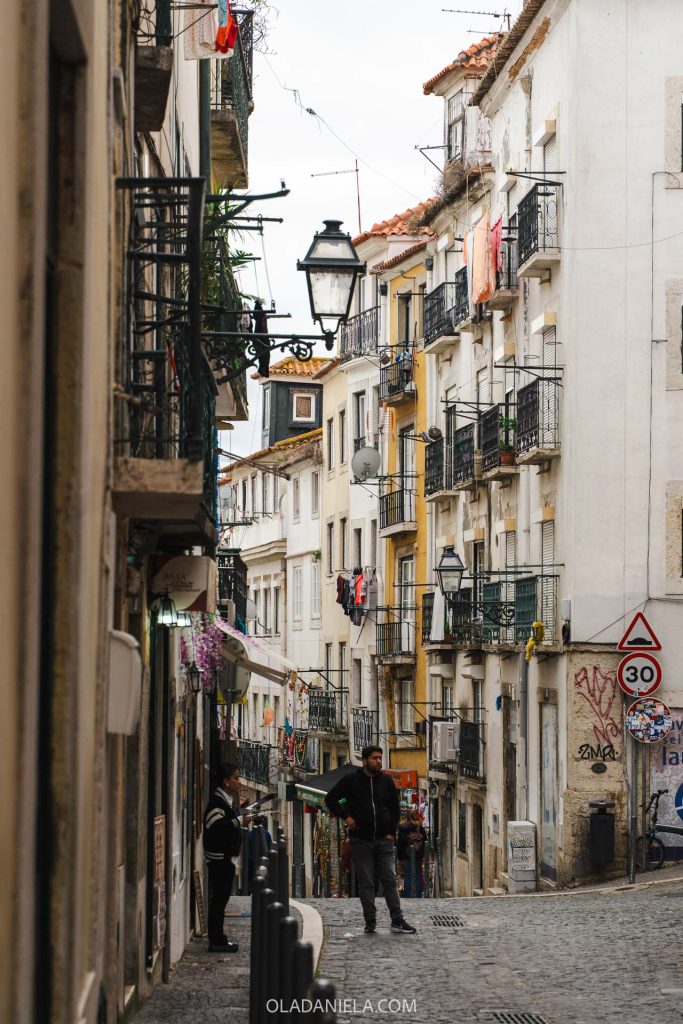
On Alfama’s beating artery of fado – Rua dos Remédios – lies Tasca da Bela, a family-run fado house offering performances Wednesdays to Sundays. There’s a more casual set menu here, with the music kicking off at the usual intervals from around 9pm.
- Location: Alfama – Rua dos Remédios 190
- Vibe: grandma’s dining room with tavern chairs and plates on the walls
➡️ Book here: Tasca da Bela
More fado houses
- Adega dos Fadistas – Alfama
- Alfama Grill – Alfama
- Guitarras de Lisboa – Alfama. Prices €18-24 for mains with a low minimum spend
- Maria da Mouraria – Mouraria, in a cute house with great ratings
- O Forcado – Bairro Alto, offers fado plus folk dancing
- Páteo de Alfama – Alfama, mixes in folk singing and culture
- São Miguel d’Alfama – Alfama
- Taverna D’El Rey – Alfama, casual spot that adds €10pp fado fee to the bill
Modern fado singers for the 21st century: Fado today is alive and evolving – these contemporary artists blend tradition with fresh influences: Carminho, Ana Moura, António Zambujo, Camané, Ricardo Ribeiro, Gisela João.
Best spots for fado vadio (amateur fado) in Lisbon
Fado vadio is said to be the raw, unpolished side of Lisbon’s fado scene – think amateur singers taking turns in tiny taverns – but I’ve seen some of Portugal’s top fado performers at these venues. The vibe is casual, and prices are friendlier than in a formal fado house. Expect bar stools, simple food, and cash-only payments.
A Baiuca (my top fado vadio pick! Full review near top)
A Baiuca attracts some great names in the world of fado and has the spirit and character of a 19th-century tavern. Since 1998, people have packed onto the small stools to listen to fado vadio, so you’ll need to book a table ahead.
- Location: Alfama – R. de São Miguel 20
- Vibe: Tiny, vintage taberna with simple food and very good fado
➡️ Book here: Must book ahead via Facebook or Instagram. Dinner starts at 8pm.
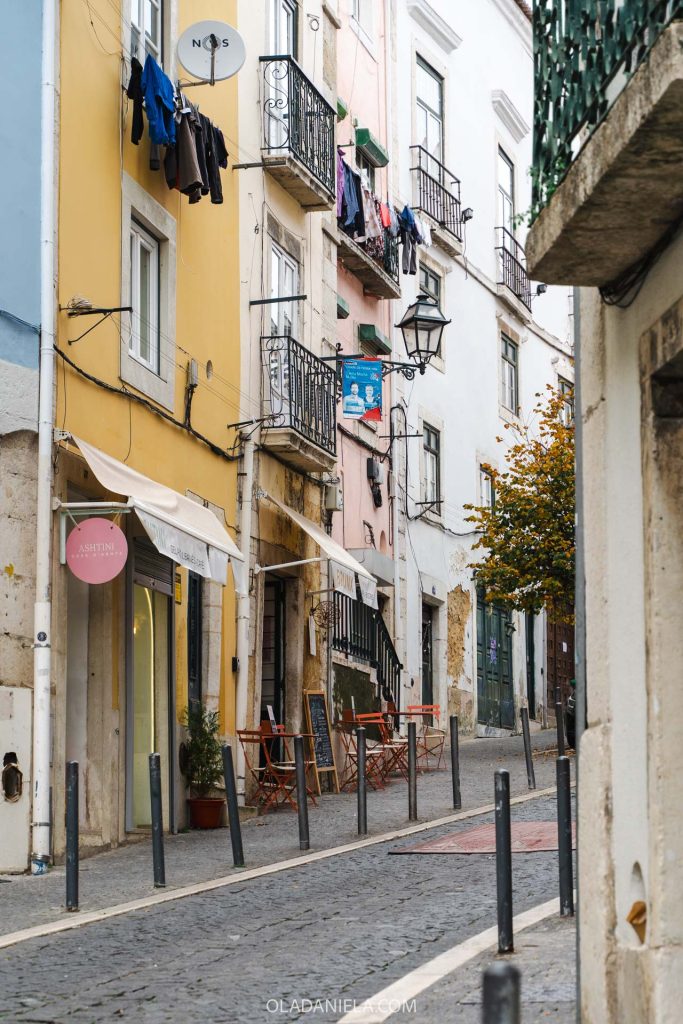
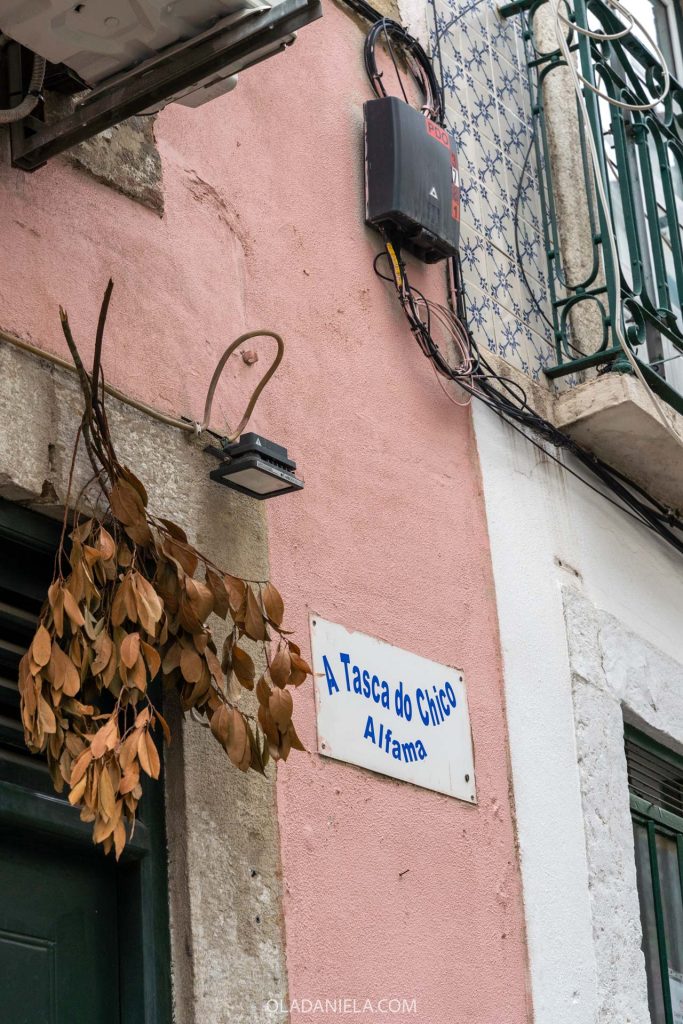
Tasca do Chico – Bairro Alto & Alfama
The most famous fado vadio spot might be Tasca do Chico in Bairro Alto. Every inch of the original small bar (open since 1994) is decked out with photographs and sporting scarves. Chico is well-known for its more relaxed approach, where you can go for a drink and simple snacks. However, it’s firmly on the tourist radar, so going early is wise (or be prepared to wait).
There’s a second location in Alfama – on the street famous for fado – and this one has more of a restaurant vibe, with a well-priced set menu. Both are cash only.
- Location: Bairro Alto & Alfama – R. do Diário de Notícias 39 – Bairro Alto | 451, R. dos Remédios 83 – Alfama
- Vibe: the OG bar is crowded, busy, and you have to go early
➡️ No reservations
Tasca do Jaime – Graça & Alfama
Afternoon fado? Go to Tasca do Jaime. On weekends, between the lunch and dinner services, this traditional tavern in the Graça neighbourhood puts on a casual show. It does get busy, so go early – and take note of the difference in price or consumption between standing at the bar or sitting at a table (yes, really). Across the afternoon, expect a few people to take the stage, including Senhor Jaime!
There’s a second Tasca do Jaime in Alfama, which offers fado some evenings with more of a restaurant vibe. It sounds like you can still slip in for a drink at the bar. Cash only!
- Location: Graça & Alfama – Rua da Graça 91 – Graça | R. de São Pedro 40 – Alfama, Lisbon
- Vibe: the original afternoon fado in Graça seems like it’s the better experience
➡️ No reservations
Devagar Devagarinho
On Friday evenings (and sometimes Wednesdays), this relaxed traditional Portuguese restaurant has fado. Owner and chef Nelson Lemos runs the show, and when he’s not behind the grill, he’s a talented singer who joins the guitarists upstairs.
- Location: Avenida Liberdade – Tv. Larga 15
- Vibe: relaxed restaurant with a weekly fado night
➡️ Book here: Devagar Devagarinho
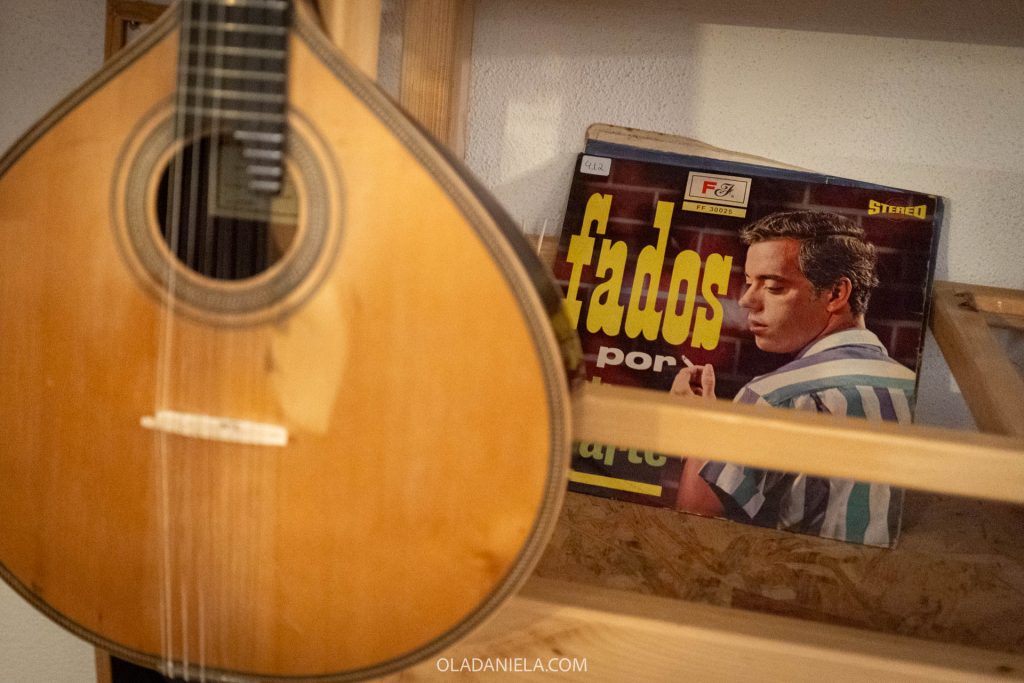
Clube Lisboa Amigos do Fado, Chelas
For a relaxed, neighbourhood fado vibe, head to this association in Chelas (a poorer outer bairro in Lisbon) for the Sunday matinee. Between 4-8pm expect snacks, beers and chatter, which all dies off when the fado performers start – silêncio!
- Location: Chelas, Lisbon – R. Dr. José Espírito Santo 49c
- Vibe: community club and bar
➡️ Book here: Call ahead for a table (or message on Facebook) – it books out.
Restaurante Nini
Every Thursday, this Lisbon restaurant (close to Marques de Pombal) hosts fado vadio from around 8pm until well after midnight. It’s well regarded by fado singers and locals.
- Location: Marques de Pombal – R. Dom Francisco Manuel de Melo 44A
- Vibe: Portuguese bistro dedicated to classic cuisine and fado singing
➡️ Book here: Set menu for €30, which you can book on The Fork.
Restaurante Dom Leitão
At Casa Pia Atlético Clube (right next to the football stadium), the restaurant specialty is Bairrada-style leitão (suckling pig) cooked in a wood-fired furnace – and on Friday or Saturday nights, there’s fado vadio.
- Location: Alto da Boavista – Estádio Pina Manique, Lisbon
- Vibe: roast suckling pig spot with Friday and Saturday night fado
➡️ Book here: Dom Leitão
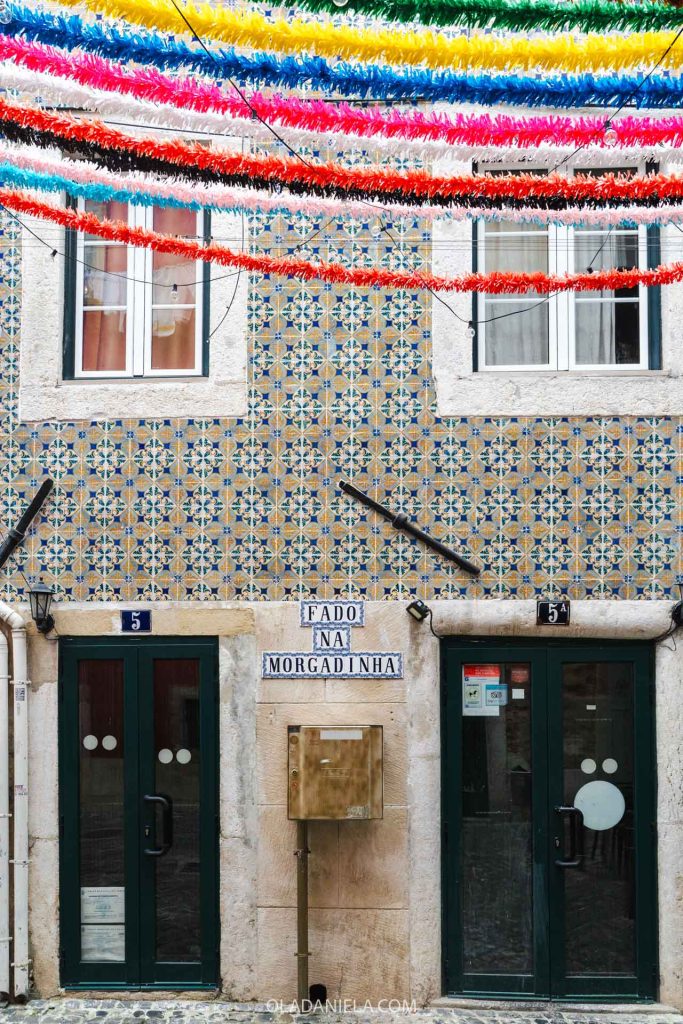
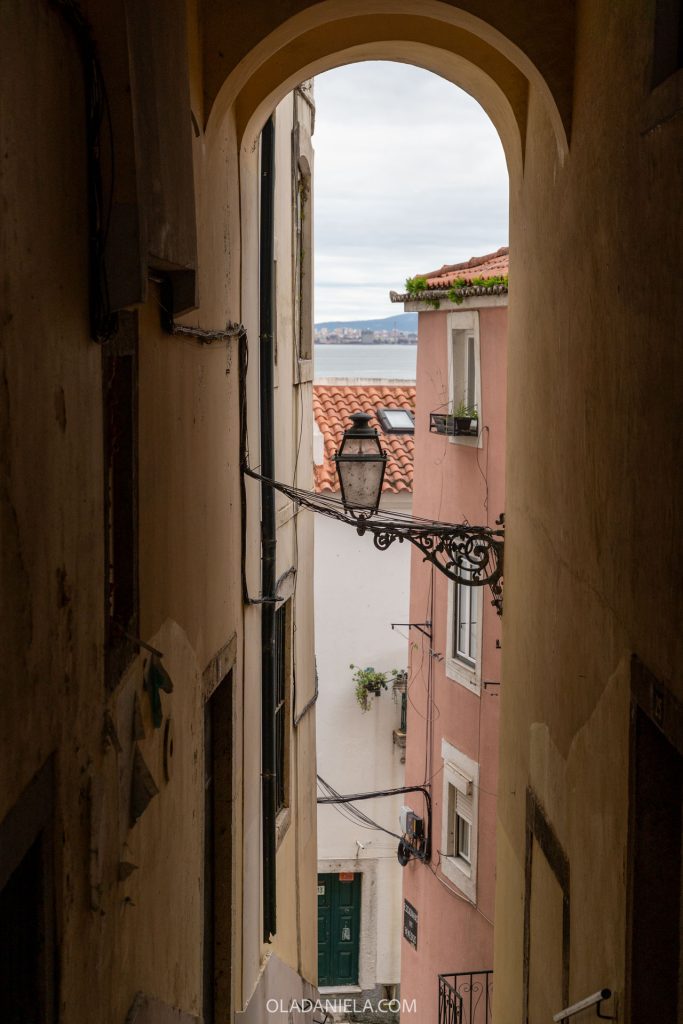
Fado na Morgadinha
It started as a tavern where men would gather to play cards, eat humble dishes, and occasionally sing fado to feel better. Fast forward many decades, and the space has become a casual fado vadio spot where anything is possible.
- Location: Alfama – Largo Peneireiro 5
- Vibe: casual fado spot that spills out onto a small square in Alfama
➡️ Book here: Fado na Morgadinha
More fado vadio houses in Lisbon
- Coração de Alfama – Alfama
- Esquina de Alfama – Alfama
- Sr. Fado de Alfama – Alfama, set menu
- Fado Maior – Alfama, next to Fado na Morgadinha, owned by a fado singer
Seek out fado on a whim: While I strongly suggest booking a fado dinner or show ahead of time, you could roll the dice and be spontaneous. If this is your vibe, go for a stroll down Rua dos Remédios in Alfama after dark, or try a wander in Bairro Alto. Just remember: not all fado houses are of equal quality – that applies to both food and performance.
Quick fado FAQs
How much does a fado show cost?
A fado dinner in Lisbon usually costs €50–€80 per person, depending on the venue, menu, and whether drinks are included. More traditional casas de fado often have a minimum spend rather than a fixed ticket price, but you can expect to spend a similar amount. Casual taverns with fado vadio are much cheaper, sometimes just the price of your drinks, and sometimes there is a performance fee. One-hour, theatre-style fado shows (without dinner) typically range from €10–€20.
Do you need to book ahead?
I strongly recommend booking your fado experience ahead, especially on weekends or at popular venues. Some have 100 seats, while others fit just 20-30. Some do two dining seatings a night, making walk-ins tricky. With fado vadio, you’re more likely to chance a seat. For the one-hour performances, you can do same-day bookings – but be careful in peak season.