Porto, the Invicta City (unvanquished), is a historic hash of granite streets and tall skinny buildings that lead down to the winding Douro River. While Lisbon is golden and sun-drenched, Porto is more moody and romantic. It’s this juxtaposed vibe that has drawn me back more than a dozen times since I moved to Portugal in 2018.
I’ve stayed in different pockets of Porto each time and have seen Portugal’s second city change and grow as tourism leaves its mark. While other travel writers (who aren’t based in Portugal) will cast half the city off as Baixa neighbourhood, I’ll tell you the compact city has much more nuance to each area.
Using my knowledge, along with the help of some Tripeiros (that’s what you call Porto locals), I’ve written this guide to include my favourite neighbourhoods and hand-picked the best hotels – including some I’ve had the chance to stay at.
Listed at the top are some quick picks, then I describe in detail the best areas to stay in Porto – from downtown hotels overlooking the Douro to a quiet garden retreat in Cedofeita. I tell you where to stay if you’re here for the food, history or nightlife – and where to avoid if you like a good night’s sleep.
I’ve hand-picked every hotel and guesthouse featured here. Let’s find your Porto home.
Heading to Lisbon, the Algarve or Coimbra too? Read my other where to stay guides.
Quick guide to Porto’s neighbourhoods
Further down, I describe each of these neighbourhoods in depth and give hotel suggestions.
- 📍 Ribeira – skinny historic buildings by the riverside. The postcard version of Porto, perfect for first-timers.
- 🏛️ Clérgios & Cordoaria (Downtown) – The heart of the city west of Aliados Avenue. Great for grand architecture and central logistics. Sometimes this area is called Baixa.
- 🍴 Bolhão – The busy, foodie soul of Porto, just east of Aliados. Home to the famous iron-and-glass market, traditional tascas and the city’s main shopping pulse.
- ⛪ Sé & Batalha – Sé is the oldest, most vertical part of town, with skinny lanes and cobbled streets. Atmospheric but very rugged. Batalha is newer and a quieter pocket.
- 🍷 Vila Nova de Gaia – Across the bridge. Best for Port wine cellars and the famous sunset views back toward Porto.
- 🎨 Cedofeita – Leafy, trendy and filled with concept stores and local creatives.
- ✨ Bonfim – The cool, local neighbourhood. Gritty in a good way, with specialty coffee and fewer tourists.
- 🌿 Miragaia – Quieter spot for garden lovers who want old Porto without the crowds.
Map of where to stay in Porto
A note on choosing your accommodation: Porto is experiencing overtourism and a housing crisis, with locals being driven out of the city due to high rental prices. If you can, choose to stay in hotels or larger guesthouses over apartments and Airbnbs.
✨ Top hotels I’ve stayed at in Porto ✨
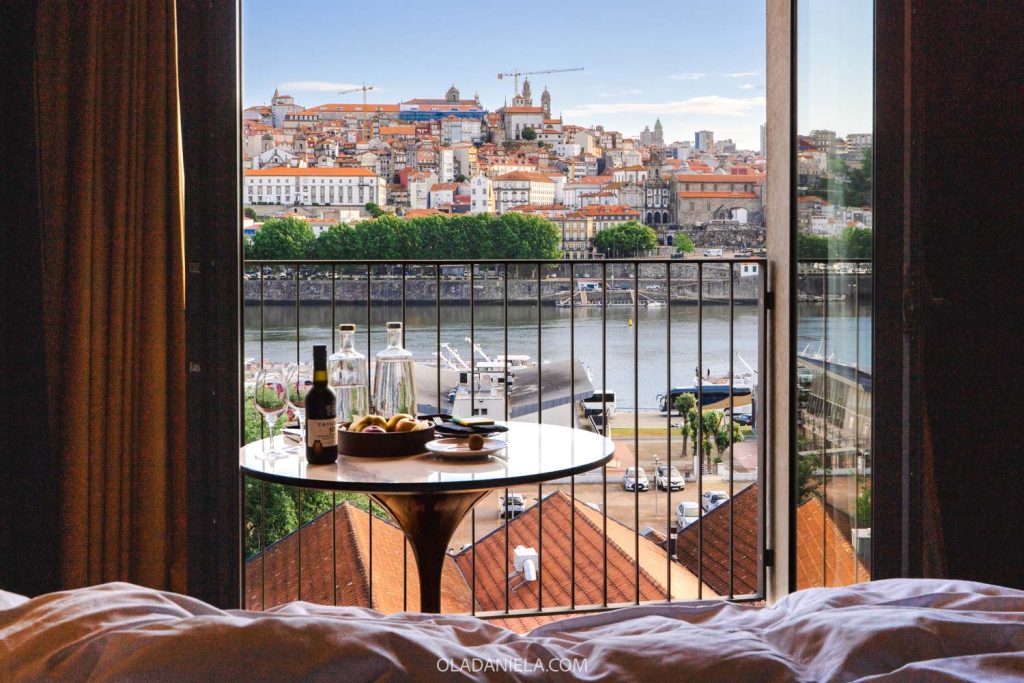
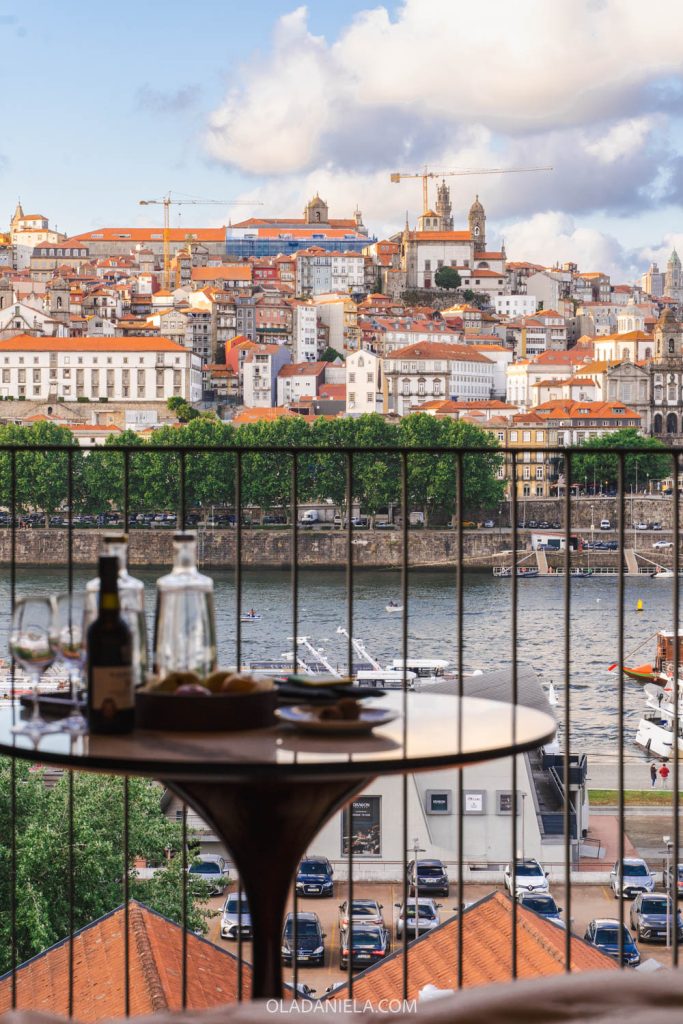
- Forte de Gaia (pictured below) – this 5-star hotel is a pocket of paradise in Porto. It’s located on the Gaia side (southern riverbank) so you open the curtains each morning to see the Douro River and Porto skyline wake up. Magic! Fantastic heated pool, gym and the best buffet breakfast spread with espresso coffee and eggs cooked-to-order.
- Village by BOA– A homely yet chic apart-hotel that blends historic charm with luxe hotel services. I loved staying here – it feels like a private, high-end sanctuary right in the heart of the city. Ideal for families and larger groups too.
- Canto de Luz – this boutique guesthouse is made for food and wine lovers. It’s within easy walking distance of Porto’s main sights, and there’s a great swimming pool too!
- The Passenger Hostel – For a budget pick, this upmarket and unique hostel is located within the iconic São Bento Train Station. You can book a private room or the dorms have pod-style beds. You can’t beat the location or the grandeur of staying in such a landmark building.
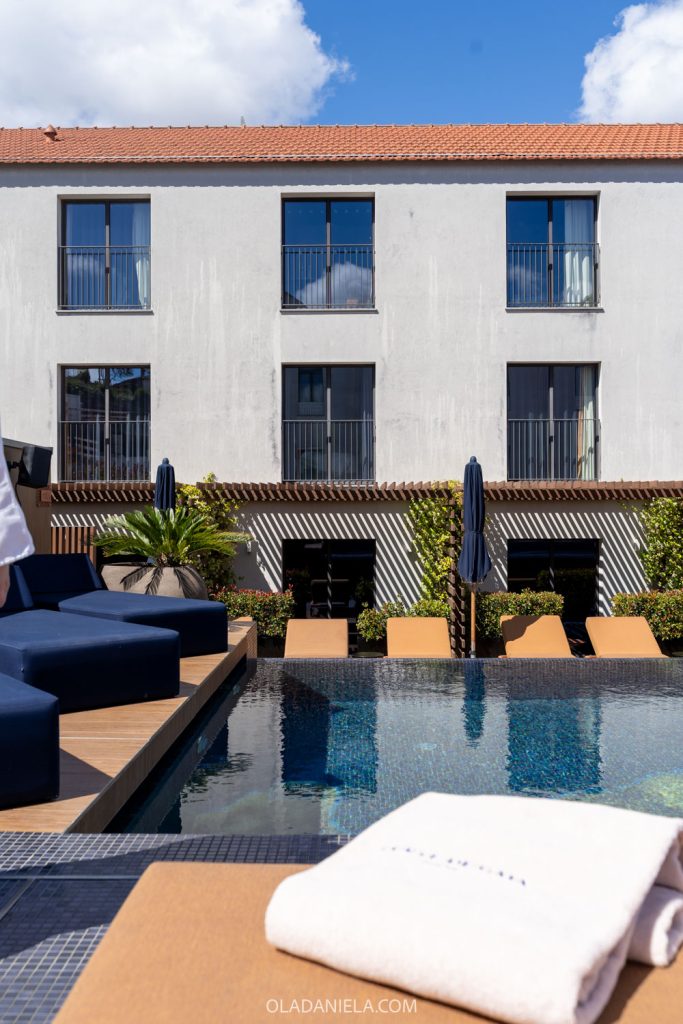
My favourite 5-star hotels in Porto
- Torel Palace Porto – A literary-themed boutique hotel in a stunning historic mansion.
- Pestana Vintage Porto – 5-star hotel riverfront hotel stretching across a handful of historic skinny buildings.
- Forte de Gaia – I stayed here! It was stunning opening the curtains each morning to see the river and skyline of Porto from the Gaia side of the river. Fantastic heated pool and breakfast.
- One Shot Palácio Cedofeita – luxury hotel with character, an outdoor swimming pool, sauna and fitness centre
My favourite 4-star hotels in Porto
- Pousada do Porto – chic 4-stay stay set on my favourite street, Rua das Flores.
- The Social Hub Porto – modern coworking hotel with a cool rooftop pool and lounge, pool table. Designed for students, business stays, and visitors.
- Porto Bay Teatro – sleek, theatrical-themed 4-star hotel right in the heart of Batalha, built on the site of an old 19th-century theatre.
- Vincci Ponte de Ferro – 4-star hotel right by the iconic bridge. I always look at the rooftop pool and sun terrace with envy!
Best neighbourhood in Porto for first timers
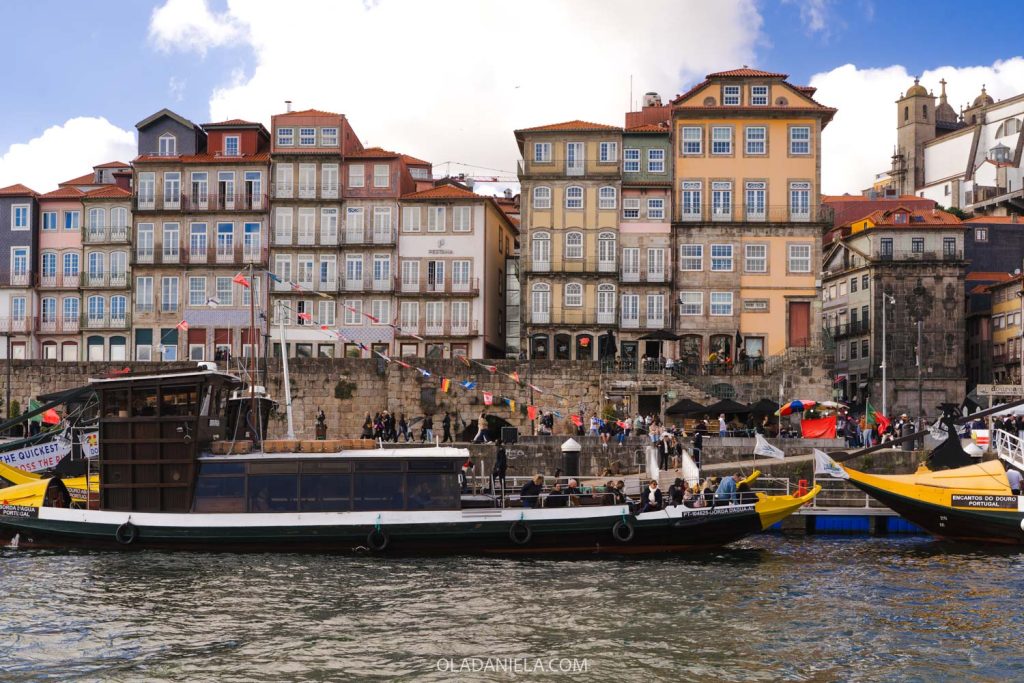
If it’s your first time in Porto, I’d aim for anywhere between Ribeira, Sé, Clérigos, Aliados and Bolhão. Honestly, you can’t really go wrong in the central quadrant. Closer to the river are older, narrow streets and houses that can be trickier to navigate on foot (read: stairs, cobblestones), but you’ll be in the thick of everything you’ve come to see. Slightly further north, the neighbourhoods of Clérigos and Bolhão are less touristic with better access to transport.
Best area to stay in Porto as a couple
It really depends on your interests, but if lazing in bed, hotel buffets and sunset views are your vibe, then consider crossing the bridge to Vila Nova de Gaia. You get the world’s best view of Porto’s skyline while sipping Port at sunset – I recently stayed at Forte de Gaia and it was gorgeous! Otherwise, I love to stay near Trinidade metro station, where boutique guesthouses Village by BOA and Canto de Luz are both a perfect base.
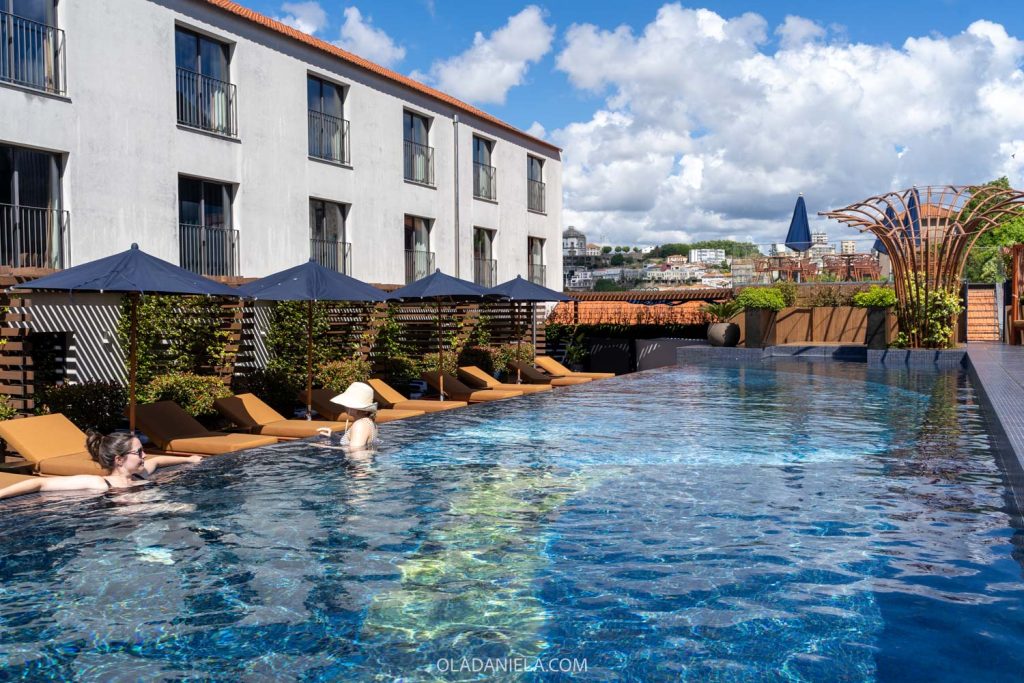
Where to stay in Porto with kids
For families, I’d try to be near a city park where the kids can run wild, and you’ve got a little more space. Cedofeita or Clérigos near Jardim de Cordoaria are always good. As is Bonfim, which still feels like a real neighbourhood where people actually live – think quieter nights and a much easier time navigating a stroller than the medieval stairs of the Sé.
Best area to stay in Porto with a car
If you’re driving, do your stress levels a favour and stay in Boavista or edge of Vila Nova de Gaia. The further out you are, the easier it is to park or find parking garages not designed just for tiny smart cars. If you do have a rental, maybe look along Porto’s metro lines and find a stay near a stop.
Where to stay: best areas & neighbourhoods in Porto
Ribeira – historic riverfront with postcard views
Ideal for: First-timers and anyone who wants to wake up with views of the Douro River.
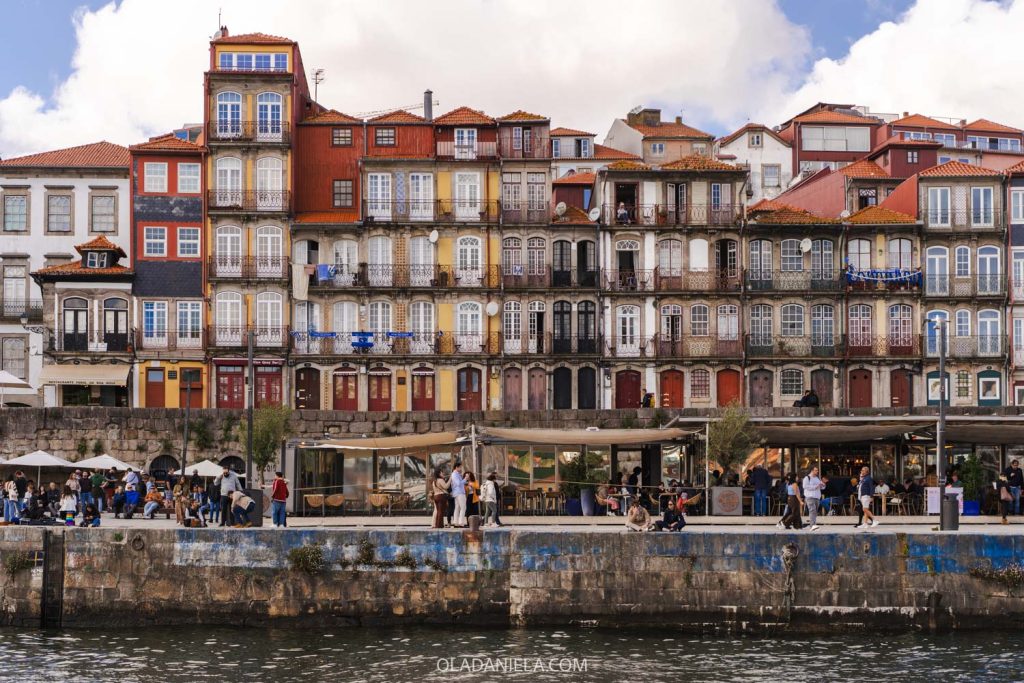
✨ Vibe: This is the Porto you see on every postcard – a tangle of skinny, leaning houses in shades of ochre and sun-faded red. During the day, Ribeira buzzes with street performers and tourists spilling out across café terraces. At sunset, the feeling by the water is magic.
Just note that if you stay down here, it’s an uphill walk to reach the rest of the city. For that reason, it’s not my top choice, but it might be yours.
📷 Sightseeing highlights: Walk the bottom deck of the Dom Luís I Bridge, people-watching at Cais da Ribeira, and the jaw-dropping (and very gold) interiors of Palácio da Bolsa. By the river, you’ll have easy access to boat tours on the Douro River.
Pros:
- Unbeatable I’m in Porto! atmosphere
- Roll out of bed, and you’re right on the Douro River
- Stupidly photogenic at every single turn
- Docks for boat trips and lots of restaurants
Cons:
- It’s the tourist epicentre, so expect big crowds
- Can be noisy late into the night
- The climb back up to the city centre is a serious workout
Where to stay in Ribeira
- Pestana Vintage Porto – 5-star hotel set right on the riverfront across historic buildings. Unbeatable.
- Porto River Aparthotel– 4-star apart-hotel right on the riverfront with gorgeous studios and 1- and 2-bed apartments.
- Ribeira Douro Hotel – renovated 14-room hotel set in two rehabilitated buildings. Some rooms have river views.
- Casa Zogbi Hotel – boutique hotel set in a 17th-century building steps from the river.
- Descobertas Boutique Hotel – 4-star hotel in Ribeira’s backstreets.
Read next… Best boat tours in Porto (that I’ve done!): Six Bridge Cruise Vs Sailboats
Clérigos & Cordoaria – the city heart, ideal for first-time visitors to Porto
Ideal for: People who want to be in the middle of it all with easy access to the city.

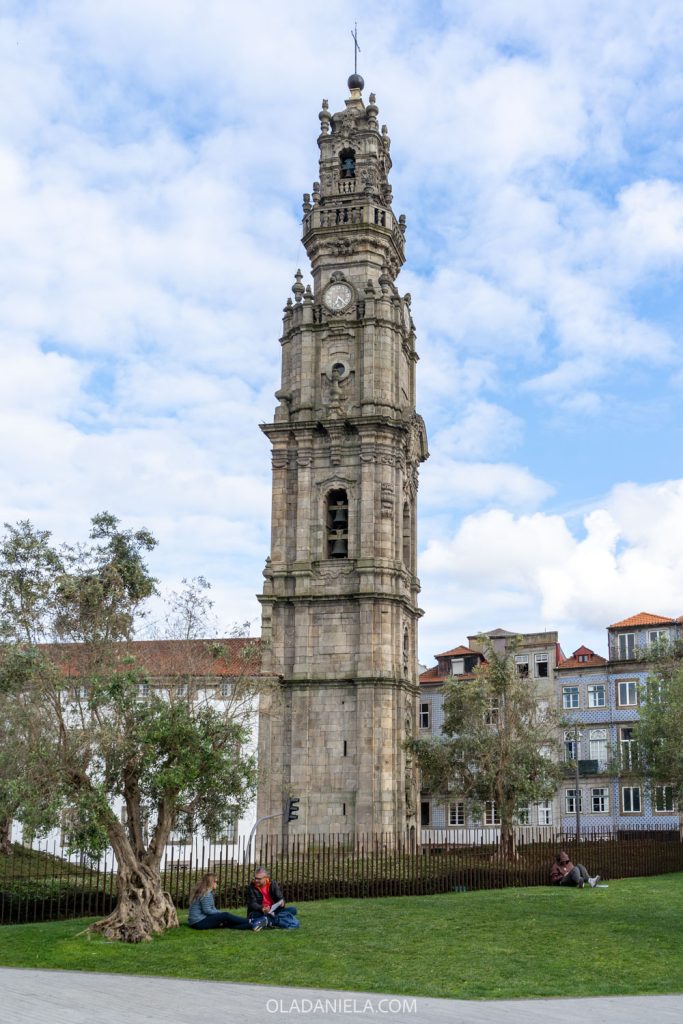
✨ Vibe: Think wide, Parisian-style boulevards and majestic granite buildings with the chime and sight of the Clérigos tower anchoring the scene. It’s a busy, bustling, downtown feeling that’s at once historic, central and interesting. There are some gorrrrrgeous stays and hotels in this zone of Porto – especially along Rua das Flores, a beautiful pedestrian thoroughfare with boutique shopping and dining.
South of the tower, the streets get skinnier and may be harder to reach by Uber or taxi the closer you get to Porto’s Sé (Cathedral), which dates back to 1108. This is the highest part of the central city, so it’s all downhill from there.
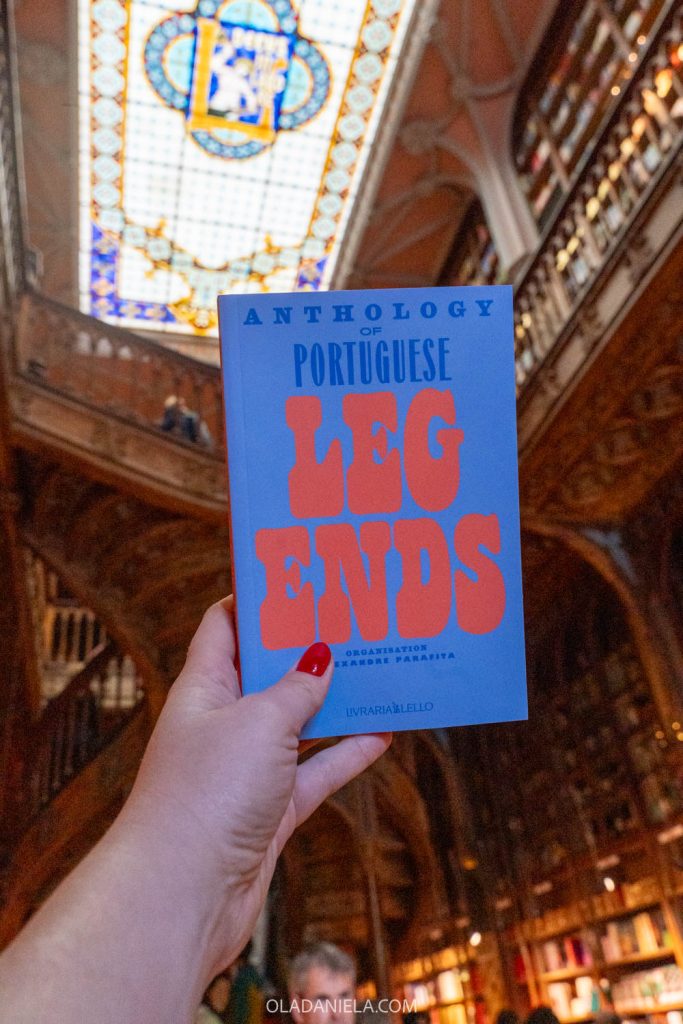
📷 Sightseeing highlights: Snap the blue tiles at São Bento Station, brave the queue for Lello Bookstore, and climb Clérigos Tower for the 360-degree views. Wander down Rua das Flores for boutique shopping and to access Ribeira.

Pros:
- Best transport links for the airport and day trips
- Tons of great restaurants within a 5-minute walk
- Generally flatter and easier to navigate than Sé or Ribeira
- Great choice of stunning, modern hotels in historic buildings
Cons:
- Be careful with stays near Rua Galeria de Paris or Rua de Cândido dos Reis if you want to sleep before 4 AM (the main nightlife hub)
- Major construction for the new metro lines can make some streets a bit of a maze
Where to stay in Clérigos & Cordoaria
- Casa da Companhia Hotel & Spa – 5-star hotel that’s part of the Vignette Collection by IHG.
- InterContinental Palácio das Cardosas – If you want to feel like royalty, try this 5-star hotel set in a literal palace overlooking the main square.
- One Shot Aliados Goldsmith – 4-star, design-forward hotel in a former 19th-century jewellery shop.
- Mercure Porto Centro Aliados – 4-star pet-friendly hotel so you can bring your dog! A friend stayed with her dog and loved it.
- Eurostars Aliados – 5-star stay on Porto’s main Belle Époque square.
- Pousada do Porto – 4-star hotel set on my favourite Rua das Flores.
- Hotel Kodawari Flores – A hotel that promises “the best night’s sleep in the world” – think luxury mattress, pillow menu, turndown gifts….
- S.Bento Residences – for an apart-hotel with a kitchenette, these modern studios and 1-bed apartments are perfect.
- Grande Hotel Paris – 4-star hotel with trés chic styling.
Bolhão – the beating foodie heart of Porto
Ideal for: Food lovers, shoppers and people who want to be where the action is.
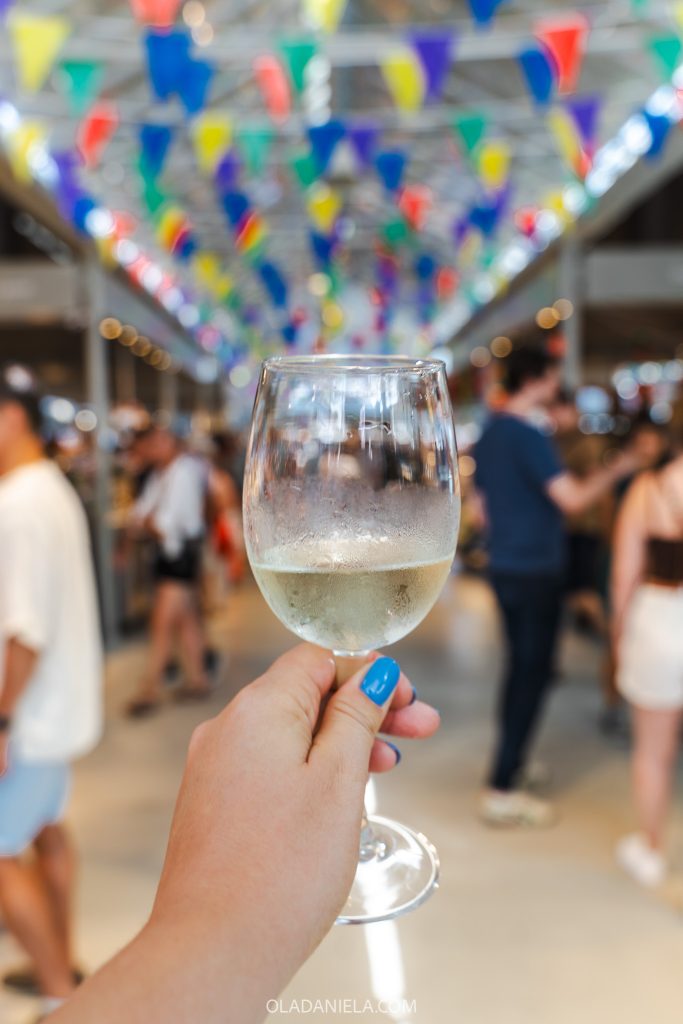
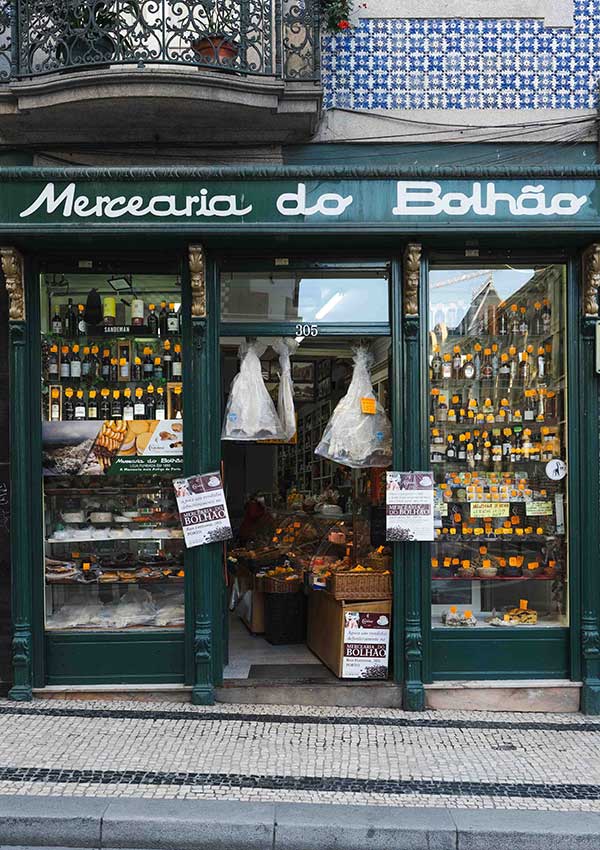
✨ Vibe: Bolhão is easily one of my favourite pockets to make a base in Porto. Life here centres around the huge and historic market hall, a destination that should be on every Porto itinerary.
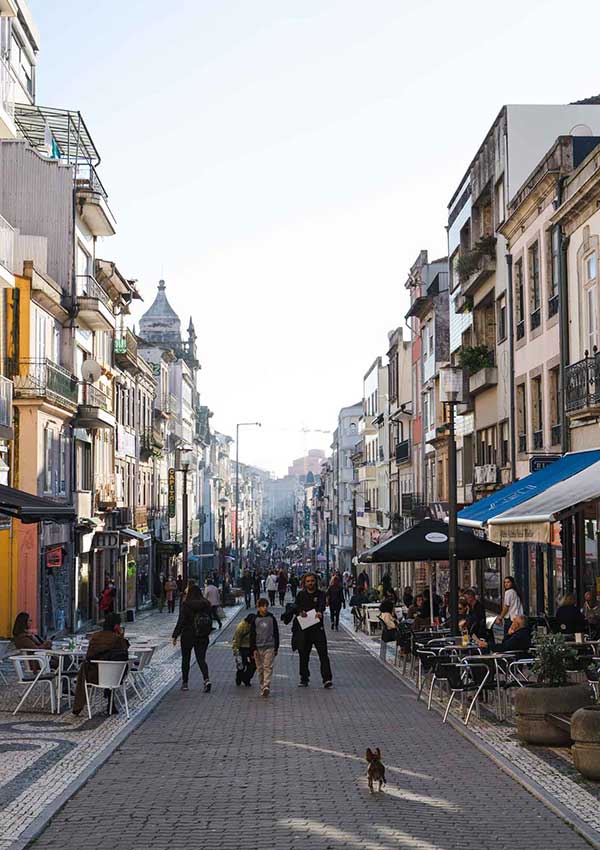
Nearby Rua de Santa Catarina is Porto’s main pedestrian shopping street that stretches for blocks, and while this area is popular with visitors, you’ll also see grandmas with shopping trolleys. It’s a high-energy, central stay close to it all.
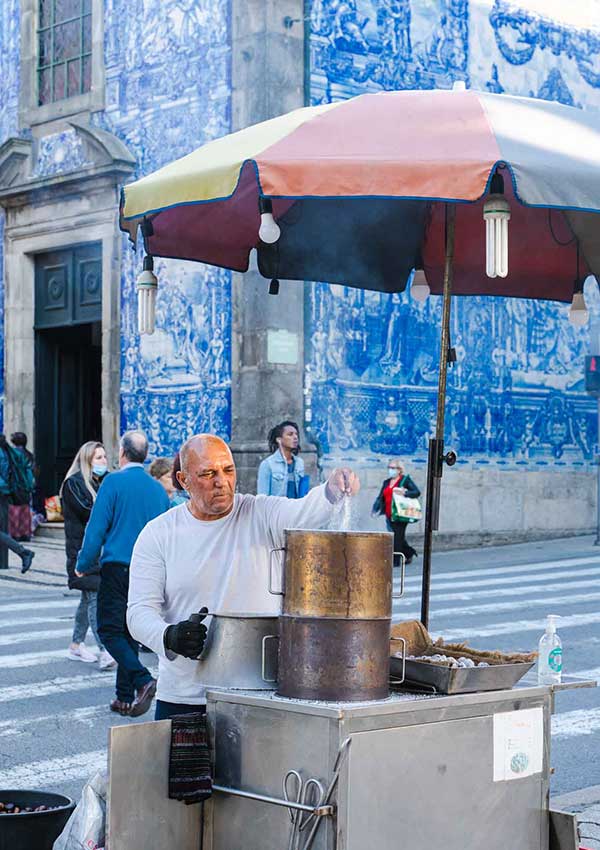
📷 Sightseeing highlights: The renovated Mercado do Bolhão (grand market hall), the azulejo-covered Capela das Almas, shopping along Rua de Santa Catarina and eating at rabanada at historic Café Majestic.
Pros:
- Wake up near the food market – a great start to any day!
- Mostly flat streets (your legs will say obrigado/a)
- Direct metro link to the airport
- Great dining and shopping
Cons:
- Can get very crowded and chaotic during peak shopping hours with locals and visitors
- Commercial bustle might mean early morning noise
Where to stay in Bolhão
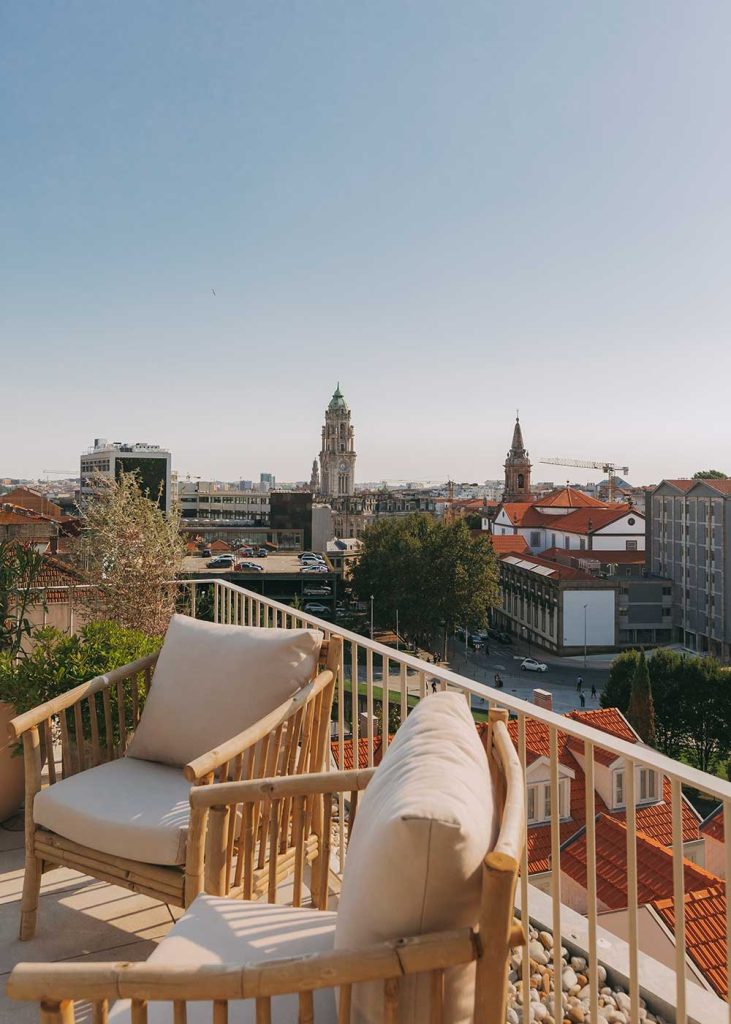
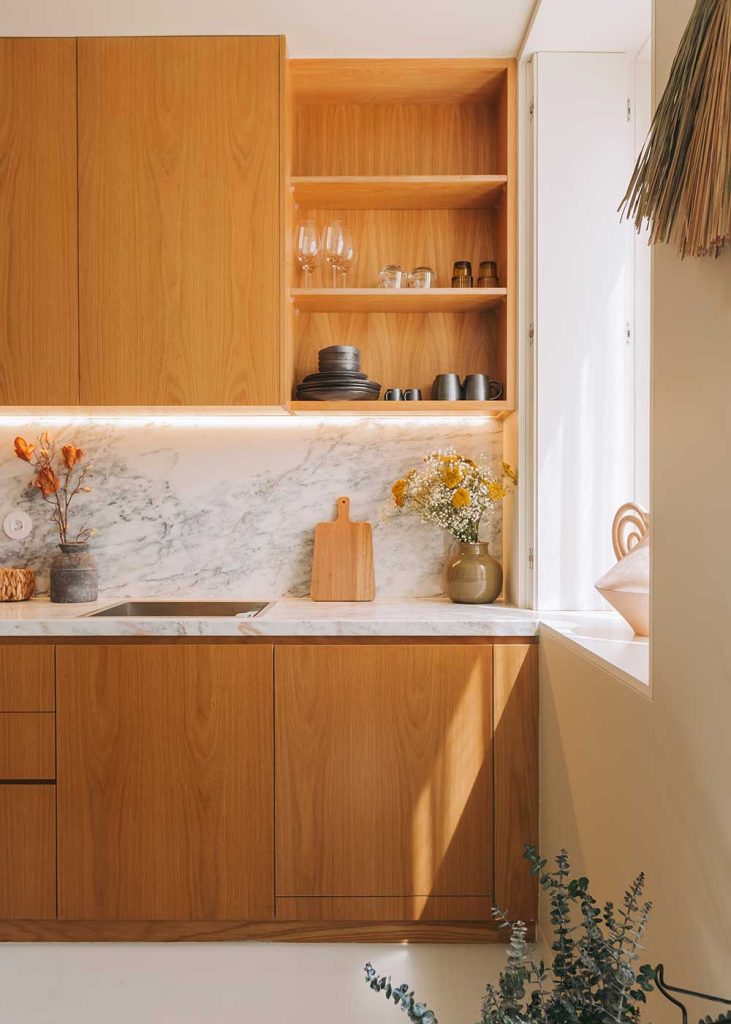
- ✨My pick: Village By BOA✨– I stayed at this stunning and homely apart-hotel that comes with luxe hotel services, historic charm and warm design touches. It’s well located right next to Porto’s best metro station
- The Editory Artist Baixa Porto Hotel – 5-star super cool, design-focused hotel in a former art school.
- Pestana Porto – A Brasileira – 5-star stay in one of Porto’s most central and emblematic historic buildings.
- Torel Saboaria – 5-star hotel from the Torel brand, who only do brilliant. A dream stay!
- The Social Hub Porto – 4-star modern coworking hotel with a cool rooftop pool and lounge, pool table. Designed for students, business stays, and visitors.
- Vincci Bonjardim – 4-star hotel with 7 floors and styling inspired by the nearby Bolhão Market.
- Grande Hotel do Porto – 3-star chic little hotel with history.
- ibis Porto Centro – 3-star renovated hotel.
- Mercure Porto Centro Aliados – A solid, stylish 4-star with a hidden courtyard pool.
- Malmerendas Boutique Lodging – chic guesthouse with design-led apartments and a lush garden.
- Oporto Maison Palace – renovated apartments on a quiet street, a little further out.
Sé & Batalha – for medieval moods and granite alleys
Ideal for: History lovers and transport convenience.

✨ Vibe: The streets around Porto’s Sé (Cathedral) are a criss-cross of narrow alleys and grey granite homes that date back centuries. It has a moody feel and is a great place to photograph washing hanging from windows and over medieval arches. While wonderful, just don’t expect an Uber to drop you at your door – these streets were built for donkeys, not Dacias. There are streets in Porto made of staircases, so keep that in mind if you have mobility issues or a pram.
Batalha is a little more open plan with grand plazas centred around the theatre and the end of the historic tram line. Staying here means you’re perched at the highest point of the old town, perfectly positioned between the shopping of Bolhão and the bridge to Gaia. My favourite area of Batalha is around the São João National Theatre – I find other parts can be a little too quiet.
📷 Sightseeing highlights: The fortress-like Porto Cathedral (Sé), the sprawling views from the Cathedral Plaza, the beautiful São João National Theatre and the entrance to the upper deck of the Dom Luís I Bridge.
Pros:
- You’re right by the Guandais Funicular and São Bento station – logistically, it’s a 10/10.
- Around Sé, it’s all old Porto but just a bit more accessible than the deep Ribeira alleys.
- Incredible views over the terracotta rooftops and the river.
Cons:
- The stairs. Most of Batalha is open and easy, but closer to Sé and the riverfront, make sure you read the reviews of your hotel or guesthouse carefully. There are some serious stair workouts in the area.
- While Batalha itself is flatter, you’re still on a hill and will have to climb back up.
Where to stay in Batalha & Sé
- GA Palace Hotel & Spa – 5-star 19th-century palace hotel beauty! Who doesn’t want to wake up feeling like royalty?
- Torel Palace Porto – another stunning 5-star hotel from the Torel group. Always perfection.
- Porto Bay Teatro – sleek, theatrical-themed 4-star hotel right in the heart of Batalha, built on the site of an old 19th-century theatre.
- Catalonia Porto – 4-star hotel close to everything.
- NH Collection Porto Batalha – 4-star hotel
- Hotel Premium Porto Downtown – 4-star hotel with a generic name but decent rates.
- Jardim da Batalha Boutique Hotel by Shiadu – 3-star hotel from the Shiadu group, who seem to do top-rated mid-range really well.
- ✨ Budget pick: The Passenger Hostel✨ – I’ve stayed here inside the stunning São Bento Train Station. It’s one of the most beautiful hostels you’ll ever see.
- Casa do Cativo – historic guesthouse with apartments and a shared pool
- VIVA Three Magi Residence – chic budget option for apartments
- Olive Nature Apartments – cosy, calm apartments
Vila Nova de Gaia – for wine cellars and skyline sunset views
Ideal for: Couples, wine enthusiasts and people who have visited Porto a few times.

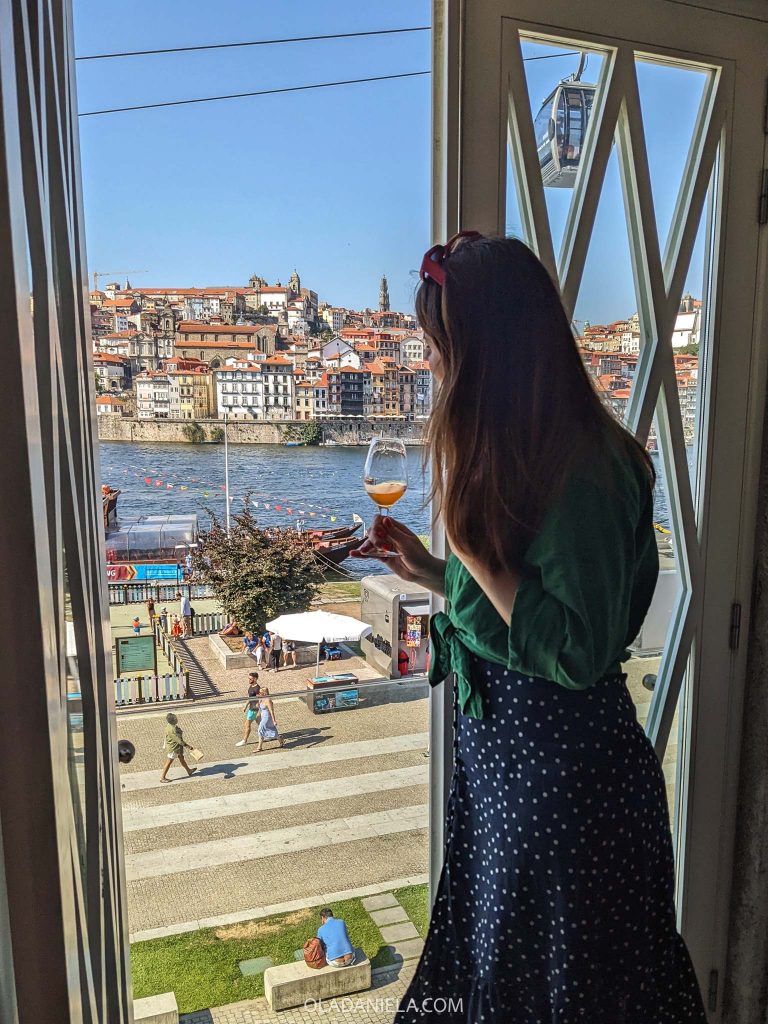
✨ Vibe: Technically, you’ve left Porto and crossed the river into Gaia city, but for most visitors, it’s all one big playground. This is the land of the Port wine lodges – tune in your nose, and you might pick up the scent of aging oak and sweet fortified wine. It’s a bit more industrial-chic in Gaia with massive old warehouses turned into tasting rooms and a handful of gorgeous high-end hotels that enjoy stunning sunset views of Porto’s skyline.
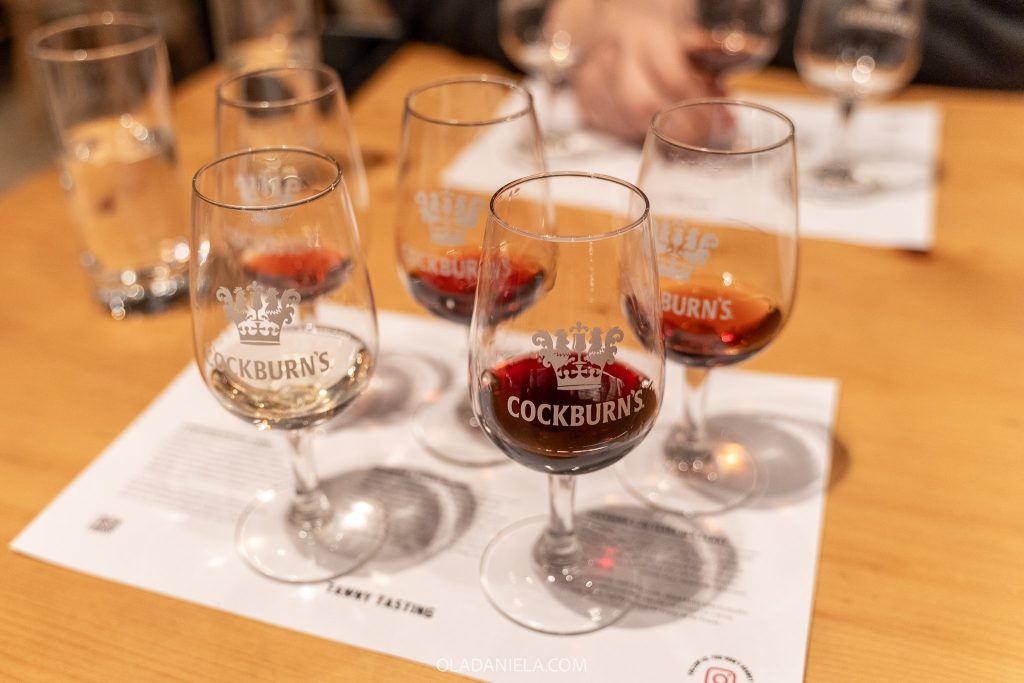
📷 Sightseeing highlights: Tour a Port wine cellar (Cockburn’s, Graham’s or Taylor’s are classics – read my full list here), ride the Gaia cable car and watch the sunset from Jardim do Morro. I also like the riverfront walk around to Afurada, a fishing village within the city – an awesome spot for a grilled fish lunch or boat tour.
Pros:
- Hands down, the best views of Porto’s skyline.
- The epicentre of Portugal’s famous Port wine culture
- Generally has more spacious, modern hotel options
- Larger rooms and easier parking
Cons:
- You have to cross the bridge (or take a water taxi in summer) for almost all sightseeing in downtown Porto
- The waterfront is very touristy, but nice for a promenade
Where to stay in Vila Nova de Gaia
- ✨My pick: Forte de Gaia ✨I stayed here and it was incredible to open the curtains each morning and see the river and skyline of Porto. This 5-star hotel offers a fantastic breakfast and has a heated pool and decent gym. The staff were so lovely and accommodating, and it’s easy to park with valet.
- The Yeatman – super luxe 5-star hotel. Every room has a balcony facing Porto, and the pool is shaped like a decanter. A bucket-list stay!
- The Rebello Hotel & Spa – 5-star gorgeous, modern hotel with an old-world feel right on the riverbank. A worthy splurge.
- Vincci Ponte de Ferro – 4-star hotel right by the iconic bridge. I always look at the rooftop pool and sun terrace with envy!
- Caléway Hotel – 4-star boutique hotel tucked behind the riverfront with a hidden garden.
- 7 Gaia Roaster Apartments – modern apartments from a local specialty coffee roaster 7g. Safe to say breakfast is included.
Cedofeita – for the artsy, independent vibe
Ideal for: Cool hunters and a boutique neighbourhood vibe.
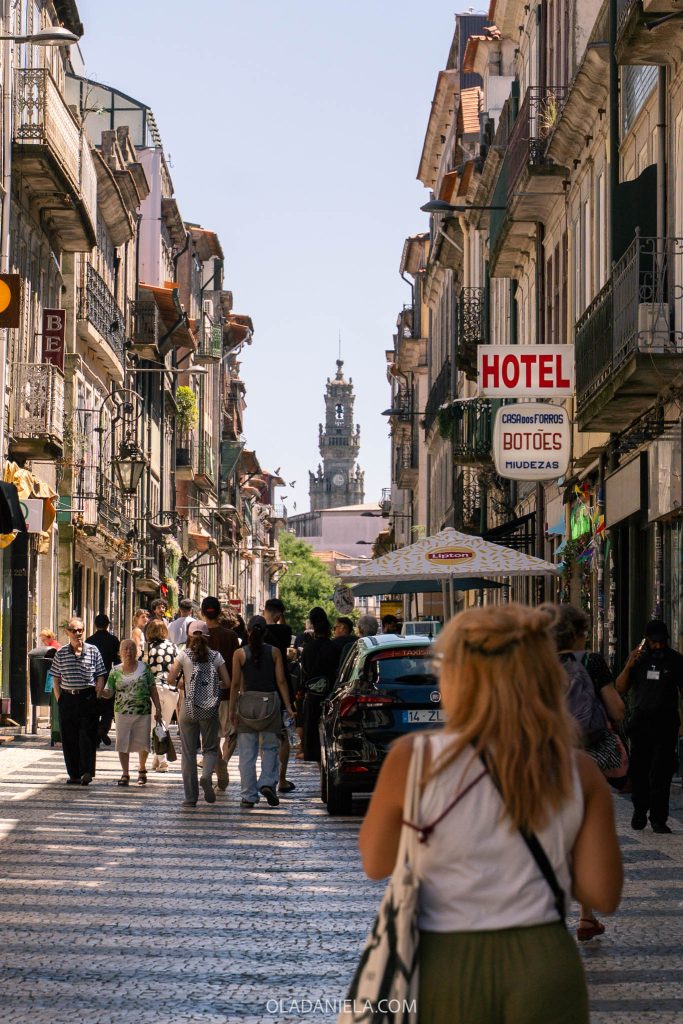

✨ Vibe: Cedofeita is a low-key, creative bairro loaded with independent galleries, cool cafes, wine bars and spots to shop vintage vinyl and buttons (yes, literal buttons). It’s central enough to walk to the sights, but has that indie neighbourhood feeling that’s homely yet interesting. You’re 10x more likely to run into the locals here than in Ribeira.
📷 Sightseeing highlights: It’s less major sights and more neighbourhood – hop along the axis between Rua de Cedofeita and Rua Miguel Bombarda to find cool stores, galleries and hospo businesses.
Pros:
- Incredible local food scene – best cafes, wine bars, cool spots in town
- Much quieter and more residential than Clerigos, Bolhão or Ribeira
Cons:
- A bit of a walk (15–20 mins) down to the river
- Doesn’t quite have the old Porto feeling of Sé or Ribeira
Where to stay in Cedofeita
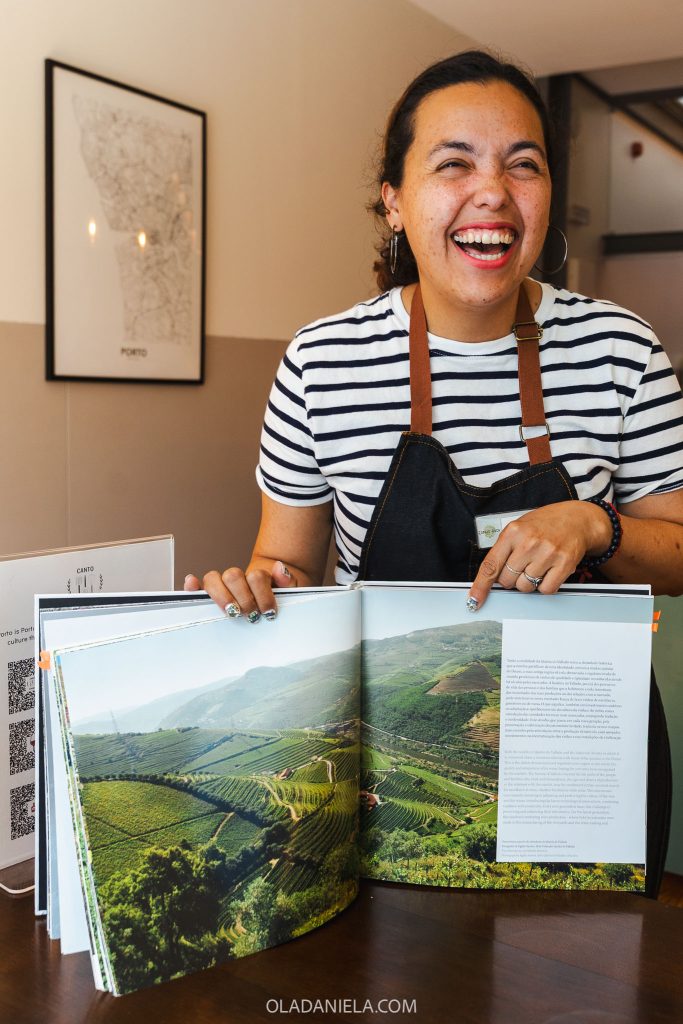

- ✨My pick: Canto de Luz✨ – A stunning, light-filled guesthouse that feels like staying in a very wealthy, very tasteful friend’s home. I’ve stayed in the luxe two-storey Minho suite – read about my stay here.
- Palace Museum Espaço Palmeiras – Want to wake up in a late 19th-century palace? This one is gorgeous and well-priced.
- One Shot Palácio Cedofeita – 5-star hotel with character, an outdoor swimming pool, sauna and fitness centre
- Renaissance Porto Lapa Hotel – 5-star with a lush rooftop pool? Step this way…
Dorma Essenzia Porto – 4-star hotel - Rosa Et Al Townhouse – boutique guesthouse with mid-century furniture and a delightful garden.
- The Rex Hotel Porto – old maison house turned hotel with private parking.
Bonfim – Porto’s cool, creative vibe
Ideal for: People who want to escape the tourist bubble.
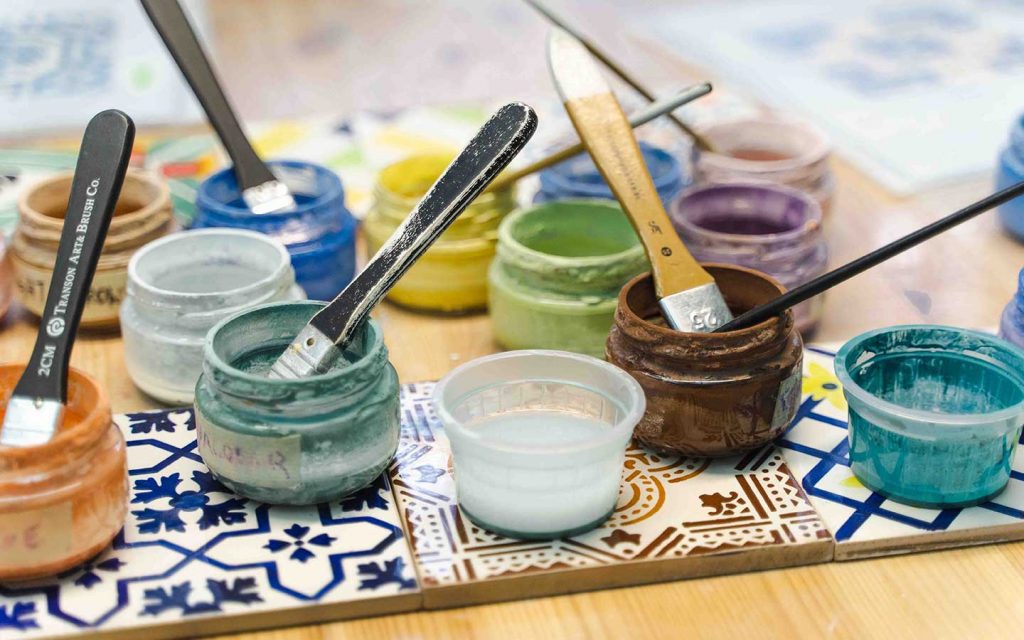
✨ Vibe: A couple of years ago, TimeOut called Bonfim Porto’s coolest neighbourhood thanks to a creative undercurrent. Bonfim is a leafy neighbourhood where you’ll find Portuguese families living alongside young creatives and expats. Here, tascas rub shoulders with cool cafes, and my favourite tile-painting studio, Gazete Azulejos, is nestled among them. If you want to see how Tripeiros (Porto locals) actually live, stay in Bonfim.
📷 Sightseeing highlights: Join a tile-painting workshop at Gazete Azulejos,take in the views at Miradouro da Fontainhas, or just walk the length of Avenida de Rodrigues de Freitas.
Pros:
- Some of the best-value accommodation in the city
- Maybe the best neighbourhood for craft beer and specialty coffee
- Far fewer crowds and tacky souvenir shops
Cons:
- A bit further out from the main sights, but still very walkable
Where to stay in Bonfim
- Artcore Hotel Porto – 4-star hotel with a cool character and artsy details
- JAM Porto – 4-star industrial-cool hotel with a co-working space
- Timbre Heroismo – slick 4-star hotel
- Acta Avenue Hotel – A reliable, stylish 4-star with a lovely rooftop.
- The Gallery Studios – guesthouse with character and a garden
Miragaia – historic riverside without the crowds
Ideal for: Quieter spot for garden lovers who want old Porto without the crowds.
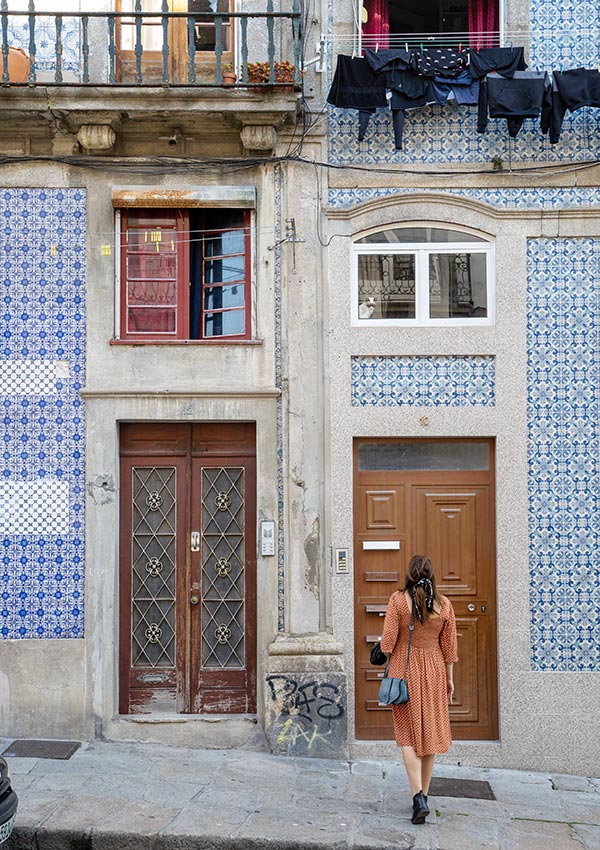
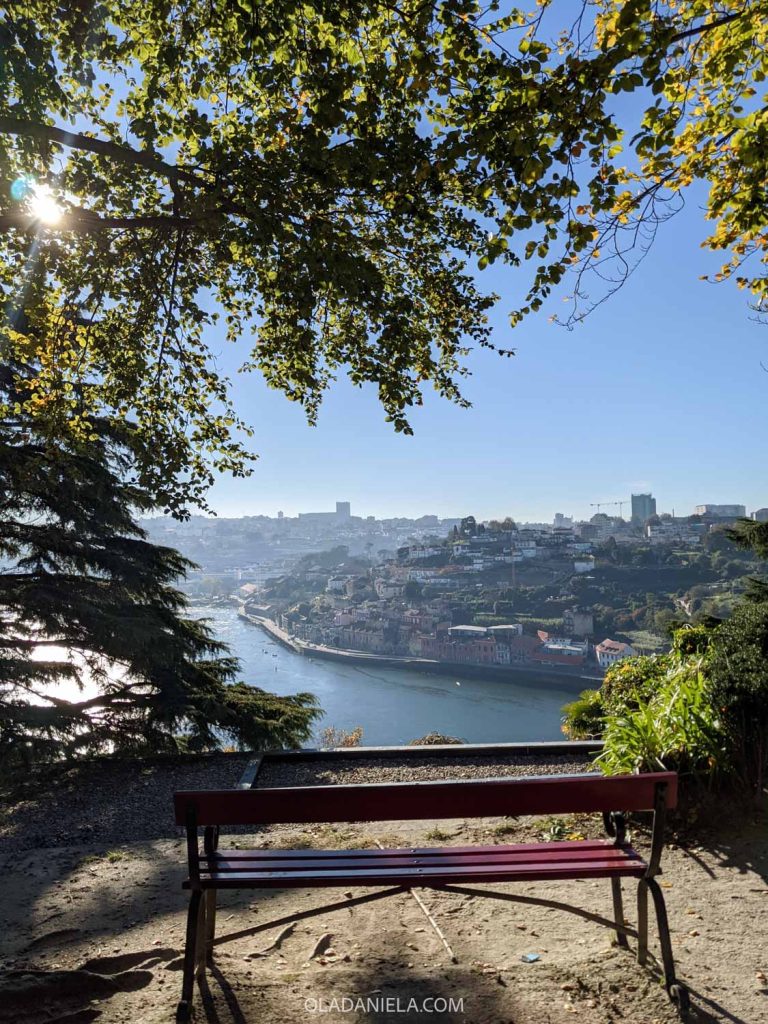
✨ Vibe: Just west of Ribeira, you’ll find the verdant riverside pocket of Miragaia. Originally a fishing village, this neighbourhood has a historic riverfront with quirky centuries-old houses from its days as a shipyard and two of my favourite gardens in Porto: the incredible Virtudes and Palácio de Cristal. Plus, you can hop on the vintage 1930s tram that rattles along the waterfront all the way to the rivermouth at Foz do Douro.
📷 Sightseeing highlights: Go peacock-spotting in the Jardins do Palácio de Cristal, explore culture at the Soares dos Reis National Museum, and visit the interactive World of Discoveries for a bit of maritime and colonial history.
Pros:
- Best sunset spots in the city (Virtudes and Palácio de Cristal)
- It feels more local and authentic despite being minutes from the centre
- Easy access to the riverside tram for a beach day or exploring
Cons:
- Some hills to navigate
- Not as many supermarket/grocery options as Bolhão or Cedofeita
- The tram can have long queues during peak summer hours
Where to stay in Miragaia
- Altis Porto Hotel – 5-star hotel with rooftop pool and river views!
- Torel Avantgarde – 5-star award-winning boutique hotel where every room is dedicated to an artist. The infinity pool overlooking the river is a stunner.
- Porta Nobre Boutique Hotel – 4-star restored apart-hotel with a gorgeous rooftop pool and Douro River views.
- Timbre Virtudes – 5-star hotel with a sun terrace.
- Menina Colina Guesthouse – colourful guesthouse that highlights the heritage of the space in a playful way.
- Vincci Porto – sophisticated 4-star hotel in a renovated Art Deco landmark known as Bolsa do Pescado.
- NEYA Porto Hotel – 4-star riverfront hotel
- Vila Gale Porto Ribeira – 4-star riverfront hotel
- Vilar Oporto Hotel – 3-star hotel
- Miragaia Riverside Suites – Cozy, stone-walled suites that put you right in the heart of the neighbourhood’s historic arches.
Other neighbourhoods to consider in Porto
Above, I’ve listed the main Porto neighbourhoods I’d recommend for first-time visitors. But for those who have visited the city before, perhaps you’re looking for a different kind of experience. Try one of these more local Porto areas.
Foz do Douro – for breezy, seaside luxury
Foz is where the Douro River meets the Atlantic, and it feels worlds away from Porto’s granite downtown alleyways. This upscale bairro is lined with fancy villas and palm trees. You can walk the Pergola da Foz at sunset or grab a coffee by the lighthouse. It’s about 20 minutes from the centre via a scenic (but slow) vintage tram, or take a quick Bolt or Uber.
Where to stay: Vila Foz Hotel & Spa, Hotel Boa – Vista, Hotel Portofoz
Boavista – for modern hotels, budget rates & public transport
Boavista is Porto’s wide-avenue business district. The hotels here? They likely have elevators, parking garages and maybe even larger rooms. Plus, cheaper rates and great metro and public transport links. It’s home to the iconic Casa da Música and the Serralves Museum. If you have a rental car, stay outside the zones on my map and choose somewhere like here. There’s still plenty to explore, including cool mid-century architecture and high-end shopping.
Where to stay: Hotel Casa da Música, Bom Sucesso Hotel, ABC Hotel Porto
Matosinhos – coastal suburb for surf and fish
Further up the coast from Foz is Matosinhos, Porto’s gritty fishing port turned surf hub. It’s almost a city in itself with a huge daily fish market and wide sandy beaches where you can learn to surf. Don’t miss Rua Heróis de França, famous for its outdoor charcoal grills where you’ll get the catch-of-the-day cooked up for lunch.
Where to stay: Four Points by Sheraton Matosinhos, Sea Porto Hotel, Eurostars Matosinhos.
Where to avoid staying in Porto
Like Lisbon, Porto is incredibly safe, but there are a few places to keep in mind:
- Rua Galeria de Paris & Rua de Cândido dos Reis: This is a main nightlife hub, where it’s likely people will be outside drinking and having fun – keeping you up if you like to go to sleep early. Avoid booking a low-floor apartment here unless you like the bass as a lullaby.
- Escada dos Guindais or Escadas do Codeçal: Maybe you’ve seen pictures of Porto’s beautiful, historic staircases that lead from the Cathedral down to the river. Charming and cute… unless you have to drag your heavy suitcase up or down.
- Current major metro construction: Porto’s Linha Rosa (Pink Line) is in the final stage of construction and is expected to open in 2027. It will link São Bento Station with Casa da Música. Check recent reviews for complaints about heavy construction or noise!
Getting around Porto
I find Porto to be very walkable and compact, and for any further journeys, the metro system or buses work very well. Here are some tips on how to get around.
Public transport tips
Use the Andante card (the Porto version of Lisbon’s Navegante). You can load it with “zapping” credit or a daily pass.
- Metro: The metro is super clean, and the Violet Line (Line E) takes you straight from the airport to the city centre in 25 minutes. I also like taking the Yellow Line (Line D) from Trinidade over to the river to Jardim do Morro for sunset, or the Blue Line (Line A) to Matosinhos for seaside fun.
- Trams: Take the vintage tram 1 along the riverfront from Ribeira to Foz. You can also ride tram 18 between Massarelos and Carmo. Tram 22 is currently out of action due to metro works.
- Buses: If there isn’t a metro stop, there will be a bus stop. Porto’s bus network is modern and fairly reliable. Use Google Maps to find the best ways to get around by bus.
- Guindais Funicular: If you’re at the river in Ribeira and need to get to the top of the hill (Batalha), don’t walk. The Funicular dos Guindais is a lifesaver and offers a great view of the bridge on the way up.
Uber, Bolt & Taxis
When in doubt – or if you have suitcases in tow – grab an Uber or Bolt. Both are popular in the city, and generally, I find Bolt to be the more budget-friendly of the two. Price-wise, both typically beat standard taxi fares unless a rush-hour surge kicks in.
That said, more recently, I’ve found the apps can get stuck “searching for drivers”, especially during peak times. While I’d skip the traditional taxi queue at the airport for all the usual reasons, hailing one off the street is a reliable backup.
So that’s my guide on where to stay in Porto. I hope this helped weigh up the pros and cons of each neighbourhood or helped you find your perfect hotel.
You should also read my 48-hour guide to Porto for ideas on how to spend your days.
Heading to Lisbon, the Algarve or Coimbra too? Read my other where to stay guides.
Read next…
- Taste of Porto: A food-filled weekend at Canto de Luz
- How to spend 48 hours in Porto
- Guide to the best Douro Valley wine tours from Porto
- The Independent Guide to the Douro Valley
- Where to stop between Porto and the Douro Valley
- Best tiles in Porto: Where to find Porto’s most beautiful azulejos
- Where to eat in Porto
- Tile of the day: Porto’s famous São Bento Station
- The best tile painting workshops in Porto