
You won’t see the inside of Coimbra’s most stunning building on this blog, or almost anywhere. So concerned is the leadership of Portugal’s oldest — and for hundreds of years only — university with protecting the bibliophilic treasures enshrined on the holiest floor of its ancient library that no photos are allowed. Think of it as a treat; a reward for those who make the trip and get to remember what it’s like to file away magical images of the wizardly tomb of weighty tomes and times gone by (and bats) with only their memories, not their phones.


“Coimbra is more than just the university,” our tour guide Julien explained while showing us around the giant, historic, hilltop university grounds. “It used to be the capital of Portugal.”
He’s referring to the years 1131 to 1255, when Coimbra was at the centre of this young, budding nation. My small mind can barely comprehend dates so long ago, and he’s speaking as though it was 90 not 900 years ago.
But the now-capital of the Centre region is also very much about the university. The University of Coimbra opened here in 1290, giving this Portuguese city a deep academic vein. While you certainly spend a lot of your 36 hours in Coimbra looking at historic monuments of the past, this small student city feels very much alive in the present.
Here’s what else you can do with 36 hours or a weekend in Coimbra.


The best things to do with 36 hours in Coimbra
➼ Wish someone could shortcut your Portugal research? ➼ Talk to me – I offer 1:1 video calls to help cut through the noise and plan your perfect Portugal itinerary. Find out more here.
Day 1 in Coimbra
Arrive in time for lunch… and try the local specialty
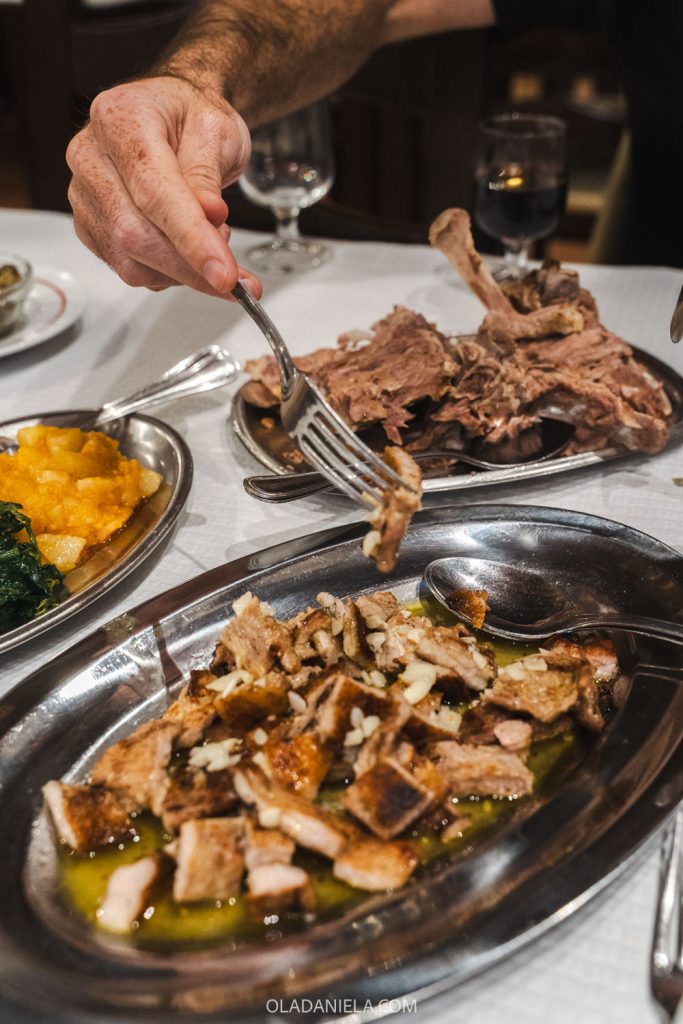
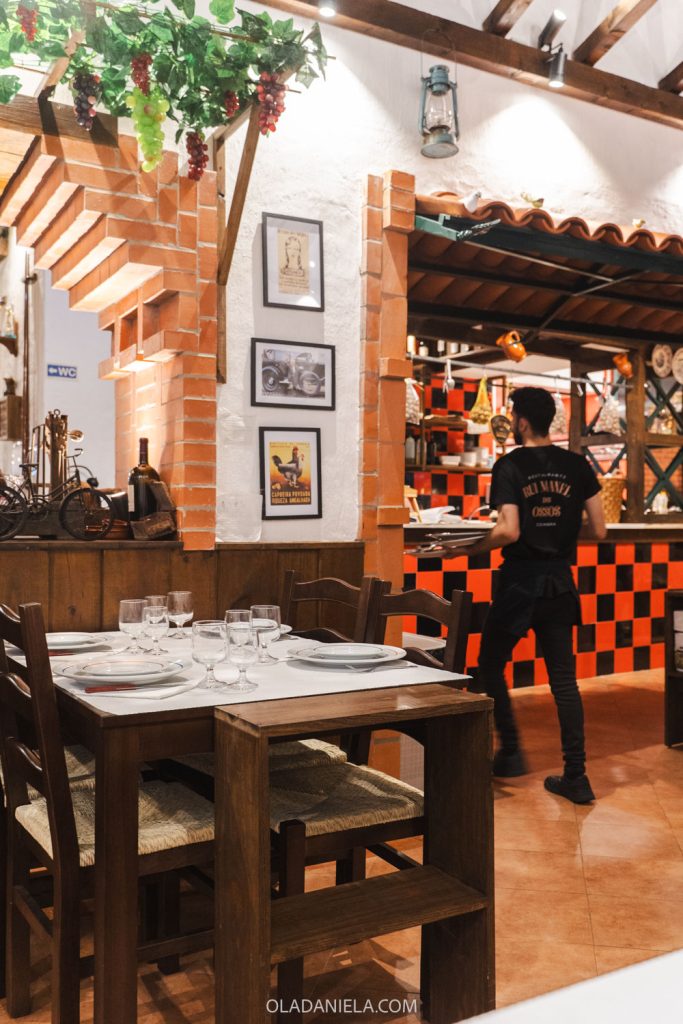
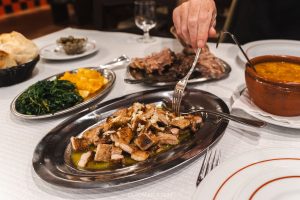
Once upon a time Zé Manel dos Ossos, a tiny tavern or tasca tucked down a skinny alleyway, was an essential stop on any Coimbra itinerary. Now it has company in the form of Rui Manel dos Ossos, which sits at the deadend.
Both houses, new and old, serve a Coimbra specialty – ossos aka pork bones that have been simmered in a peppery broth. It sounds a little odd, yes, but you’ll find plenty of meat on the bones and it’s quite the experience.
Find more wise dining advice on my where to eat in Coimbra guide.


Read next… Where to eat in Coimbra: the best restaurants, bars & sweets
Explore the Coimbra Alta & the University of Coimbra
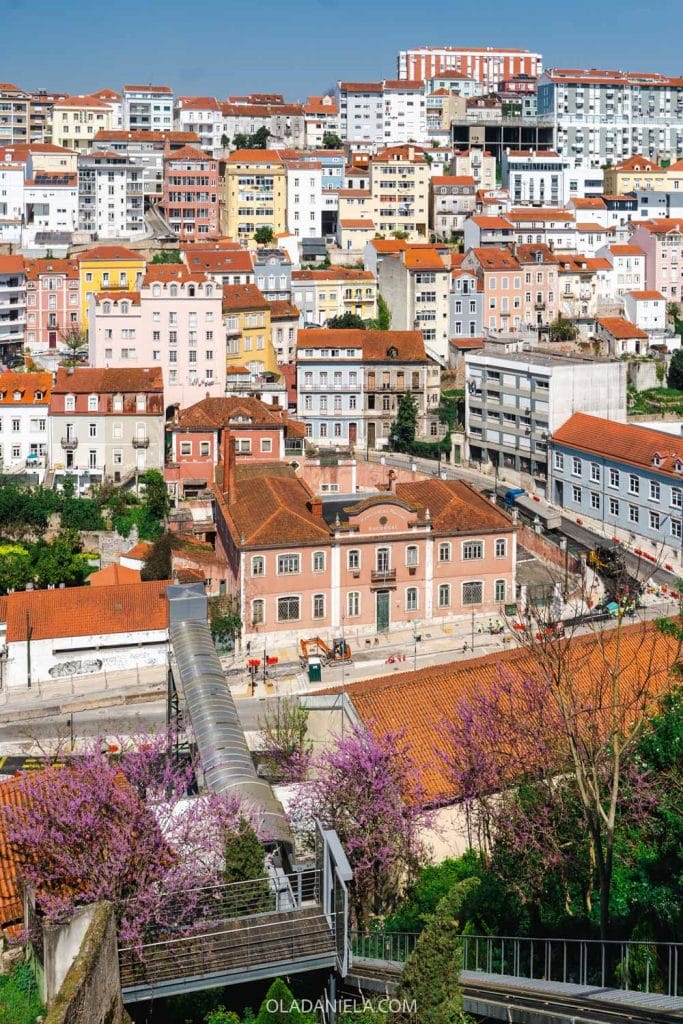
The old part of Coimbra is in two parts – Baixa (low) and Alta (high) – and it’s time to explore the higher UNESCO-protected hill. You have two choices – walk around to the Elevador do Mercado and buy a ticket for the two-step lift and funicular, or enter through an old city gate, pass the Almedina Tower (part of a medieval wall that predates the 11th century) and begin the climb up Rua de Quebra Costas (quite literally Backbreak Street).
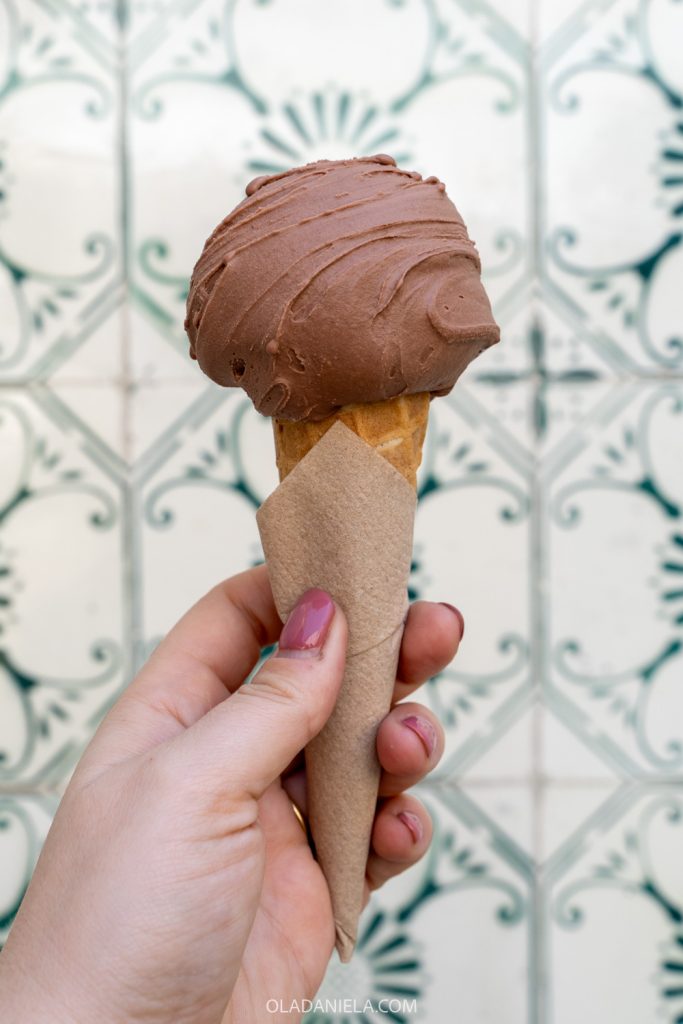
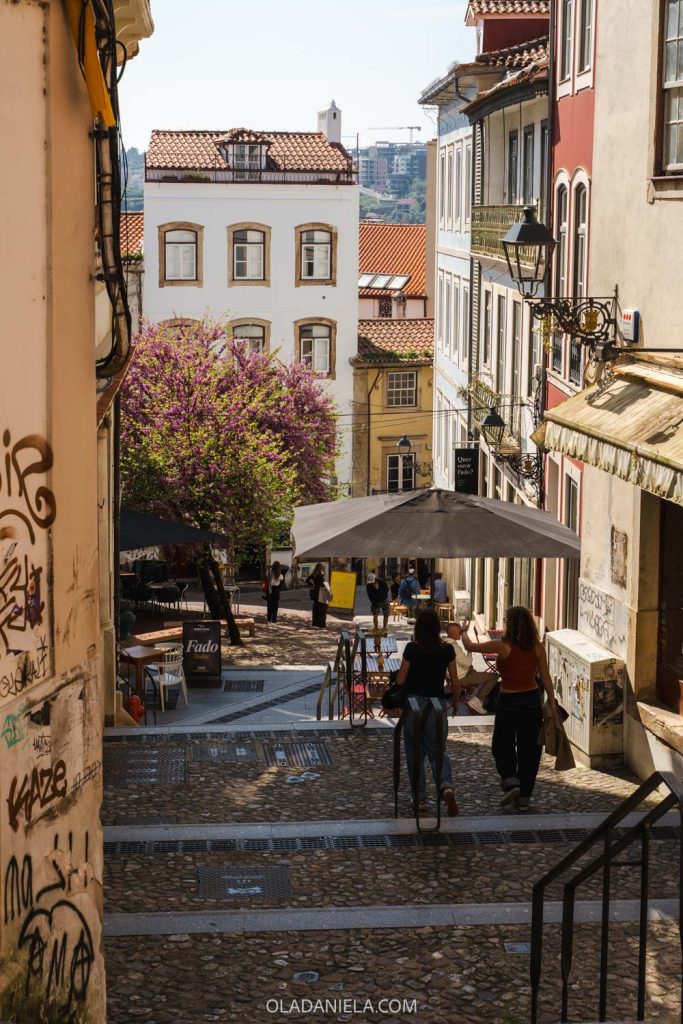
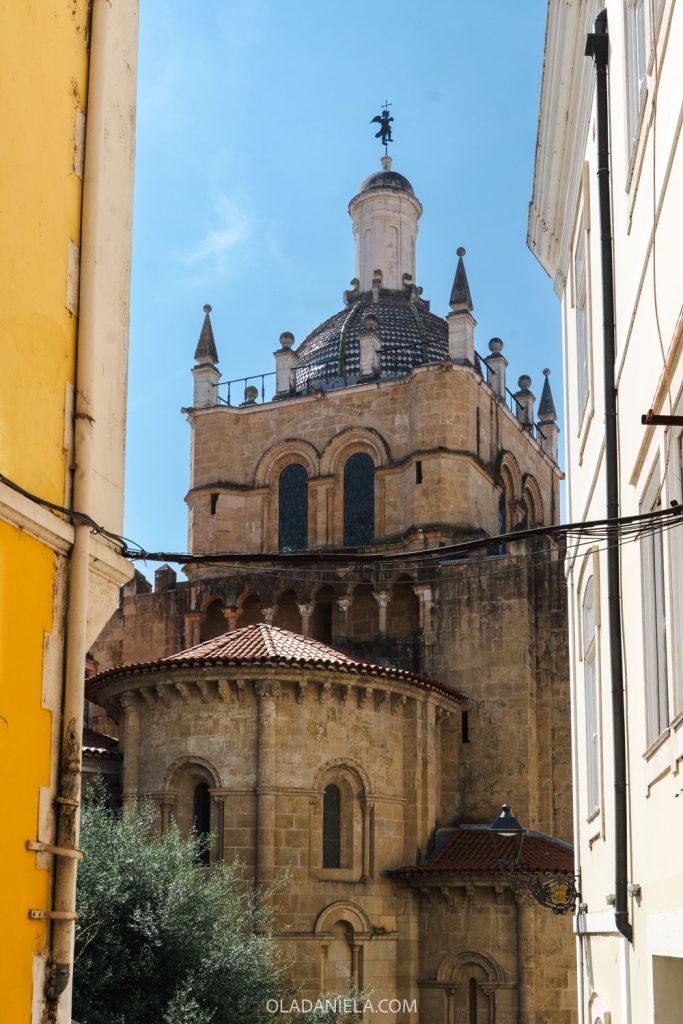
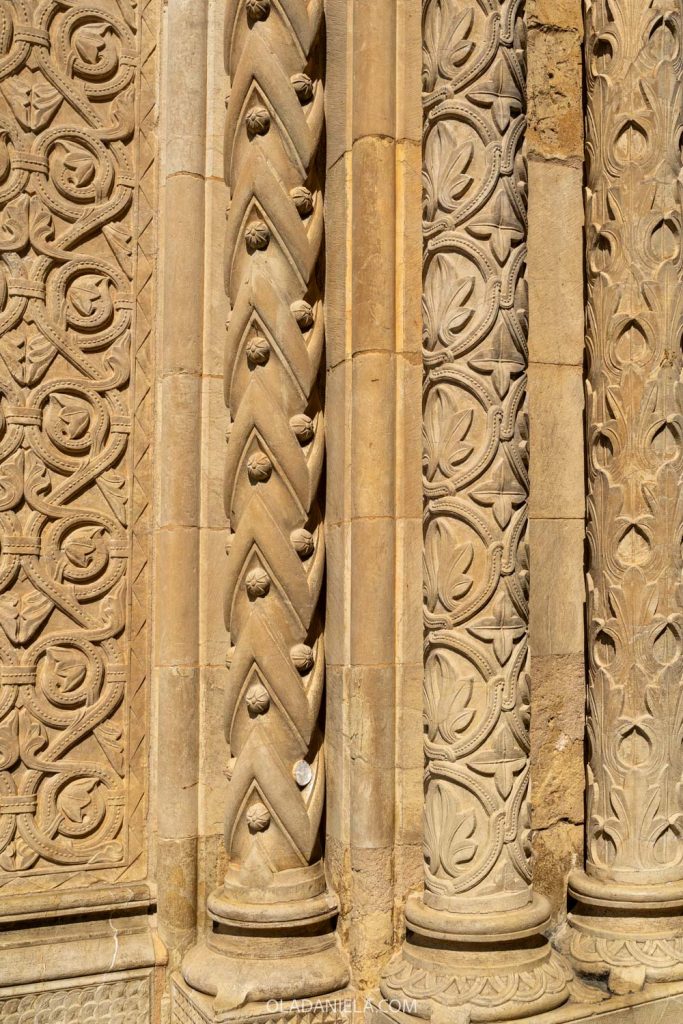
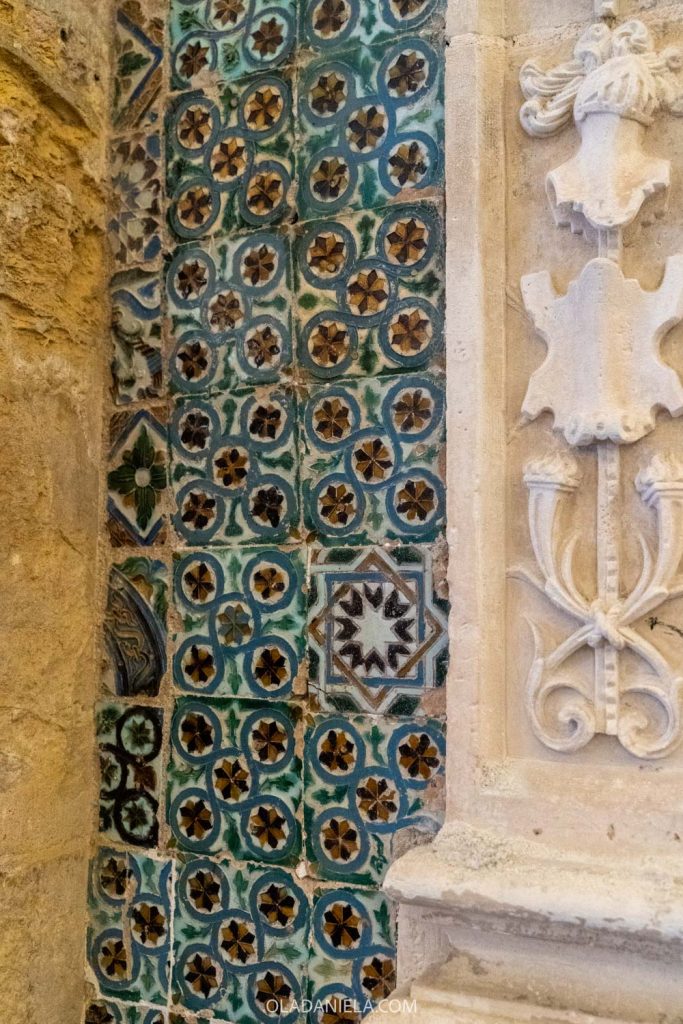
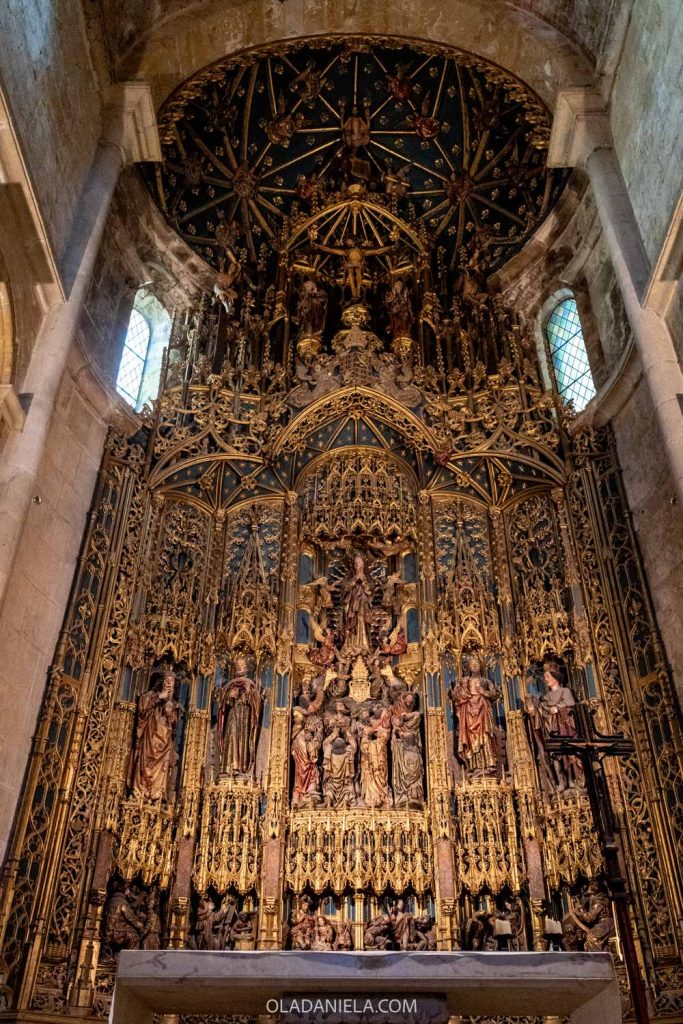
Expect stairs, stairs and more stairs. En route you can grab an excellent gelato at COSÍ or stop for a drink to catch your breath! Partway, don’t skip Coimbra’s Sé Velha (Old Cathedral), which opened in 1146 and has some beautiful Hispano-Árabe tiles from Seville that line the walls and date back to 1503. It was here in 1185 that the second king of Portugal, Dom Sancho I, was crowned.
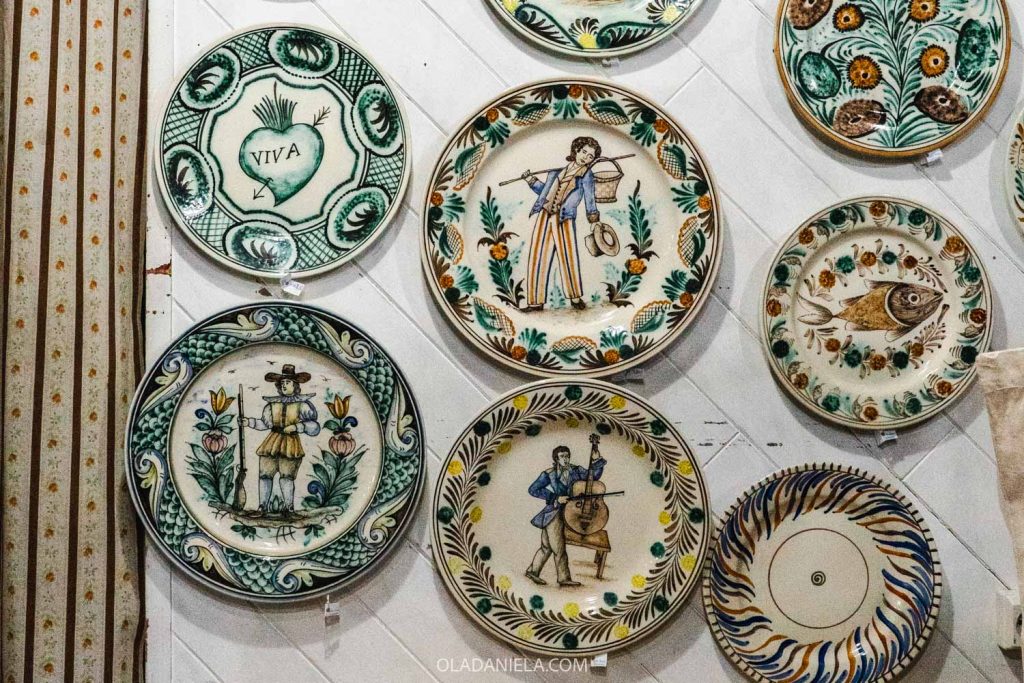
Right near the cathedral is one of the best ceramic stores and artisan workshops where you can buy traditional Coimbra region pottery painted on-site. It’s called Carlos Tomás.
➡️ Guided walking tour: This top-rated 3-hour walking tour starts at the top of Coimbra and ticks off the top historic sights and great commentary and insights from a local.
Tour the University of Coimbra
Sitting high at the peak of Coimbra’s old town, the university has been central to life in this city for the past 730 or so years. Some of the buildings actually pre-date the 1290 opening date, including the former royal palace that was gifted to the university in the 16th century.
We don’t often do guided tours, but there was daily English tour at 3pm that lined up perfectly with our afternoon. On this quiet but sunny February weekend we were paired with the brilliant Julien, and no one else joined us. Awesome! He took us around the campus, showing us the newer buildings from the 20th century before diving into the most historic parts of this UNESCO World Heritage Site.
The great halls of the old palace are magnificent with hand-painted ceilings and gold leaf galore. PhD students have to present and defend their thesis in the biggest hall to an academic audience dressed in robes. It’s all very Harry Potter and a little bit magic.


Visit the Capela de São Miguel
Having seen many, many tiled chapels it takes quite a lot to blow me away but the Capela de São Miguel in Coimbra is jaw-droppingly beautiful. Covered floor to ceiling in intricately hand-painted tiles and ornate wooden balustrades, with a brightly painted ceiling and a mega Iberian organ, this is a serious work of art. Dive deeper into the history of this chapel, and admire the pretty inside with my visual #tileoftheday blog about the Capela de São Miguel.


Gaze at the Biblioteca Joanina Library
After the palace and the chapel we visited the third key site at the university – the Joanina Library. Stepping inside the space is like Beauty and the Beast in real life. Three huge rooms with two-storey-high ceilings cascade onto one another. Each room is completely ringed by two levels of wooden bookshelves painted deep hues of red, green and blue and decorated in gold leaf. On the shelves are books from the 16th to 18th centuries, which students can still take down and read at oversized ornate wooden tables.
Sadly you can’t take pictures in this magnificent room due to the preservation of heritage (here’s looking at you, people who can’t control the flash function!) so you’ll have to imagine (or Google) how it looks. The coolest fact? All that paper attracts bugs, but a small family of hungry bats live in the library and keep insects under control.
Catch the sunset at a rooftop terrace
After exploring the magnificent history of the University of Coimbra, pop around the corner to Loggia, a modern nothing-special rooftop bar set within the Machado de Castro Museum. From here you’ll have views across Coimbra’s old town.
Alternatively, you could wander back down the Quebra-Costas staircases and seek out the terrace at Passaporte.


Date night dinner at Refeitro da Baixa or SAFRA_
The best date night restaurant in Coimbra might be Refeitro da Baixa. This gorgeous little restaurant shares the space with the last ceramic factory in Coimbra (which has apparently been open since 1824). We really enjoyed the slightly upmarket romantic dinner here.
My other date-night pick is SAFRA_, a warm and welcoming progressive Portuguese restaurant where chef Sérgio Silva offers a short, seasonal menu of creative snacks and a few main dishes designed to share. Everything was fantastic, though the highlight was definitely the scallops with a thick, long ribbon of fresh pasta and a bone marrow and roasted red pepper sauce.
I’ve detailed my experiences in my guide on where to eat in Coimbra and have more ideas there too.


See Coimbra-style Fado
Fado in Coimbra is different to Lisbon. Here the songs are sadder, slower and more melancholic (because apparently that’s possible). Watching live Fado is fantastic, and it doesn’t matter what language you speak – somehow the songs move you. The 6pm timing of Fado ao Centro seemed a bit early, so we opted for àCapella. I’d hoped it was more like a Lisbon fado house with music from 9.30pm, but we missed half the show by arriving after dinner at 10.30pm. Unfortunate because HOLY HELL the talent. The main singer Fabio’s voice is something else, and the small 14th-century chapel (built on a former synagogue) has out-of-this-world acoustics. Then out came Francisco with his 12-string Coimbra-style Fado guitar. Unmissable.
Check into your hotel
If you’re yet to decide, I can personally recommend the beautiful vintage timewarp that is Hotel Astória.
Hotel Astória €€
“It turns out dilapidated grandeur is my favourite type of hotel,” my partner Jorge exclaimed after our stay at the very belle epoque Hotel Astória. This three-star Art Deco hotel sits in an iconic spot on the Coimbra waterfront, and while its greatest days and big parties are behind it, the place is very special. I treated us to a Superior Room, which meant staying in the curved corner of the flat-iron style building. Very cool! With proper antique furnishings and views of the river and city, it was one memorable spot to spend the night for our 36 hours in Coimbra. The vintage wooden elevator is really cool too.


Quinta das Lágrimas €€€
Quinta das Lágrimas is the backdrop of Portugal’s real-life Romeo-and-Juliet tragedy. In 1355, King Afonso IV forbade his son from marrying Inês, but they married in secret and so the king had the princess murdered. The spring water coming from the park is said to be her tears, hence the name: Quinta Das Lágrimas (estate of tears). Now the quinta is Coimbra’s most luxurious hotel, a 5-star stay in an 18th-century palace where you can dine at top-rated Arcadas. If you’re looking to #treatyourself for your 36 hours, this is the spot to stay in Coimbra
Read next… Where to stay in Coimbra – full neighbourhood and hotel guide
Day 2 in Coimbra
Sweets for breakfast
After a late night of fado there’s no need to rush back to the streets. Enjoy a slow breakfast at your hotel, or set out to taste some of Coimbra’s local sweets at a top bakery – Briosa is a classic spot just across from Hotel Astória where you can try local convent sweets, or Fidalgo da Baixa offers very nice croissants.
If you are a morning person, I always love stopping by local market halls to really get a feel for the place. Coimbra’s Mercado Municipal D. Pedro V is not far from the main part of Baixa.


Santa Cruz Monastery (and café)
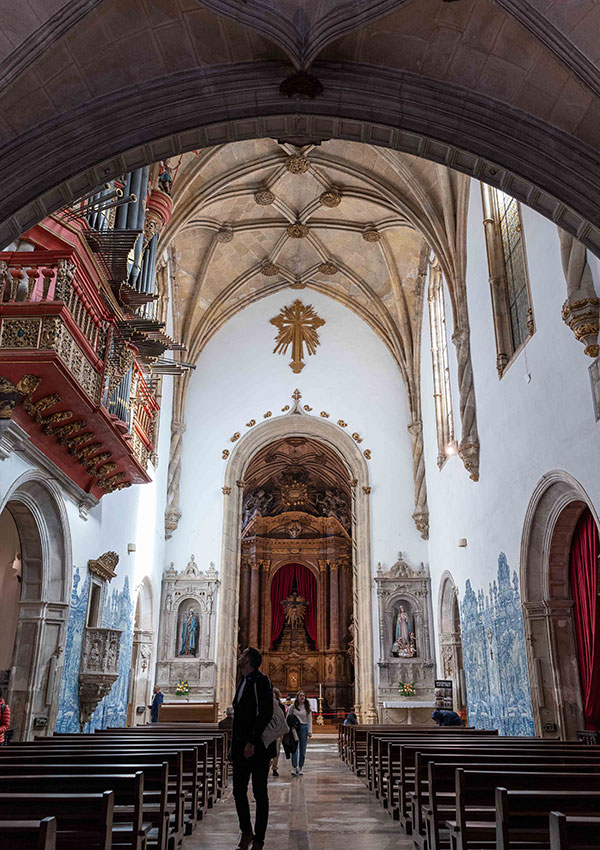
Here lie the bones of kings. The Monsteiro de Santa Cruz was founded in 1131 in the city’s centre. What you see today is mostly a 16th-century restoration and expansion of the original, but it’s the bones of the church (and the king’s) that matter… here you’ll find the tombs of Portugal’s first two monarchs: D. Afonso Henriques and D. Sancho I.
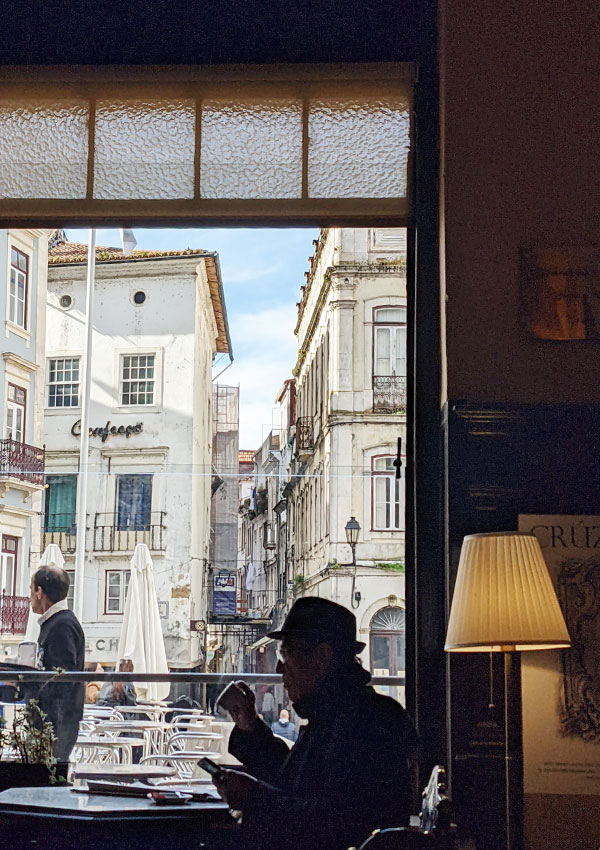
The main church is ringed by a beautiful ribbed ceiling, baroque blue-and-white tiles, and another magnificent organ built around 1720. Read more about this history here. Don’t miss the historic cafe next door.


Lunch at A Cozinha da Maria or Cordel
The best chanfana (goat stew) I’ve ever eaten is at A Cozinha da Maria, a small restaurant in downtown Coimbra. The waiter ran over with huge oven mitts, grasping a bubbling terracotta pot loaded with our dark, rich goat stew.
If you don’t dine here, hop across the river to Cordel Maneirista and ask for a table on the terrace. Here chef and owner Paulo Queirós is a passionate advocate, researcher and educator of traditional Coimbra dishes and convent sweets. There’s a great-value lunch menu on weekdays, and otherwise you’ll get to try dishes that are hard-to-find elsewhere. Save room for the Pudim das Clarissas de Coimbra, a sweet dessert invented in the nearby Convent of Santa Clara.
Related Blog: Where to eat in Coimbra: the best restaurants, bars & sweets
Explore Coimbra’s gardens – Jardim de Manga, Jardim da Sereia & Botanic Garden
To reach the beautiful Botanic Garden of the University of Coimbra (without climbing up and over the steep Coimbra Alta) the best route is a wider lap around the city via Avenida Sá da Bandeira. Worth the detour? Definitely, this is one of my favourite parks in Portugal and when this garden first opened in 1772 it was considered the best in the world.
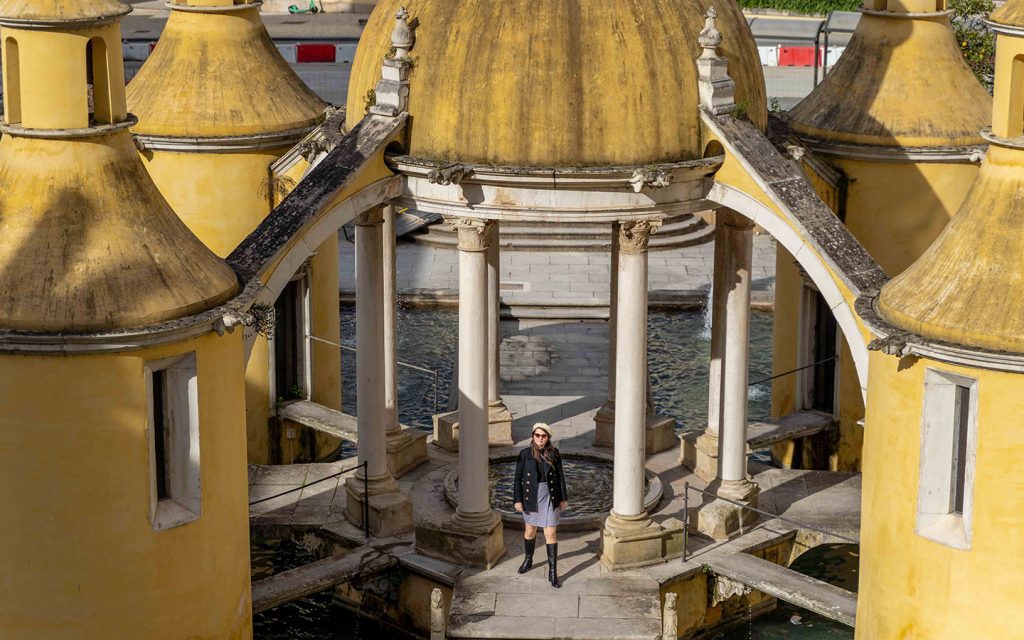
On the way you pass via a number of gardens and sights worth pausing at. The first is Jardim de Manga with the incredible yellow fountain. The garden and structures date back to 1528, when it was the monastery’s fountain, inspired by Arabic architecture. Between there and Jardim da Sereia you’ll pass via the market, which takes you along a wall covered with blue-and-white illustrated tile panels that show the landmarks and highlights of Coimbra’s architecture.
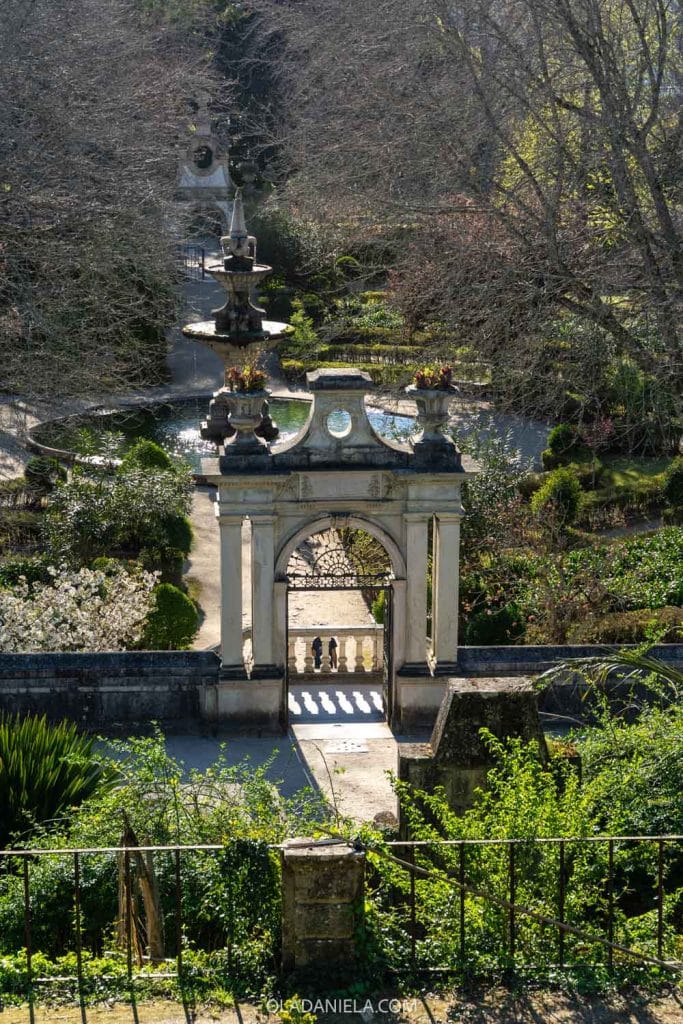
Enjoy the leafy walk towards Praça da República. Enter the arch of Jardim da Sereia to admire the 18th-century playground with a stunning baroque fountain and two round tile panels that frame a lush fountain. It’s all a bit extra!


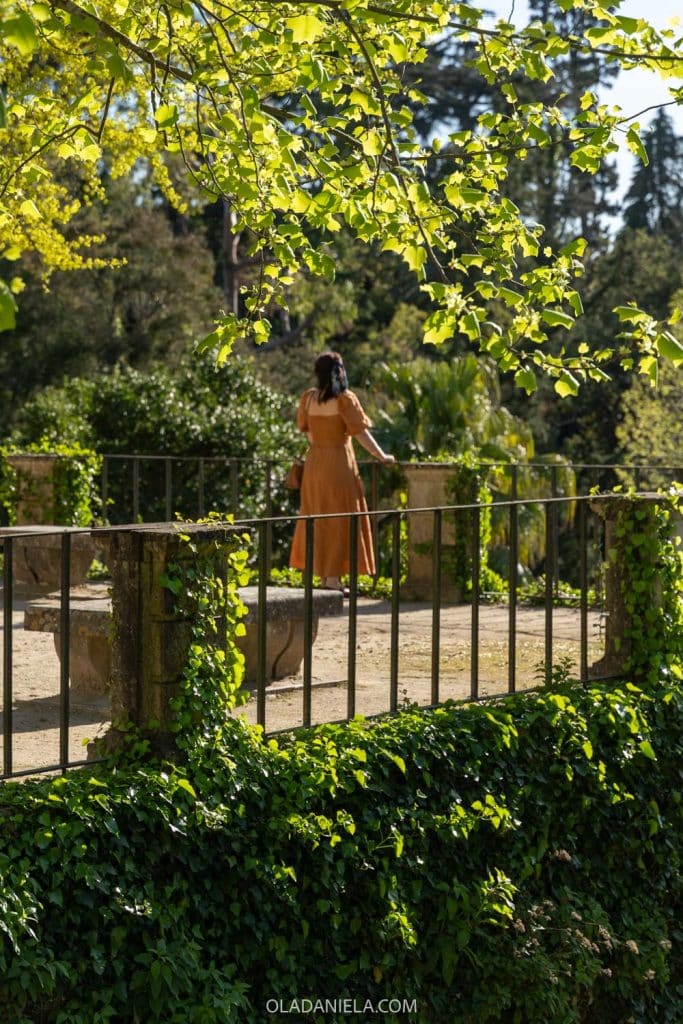
Finally, pass under Coimbra’s aqueduct (which dates from 1570) and step into the Jardim Botânico da Universidade de Coimbra. These days it’s a beautiful garden filled with rare and exotic species. Wander around the huge greenhouse and admire the sculpted garden before sloping downhill through the forest. Among the 13 hectares there is one entirely dedicated to a bamboo forest.


Catch the sunset alongside the Rio Mondego
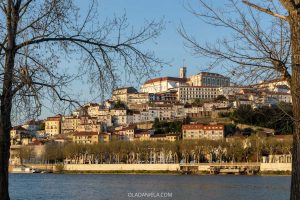
Starting in Serra da Estrela and ending in the ocean at Figueira da Foz, the Mondego River is the longest that flows entirely within Portugal’s borders. Beautiful manicured gardens dot both sides of the riverfront, the perfect peaceful start or end to any day. South of Parque da Cidade Manuel Braga on the old city side, there’s a precinct with a number of cafes and bars to soak up sunshine and Super Bock. If you wander down this far you can cross the Ponte Pedro e Inês, a bridge named after the tragic love story and legend. From the Santa Clara side of the river you’ll have a postcard-perfect view back to Coimbra’s old town.

More things to do in Coimbra city
There’s so much more to see and do in Coimbra. Here are some ideas to extend your time.
- Machado de Castro Museum: Coimbra’s former Bishop’s Palace became the most important national museum in 1913.
- Portugal dos Pequenitos: a miniature theme park from 1940 with recreations of Portugal’s great landmarks.
- Join a kayak tour on the Mondego River, and paddle from outside the city back to the downtown.
- Board a traditional Barca Serrana boat: It’s even better at sunset with the picnic option.
- Visit more amazing churches: Like the Santa Clara-A-Velha Monastery, or the Santa Clara-A-Nova Monastery. The New Cathedral, or the Old Cathedral (Sé).
- Bissaya Barreto Casa-Museum: This house museum is opposite the botanical gardens.

Extend your time: Day trips and things to do near Coimbra
Explore the Conímbriga Roman Ruins
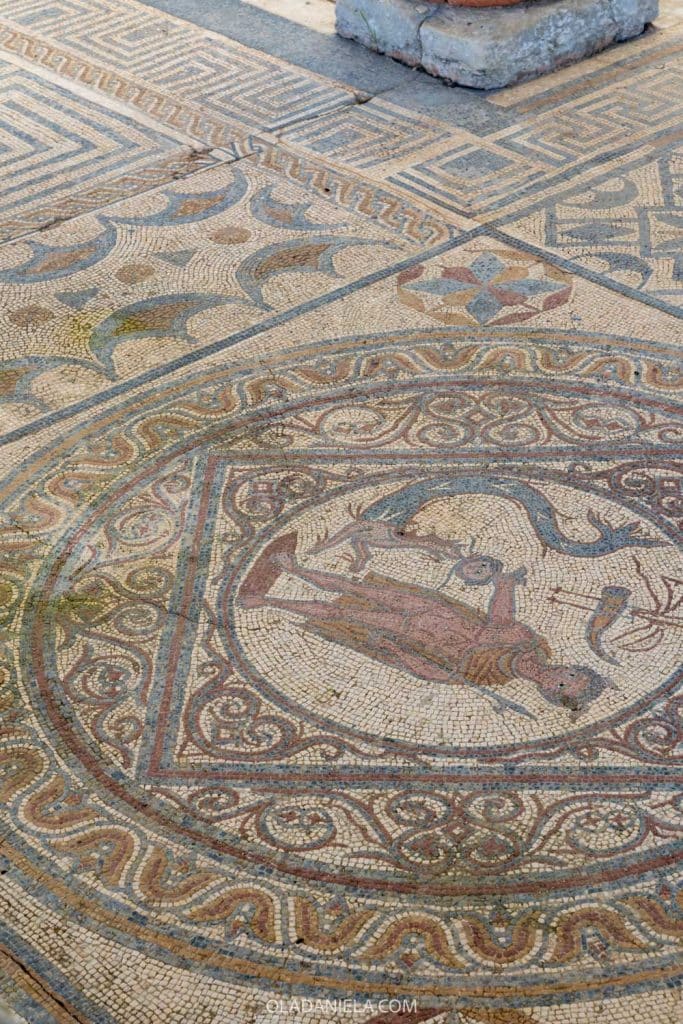
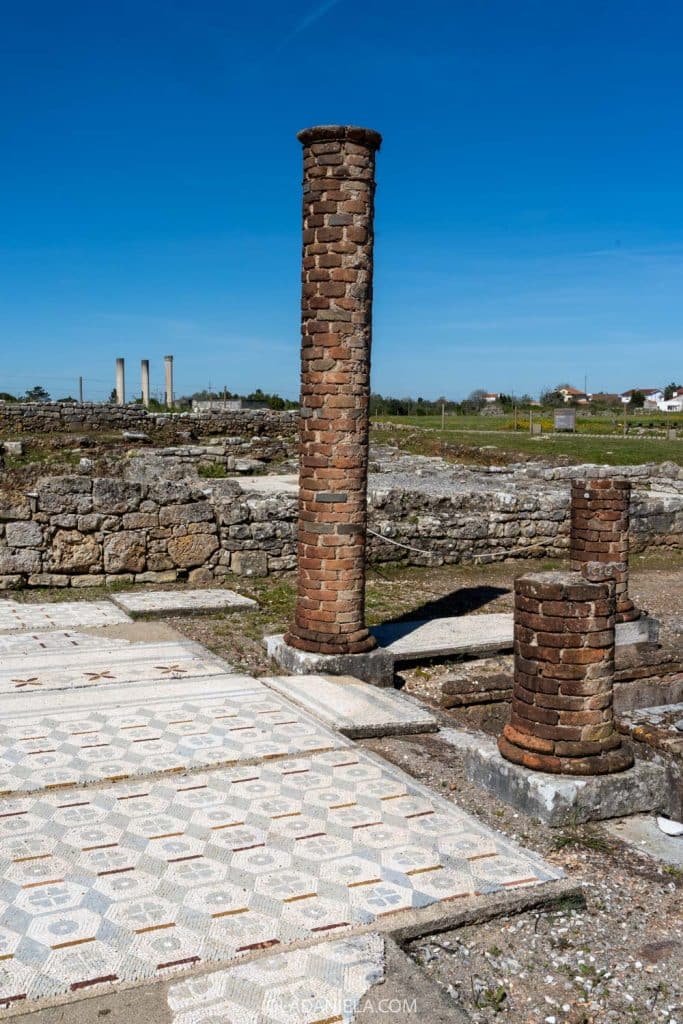
Just 16km south of Coimbra city lies one of the best-preserved Roman settlements in Europe, famous for its remarkably intact, intricate floor mosaics and the House of Fountains. Start with the ruins and its award-winning museum, then carve out an hour for the easy nearby hike to Cascata do Rio dos Mouros, a hidden waterfall set in a lush, limestone gorge. If you have time, add the interactive PO.RO.S museum to learn about the Roman Empire in Portugal.
Lousã’s schist villages
A 30-minute drive leads you into the misty Serra da Lousã, where ancient Aldeias do Xisto like Talasnal and Cerdeira cling to the mountainside. These villages, hand-built from dark metamorphic stone are a quiet, rural escape to the past. If you don’t have a car, you can join this small-group tour.
Tour a gin and whisky distillery
Founded by an architect and a chef, the long-lunch and distillery tour should be a 10/10 experience.
Hike to the cool caves of Buracas do Casmilo
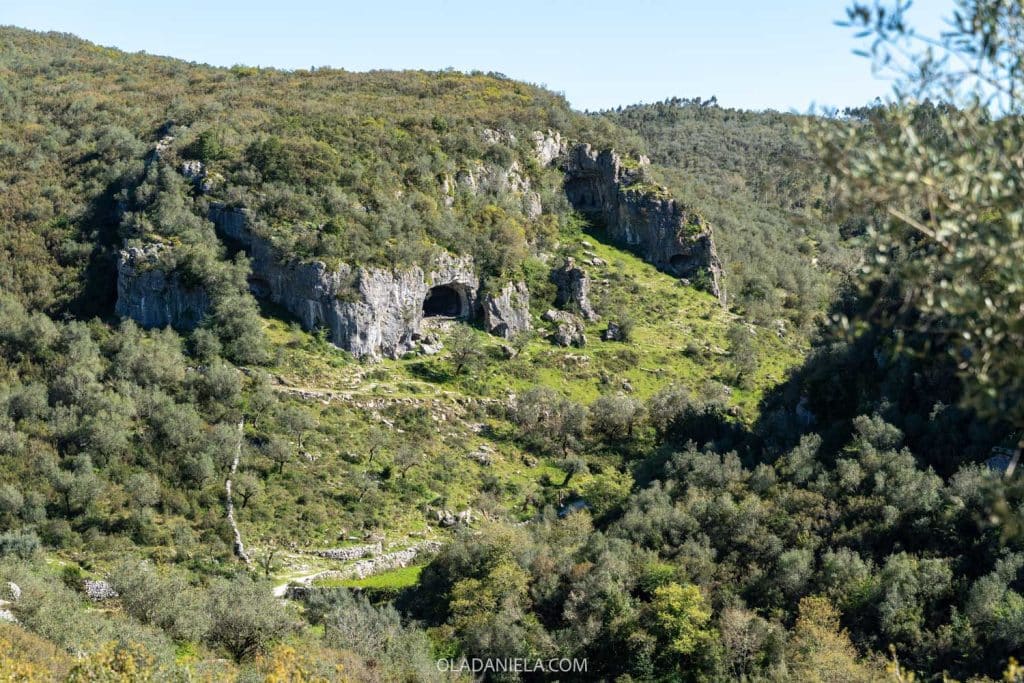
Located in the Serra do Sicó, this geological wonder features a dramatic Swiss cheese valley of massive, horizontal caves (buracas) carved into the limestone cliffs. The short hike from the village of Casmilo is relatively easy (option of a 3.5km or 6.5km loop) and takes you through rural, quiet landscapes and farmland. This private tour can take you there.
Visit Montemor-o-Velho & Tentúgal
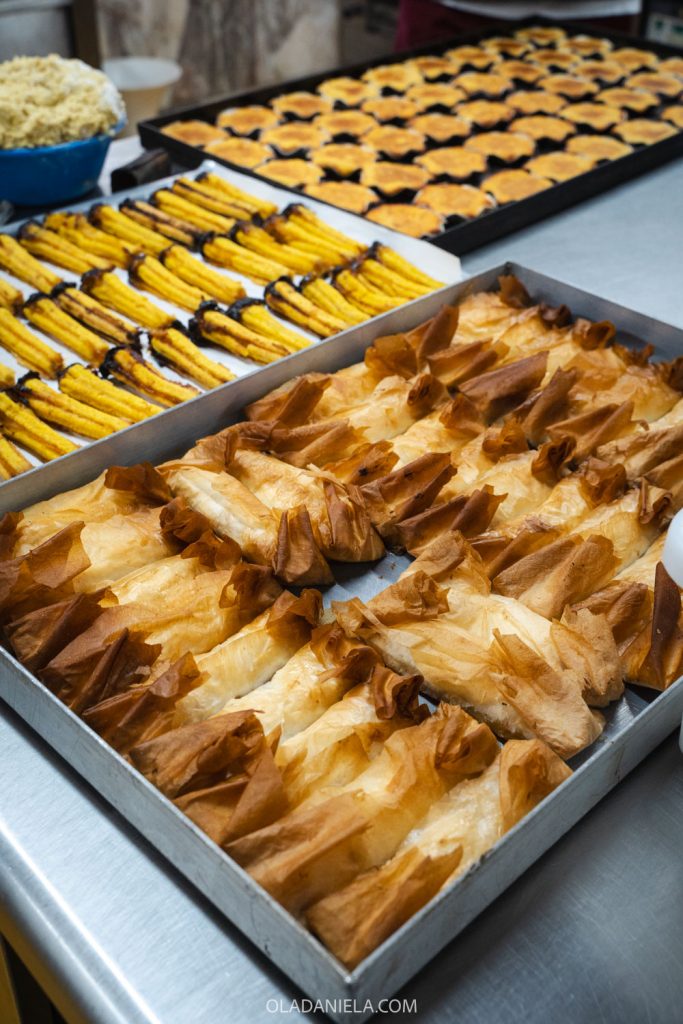
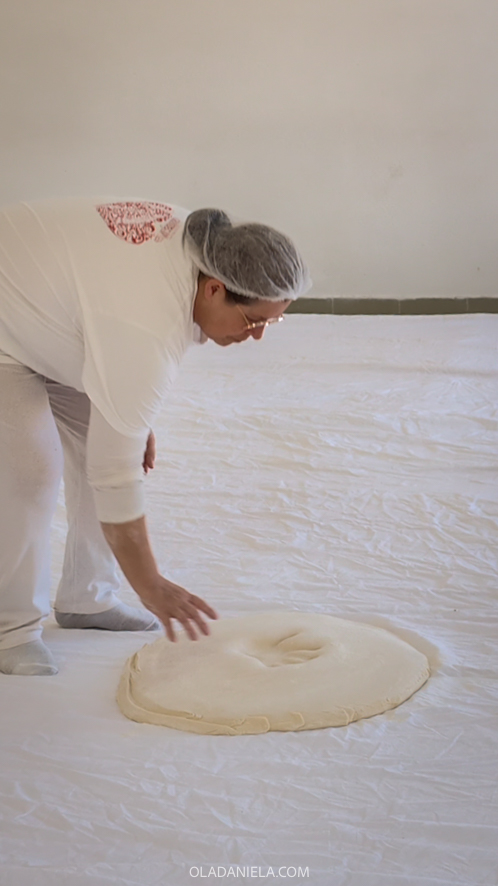
Visit the imposing 11th-century Castelo de Montemor-o-Velho, the primary fortress of the Lower Mondego, which offers sweeping views over local rice fields. It’s a really cool castle! On your way, stop in the village of Tentúgal at the famous Pastelaria Afonso bakery to try a Pastel de Tentúgal – a crisp, paper-thin puff pastry filled with a sweet egg jam, originally created by Carmelite nuns at the nearby convent.
Read next… Dough dance: the magic of Tentúgal’s 400-year-old pastry
Walk the Passadiços do Cerro da Candosa
This short but spectacular 1.2km wooden walkway in Góis winds through the narrow Garganta do Cabril, a deep gorge carved by the Ceira River. The trek offers views of a hidden chapel and a river cannon where the water has pierced through a quartzite ridge over millennia.
Eat leitão in Mealhada
Drive thirty minutes north to the town of Mealhada, the undisputed capital of Leitão à Moda da Bairrada (suckling pig). Head to Mugasa in the nearby village of Fogueira – it’s a legendary, family-run spot where the skin is perfectly crackling. It’s fatty, delicious and best served with espumante, a local Bairrada sparkling wine that has the acidity needed to cut through the richness.
Where to stay in Coimbra
- Best for first-timers: Hotels in Baixa area – try Hotel Astória for vintage charm. It’s a stunning 3-star historic hotel and timecapsule set in one of Coimbra’s architectural landmarks. I’ve stayed in the corner room! Alternatively in Baixa, try CBR Boutique Hotel, Pharmacia GuestHouse or Hotel Oslo.
- Best for luxury: Hotel Quinta das Lágrimas – Coimbra’s only 5-star stay is a small luxury hotel and historic estate complete with a 9-hole golf course and driving range, spa and urban legend.
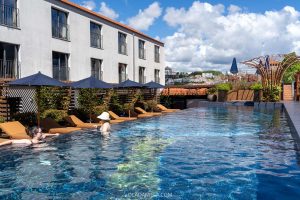
- Best for families: Vila Gale Coimbra has a huge outdoor pool, playground and two restaurants. The 4-star hotel brand is ideally suited for families.
- Best for views: Sapientia Boutique Hotel is 4-star hotel in Alta Coimbra with a roof terrace taking advantage of the views
Read next… Guide to Tomar: Portugal’s city of Templar legends
Where to eat and drink in Coimbra
Dive deeper into Coimbra’s restaurant and food scene with my full guide on where to eat in Coimbra.
How to get to Coimbra
From Lisbon: It’s a two-hour drive or the train from Santa Apolonia or Oriente station to Coimbra-B takes less than 2 hours with the AP or IC services. You could also book a coach service like FlixBus or Rede Expresso.
From Porto: Trains going to Lisbon stop at Coimbra-B station and take just over 1 hour. Coimbra is a 75-minute drive from Porto.
There are coin-operated luggage lockers at the train station if you need to store your luggage.
Read more about Coimbra… Where to eat in Coimbra and inside Capela de São Miguel
Any questions about how to spend a weekend or 36 hours in Coimbra? Leave me a comment below…
Keep reading…
- Devil on the loose: 8 traditional pagan carnivals to attend in Portugal
- Best medieval and historic events in Portugal
- Food Festival Guide: Best Gastronomic Events in Portugal
- Where to eat in Viana do Castelo
- Best Festivals & Events in Portugal
- Where to eat in Guimarães: the best restaurants and taverns
- Just Flow: What to expect at this Portugal yoga and wellness retreat
- Where to eat in Tomar
- Best day trips from Tomar








4 Responses
Thank you for the detailed story of your visit. I’ll be there soon, and this is helpful.
Take me there, take me there, now! So full of feeling and energy. I love these posts, Daniela. x Dimity
Means the world to hear that <3 Thanks Dimity! x
It’s like I was there with you. Now searching for images of the Joanina Library. Obrigada!