
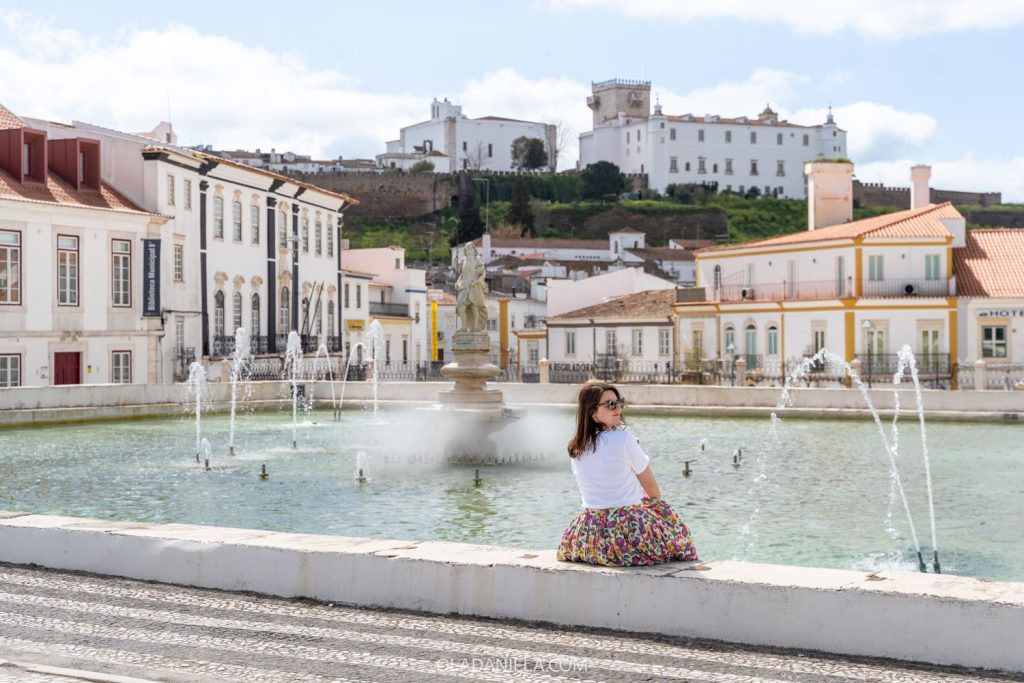
The first time I visited Estremoz it was bucketing rain. I was trying not to slip on the tessellated marble pavement on the short walk between the car and the tasca. We were on our way from Lisbon to Seville for the Feria de Abril, and Estremoz was the perfect midway point to stop, stretch and eat lunch. We stepped into A Venda Azul. Having had a late breakfast, one dish between four would be plenty. On the waiter’s recommendation, a mixed grill platter of porco preto, aka black pork, aka the best pork I’ve ever eaten in my life, arrived. “Mais um, por favor” we said ordering another. Life changed forever.
That was pre-pandemic, and since I live in Lisbon it’s only a 90-minute drive so I’ve been back to Estremoz more than half a dozen times since. If you’re planning a day trip or weekend in Estremoz, here’s a guide to the best things to do, great restaurants and top hotels around the small city.
What’s the story of Estremoz, the ‘White City’?
Estremoz is deep in the heart of the Alentejo region, a huge province known for its agriculture. Black pigs, sheep and cows graze beneath the never-ending fields of cork and olive trees. White-washed quintas with mustard yellow or cobalt blue trim dot the hillside, surrounded by medieval castle walls and creeping grape vines. Time moves slowly, people make more time for you — and I find people don’t speak so quickly either – ideal for practising Portuguese!
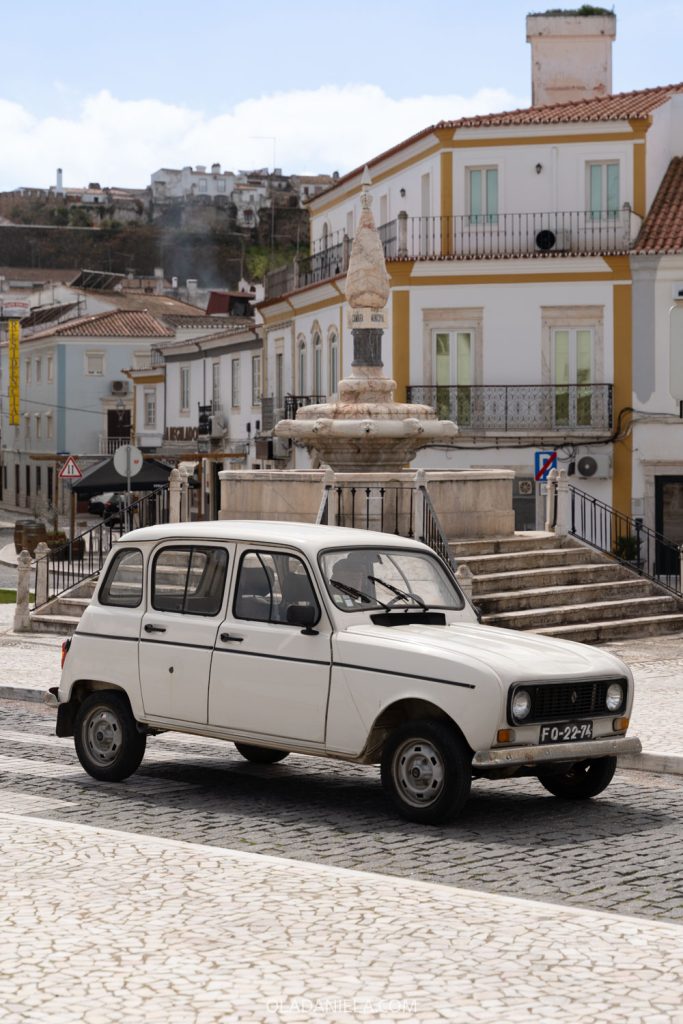
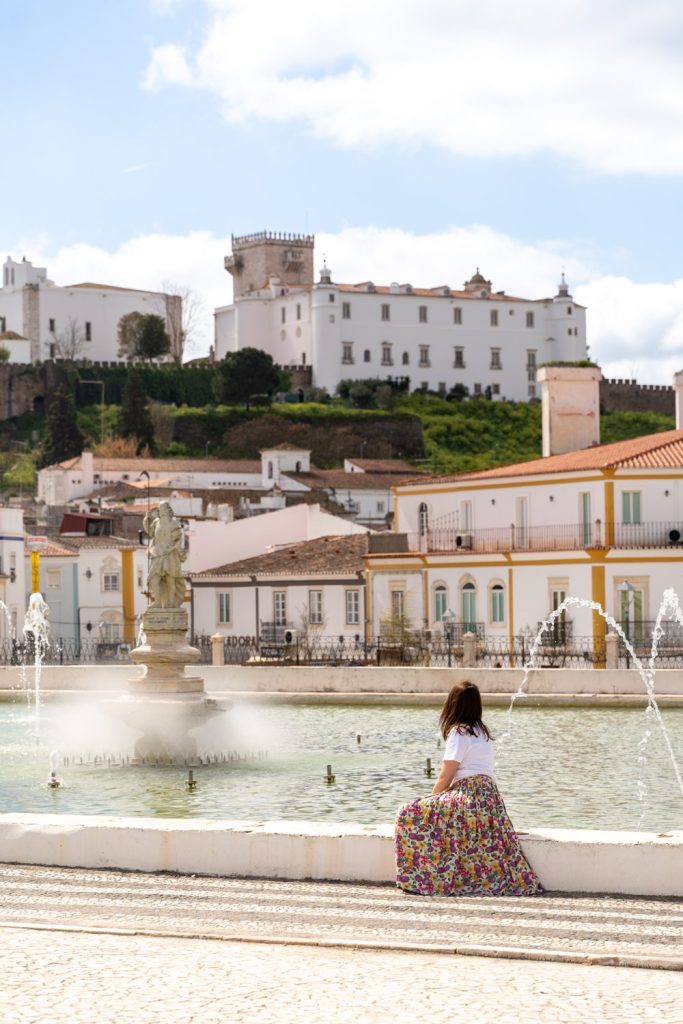
But the nickname the ‘White City‘ doesn’t come from the colour of the houses. Near Estremoz are dozens of white marble mines that have made Portugal the world’s second-largest exporter. Marble has been extracted from the earth here since Roman times, and in town it’s hard to miss the striking 28-metre-high marble keep that dates back to the 14th century. You can climb the tower and even stay in the Pousada Castelo de Estremoz, where kings and queens once lived. Or tour a marble mine nearby.
While human presence in this area dates back to at least the Paleolithic period, Estremoz has officially been a town since 1258. Great battles have played out here, two of which were decisive for the independence of Portugal.
Best things to do in Estremoz
See 800 years of tile history at the Museu Berardo Estremoz
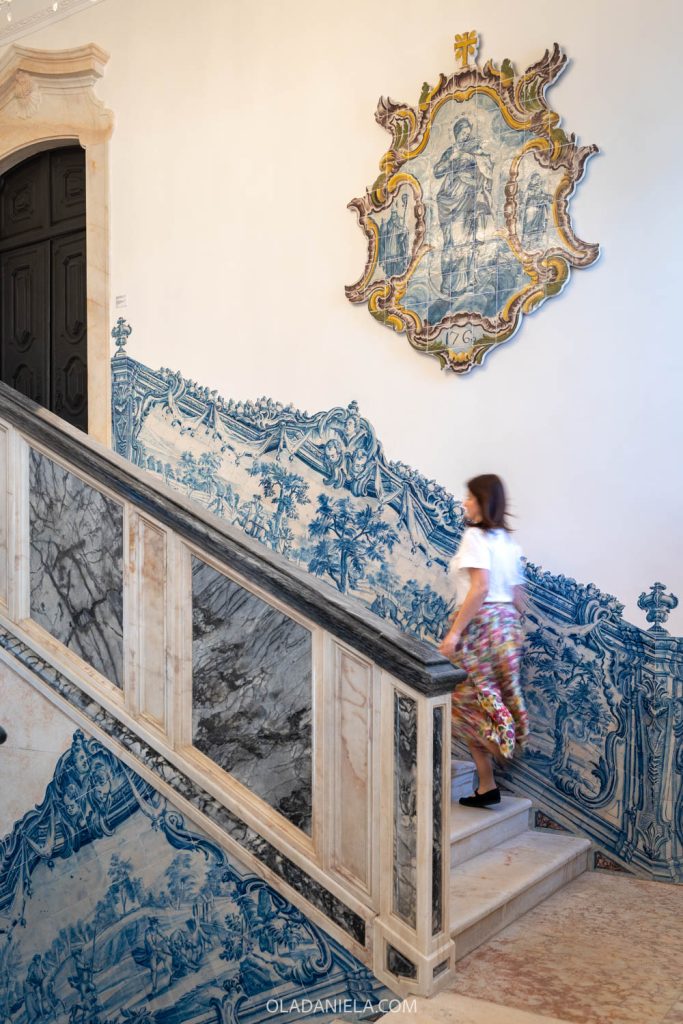
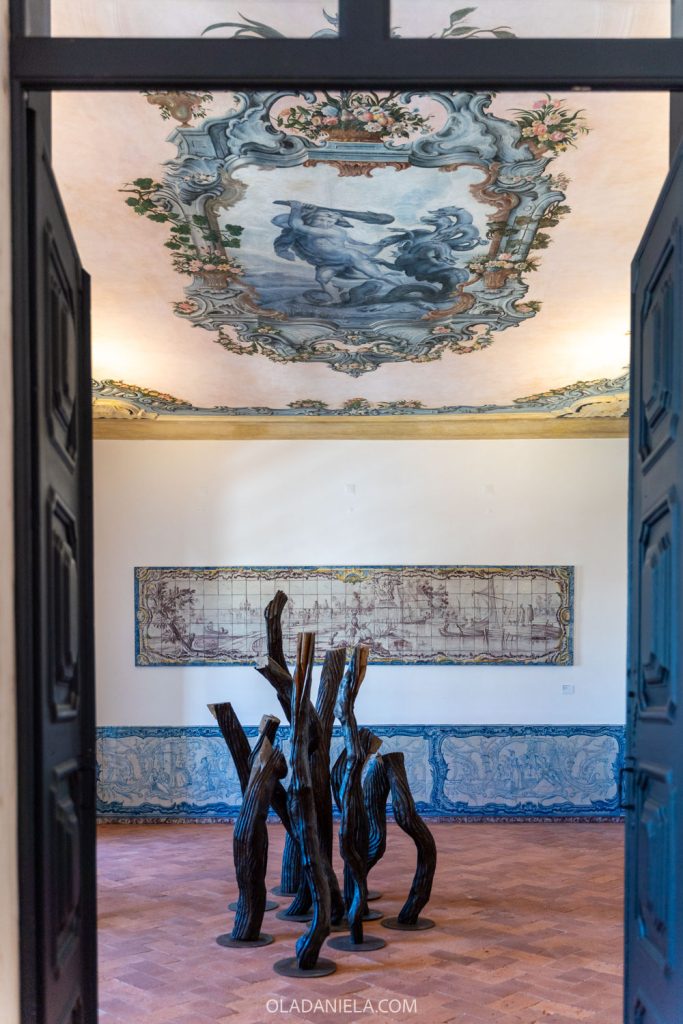
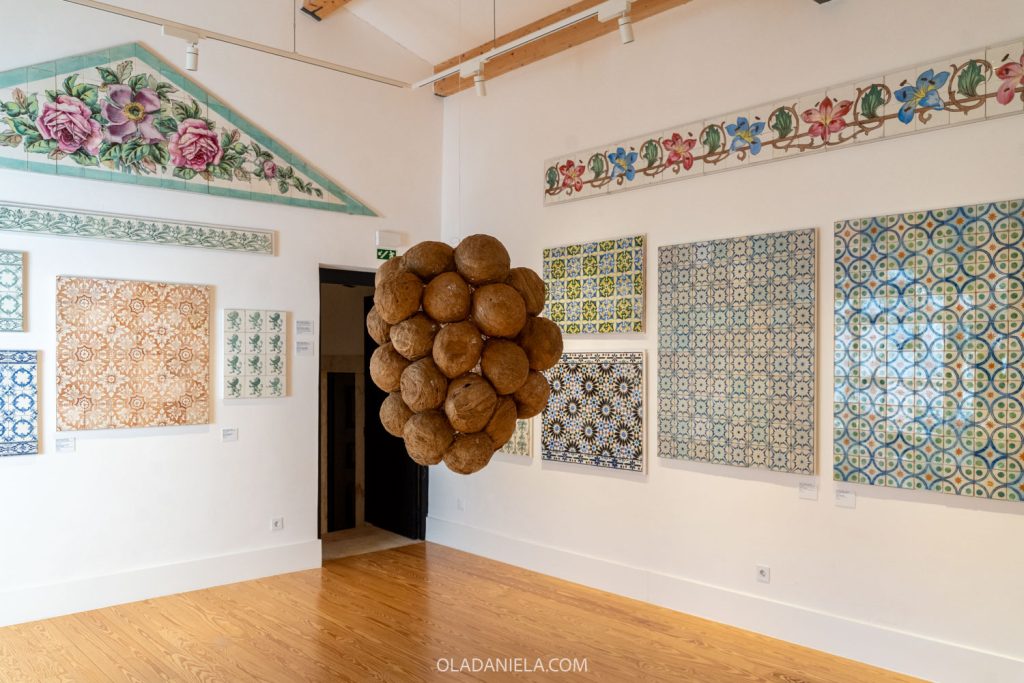
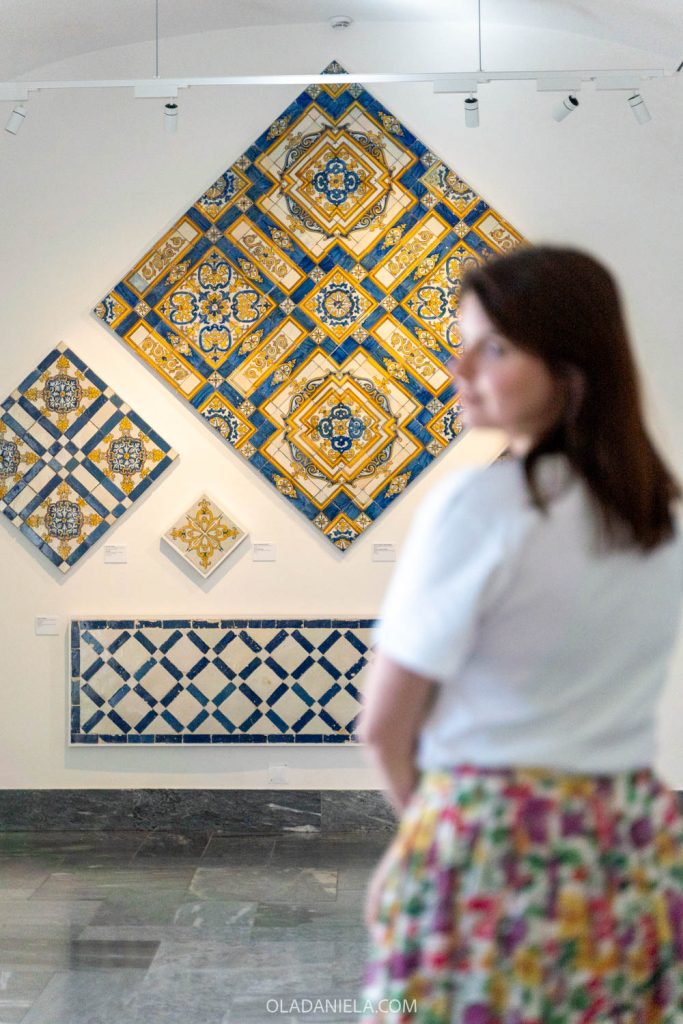
It’s hard to believe that one of Portugal’s best museum galleries is located in this regional Alentejo town. The Museum Berardo Estremoz looks at 800 years of azulejo history with 4,500+ tiles on display across the gorgeous Tocha Palace. The building itself has staircases lined with magnificent Baroque and Rococo tiles. Add to that the largest private collection of tiles in Portugal – spanning the 13th to the 21st centuries.
But the best part? Entry is just €3.50 and it ends with a tasting of Bacalhôa wines in a sunny hall with even more tiles. Dream.

Explore the old town within the castle walls
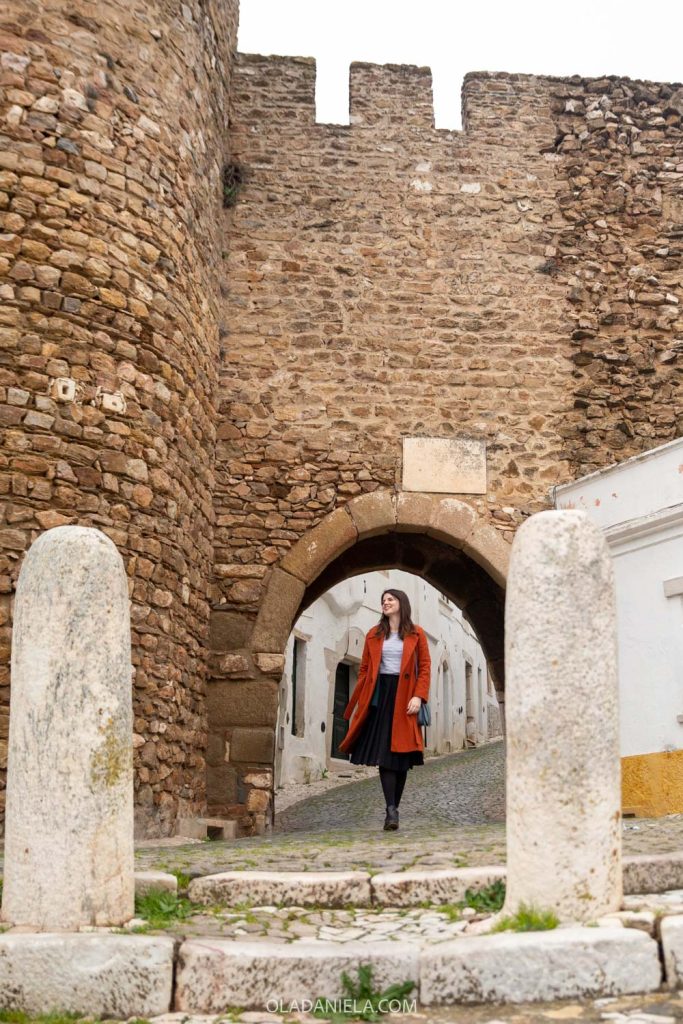
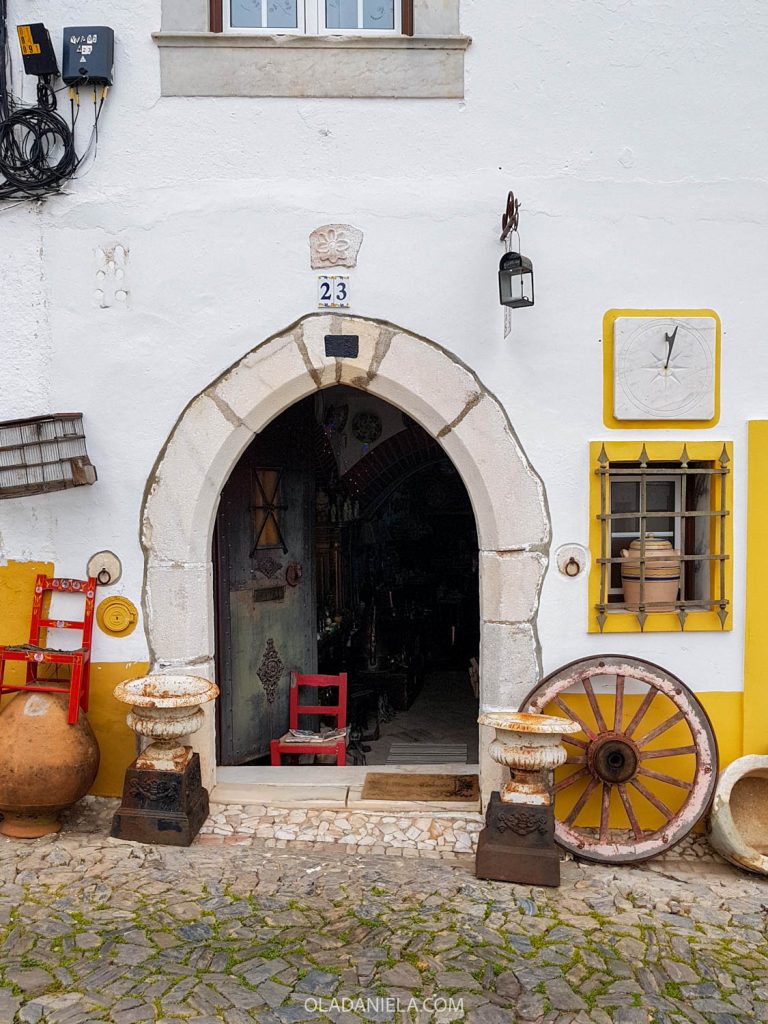
The Alentejo is quite flat, so you can see why Estremoz with its hillside was strategically important. Step inside the Castelo de Estremoz neighbourhood through one of four doors in the castle walls. The castle was commissioned in the 13th century by King Dinis after the town received its charter. Legend says it was a romantic gesture to please his wife, Queen Saint Isabel. Once inside the walls, you’ll find a small labyrinth of cobbled streets with an antique shop, coffee spots and cats to pat. At its heart is a square where you can sleep in the Pousada Castelo de Estremoz.
Visit for Estremoz’s Saturday flea market
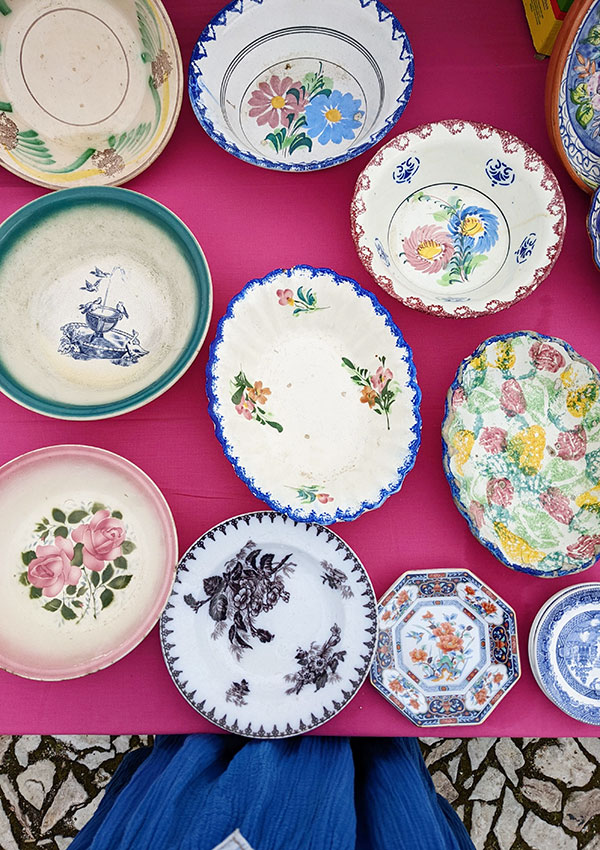
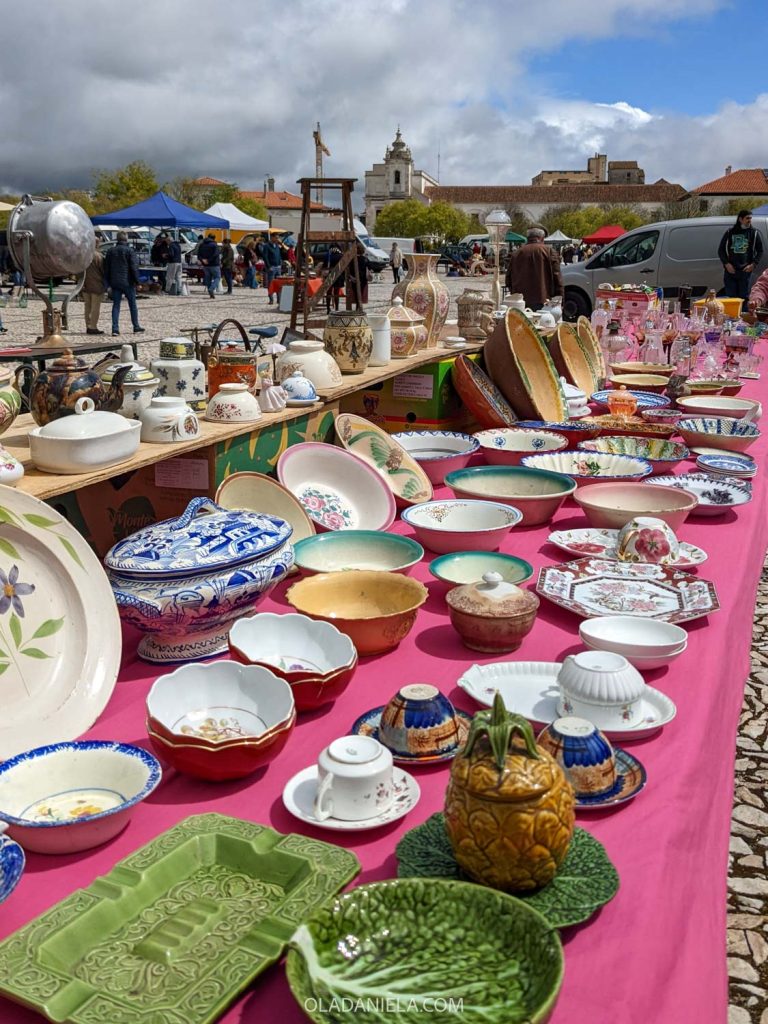
Another unexpected gem in Estremoz is the incredible Saturday flea market. The whole town descends on the main Rossio Square with dozens and dozens of stalls selling everything from second-hand furniture and vintage tablecloths, to seedlings and local honey. You can pick up tools, memorabilia, fresh fruit, bedding, cheese, cured meats, ceramics, baskets, paintings and more.
It’s good fun and there’s always something to see – particular if you like antiques and vintage goods. It’s on from about 8am, and winds up by lunchtime.
Sleep in the castle, where kings and queens once lived
The Pousada Castelo de Estremoz is now a national monument and has been converted into a luxury hotel. Explore the halls filled with antiques (many on loan from museums!), wander staircases adorned with thousands of tiles, and swim in a pool within the fortress walls. Up high you’ll take in the best views over town – and see why royalty chose this exact spot to call home. Wake up in a four-poster bed and you’ll feel like a king or queen too.
Climb the marble keep tower
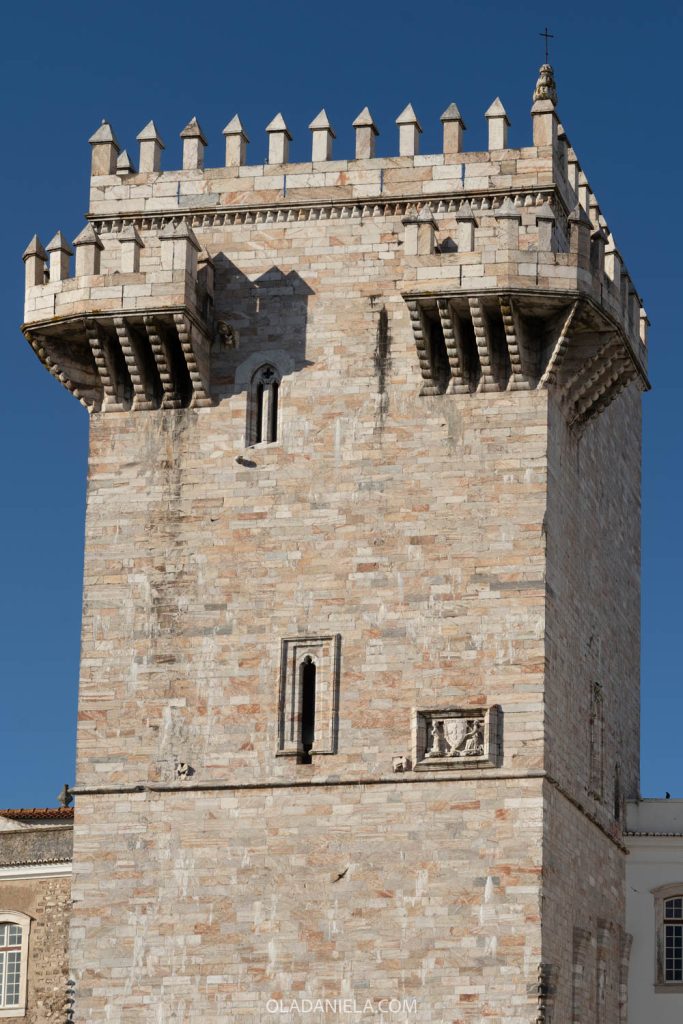
The tallest building in Estremoz is the white marble Torre de Menagem or Torre das Três Coroas. The 27-metres-high (89 ft), 17th-century tower looms above the town and sits within the 4-star Pousada Castelo de Estremoz hotel. You used to be able to slip through the foyer, into the courtyard on the left and climb the 118 steps up to the roof – these days there may be a nominal entry fee. From the tower rooftop, the views are unbeatable — on clear days you can see all the way to the Serra da Estrela mountain range.
Find Queen Isabel

Portugal’s King Dinis and Queen Isabel lived here from 1281. Queen Isbael is one of Portugal’s most famous royals – she was made a saint and there’s an urban legend about her. According to the “Miracle of the Roses”, she was sneaking bread to the poor, but her husband stopped her. When she opened her apron, the bread miraculously turned into beautiful roses. Step into the tile-lined chapel – Capela da Rainha Santa Isabel – which was built in the 17th century in the room she died in. Then view a large statue of her in the square near the tower.
Read next… 24 hours in Elvas: Portugal’s fortress city
Admire the beautiful Café Águias d’ Ouro façade
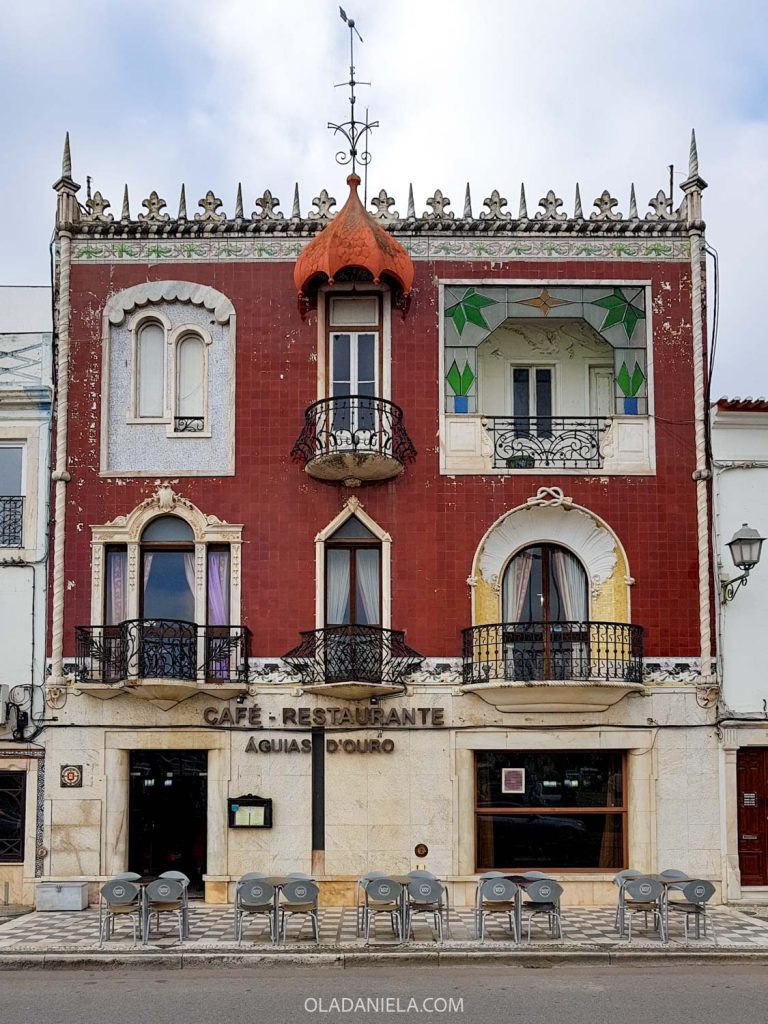
I am absolutely in awe of the art nouveau building in Estremoz where Café Águias D’Ouro is located. Built between 1908 and 1909, you’ll see that every window in the three-storey building is completely different. It’s a quirky, gorgeous space – but unfortunately the cafe within closed in 2024 as the building was at risk of collapse… hopefully renovations happen soon.
Appreciate a UNESCO World Heritage-recognised craft: Bonecos de Estremoz


There’s a very cute, folksy tradition in Estremoz, said to have started in the 17th century. It’s said women started making saints for their own houses, carved from wood. Clay was cheaper and so the tradition evolved into the UNESCO World Heritage-recognised craft known as the Bonecos de Estremoz.
There are about 10 artisans dedicated to this work, and in addition to saints you’ll likely see folk-art-like figurines that reflect life in the Alentejo. If you want to get to know this craft, start at the town’s Centro Interpretativo do Boneco de Estremoz. This small museum houses more than 100 of the figures with descriptions of past and present makers. After, find a maker. Afonso Ginja has a workshop near the museum, and Irmãs Flores and Ricardo Fonseca share a workspace in the centre that is open as a shop too.
Read next… Portuguese artisans: 11 traditional crafts from the Alentejo
Tour a marble mine
Estremoz is built on a foundation of white gold. This area produces roughly 90% of Portugal’s marble, and you can see the famous precious stone right at the source. Join a local – super enthusiastic – guide on an immersive marble mine tour. You’ll start at the Marble Interpretive Center in the neighbouring town of Vila Viçosa, before heading out to stand on the edge of massive, active quarries. Watch heavy machinery extract colossal stone blocks, visit a transformation factory to see how the raw marble is shaped, and finish at a workshop to see the stone turned by craftsmen.
Wine tasting at Howard’s Folly
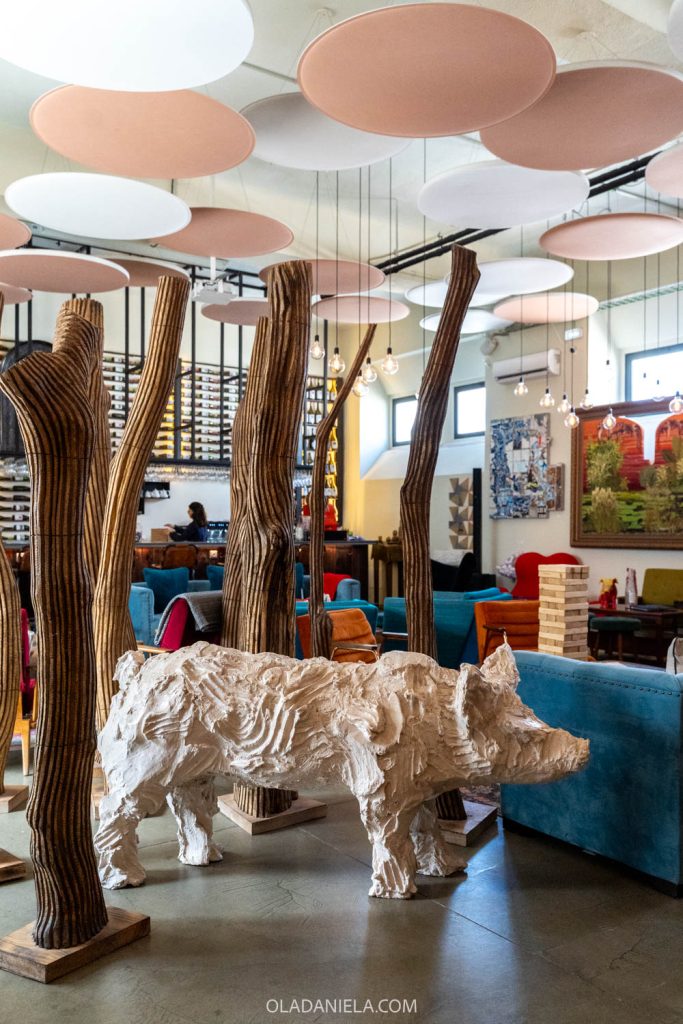
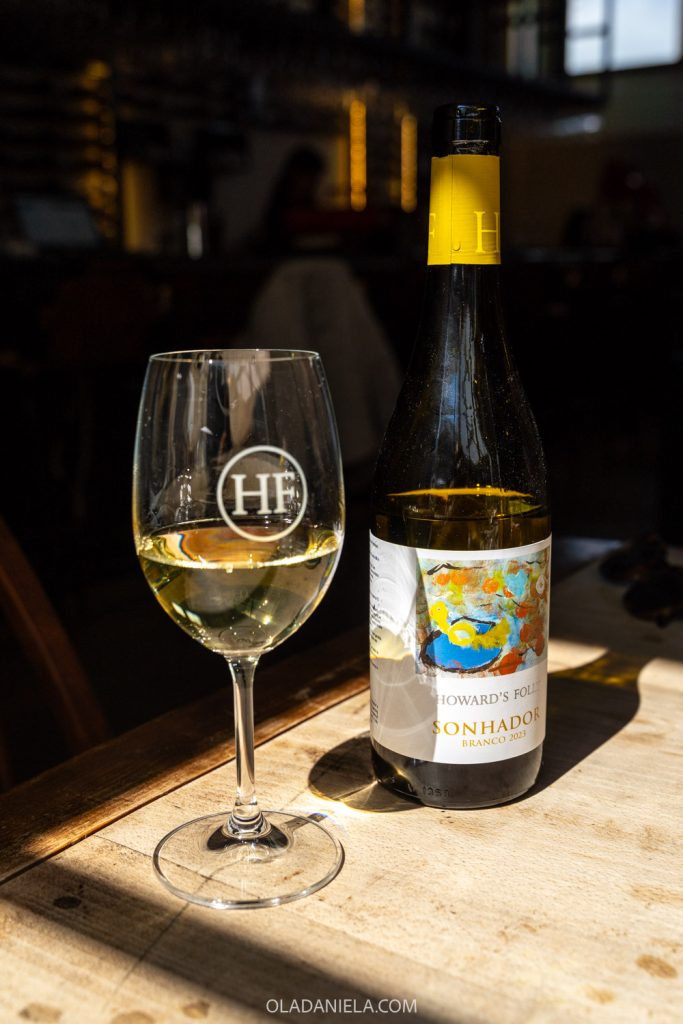
Howard’s Folly is an urban winery, with grapes grown in the high-altitude Alentejo region of Portalegre and wines matured on the edge of town. Within the castle-like building there’s a great restaurant or you can drop in for a drink at the bar and admire the quirky art and sculpture collection.
Go for the orange trees
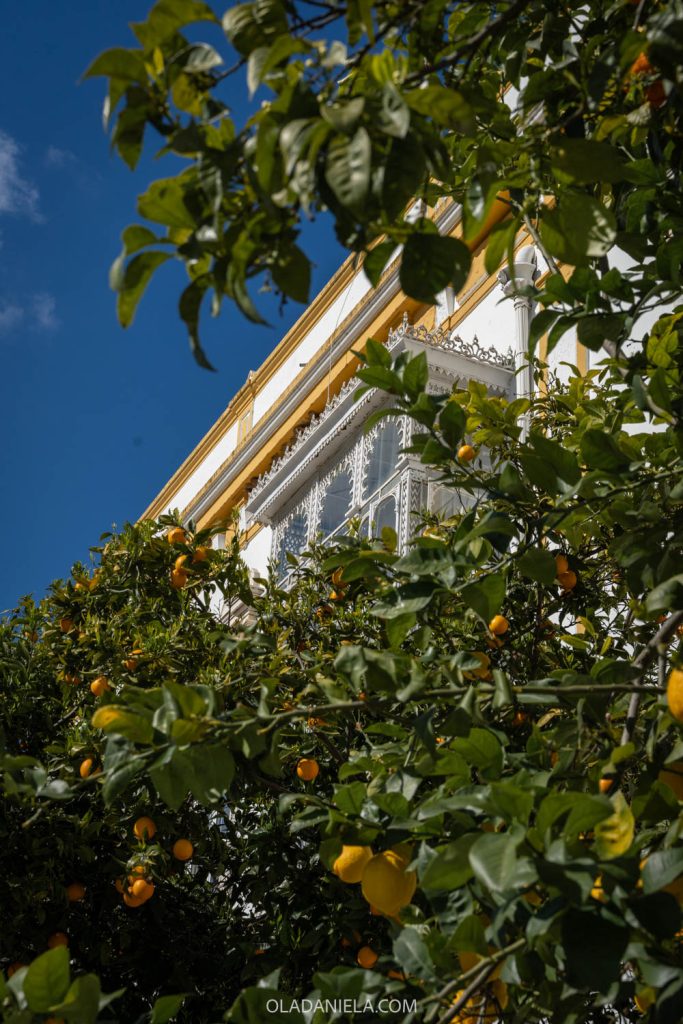
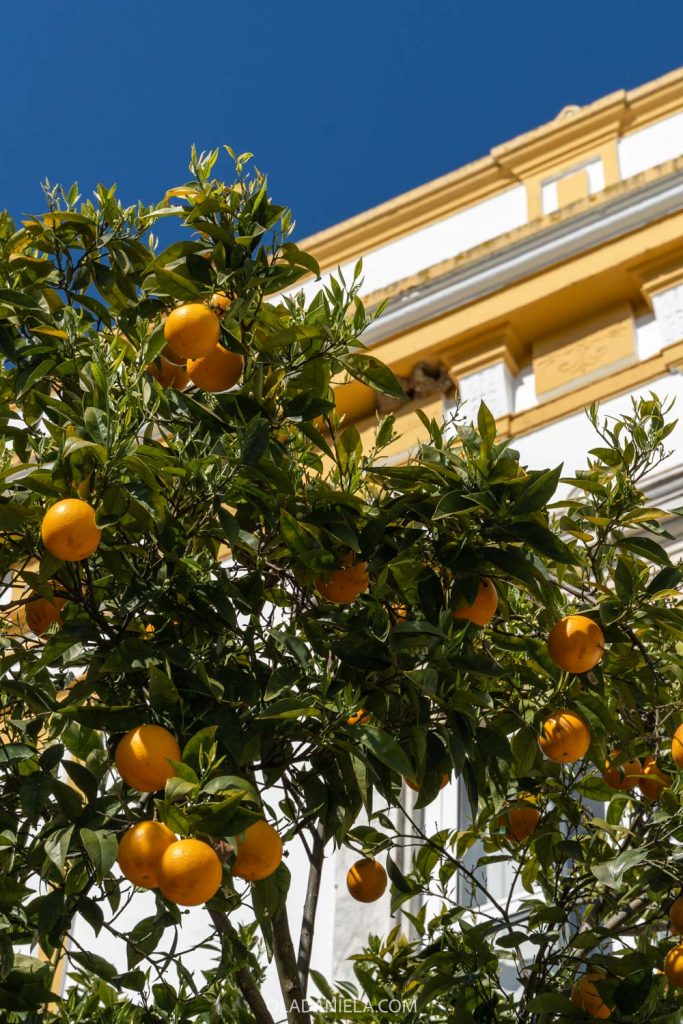
The streets of Estremoz are mostly lined with beautiful bitter orange trees. In winter, expect to find them heavy with fruit — they look amazing against the white-washed buildings and marble footpaths!
Take day trips to nearby towns: Vila Viçosa, Borba, Redondo, Elvas
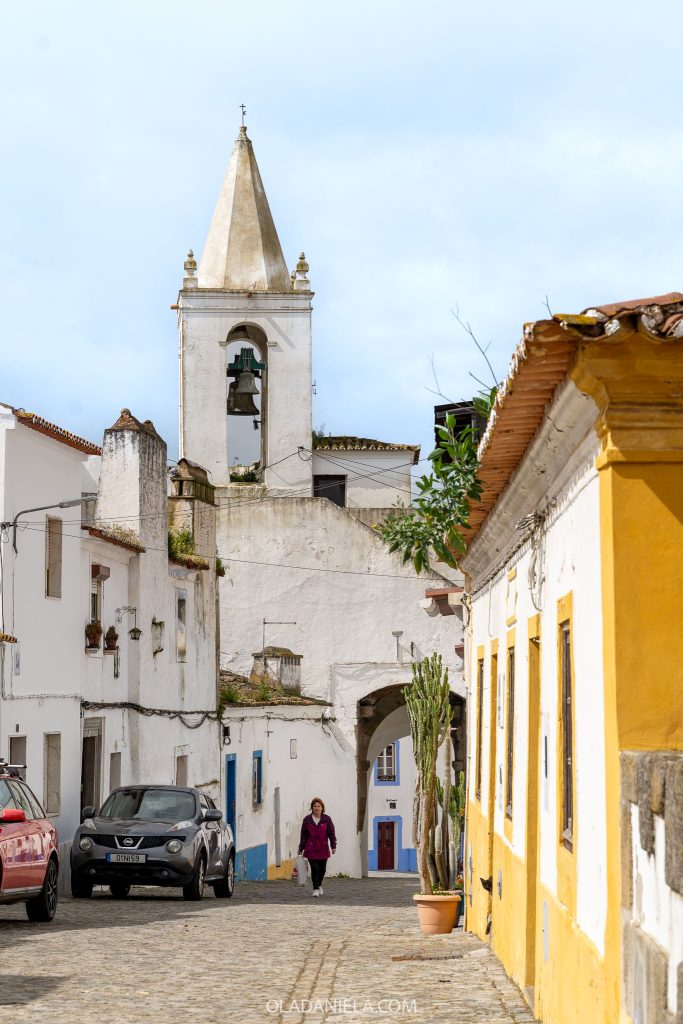

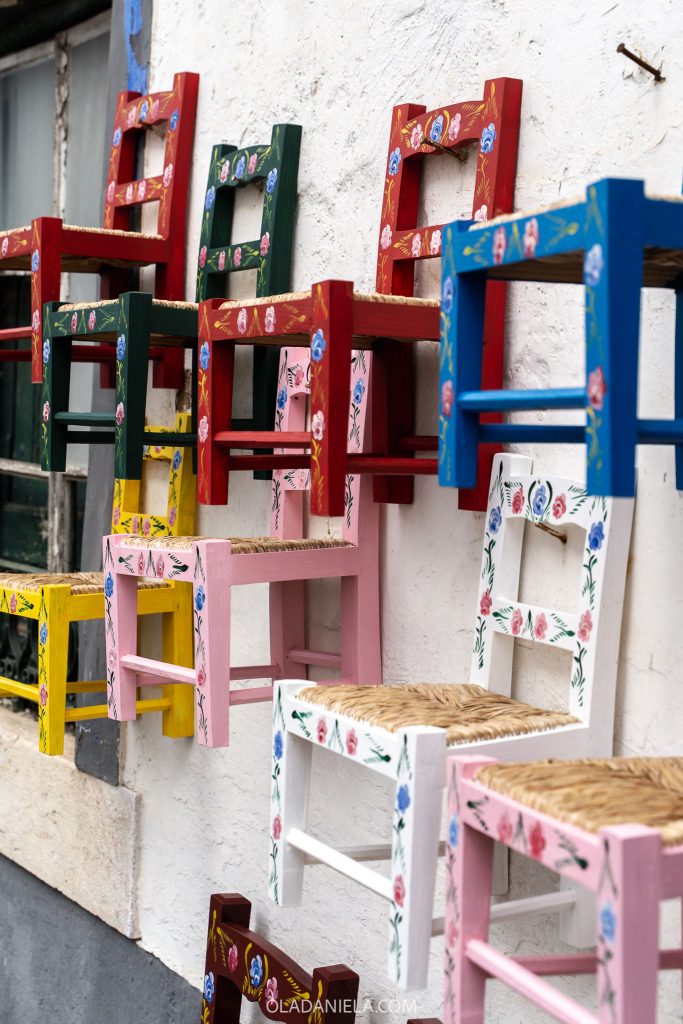
Estremoz makes the perfect base for exploring the central Alentejo. There are so many gorgeous towns here, each with its own personality and drawcards. Just down the road, Vila Viçosa has a royal edge with the Ducal Palace and marble-lined streets. Nearby Borba is famous for its rich, full-bodied red. Redondo showcases Portugal’s artisanal roots with its traditional clay pottery and hand-painted ceramics. Evoramonte has a curious round castle on the hill. And, Elvas is a UNESCO World Heritage site right on the Spanish border, famous for its colossal star-shaped fortresses and the multi-tiered Amoreira Aqueduct.
Read next… 18 best places to visit in the Alentejo: prettiest villages, towns and cities
Where to eat in Estremoz
Mercearia Gadanha
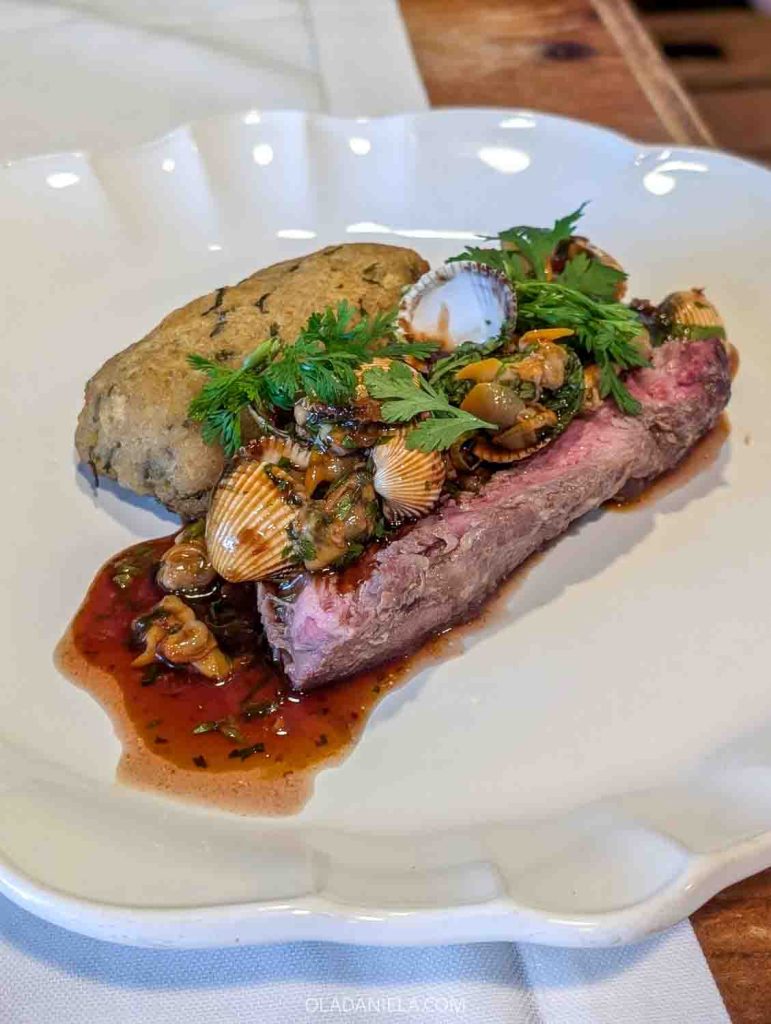
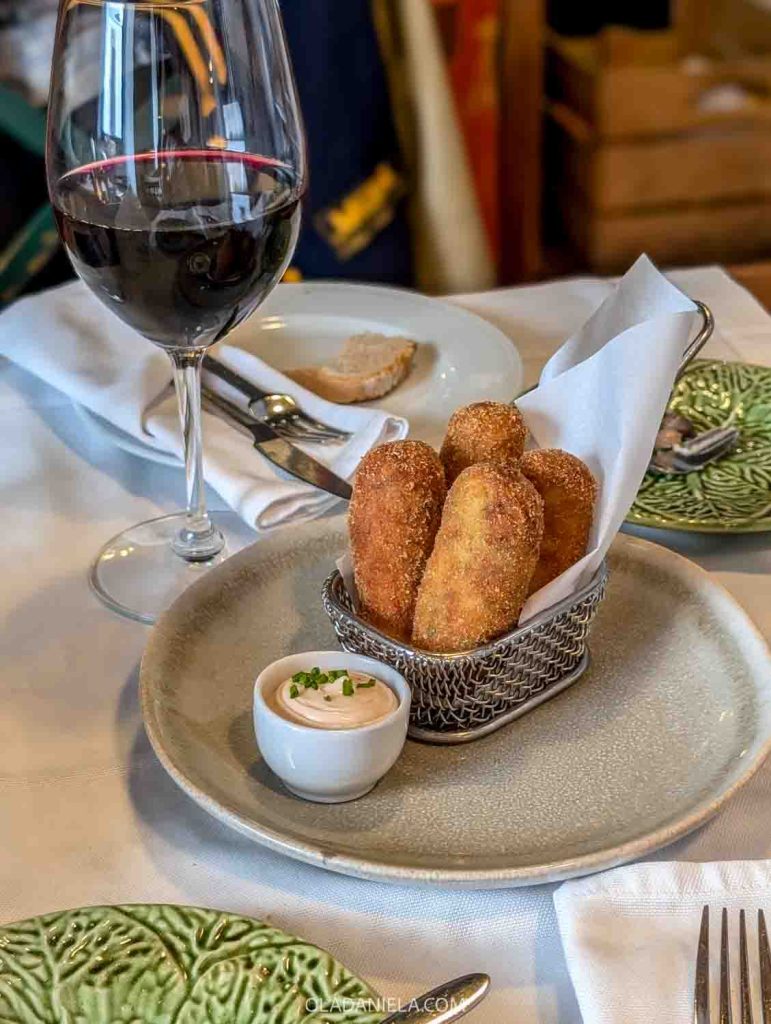
Step through the mercearia (grocery store) and into the kitchen of chef Michele Marques. Here she serves a comforting menu of Alentejo dishes of the highest quality that mix tradition and creativity with a Brazilian touch. Our lunch at Mercearia Gadanha started with a set of lamb croquettes (so good), followed by a duck rice and beautiful pork shoulder with clams. Grab some local cheese, cured meats and wine on the way out. One to repeat!
A Venda Azul
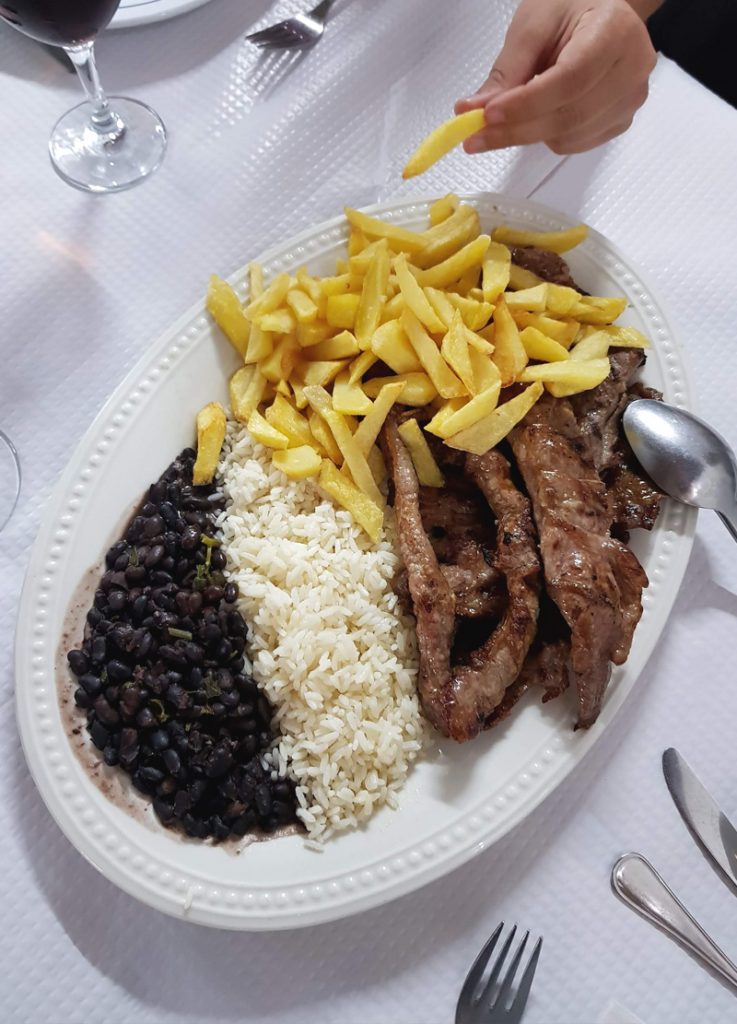
It’s hard to over emphasise how this tiny local diner changed my life. Seriously, this was the best pork I’d ever eaten — an experience I’ve been happy to repeat since. It shouldn’t be a huge surprise — the Alentejo region is the land of black pigs. If the legs are used to make the prize presunto or jamon iberico. Then what do they do with the rest of the acorn-fed, deliciously marbled pigs? Grill them up at A Venda Azul, it seems.
Casa do Pixa Negra
Sit between ginormous terracotta talhas an ancient method of wine making brought here by the Romans and continued by the Alentejanos to this day. Knock back the house red with traditional plates and slow service. We found lots of more unusual, typical Alentejo dishes that are hard to find elsewhere at Casa do Pixa Negra.
Spots on my Estremoz to-eat list
Where to stay – best hotels in Estremoz
Casa da Gadanha
For a chic, design-forward stay in the lower town, Casa da Gadanha is a laidback dream. This beautifully restored historic townhouse blends minimalist aesthetics with warm, contemporary comforts. The boutique guesthouse has 12 light-filled rooms that share a stunning rooftop plunge pool. It’s the perfect base for food lovers — it’s connected to Mercearia Gadanha.
Pousada Castelo de Estremoz
I’ve already mentioned the Pousada Castelo de Estremoz, a lush 4-star hotel set in the Estremoz castle. There are 32 rooms and the first-floor quarters boast grand four-poster beds that make you feel like royalty. Every single room features floor-to-ceiling bathrooms clad in the region’s famous pink, grey, or beige Estremoz marble. Downstairs, the palace’s former stables have been transformed into living halls and a huge dining room. Plus there’s a big pool to while away the afternoon.
More places to stay around Estremoz
- Pateo dos Solares Quinta Hotel – A charming 4-star boutique hotel with a relaxing garden, pool.
- Sharish Monte das Estevas – A serene, rural eco-lodging minutes from the centre.
- Estremoz Hotel– budget-friendly 3-star hotel within walking distance of the main market square.
- Hotel Convento de São Paulo – it’s a 20-minute drive away, but I love this tile-filled 11th-century convent-hotel in the hills.
Read next…Hotel Review: A dreamy weekend at Hotel Convento de São Paulo
Keep reading next…
- 48 hours in Monsaraz
- 48 hours in Évora
- Where to stay in Évora: best boutique & historic hotels
- Portugal Road Trip: Where to stop between Lisbon and Porto
- Best tile painting workshops in Lisbon, Porto and the Algarve
- 22 most beautiful castles in Portugal
- 16 most beautiful villages and small towns in Portugal
- After 11 years, this festival is back with millions of paper flowers
- Portugal’s pottery village: Why you should visit São Pedro do Corval
- Bottomless wine and secret cellars: Redondo’s tasca and talha trail











2 Responses
Hi Daniela! Love your articles. I am looking for a Village to retire to, but it ‘must’ have public transportation as I plan to ditch the car, and ‘affordable’ little homes. My budget is 20,000. Can you point me in the right direction?
Thank you, Lilly R.
Hi Lilly, I’m afraid I don’t know too much about the real estate market, but while cost of living here is still very good real estate is often comparable to the rest of Europe. It may be due to red tape – so places with approvals to build/live are worth more along with foreign investment driving up prices. I’ve heard the Silver Coast is more affordable – north of Lisbon, south of Aveiro – and may have train/bus connections. Inland villages will be the cheapest. Most areas seem to have bus connections but I wouldn’t trust them to be frequent or reliable. Sorry I can’t be more help!