
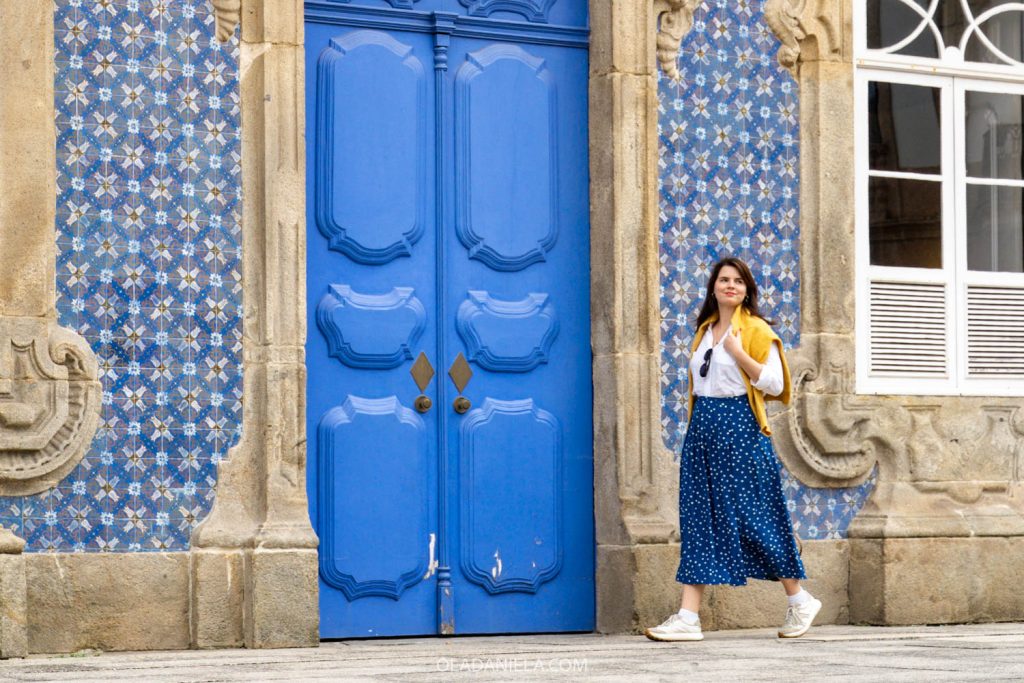
Beneath Portugal’s postcard views and limitless pastel de nata access is a country rich in traditions, cultural quirks and little things that might catch first-time visitors off guard.
I’ve called Portugal home since 2018, and through my blog and 1-on-1 video calls I help travellers navigate everything from restaurant etiquette to logistics. I’ve created this super in-depth guide to round up every common question or mistake I see visitors make.
Below you’ll find more than 50 practical tips broken into categories to make your trip smoother and save you money, time and from making faux pas. Here is what you actually need to know before you land in Portugal.
📌 Portugal quick tips summary (TL;DR)
If you only have 30 seconds, here are the absolute non-negotiables for your first trip:
- The #1 rule: Calma. Don’t try to see the whole country in a week. Choose just two main bases for a 7-day trip and slow down.
- Footwear: Leave the heels at home and wear shoes with serious grip. The beautiful cobblestone sidewalks (calçada portuguesa) are notoriously slippery, especially when wet.
- Nothing is free: The bread, olives, and cheese brought to your table (couvert) are not free. If you don’t want them, politely ask the waiter to take them away.
- Dinner maths: At traditional tascas, a single dose (portion) is usually massive and easily feeds two people. If you are dining solo, look for a meia dose (half portion).
- Money: Always carry some cash. Many authentic local spots only accept cash or Portuguese bank cards, not foreign credit cards. Small change for tipping is handy.
- Language: English is widely and excellently spoken here! Do not default to your high school Spanish with locals. A simple Bom dia (Good morning) or Obrigada/o (Thank you) goes a long way.
- Airports: Give yourself 3 hours at departure to clear border control.
Did any of these trip you up the first time around? Let me know in the comments. Bonus points if you can come up with a common mistake I haven’t managed to list!
General planning tips for your first trip to Portugal
Portugal is more than Lisbon, Porto and the Algarve
Portugal looks small on a map, but the country is densely packed with history, villages, beaches, artisans and incredible regional food and wine. A common first-time Portugal mistake is planning a fast-paced dash across the entire country to tick off Lisbon-Porto-Algarve – but this surface-level itinerary skips the best parts.
Instead of rushing from north to south, look for day trips or stops along the way to add a rich layer to your plans. Choose to add side quests and contrast to your itinerary with smaller off-beat places.
📞 Need help planning your route? If you want to design a custom Portugal itinerary that goes beyond the basic tourist track, you can book a private 1-on-1 travel consulting call with me here. I can help you cut the fluff and curate a plan based on your dates, interests and travel style.
Portugal is big – build in time to slow down and breathe
One of the biggest mistakes first-timer visitors make is trying to do too much in a single trip. Portugal is meant to be savoured – rush from sight to sight and you’ll completely miss the essence of the country.
While everyone has a different travel style and timeline, a great rule of thumb for a first trip is to choose just two destinations or cities if you have a week. If you want to add another region, give it at least 2 to 4 extra days. My 10-day Portugal itinerary shows you what’s possible.
Read next… 10 perfect days in Portugal: A fast-paced classic itinerary

Avoid August, January and February
This is a Europe-wide tip. August is the month Europeans most take vacations, which equals semi-deserted cities and small businesses are closed (unless you’re by the beach – which will be packed).
It’s also the hottest month to explore, and with increasingly frequent heatwaves across Europe it’s not a time I recommend visiting. On paper the temperatures might seem okay but being a tourist means being active in the heat.
At the other end of the scale, January and February can be a little bit bleak. It’s the middle of winter when we get our rain. That said, it’s quiet, hotels offer good value and there are pockets of blue sky.
If you can only travel in these months, don’t panic – you’ll have a good time!
Expect to show your passport at hotels and accomodation
For non-EU travellers, it’s a legal requirement to show your passport when checking in at hotels and guesthouses in Portugal. All accommodation providers are required to register your passport details.
Legally you have to carry an official European ID card or a non-EU passport with you at all times, but it’s unlikely you’ll be stopped or asked for anything day-to-day.
Do not speak Spanish
Portugal is not Spain. Portuguese is not Spanish. If you speak a little bit of Spanish, it might help you read menus, signs, get around – but do not open that English-speaking mouth of yours and drop sentences in Spanish unless you wish to offend the locals.
Generally, the Portuguese are excellent at English. Older generations didn’t learn English in school, so if you’re in a pickle French or Spanish may be your bridge. Most Portuguese pride themselves on their “Portuñol” – but unless you’re Spanish, go for English first.

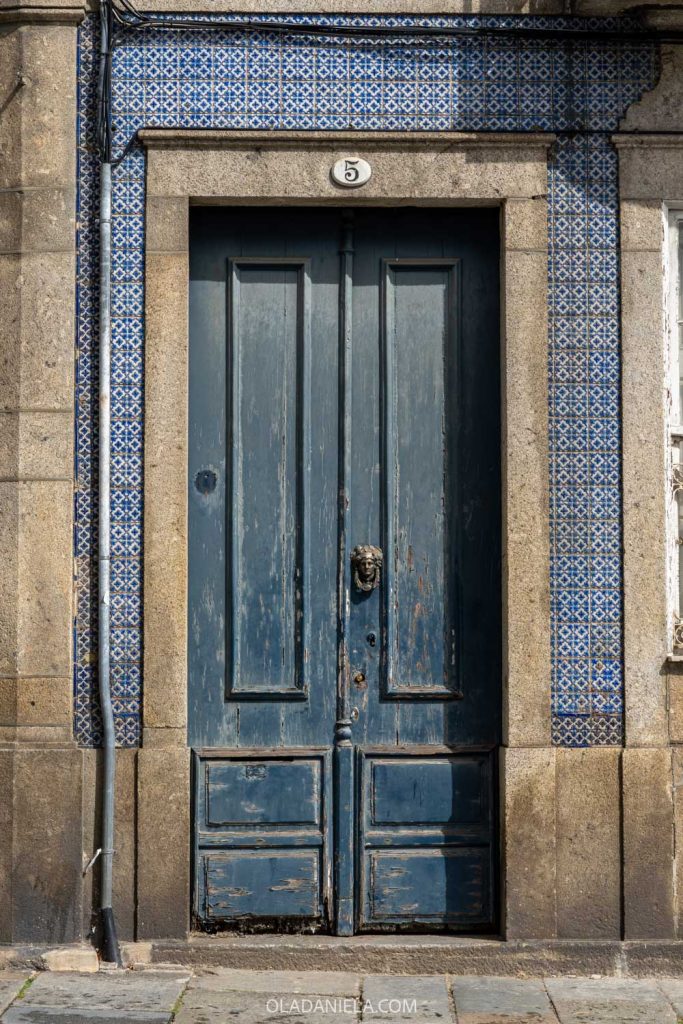
Learn a few basics in Portuguese to charm the locals
It surprises people to learn that the Portuguese are one of the best in the world at English. The Portuguese – unlike their Spanish neighbours – don’t dub movies and TV shows into the local language. They watch all the American sit-coms in the original language.
That said, learning a few Portuguese phases – or at least hello and thank you – will win you local friends.
✨ Tip: Learn some basic Portuguese phrases! ✨
Olá = Hello (quite informal, so the below options are more commonly used)
Bom dia = Good morning
Boa tarde = Good afternoon
Boa noite = Good night/evening
Tudo bem? = How are you doing? (All good?)
Adeus = Goodbye
Tchau = Ciao! Bye!
Desculpe = Pardon me, Sorry
Por favor = Please
De nada = You’re welcome
Obrigado/obrigada = Thank you (males says obrigado, females say obrigada)
Água = water
Um café = A coffee/espresso
Vinho = Wine
Cerveja = Beer (not that useful because people will usually ask what size)
Little beer = Imperial/Fino
Big beer = Caneca
Casa de banho = Bathroom
A conta, por favor = The bill/cheque, please
Quanto custa? = How much?
Sim = Yes
Não = No
Não falo português = I don’t speak Portuguese
Fala inglês? = Do you speak English?
Be aware of slow border control
The rollout of the EU’s new biometric Entry/Exit System (EES) put Portugal in global headlines for airport wait times at passport control. Border staff have been reinforced since spring 2026 and things have definitely smoothed out, but I still suggest a solid airport strategy.
⚠️ Keep in mind this only applies when entering or leaving the European Schengen Zone. If you are flying within Europe (e.g. to Paris, Rome or Barcelona), you won’t pass through passport control. To keep your trip stress-free, follow these two rules:
🛬 Arrival day: Do not book any tours or timed activities within 4 to 6 hours of your landing time. Between flight delays, baggage claims and passport queues, a tight schedule is a recipe for heartbreak. Small tour operators usually can’t reschedule last-minute.
🛫 Departure: Arrive 3 hours early for international flights outside Europe (90–120 minutes is fine for inter-Europe flights). Crucially, at Lisbon airport, the main shopping and food court area sits before passport control. Don’t get sucked into shopping or snacks – clear the border gates first and grab your final espresso on the other side.
Read next… 35 unusual and off-beat things to do in Portugal
Food & dining etiquette in Portugal
Portuguese restaurant culture may be the biggest shock for some tourists. Here’s how to navigate time at the table.
P.S. I love food and have restaurant guides for many cities and towns across Portugal with my highly researched, tried-and-tested favourite places to eat.
Meal times in Portugal
- Breakfast: Anytime between 7am to 11am – depending what schedule you’re on. Only traditional bakery/pastry shops open before 9am.
- Lunch: Restaurants and tascas open from 12noon or 12.30pm, with locals popping in from 1pm. I try to arrive just before 1pm to beat the rush. Most places you can still get a table at 2.30pm or 3pm, and dine until 4pm. (Restaurant opening hours generally refer to the last time they’ll seat you, not when they actually close)
- Dinner: Restaurants and tascas open from around 7 or 7.30pm. Locals would more likely make reservations for 8.30pm, but more popular places fill earlier. The kitchen will stay open until 10pm (or later), with diners staying until midnight.
✨ Lanche ✨ Portugal has a bonus mealtime called lanche. It’s basically afternoon tea, which falls around 5pm. At this time, gelato shops and bakeries get very busy!
Make sure you dine at a tasca
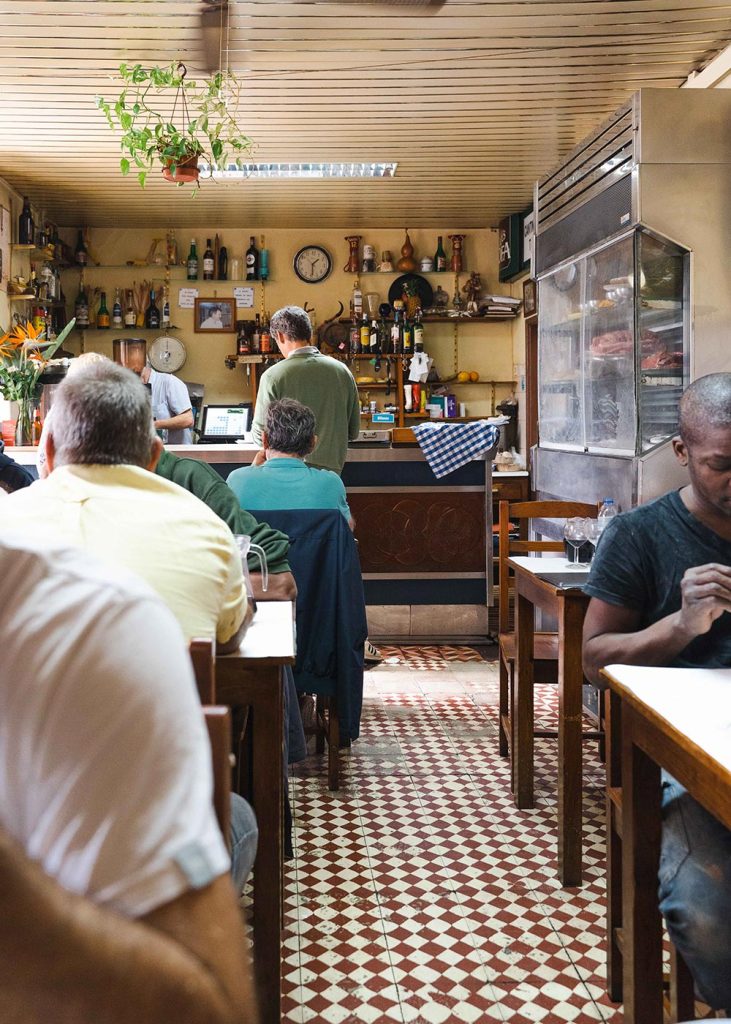
The French have bistros. The Greeks have tavernas. The Portuguese have tascas – casual, comforting canteens. When you arrive in Portugal, try to eat at a tasca early in your trip. These cheap, family-run diners are the place to discover the roots of Portuguese gastronomy. I have a great Lisbon tasca guide here and suggestions in my Porto restaurant guide.
How to identify a good tasca
- Paper tablecloths.
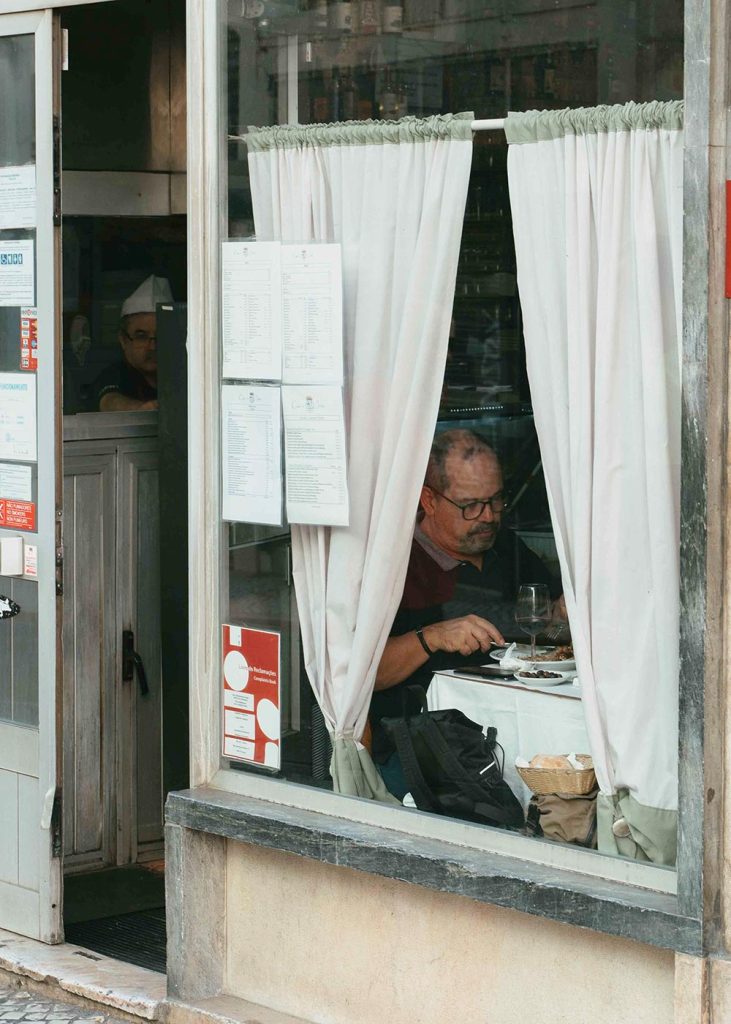
- Bonus points for a paper tablecloth taped to the outside of the restaurant scrawled with the pratos do dia (plates of the day). This should be only in Portuguese – have Google Translate handy.
- TV (the older the better) in one corner with news or sport playing.
- Regulars dining solo.
- The couvert: The waiter will drop olives, bread and little packets of butter and sardine paté on the table when you arrive. These are not free but they should be cheap unless you’re in a tourist trap.
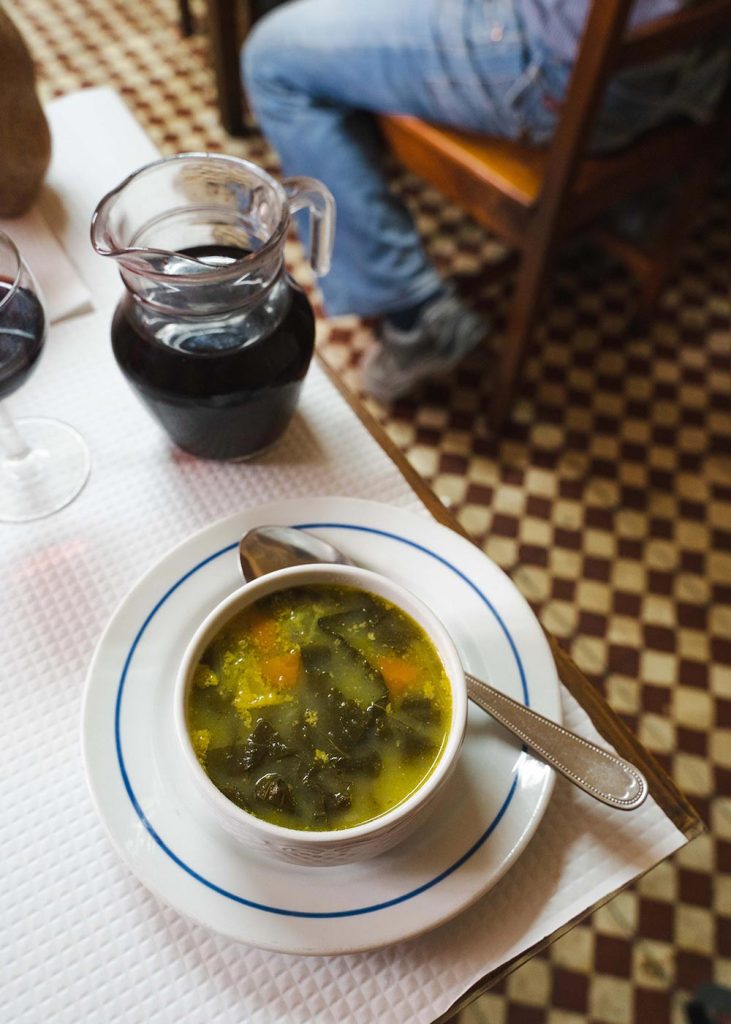
- House wine is served by the jug but comes from a box – it’s still better than you’d expect.
- Specials on certain days of the week. For example, some do cozido à portuguesa every Wednesday.
- Desserts on display. You should be able to see the house-made desserts on show like jewels. Bonus points for a retro mirrored cabinet.
- Interiors that haven’t been updated in at least 40 years. Think steel countertops and retro tiles. Misguided early 2000s renovations are also accepted or expected.
- Interiors that reflect the terra (land) or local sports clubs. Think old agricultural equipment or scarves and jerseys from Benfica or Sporting football clubs.
The “couvert” is not free
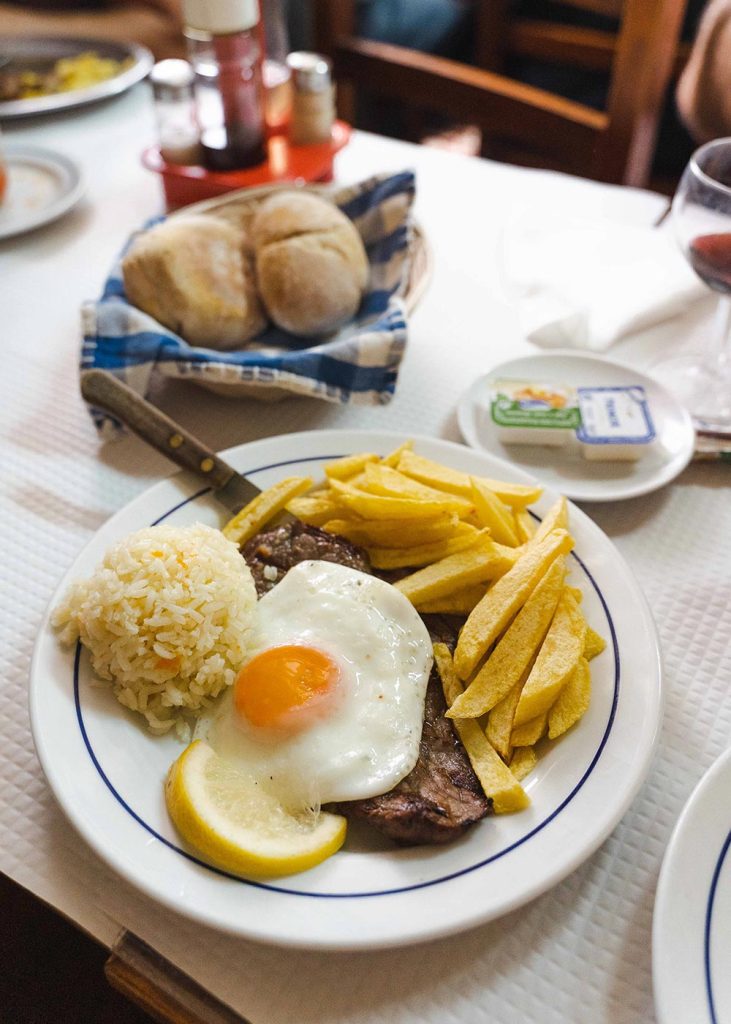
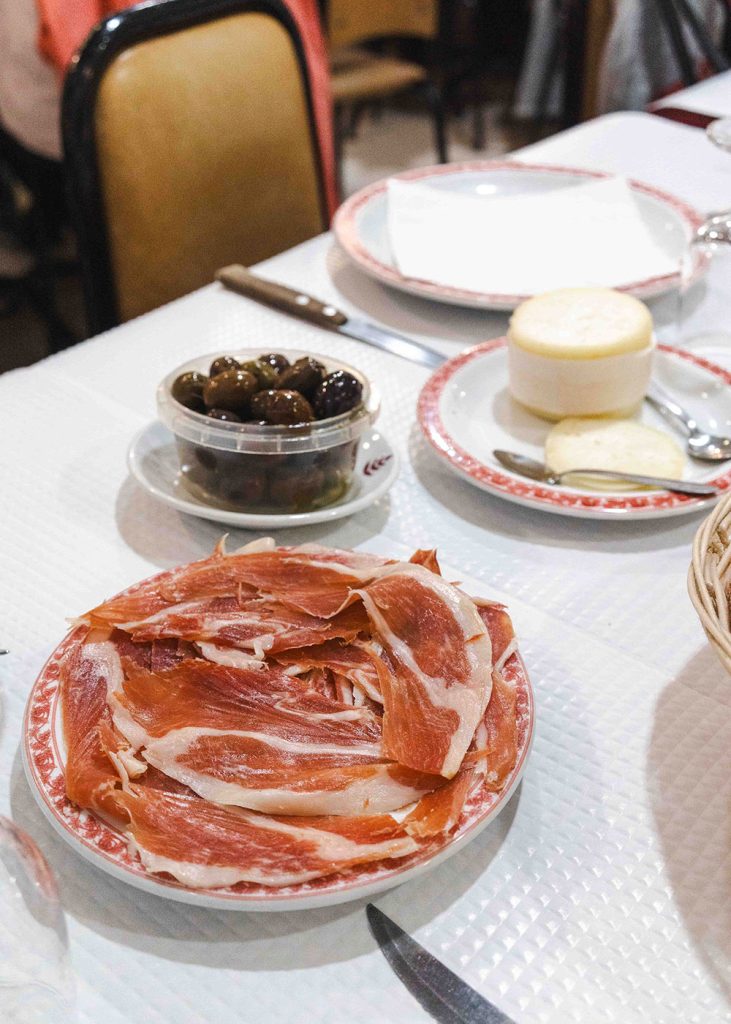
The bread, olives and butter placed on your table at the start of the meal are not free. If you don’t want them, just ask the waiter to take them away or push them away so your server can grab them. Usually these items add just a few euros to the bill. If they pop down cheese or a plate of presunto (prosciutto or parma ham), expect more like €5-€10 per item.
If I had a euro for every Google review I’ve seen on a restaurant page complaining about being charged for the “snacks that appeared” at the start of the meal, I’d never have to pay for beer again.
Look for “menu do dia” at lunch
At lunch you might see “menu do dia” advertised at Portuguese restaurants. This is a special lunch deal that often gets you bread, soup, a dish of the day (prato do dia), a glass of wine or beer plus coffee and sometimes dessert for around €10-15.
✨Also look for “prato do dia” ✨ This is the dish of the day. At tascas you’ll get to try more homestyle dishes, sometimes available just once a week.
Tap water is safe to drink (but difficult to order in restaurants)
Tap water (água da torneira) is safe in Portugal. Don’t hesitate to drink the water in your hotel, Airbnb etc.
At restaurants, bottled water is cultural. As a thirsty Australian I find this very annoying – but it is possible to ask for tap water. In 2023 the law changed so restaurants must provide free tap water if requested, but it isn’t always easy to navigate.
My experience has been that when I ask for tap water (request “copos de agua” or cups of water), restaurants will either bring glasses of tap water (free) or say “I’ll bring you a bottle” (and charge for it).
Restaurants will have larger single-use plastic or glass bottles, or it’s common to have an expensive water filter system with refillable glass bottles. While the refillable bottles are obviously better for the environment – they are usually only 500ml and you’ll still be charged €2-3.50 per bottle, which can add up on the bill.
As a tourist, a cheeky waiter might tell you “we don’t have tap water” – just refer them to law No. 52/2021. Worst case, ask for the complaints book (every business in Portugal has a physical Livro de Reclamações, and you can complain to the state online too).
Meat comes with rice and fries, fish is with boiled potatoes and vegetables or salad
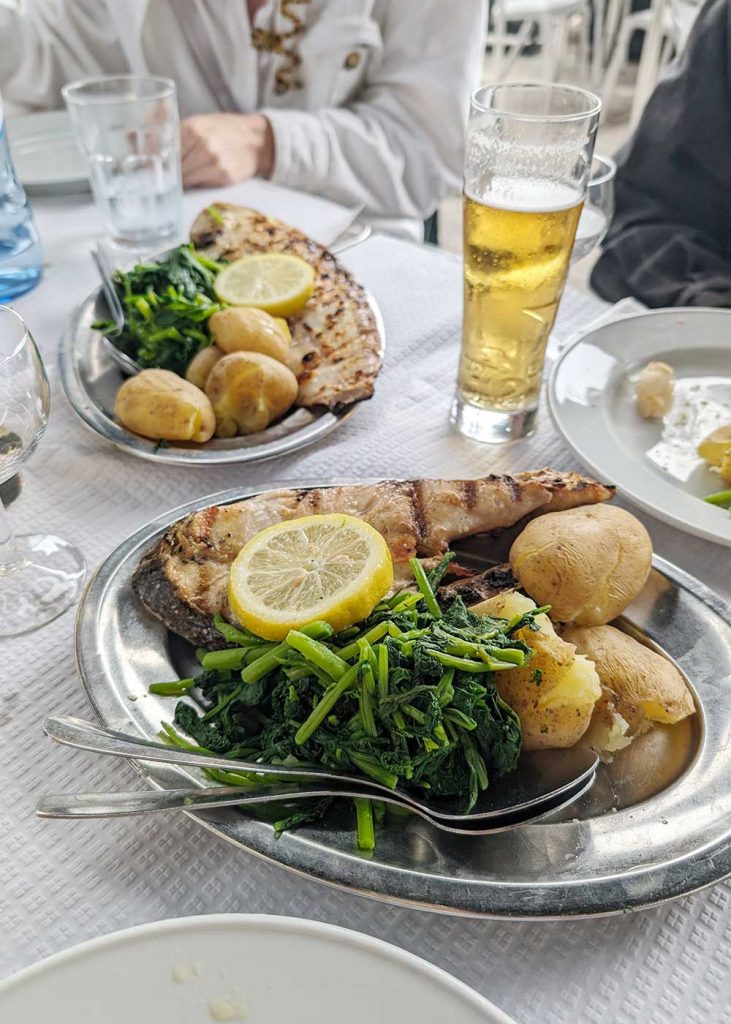
The most basic Portuguese restaurant will likely have grilled meat and grilled fish. When you order grilled meat – pork, beef, chicken etc – it will come with rice, french fries and a (usually tiny) salad. If you order grilled fish, it will come with boiled potatoes and either salad or vegetables. This is an unspoken Portuguese rule.
If you want to swap one of these, ask your server. If you want to eat more vegetables (always a struggle while travelling!), order the sopa do dia (soup) or add a salada (salad) as an extra.
Dinner maths: half dose feeds one person, a dose feeds two
Generally if a tasca offers a choice of sizes for dishes then a single dose (portion) is massive and designed to feed two people. A meia dose (half portion) is designed for one person – usually at 60-70% of the price. Some dishes will only be available as a full dose. The exception is petiscos, which are smaller than a normal main meal and designed to be eaten like share plates or tapas.
Coffee comes after dessert
The rhythm of a Portuguese meal ends with dessert and then coffee. If you want coffee with your dessert order you’ll have to make that clear to your waiter.
You have to ask for the bill
Unless it’s a popular place, your waiter will essentially abandon you once you’ve finished eating. They’re actually being polite and trying not to rush you but it can be frustrating if you’ve got places to be and sights to see. You have to ask for the bill (a conta, por favor!) and wait for them to bring it to you. It’s slightly impolite to stand up and ask to pay at the counter – what’s the rush, right? – but it’s not the end of the world if you do.
Breakfast in Portugal
Breakfast in Portugal is a casual affair. If your hotel doesn’t offer breakfast, type pastelaria into Google Maps and locate your nearest bakery. Here you’ll find glass counters loaded with freshly baked sweet and savoury goodies. Something carby and a coffee should give you change for €5.
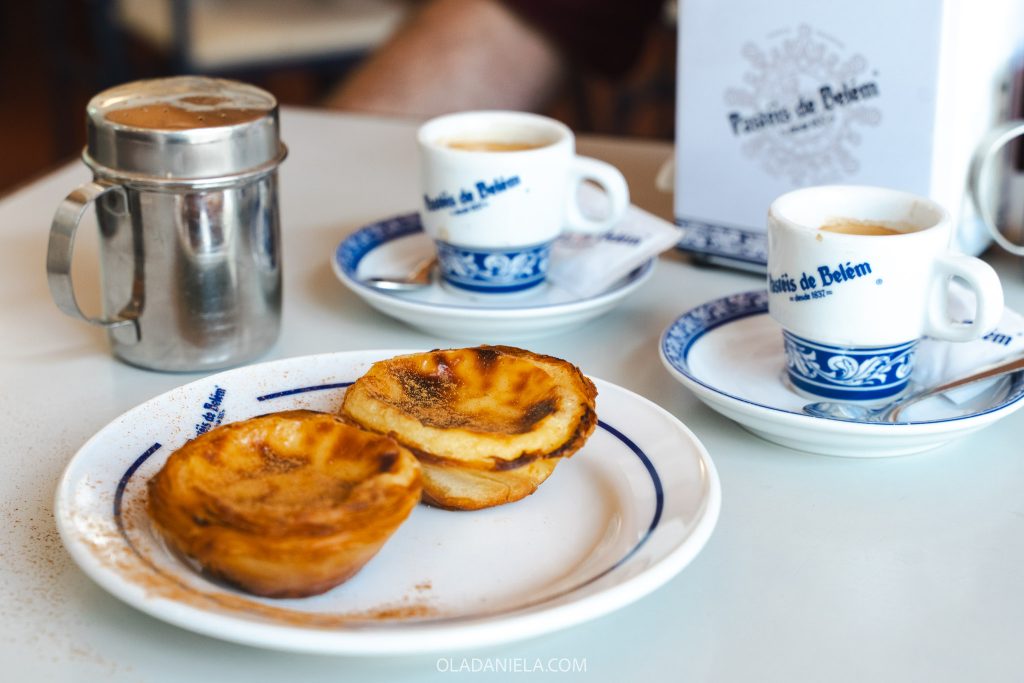
✨What to order ✨Try torrada (fat buttered toast), tosta mista (ham-and-cheese toasted sandwich), pastel de nata (Portuguese custard tart), pão de deus (brioche bun with coconut topping)… should I go on? To that, add a café (espresso) and sumo de laranja (orange juice).
Ordering coffee in Portugal
Here is a quick guide to ordering coffee in Portugal like a local. I usually go for espresso at traditional spots.
- Café (or Bica) – espresso: A standard, intense shot of espresso. It is called a café everywhere, but locals in Lisbon call it a bica too. They might ask if you want it normal, cheio (full) or curto (short).
- Pingado: A standard espresso shot topped with a drop or two of cold milk.
- Meia de leite: Half espresso and half warm milk, served in a larger teacup. Closest to a traditional flat white or cappuccino – but don’t expect fancy latté art
- Galão: A latté – shot of espresso mixed with lots of warm, foamy milk, served in a tall glass.
- Abatanado: An americano or long black – espresso shot served in a larger cup and topped up with hot water. Some places will draw a long espresso by letting water run through the coffee grounds until the cup is full.
- Café com Cheirinho: Espresso served with a splash of local brandy (aguardente) or liqueur…
Avoid restaurants with photos on the menu
This is a standard worldwide tip, really. If the menu has photos, avoid it!
The same goes for a menu translated into 4+ languages. English is quite commonly spoken here, so many traditional spots have English-language menus and I don’t consider that a turn-off anymore. The next most popular language would be French. But if the menu is also in Spanish, German, Chinese, Korean… I’d reconsider.
✨Top tip ✨Truly local spots you’ll find a hand-written menu only in Portuguese.
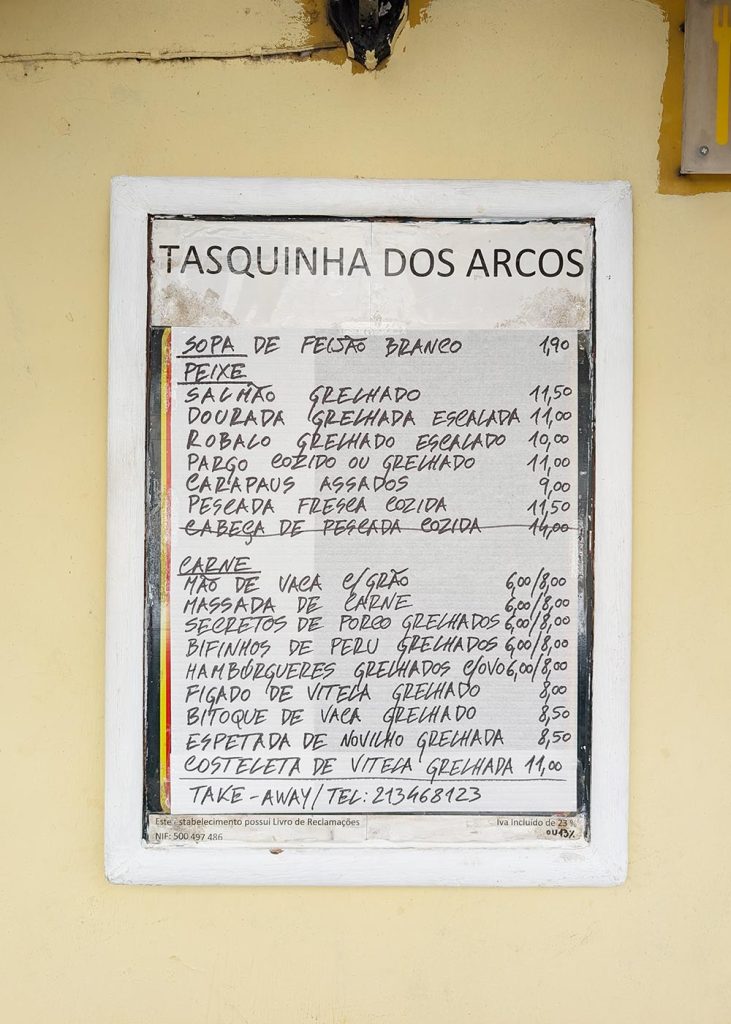
Use Google images to decipher Portuguese menus
Menus in a foreign country can be confusing and lots gets lost in translation. If you find the menu only in Portuguese (or even a confusing English translation), I’d start with a quick Google Translate to get the vibe of what’s fish or pork – then use Google images to see what you can expect from individual dishes.
My favourite poor translations usually have to do with cuts of meat – pork feathers (plumas), pork secrets (secretos) or pork lizards (largatos). Then there’s the 365+ bacalhau (salted cod) recipes, which might translate from bacalhau à Braz to Braz-style cod or from punheta de bacalhau to cod handjob. That tells a foreigner absolutely nothing!
Cautiously choose restaurants on Google Maps
I read a lot of Portuguese food media to find great restaurants and tascas across the country – but I also love to use Google Maps to find great places to eat. Portuguese locals leave a lot of Google reviews – but since they are all experts on Portuguese cuisine, they are very critical.
Most decent or excellent Portuguese restaurants will only have a rating between 4.0-4.4 stars on Google Maps. On the other hand… any modern, fusion or exotic restaurant will likely have a 4.7+. So, I suggest you choose the Portuguese spot with a 4.3-star rating over a sushi bar with a 4.6-star rating.
Confused? Just use my tried-and-tested food guides – I write them for any Portuguese city I’ve spent enough time in!
Money talk – cash and tipping in Portugal
Carry some cash
In 2026 you can navigate more of Portugal with Visa or Mastercard – but honestly, cash is still quite essential. If you visit markets, small stores, pastelarias (bakeries), take taxis or head to little villages you’ll find that €100-€200 you withdrew is quite useful. Plus it’s better to tip in cash (more on tipping below) – and you might need coins for a parking meter or public bathroom.
They have a card machine. Why can’t I pay with card?
I saw a furious tourist post a 1-star Google review because he was told they didn’t accept cards – then he saw someone pay with card. He thought it was a scam to get tips. It’s not. Portugal has its own banking system called multibanco, which offers lower transaction fees. You might notice when you buy something at a pharmacy or store that they have two machines – one for local cards, one for international (Visa/Mastercard). Some small mum-and-pop businesses will either only accept Portuguese bank cards or cash. As a visitor, your only option is cash.
Avoid the Euronet ATMS
Europe – including Portugal – seems to have a plague of what I call tourist ATMs. These conveniently placed independent banking machines are always within reach – but offer terrible, terrible exchange rates and high withdrawal fees.
If you’re in a real pickle, they are safe to use. But if you need cash, try to find a legitimate bank ATM. Look for a sign above the ATM that says “multibanco”.
Here are the names of the top Portuguese banks so you can find their ATMs. Or search “multibanco” on Google Maps.
- Santander
- Caixa Geral de Depósitos
- BPI
- Millennium bcp
- ActivoBank
- Novobanco
- Abanca
- Bbva
- Citibank
- Crédit Agricole
- Banco Montepio
- BNP Paribas
- Banco Finantia
✨Bonus money tips ✨ Withdrawing cash at a local ATM will give you better exchange rates than at a physical exchange (at home or in Portugal). I always wait to withdraw cash when I arrive at a destination, but I try to carry at least €50-100 of my local currency for emergencies.
My other tip is to always, always, always decline the conversion rate at an ATM or card reader. Select euros over your home currency!
Read next… 14 common mistakes people make when visiting Portugal
Tipping culture in Portugal
Portugal’s tipping culture is quite relaxed. There’s only one hard rule – don’t tip like an American.
It’s not necessary to tip in Portuguese restaurants, but it is polite to leave something. Most locals will round up the bill when paying, or leave a small note or extra change on the table.
Service workers, drivers, tour guides etc will likely all be earning minimum wage – which is €12,880 per year in 2026. Life is expensive and rents in Lisbon are €1,000+ for a 1-bed apartment, so of course locals will be grateful for tips.
But nobody wants US tipping culture creeping in. Personally, I’ll round up or leave extra change in restaurants, cafes, bars, and with taxis. I’ll make sure to add a €1 tip with my rideshares (Uber or Bolt) too.
In fancier or more touristic restaurants I’ve noticed the bill is starting to come with a “suggested gratuity” of around 10% semi built in. You can refuse this and instead leave a tip in cash of your choosing.
Examples of how I’d tip in Portugal as someone who lives here (and carries cash for this reason!):
- Bakery bill: €2.80 – leave €3
- Lunch solo: €12 – leave €1-2 in coins
- Dinner with group of friends: €162 – we might round it up to €170 and split that between us.
- Taxi fare: €9.20 – leave €10
Break large notes – €50s or €100s – at large businesses
When I withdraw cash in Portugal, the ATMs only dish out €10 and €20 notes. If you roll up with large notes, many pastelerias, kiosks and taxi drivers simply won’t have change for you. Try to split your large bills at supermarkets, hotel desks or restaurants before heading to markets or small businesses.
Getting around, transportation & handy apps
Get an eSIM
If you don’t have a European phone plan, get an eSIM. I always use Airalo when I exit Europe and need to stay connected while in Switzerland, Morocco, Asia etc and it works really well.
What I love is that you can set it up from home then land and switch it on once you arrive – no need to line up at a phone booth in the airport.
➡️ Get your Portugal eSIM here.
Download these helpful apps in Portugal
- Google Maps – you likely already have this app. It’s ideal for navigating Portugal, and has public transport routes built in too.
- Uber and/or Bolt – Rideshare apps. Though taxis are quite affordable too.
- Airalo – for an eSIM
- CP – for long-distance trains. I usually just book on the website, but there is an app too.
- Fogos.pt – if you visit in summer, this app tracks active fires in Portugal.
Subscribe to Portuguese news in English
If you want news about Portugal, written in English, delivered to your inbox once a week, sign up for the best resource out there – Portugal Weekly by Jorge Branco.
My partner Jorge Branco is a journalist and during COVID he launched his Substack that rounds up the top news and stories impacting foreigners in Portugal. It’s a great way to stay up-to-date with heatwaves, fires, floods etc that could impact your trip – along with stories about politics, immigration and more.
If you have a friend that lives in Portugal, share Portugal Weekly by Jorge Branco with them!
Pre-book inter-city trains for discounts
If you’re travelling between Lisbon, Porto or the Algarve, you can get discounted tickets by booking in advance. Tickets go on sale 60 days ahead, and if you book two weeks before direct with Comboios de Portugal (CP) you can usually access “promo” tickets with up to 50% discount.
Those aged over 65 can get pensioner tickets at half price too.
✨ Tip ✨ In summer, it’s worth springing the extra € for the faster Alpha Pendular trains because sometimes the air conditioning breaks on the Intercidades.
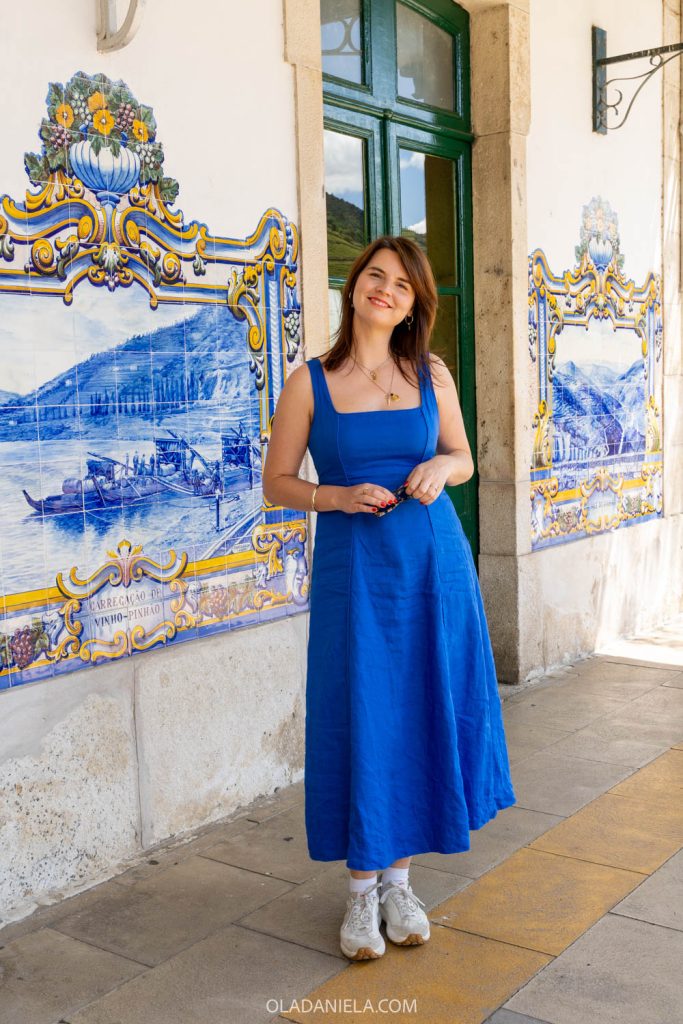
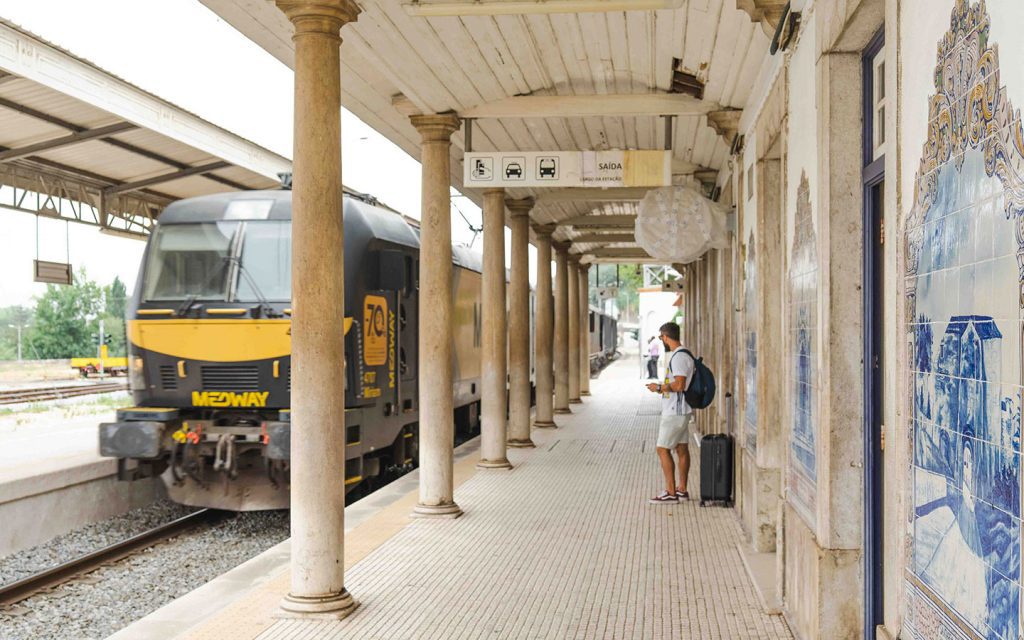
How to book the train
- ➡️ Book your trains directly via cp.pt, or via third-party site Omio
- Sometimes I find the CP website is glitchy in English. If you’re having trouble, try switching to Portuguese when hitting the book button. If you don’t have patience, use Omio.
- If the system asks for a tax number (NIF) and you can’t get past it, just plug 9 random numbers in.
Rideshares and taxis are affordable
The public transport networks in Portuguese cities are usually quite good, but if there are two or more people sometimes taking a rideshare (Uber, Bolt etc) is comparable, price wise. If you’re not familiar with Bolt, it’s like European Uber – in Lisbon I find it is always a touch cheaper, so I prefer it.
In 2026 I’ve also started catching old-school taxis more. While rideshare cars were always plentiful and convenient, recently the wait times for a Bolt or Uber have increased a lot, often leaving me waiting on the pavement for 15 minutes or more. If there is a price surge at peak times, a taxi can even be cheaper. So yes, I’ve started hailing more cabs in Lisbon!
Expect toll roads on most highways
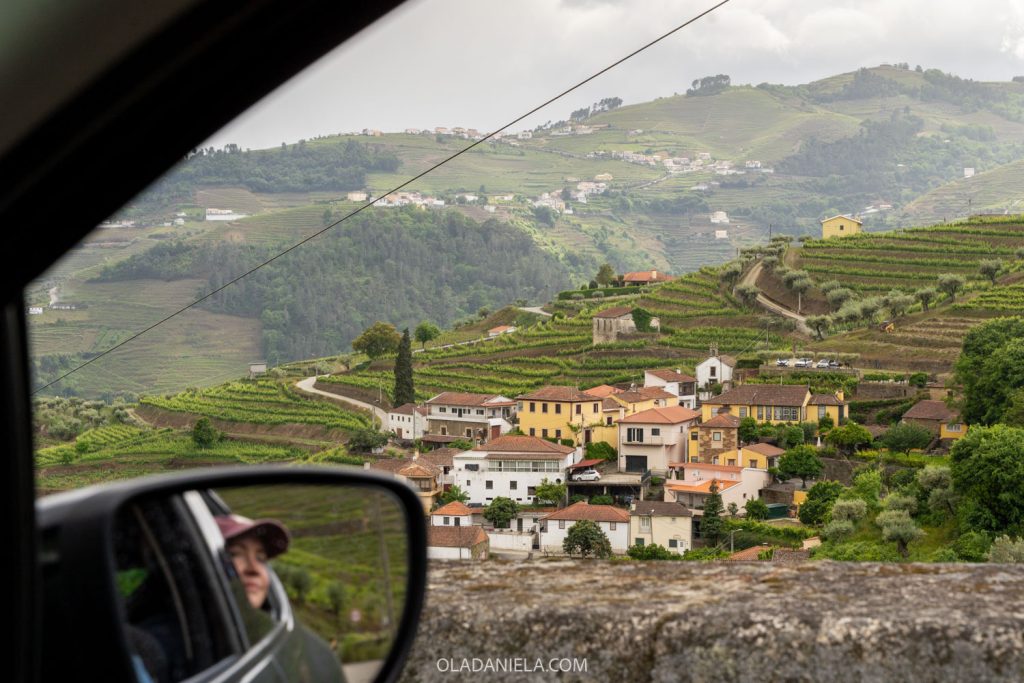
Portugal has a lot of lovely highways to help you zip from A to B – but you’ll pay for it. When renting a car, you might be upsold a “Via Verde” transponder for the tolls. I know that around Porto/Braga there are electronic gates with no manual option – but around and between Lisbon, Coimbra, Algarve and Évora there are manual ticket and payment booths for tolls.
Talk to the rental car desk about your route and if in doubt, get the toll transponder to avoid any bureaucratic nightmare.
✨ Tip ✨ I use discovercars.com to compare rental car companies and deals across Portugal.
Tap your contactless bank card on public transport
Lisbon: You don’t need to queue for tickets in Lisbon for the metro, bus and tram. You can tap any contactless bank card or mobile phone wallet at the metro gates or when boarding buses and trams. For city trains (to Cascais or Sintra etc), you still need to grab a ticket from a machine.
⚠️ Note: this charges you the full fare price. If you’re staying in Lisbon longer, purchase a paper “navegante” card for 50c and load it with “zapping” credit. Now you’ll save about 30% on every bus or tram ride, and 20c per metro ride – and it is valid for transfers. Details and fares here.
Porto: You can tap a contactless card or phone wallet on all buses and some metro stations (Aeroporto, Trindade, Campanhã, São Bento, Casa da Música, Bolhão) in Porto. It’s €2.25 per bus fare, but it caps out at €7.75 a day.
Get an international driver’s licence for a rental car
Portugal is a little bit of a grey zone on whether you need a valid international driver’s permit to rent and drive a car. I was never asked for one while renting, but if you’ve paid for the rental, you don’t want to screw up your vacation plans.
Getting an IDP isn’t expensive and I hear you can get them same-day at an AAA office in the USA, and I know it’s the same in Australia (or it takes a few days if you apply online).

Don’t keep a rental car in Lisbon or Porto
It’s a nightmare to drive and park in the big cities. If you can, collect or return your rental car to avoid paying for it while in the city – you’ll be paying a daily rate to have the car, and money to park it.
If you can’t – say you have a road trip loop planned to and from Lisbon that includes two nights in Porto – then stay a little further from the centre, or confirm if your hotel has parking and what the rate is.
Packing advice for Portugal
I have a huge and very detailed guide covering what to pack for your trip to Portugal, with a month-by-month breakdown of the weather, climate, different regions etc so you feel confident in your suitcase. I’ll drop some key tips here anyway!
Read next… What to wear in Portugal – packing list and seasonal guide
Pack flat shoes with good grip
Be ready to take on Portugal’s shiny, slippery cobblestones. Many footpaths are made of small white stones known ascalçada portuguesa that, combined with the hilly streets of Lisbon and Porto, can cause you to fall – especially if it rains.
Forget anything with a heel – bring only shoes with good grip.
✅ Recommended shoes: Sneakers, sturdy boots, sandals/Birkenstocks with a rubber sole. It’s all about grip.
❌ Avoid: High heels, smooth-soled dress shoes, thin-soled ballet flats, shoes with smooth leather soles. Consider having extra grip added by a cobbler, if you must.
Buy Made-in-Portugal shoes before you arrive
Portugal is one of the top 10 shoe-making countries in the world. In 2025, Portugal made 68 million pairs, exported to 170 countries. If you’re curious, here are a couple of Portuguese-made brands you can buy on US Amazon before you arrive:
- Nae Vegan Shoes – loads of options for cool sneakers, sandals etc.
- Lemon Jelly – the best rubber boots, gumboots, clogs and sandals (with a lemon scent!) here. Find them direct or via Amazon.
- Asportuguesas – super comfortable cork soles.
- Fly London – fun, high-quality women’s shoes, boots and sandals here.
- Bonus: Birkenstocks makes these excellent women’s boots in Portugal (with the sort of thick grip I suggest for winter months!).
Accept that the Atlantic Ocean is ALWAYS freezing
Even in the dead heat of summer, you’ll dip in and out of the ocean in about five minutes flat. Around Lisbon and Cascais the water temperature rarely climbs above 18°C (64°F). Near Porto, it’s even cooler. Refreshing is a polite way of putting it!
The warmest sea is found on the Algarve coast closer to Spain, where the Mediterranean Sea is close.

There are NO private beaches in Portugal
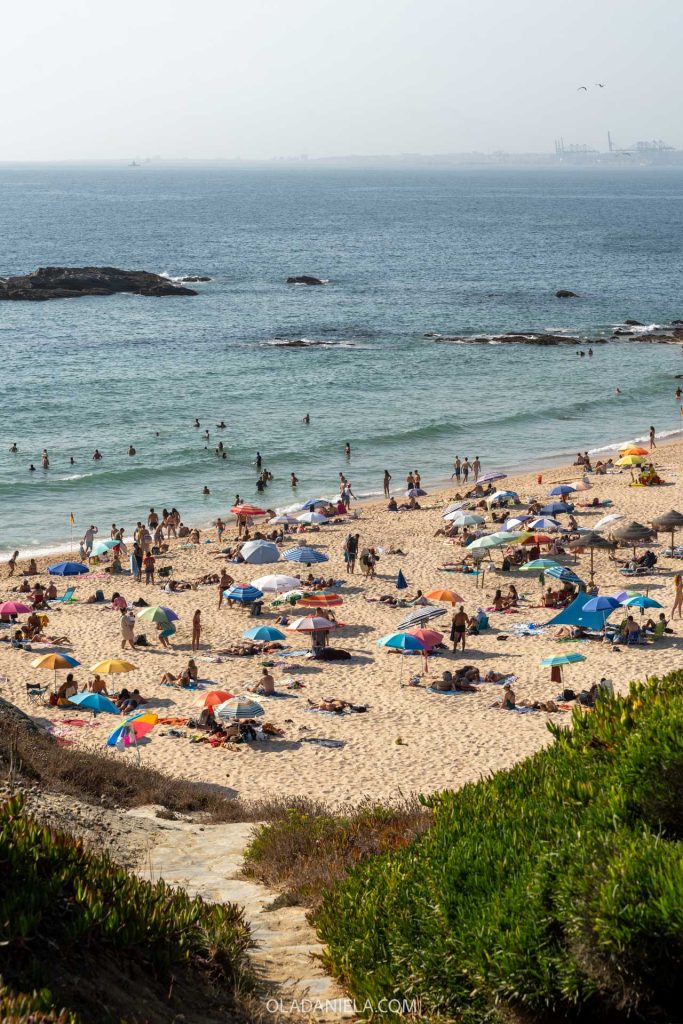
If you read a resort review boasting about its “private beach,” or a grumbling TripAdvisor comment complaining that a hotel beach wasn’t exclusive, ignore them. By law, there is no such thing as a private beach in Portugal. Under the Portuguese Constitution and water protection laws, the entire coastline is public domain. Every single beach belongs to the public and must remain freely accessible to everyone (yay!).
That said, there is commercial activity on beaches. Luxury hotels or beach clubs can pay for a commercial “concession” to set up sun loungers, umbrellas and beach bars. But they can’t take up more than 30% of any beach and you can set up your umbrella or towel right next to or in front of them.
Wear sunscreen
Don’t underestimate how hot and powerful the sun is in Portugal. If you’re by the beach, the ocean breeze might trick you – but high SPF sunscreen is a necessity if you’re in the sun.
Bring a sweater in summer
After the sun sets, the lack of humidity and icy Atlantic breezes can make the temperatures plummet. My rule is that if the high of the day is under 30°C (86°F), I need a denim jacket or light sweater for the evening.
Expect to freeze indoors in winter
Older Portuguese apartments, budget hotels, restaurants and more shops don’t have central heating. If you visit in the winter months, expect to wear your layers inside too. Winters are humid, so sometimes (somehow) it can be warmer outside than in!
Activewear is for the gym
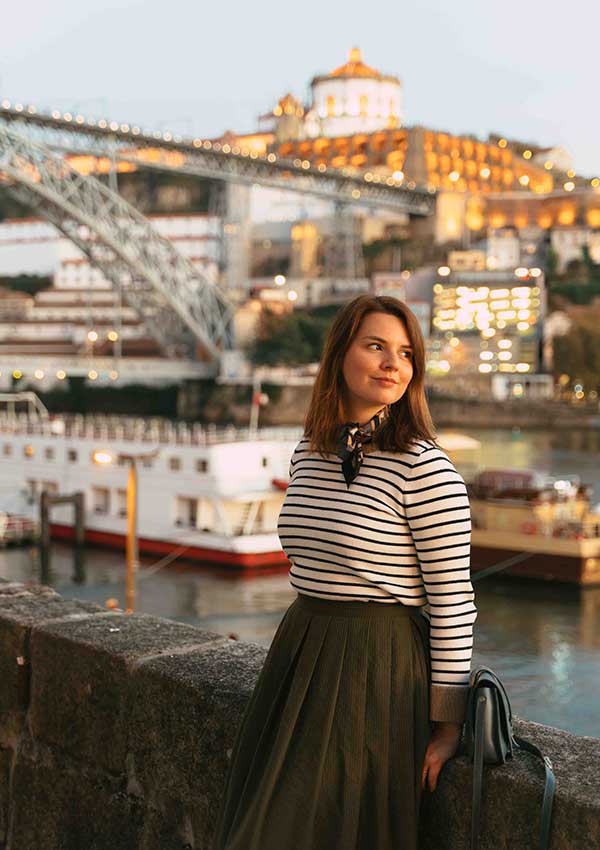
You can wear what you like in Portugal – there are no rules – but the only people wearing activewear on the street are people exercising or tourists. Save the gym tights for the gym and wear light linen pants instead.
Pack a power adaptor
Portugal uses standard European plugs – plug Type C (two round pins) and Type F (two round pins with grounding clips). The standard voltage is 230V.
⚠️ Leave your hairdryer at home. US single voltage devices (like hairdryers, shavers) will burn out if plugged into European outlets. Phones, laptops, tablets etc are dual-voltage devices and will adapt.
Carry a tote bag for groceries
Portugal banned free lightweight plastic bags years ago. Most locals will take reusable bags to the supermarket or mini mercado – if you don’t, you’ll pay a surcharge for a bag. Be good to the environment and bring your own!
Cultural tips for Portugal
Respect the queue
Portugal loves a queue. Places like pharmacies, the post office and big bakeries have a ticket system (senha) that you grab near the entrance and wait to be called.
There’s also an unwritten bus and tram queue – take note of who was at the bus stop when you arrived. Let elderly and pregnant people board first, then try to allow those who arrived before you on ahead of you.
Ask a pharmacist for help
If you’re feeling unwell, make the pharmacy your first stop. Pharmacists in Portugal are highly trained and can prescribe or recommend many over-the-counter remedies directly. For minor things, they can prescribe what you need – and for anything more serious, they may have advice on what to do and where to go.
Sightseeing tips in Portugal
Many museums are closed Mondays
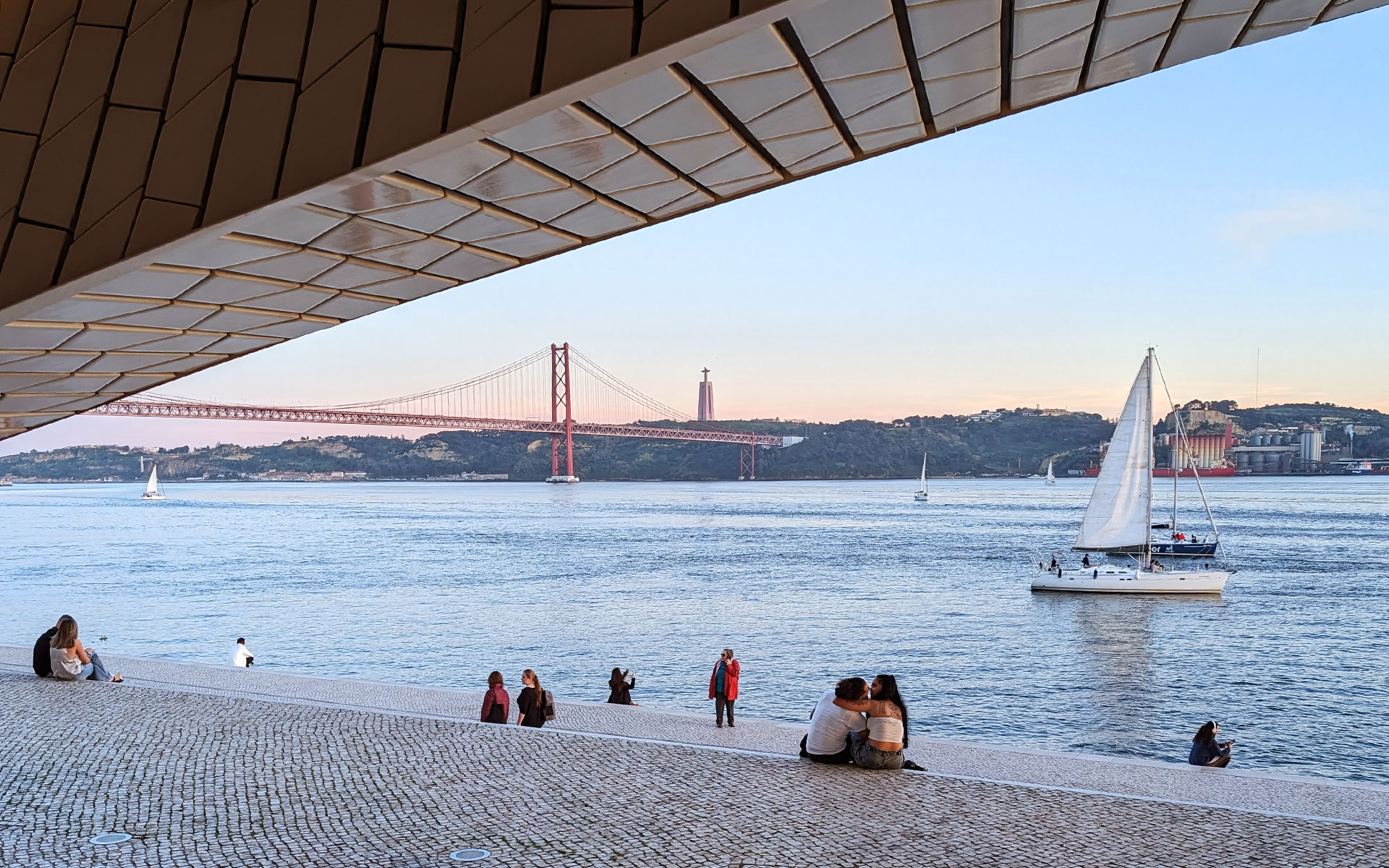
Most national museums, palaces, monuments and galleries are shut on Mondays. Consider this when planning your itinerary! Fortunately not all close Mondays (some close Tuesdays).
On Monday you can still visit:
- All palaces in Sintra – like Pena Palace
- Calouste Gulbenkian Museum, Lisbon
- MAAT, Lisbon
- Quake, Lisbon
- Treasure Museum, Lisbon
- Palácio Nacional da Ajuda, Lisbon
- MACAM, Lisbon
- Medeiros & Almeida Museum, Lisbon
- Serralves Museum of Contemporary Art, Porto
- FC Porto Museum, Porto
- Portuguese Centre of Photography, Porto
- Conimbriga Roman Ruins, Coimbra
- University of Coimbra
Plan your day in Sintra – and consider a guide
Sintra is a stunning and whimsical getaway just out of Lisbon but it wasn’t planned for mass tourism. The small village – a 19th-century summer escape for the rich and royals – gets packed with visitors each day where one-way roads take you up to hidden palaces in the hills. If you want to see the most famous red-and-yellow Disney-esque Pena Palace, or the mysterious gardens and inverted tower of Quinta da Regaleira – book tickets in advance.
It’s an amazing day trip from Lisbon, and there are half-a-dozen palaces to explore (some are quiet!) – but it takes some planning to have a nice day.

⚠️ I’m a strong advocate for independent travel, but if you can afford a guide for this day they will help you navigate the crowds and find pockets of peace. Here are my suggestions:
- Small-group tour: This full-day option with Unique Journeys includes Pena Palace, then you’ll drive across the stunning landscape to the beach and into Cascais. My favourite route! There’s also a half-day option for just the palace.
- Off-road Jeep tour: For something adventurous and different, I can personally recommend Flamingo’s off-road Sintra tours. They have super cool vintage Portuguese-made UMM 4WDs. You see a palace, then hit off-road mountain trails, go to lookouts. It’s fun and a huge hit with teens.
- Private: Fernando from Portuguese Chauffeur is my go-to guy for Sintra tours. His rates are super reasonable – just lock him in well in advance as he’s popular. Includes Lisbon hotel pick up, excludes palace entry.
Free Sunday entry is mostly for residents now
Older blog posts might claim museums are free for everyone on Sundays – but this could be outdated information. A recent law change means many state monuments are now only free for residents of Portugal. When in doubt, always check the institution’s website!
A couple of free museums and sites:
- Muzeu, Braga – free on Thursdays
- Gulbenkian Museum & CAM, Lisbon – free from 2pm on Sundays, always free for under-18s.
- Oriente Museum, Lisbon – free Fridays 6-8pm
- Money Museum, Lisbon – always free!
- Serralves Museum of Contemporary Art, Porto – Free on the 1st Sunday of each month
Safety tips & scams to avoid in Portugal
Fake drug dealers
In downtown Lisbon and Porto, you might see men openly offer you marijuana, hashish or cocaine. Selling drugs is illegal – so it’s almost certainly a seasoning scam. You’re buying baking powder or herbs. Just say no.
Yes, Portugal decriminalised personal drug use many decades ago – turning it from a criminal offence to a health problem. But selling drugs remains illegal.
Pickpockets at tourist sites
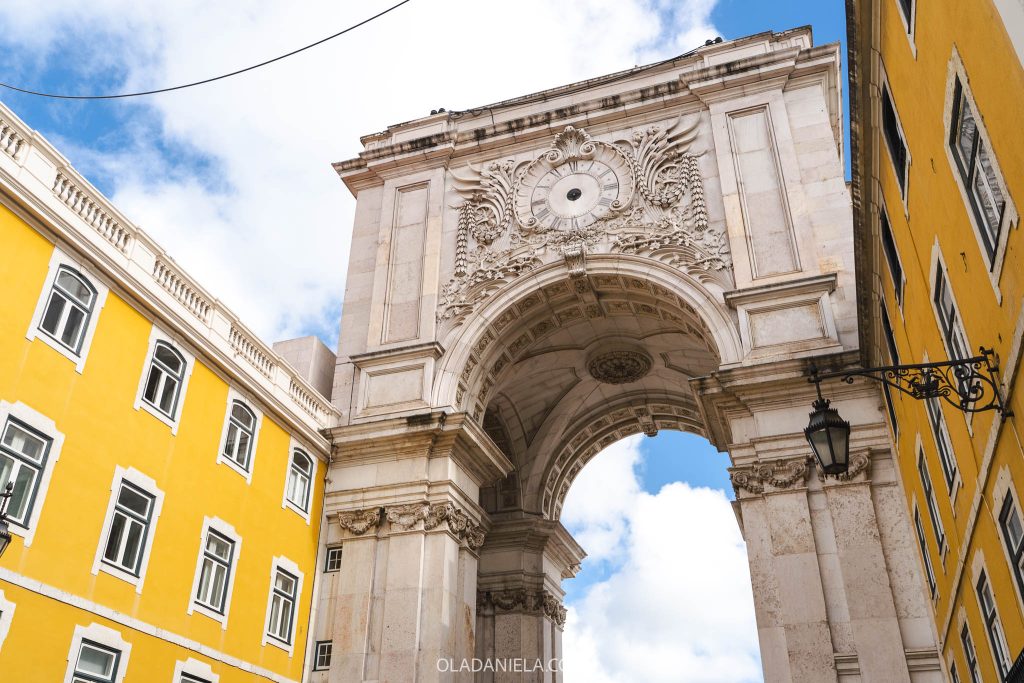
Portugal is really very safe. I never worry that someone will take my phone or snatch my bag. But as a tourist you’re more vulnerable – you’ll be visiting tourist sites, walking in crowds and navigating areas known for pickpocketing.
Catching the tram 28 in Lisbon or tram 1 in Porto are known pickpocket hotspots. The carriages get very busy. If you have a backpack on, be aware. Pickpockets often dress to look like tourists themselves too!
Don’t accept random rides at the airport
For a while in 2025 there was a problem at Lisbon airport – random men were approaching fresh arrivals offering faux taxis. I noticed these people hovering at the exit and they didn’t seem to be Portuguese. On arrival at your Airbnb, the “fare” becomes €200+ (instead of €20) and you have to pay to get your luggage from the trunk.
⚠️ Always go to the official taxi queue, use rideshare apps like Uber or Bolt, or catch the Metro.
Hide all luggage in your car
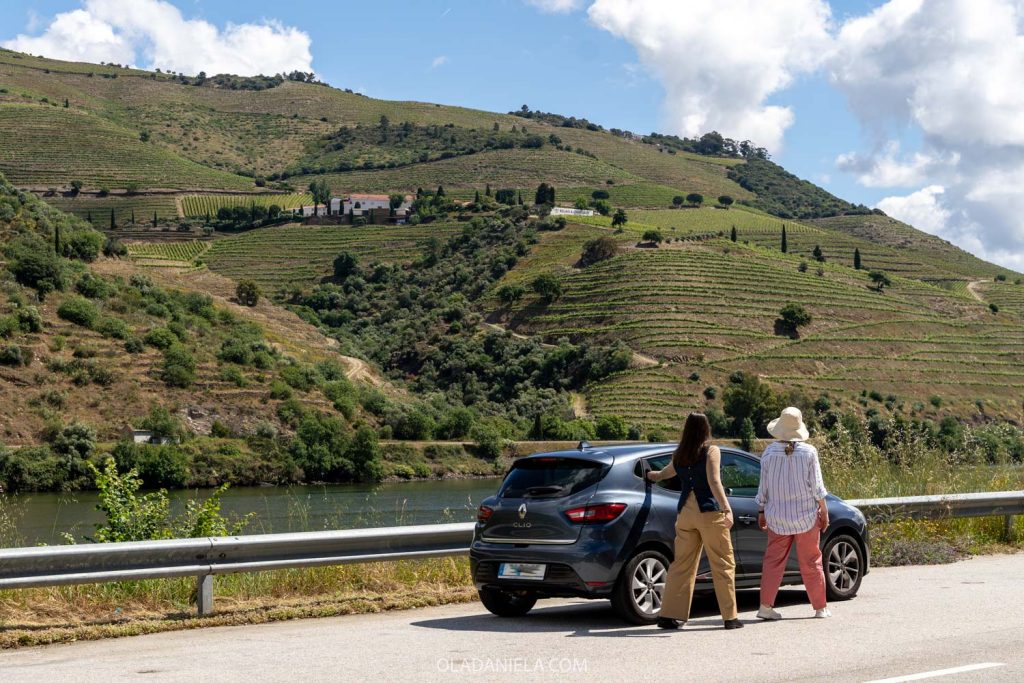
Portugal has very low crime rates – but luggage thefts are a risk. What I hear about most (in Facebook groups) is car break-ins. This will happen when you’re somewhere more remote but very touristic. A crime of opportunity.
If you can, remove the rental car company sticker off the back window, leave nothing (nothing!) on the backseat, and, of course, take anything valuable with you to be sure.
⚠️ Two hotspots are the car park at Óbidos village (it’s just off the highway on the route between Lisbon and Porto, easy target) and Cabo de Roca (on the Sintra coast). If you’re clearly driving a rental car and there is a bag or large item on the back seat, someone may assume your trunk/boot is filled with luggage.
If you’ve been to Portugal before, what’s one tip you wish someone told you before you landed? Leave me a comment…
Keep reading….
- 14 common mistakes people make when visiting Portugal
- 35 unusual and off-beat things to do in Portugal
- 48-hour itinerary for Lisbon
- How to spend 48 hours in Porto
- Local’s Guide to Feira da Ladra, Lisbon’s Famous Flea Market
- The best cooking classes in Lisbon & Porto
- What to wear in Portugal – packing list and seasonal guide