

Golden shores with gently lapping waves. The smell of grilled sardines and sunscreen. Trees heavy with figs, lemons and olives. White-washed villages watching slow days pass by. I love the Algarve, especially in the summer, and it’s not hard to see why Portugal’s southern coast is a favourite destination for beach holidays.
My style of beach vacation is part adventure, part beach time, part brilliant food experiences, so if you’re looking for an itinerary that is mostly countless days flopped on lounge chairs by the pool or at the beach, this is not it. In fact, I don’t think you need a structured Algarve itinerary for that!
As someone that lives in Lisbon, I visit the Algarve at least once a year. I’ve written this 7-day Algarve itinerary based on half a dozen Algarve road trips that I’ve taken over many summers (and off-season too).
Below you’ll find my 7-day Algarve itinerary where I share the spectacular beaches, small fishing villages, amazing food and unusual things that I like to do on Portugal’s southern coast. I’ve packed it with ideas – so skip some if you want to sunbake instead!
7-day Algarve itinerary road trip overview
⏱️ Duration: 7 Days | 🚗 Starting Point: Faro or Lisbon | 🛣️ Total Driving: ~350 km (215 miles) | 🌟 Highlights: Ponta da Piedade, Benagil, Olhão Markets, Ria Formosa Islands, Tavira
Part 1: Golden beaches & active adventure in the West Algarve (Days 1–3)
⭐ 🛏️ Hotel Recommendation in Lagos: Lagos Avenida Hotel – 4-star hotel w/ rooftop pool
Day 1: Drive to Lagos via Ferragudo, beach time & sunset boat cruise
Day 2: Kayak Ponta da Piedade & visit Sagres
Day 3: Benagil Sea Cave boat or kayak & wine tasting or Seven Hanging Valleys trail
Part 2: Island-hopping & historic towns of the East Algarve (Days 4–7)
⭐ 🛏️ Hotel Recommendations in Olhão: Pure Formosa Concept Hotel OR Tavira: Colégio Charm House
Day 4: Slow drive east: piri-piri chicken, tiles & Olhão
Day 5: Olhão Market, Ria Formosa boat trip or ferry to sand islands
Day 6: Castro Marim salt-pan baths, fresh seafood & sunset in Cacela Velha
Day 7: Explore historic Tavira & final Algarve adventure
My biggest tip: The Algarve is bigger than you think (& East Vs West Algarve
Many first-time visitors to Portugal want to visit the Algarve, but most don’t realise it’s a huge region. There’s around 150 kilometres (100 miles) of coastline to explore, so it’s not the sort of place you can tick off in an afternoon or a day.


Read next… 50+ essential tips (from a local) for your first time in Portugal
I like to think the Algarve has two main parts to explore – the east and the west – and with this 7-day road trip you’ll see the best of both. The difference is the geology and both are super different. Technically you could also split out central Algarve and the west-facing Atlantic coast, but I’ll try to keep it simple.
If you’ve seen photos of dramatic, rugged golden cliffs towering above saturated turquoise sea, then you’re looking at some of the most famous beaches of the western end of the Algarve. These will be beaches around Lagos and Benagil Cave, and possible Sagres.
Then the area from Faro (the regional capital) east I’d call the eastern Algarve. Here the Ria Formosa, an expansive wetland system, creates a biodiverse barrier between the ocean and the mainland. Here you’ll find less beach resorts, golf clubs and sunburnt British tourists, and more charming historic villages like Olhão and Tavira. Catch a ferry to one of the sand bar islands and enjoy slow afternoons on expansive white sandy beaches with few others around you.
In my opinion, after many visits, the best week-long Algarve vacation balances the best of the coast by splitting your time into two parts, just as this 7-day Algarve itinerary and road trip does.
Read next… 10 perfect days in Portugal: A fast-paced itinerary


➼ Planning a trip to the Algarve? ➼ Talk to me! I offer 1:1 video calls to help people avoid decision fatigue and plan their perfect Portugal itinerary. Beyond logistics I can add a rich layer of fantastic restaurants, artisans finds, and off-beat things to do too. Find out more here.
7-day Algarve road trip itinerary map
Do you need a car to explore the Algarve?
No, but I’ve written this itinerary with the assumption that you’ll have a car or rent a vehicle. Having your own wheels makes it easier to explore the vast region. The highway between Lisbon and the Algarve has a hefty toll, but the roads in the Algarve are all free now.
If you can’t rent a car, there is an ~okay~ regional train that runs east to west, and a bus network. You can supplement these with Uber/Bolt rides to get where you need.
Read next… Where to stop between Lisbon and Lagos
Part 1: Golden beaches & active adventure in the West Algarve (Days 1–3)
Where to stay: 3 nights in Lagos

The Algarve is Portugal’s summer playground, so you’ll find plenty of resorts and hotels, self-catering apartments and holiday homes for rent. There are stacks of all-inclusive golf resorts too (but you don’t need a travel plan for that!). Choose somewhere cute in Lagos for the first three nights.
Suggestions for where to stay in Lagos:
- Central: Lagos Avenida Hotel – 4-star central hotel with rooftop pool
- Luxury: Palmares Beach House Hotel – 5-star adults-only luxury resort with private-ish beach
- Boutique: Hotel Vivenda Miranda – 4-star hotel near Porto de Mos beach
- Mid-tier: Casa da Moura – guesthouse at edge of old town with pool
- Budget: Olive Hostel Lagos – chill feel, instead of a party hostel
- Family: Vila Gale Lagos – 4-star resort with spa, kid’s club, two pools near Meia Praia
Read next… Where to stay in the Algarve: Ultimate guide to choosing your base
Day 1: Drive to Lagos via Ferragudo, beach time & sunset boat cruise
106km // 1 hour and 40 minutes driving from Faro Airport. Or 300km // 3-hour drive from Lisbon. Lagos is connected to the Algarve train line, but from Lisbon it’s faster to take a coach bus.
Morning: Drive to Lagos via Ferragudo village
Either fly into the Algarve airport in Faro and pick up a rental car, or drive south from Lisbon.

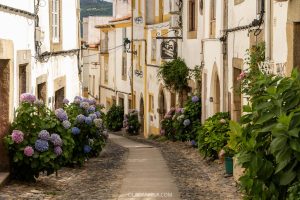
En route, stop at the tiny postcard-worthy fishing village of Ferragudo. Tiny boats bob in the harbour, a castle overlooks the beach to one side and small white-washed houses with colourful doors snake up cobbled streets covered in blooming purple bougainvillaea. Along the Arade River, every waterfront restaurant seems to have a huge outdoor grill on the street, where the catch-of-the-day is salted and simply charred over charcoal. A Ria is one of those spots.
Extend the drive: Coming from the capital, I have extra ideas for where to stop on the way down if you’d like to take your time on the drive.
Lunch alternative: Pull into Portimão and try Taberna da Maré. This well-known seafood restaurant executes a brilliant cataplana, which is a seafood stew cooked in a giant copper clam.

Read next… What to eat in the Algarve
Afternoon: Beach time in Lagos, sunset aperitivo (on a boat!)
Lagos was an important seaport during Portugal’s Age of Discoveries, and the historic city has links to famous explorers like Henry the Navigator. You can wander the historic centre, surrounded by medieval walls, to see classic white-washed Algarvian homes trimmed with ochre yellow, then visit the 17th-century Forte da Ponta da Bandeira.
But for now, history can wait – the main reason to make Lagos your base is the stunning beaches. While the entire Algarve coastline offers access to incredible beaches, the western Algarve is most famous for its dramatic orange cliffs and one-of-a-kind spots.


Two huge, expansive stretches of sand – Praia de Porto Mós and Meia Praia – flank either side of the city, but in between you’ll find some smaller bays within an easy walk of the centre. Praia dos Estudantes is close and has the photogenic bridge, or the iconic Praia Dona Ana offers stunning cliffs and crystal-clear waters.
Read more… Best beaches in Lagos, Portugal
More things to do in Lagos:
- Explore picturesque cliffs, hidden coves, and sea caves with a boat tour from Lagos
- Chase thrills with adventure water sports, like windsurfing or kiteboarding
- Go dolphin watching with a boat safari
- Discover local history and culture at the Lagos Museum
- Shop at the local mercado to buy fresh fruit and local produce (mornings only)
- Pop into cute shops, like Mar d’Estorias, to find unique souvenirs
- Tee off at a nearby golf course, such as Palmares Golf or Boavista Golf & Spa Resort
There’s nothing like seeing the glow of sunset from the water, so board this traditional sail boat for this sunset cruise around Lagos. It’ll take you around the stunning Ponta da Piedade headland where you can admire the 20m (65ft) high golden cliffs changing tones with a glass of prosecco in hand.
Alternatively, stretch your legs with a walk along the Ponta da Piedade boardwalk. This easy wooden path curves along the famous headland, giving you views of the ocean and rocky yellow-golden formations below.
For dinner, look for a local restaurant in town like Travia or Casinha do Petisco.


Day 2: Kayak Ponta da Piedade & visit Sagres for sunset
Morning: Kayak around Ponta da Piedade
Ponta da Piedade is a real-life postcard of orange cliffs carved by the sea and time. You can wander around the top of the peninsular, following boardwalks, on foot or by bike – but you can’t really appreciate the landscape until you’re on the water.


While the sunset tour is a dreamy moment, I truly think the best way to explore is with a kayak tour. With a kayak you can dip in and out of the sea caves and explore the cliffs to their full potential. I did this boat-kayak tour with Days of Adventure and I LOVED it. We were launched off the back of the boat on our kayaks, paddled through the coolest parts of the headland for about an hour, then were pulled back on board by the amazing crew.
Lunch idea: I’m a big fan of Everyday People, which is close to the Lagos Marina. Drop in there for coffee and great café fare after the kayak tour.
Afternoon: Go west to Sagres
Jump behind the wheel and head west. If you have time en route, pause in the cute village of Burgau. I hate silly comparisons, but the “Santorini of Portugal” (I don’t see it) is a stunning teeny village on the sea. Sul is a really beautiful, casual produce-driven bistro if you would like lunch or coffee! Between Lagos and Sagres you’ll also find plenty of wilder, quieter beaches, so you could follow a goat track down to the sea and spend a few hours in the sunshine.
Just before you reach Sagres, you’ll spot Ceramica Paraiso, a warehouse filled with beautiful Portuguese-made pottery. IYou won’t miss it – the outside is covered in colourful ceramics. New plates, bowls, cups or mugs usually cost just a few euros each at most.


Sagres sits at the southwestern edge of continental Europe. It’s deeply connected to Portugal’s Age of Discoveries and gets whipped by the wild winds of the icy Atlantic Ocean. Even in the middle of summer, you might need a jacket or more.
Start at the windswept 15th-century Fortaleza de Sagres (tickets here), a fort at the edge of the earth (remember a hat and sunscreen). Then drive to Cape Saint Vincent – the “edge of the world” – to watch a raw, dramatic sunset. Here you can admire the historic lighthouse and eat the “last bratwurst before America” while watching the sun sink into the ocean.
Visit Sagres without a car: If you don’t have a car, you can find plenty of tours that will take you Sagres. This sunset jeep tour looks great, or there’s this highly rated half-day Sagres tour from Lagos. If you’re adventurous, you can even try Coasteering.

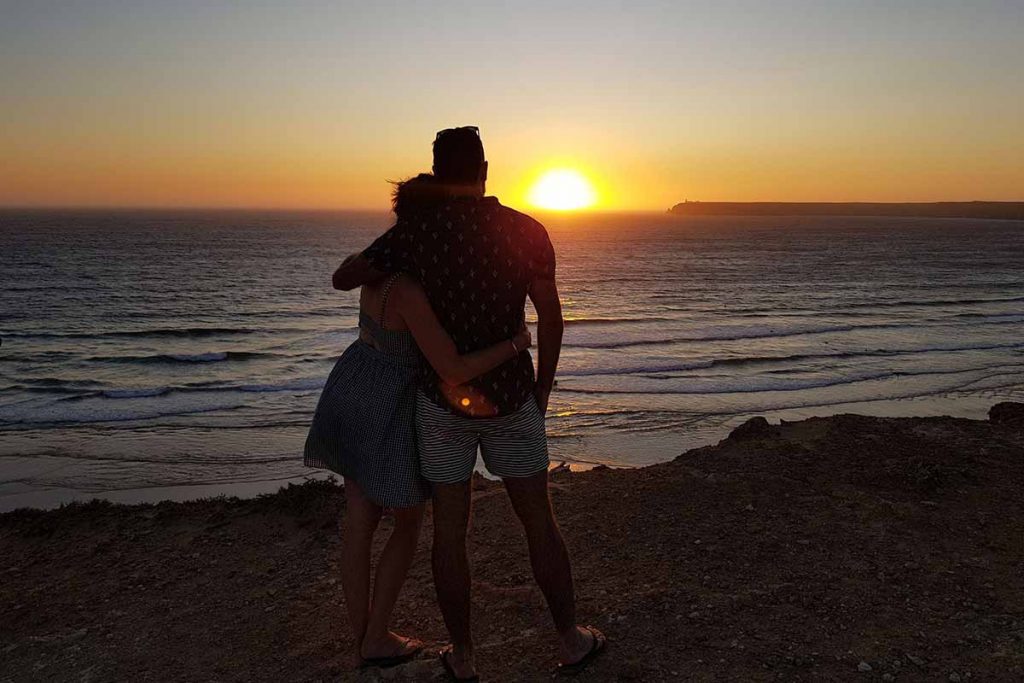
For dinner, Retiro do Pescador is a classic Portuguese spot (great for takeway piri-piri chicken too!), Arte Bianca serves fantastic pizza, or FERMENTO is a stunning seasonal restaurant with Italian roots servign natural wines.
Find more suggestions in my Where to eat in the western Algarve guide
Day 3: Benagil Cave & wine tasting or Seven Hanging Valleys Trail
92km \\ 1 hour, 45 minutes driving
Morning: Kayak or SUP into the famous Benagil Cave
Benagil Cave is the Algarve’s most popular thing to do – and there are a couple of ways to see the famous sea cave. Your options are: boat tour or kayak tour, and you can depart from Benagil Beach or from Lagos or Portimão marinas.

In the past five years strict rules for visiting Benagil Cave have changed. Now you must join a guided tour, you can’t stand on the beach inside the cave, and boat and kayak tours are limited regarding how long they can spend inside the cave. Boats can spend just 2 minutes in the cave, while non-motorised watercraft can stay for up to 8 minutes.
In peak season (June – Sept_ I’d suggest booking ahead online to guarantee a spot.
Boat to Benagil Cave
- 2-hour Benagil Caves Speedboat Adventure – from Lagos
- 2.5-hour Dolphins & Benagil Caves Catamaran – from Lagos
- 2-hour Benagil Caves Speedboat Adventure – from Portimão
- 1.5-hour Benagil Speedboat with sunset option – from Portimão
Kayak to Benagil Cave – all tours leave from Benagil Beach and are limited to just six kayaks per guide.
- 2-hour kayak tour – with Xplore Benagil
- 2-hour kayak tour – with Jump2adventure
- 2-hour kayak tour – with Salty Cliffs Benagil
Afternoon: Go for a wine tasting at Morgado do Quintão OR hike the Seven Valleys Trail


Sometimes life in Portugal can feel like a dream, and sitting at a communal long, white-clothed table beneath a 2000-year-old olive tree to taste Algarvian wines feels quite unreal.
One summer a friend organised an afternoon of wine tasting with local homemade snacks at the glorious Morgado do Quintão, a vineyard founded by the Count of Silves in the 1800s. Still owned by the same family, they make small quantities of wine using the native grapes from the estate’s old indigenous vines.
You can book yourself in for a wine tasting or lunch under the same tree. After, visit the nearby town of Silves, the capital of the Arabian kingdom of Al-Gharb. At the top of the town sits a red Moorish castle, and once a year the annual Medieval Festival is worth stopping for.
Alternatively, skip the wine and stay by the coast. If you want a coastal clifftop walk, the Seven Hanging Valleys Trail is the Algarve’s best-known hike and it takes around 2.5-3 hours to walk the 6km (3.5 mile) trail in one direction (take a taxi back). For something shorter, walk around the tunnels, passages and caves of Algar Seco Rocks and stop for lunch in charming Carvoeiro.
Part 2: Island-hopping & historic towns of the East Algarve (Days 4–7)
Where to stay: 3 nights in Olhão or Tavira
I have a soft spot for the east, and two towns have my heart. Olhão’s old town has an almost north African vibe with its flat roof terraces and narrow alleyways. Tavira is considered one of the prettiest towns in the Algarve and dates back to the Bronze Age. Both have great restaurants and marinas where you can join boat tours or take ferries to the sand islands. I’ve written the guide as though you’ll stay in Olhão, but you can choose either for the final four nights.

Suggestions for where to stay in Olhão:
- Budget yet boujee: Pure Formosa Concept Hotel – 3-star hotel with gorgeous rooftop pool
- Guesthouses with pools: Casa Rosa Villa or Casa dos Mercados or Casa Amor – renovated guesthouses with pool
- Private stays (with rooftops): Casa Sala (private pool), Casa Victoria, Casa Magica, Casa da Trinidade, CasaWolhão Almirante, Kasa Blanca
- Budget: Pension Bicuar – I’ve stayed here, and while the rooms are dated you can’t beat the rooftop!
- Unique stay: Moinhos das Marés – old mills set on salt pans close to Olhão
Suggestions for where to stay in Tavira:
- My pick: Colégio Charm House – beautiful stay close to old town
- Historic luxe: Pousada Convento de Tavira – 5-star historic stay in a renovated convent
- Central B&B: Tavira House – boutique historic stay with rooftop terrace and ballroom lounge
- Rural resort: Hotel Rural Quinta do Marco – 4-star resort with pool, space and farm animals
- Rural guesthouse: Quinta dos Perfumes – saltwater pool, breakfast and orange groves
Day 4: Slow drive east – piri-piri chicken, tiles & Olhão
Morning: A slow cross-Algarve road trip to Olhão
It only takes 70 minutes to drive from Lagos to Olhão, but there’s plenty worth stopping for along the way.
It’s likely you’ve heard of Portuguese piri piri chicken (maybe thanks to Nando’s). It’s a dish that connects Portugal’s exploring era to the spice trade, and it’s famously linked to the Algarve town of Guia. You’ll pass close by on the way to Olhão, so time it right for an early lunch and pull up at O Teodósio, Ramires or O Ribeirinho for churrasco frango (grilled chicken). Go early, these places are famous!


Ceramics and tiles: Pop into Porches Pottery or Olaria Pequena – these two pottery workshops sit close together, and at Porches you can admire women painting each piece. The showroom is stunning. It’s also worth stopping at Igreja de São Lourenço in Almancil, a small 17th-century baroque chapel with a priceless tiled interior.
Afternoon: Explore Olhão’s old town and waterfront
Continue towards Olhão, my favourite Algarve town. It’s hard to explain why I love this destination so much. Maybe it’s the rooftop terraces tiled in terracotta that look out over the Ria Formosa. Maybe it’s the weathered locals who have spent a lifetime by the sea. Maybe it’s the slower pace of life and holiday feeling. From the historic waterfront market halls to the winding alleyways, the lesser-known eastern Algarve town is a place to appreciate the simple things and really just relax.


If you’re eager for beach time, board a ferry to paradise. The eastern part of the Algarve is less popular with beach-goers as the Ria Formosa wetlands gets between the open ocean and the mainland. But for a couple of euros you can take a relaxing ferry boat through the marshlands from the towns of Faro, Olhão or Tavira to reach a number of large sand islands such as Ilha do Farol, Ilha da Culatra and Ilha da Armona.
On these islands, life is really simple. You’ll walk sandy paths past a tiny town of holiday and fisherman homes, past one or two restaurants or bars, to reach an endless sandy stretch of sand. Plus, the closer to Spain, the warmer the water.
Return to town in time for dinner. I’m a huge fan of Chá Chá Chá, a modern Portuguese restaurant with a focus on seasonal eating. Every morning they source what’s grown in nearby fields or plucked from the sea at the local market halls, which we’ll visit in the morning.


Read next… 14 best things to do and see in the Algarve
Day 5: Olhão Market, Ria Formosa boat trip or ferry to sand islands
12km \\ 20-minute drive to dinner – most of today will be by boat
Morning: Essential visit to Olhão Market
Twin massive red brick market halls line the seafront and contrast the otherwise entirely white-washed old town of Olhão. Said to have been designed by Gustave Eiffel himself (yes, the man of Eiffel Tower fame), one is dedicated to fruits, vegetables, cheese and meats, while the other is just about seafood.
As one of the country’s great fishing ports, Olhão’s local mercado is the place to shop for the freshest fish, clams, mussels, oysters and crab. I think it’s easily one of the best food market halls in Portugal (and I’m a food-obsessed traveller who checks out the mercado in every town!). Keep an eye out for special Algarvian delicacies like muxama, an aged prosciutto-like tuna delicacy, cured anchovies and dried octopus eggs.


Personally, I love buying local oysters, prawns and shellfish here, cooking them up back at my apartment or taking the oysters down to the beach for a seriously luxe picnic without the restaurant price tag. I usually pick up local salt, rustic piri-piri sauce, almond-stuffed dried figs and artisanal cheeses here too.
Lunch at a grilled fish buffet? While in the Algarve, seek out a rodizio de peixe grelhado (grilled fish buffet). My favourite is Vai e Volta in Olhãoe. For €20 you can eat as many plates of grilled fish as you like. It’s only open for lunch and the price includes bread, olives, steamed potatoes, tomato salad and açorda de alho (essentially mashed bread and garlic). Expect metal tray after metal tray of just-grilled fish to land on the table. Generally you’ll receive a mix of all different types of fish, but you can nicely make requests with the waiter at times if there’s something you prefer.
Afternoon: Visit a sand island or cruise the Ria Formosa
Grab your beach bag, a stash of market snacks and board a ferry to one of the sand islands – Ilha do Farol, Ilha da Culatra or Ilha da Armona. Spend the afternoon lazing on one of the white sandy beaches soaking up sunshine and sea breezes. There’s always a beach bar within reach, so no need to pack snacks or cold beer!
You have four choices for getting to and around the islands:
- Use the public ferries
- Order water taxis
- Book a hop-on, hop-off boat
- Book an all-day island hopping guided tour to see more islands
If the idea of crossing the water by boat seems high effort, I have found a couple of beaches nearby with direct ocean access. In Fuseta, a 15-minute drive from Olhão, enjoy Praia da Fuseta Ria. Or it takes 15 minutes to walk from the carpark to Praia do Barril near Tavira – there’s a small tourist train if you prefer!

For dinner, I suggest two spots outside of Olhão. In nearby Fuseta, Casa Corvo is my all-time favourite fish grill in Portugal. Huge claim, but I went three times in a week and then back every trip since just to repeat the magnificently sweet grilled prawns and make sure I’m not dreaming. Incredible.
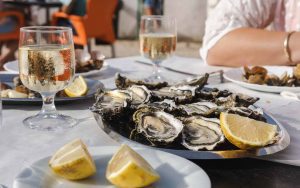
Or slip into Os Fialhos, a hidden gem in Pinheiro. Here you can enjoy the best shellfish including fresh oysters, clams, mussels and pipis plucked straight from the Ria Formosa while looking out over the water.
More options? Read my where to eat in the Algarve guide
Day 6: Castro Marim salt-pan baths, fresh seafood & sunset in Cacela Velha
Morning: Castro Marim & visit a salt-pan spa
Jump in the car for a big day trip east today. Put Castro Marim in the GPS. From high on the hill this ancient town looks over salt fields, the Guadiana River and Spain – a strategic point with a long history. The best place to soak in these views is from the 14th-century castle walls. There’s a torture museum inside too, if that’s your vibe.
For kids: There’s a charming 3-hour medieval guided tour where you dress up in medieval clothing to explore the castle and town, stopping to eat at a medieval tavern. Very fun for a family!


After, head down to the flats and reward yourself with a float at the salt spa Água Mãe. This one-of-a-kind experience is really cool – and while some people love rolling in mud and floating in extremely salty water, I found the salt so intense and the stinging sensation too much! But still, I think it’s an amazing and unique activity worth trying once. No regrets!
Read next… My favourite towns in the Eastern Algarve
Afternoon: Beach time & a seafood feast at Cacela Velha
For lunch, choose something light or pack a picnic to enjoy at the beach. Return towards Olhão, stopping at Cacela Velha, a tiny, tiny white-washed village set high above sea. If you visit at low tide, you can walk across from the hilltop aldeia to the oceanfront beaches. Failing this, there is usually a small ferry boat that carts visitors back and forth at high tide – bring loose change.

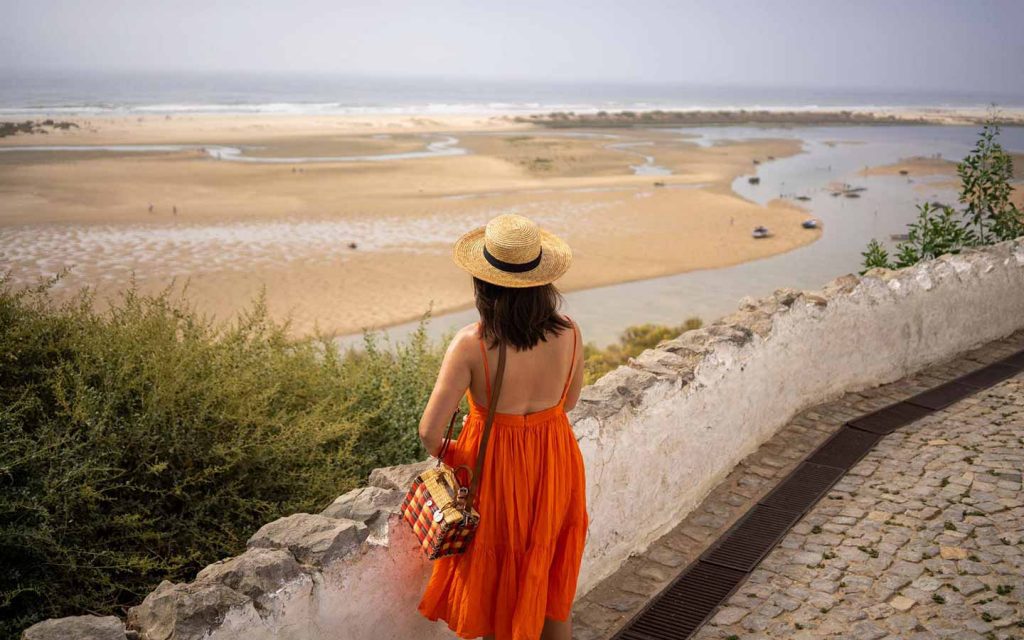
Just be sure to return in time for what I consider one of my life’s most memorable meals. At 4.30pm sharp the doors of Casa da Igreja burst open and three young men waltzed out with more tables, ready for the non-stop onslaught of orders. Oysters, clams, fresh presunto, flaming chouriço, bottles of white wine and generous mounds of bread flew across the square.

Tip: This popular seafood shack spills out across the plaza. I suggest showing up 10 minutes early – like I have the five times I’ve been – and wait with dozens of others in a religious-like silence for the show to begin.
Day 7: Explore historic Tavira & final Algarve adventure

Morning: Explore the historic streets of Tavira
Pause in Tavira this morning, one of the prettiest towns in the Algarve. This white-washed gem dates back to the Bronze Age and it was here the Phoenicians made one of their first settlements. Wander over the Roman Bridge, tour the castle gardens, Roman ruins, and through cute squares. As you explore, look at the roof tops – every room in a historic building in Tavira has an individual roof. A cute quirk!
For lunch, Tavira has some great options including Come na Gaveta. More suggestion in my Where to eat in Tavira guide

Afternoon: Choose your own adventure to end the week
It’s the final afternoon of your 7-day Algarve road trip, so I’ll leave it open. You could take a ferry out to Ilha de Tavira and enjoy more time at the beach, but there’s more to explore on the mainland. Below I’ve left a few options – some experiences start in the morning, so just shift the day around:
- Join a guided tour and tasting at an olive estate. I’ve done this experience at Monterosa and it’s brilliant to learn about and taste olive oils.
- Swan about the stunning Palacio do Estoi, a historic palace-turned-hotel. You can visit inside!
- Visit a cork factory and learn about Portugal’s famous export.
- Go on a dolphin observation cruise from Olhão.
- Visit another vineyard for a wine tasting.
- Descend to a depth of 230 metres inside a rock salt mine.
- Explore inland Algarve towns with this half-day tour.
- Join a birdwatching boat cruise across the Ria Formosa.
Want personal help planning your Algarve holiday? Let’s chat! Lock in a 1:1 call with me and we can co-design your Portugal vacation.
FAQs about an Algarve road trip
Is 7 days enough for an Algarve road trip?
Yes, I think one week is the sweet spot for a first or second trip to southern Portugal. It gives you enough breathing room to split your bases between the dramatic, cliff-backed beaches of the West (Lagos, Portimão & Sagres) and the tranquil barrier islands, salt flats, and historic towns of the East (Olhão, Tavira & Faro). If you have less time, pick one side of the coastline to explore.
What is the best month for an Algarve road trip?
September and early October are the prime months to drive the Algarve coast. You get long, sun-drenched days, warm ocean temperatures and perfect weather for coastal hiking. July and August bring intense school-vacation traffic, packed beach carparks and peak summer hotel prices. Spring is also lovely, but the ocean is very, very cold. In winter you might find some businesses shut for the off-season.
Can you still visit Benagil Cave?
Yes, you can still visit Benagil Cave – but under stricter maritime regulations. You can no longer swim into the cave, rent a solo unguided kayak or step out onto the sandbar inside. The only legal way to see the cave is on a licensed motorboat tour or a certified guided kayak excursion. You stay on board or on your craft the whole time, but you still get incredible views straight up through the natural skylight.
Where is the best town to base yourself in the Algarve for a week?
You could stay in just one town instead of splitting your week between two. I split the time for variety and to avoid driving huge distances for day trips. I’ve chosen my favourite larger towns. Base yourself in Lagos for the first three nights to explore Ponta da Piedade, Sagres, and the dramatic western coves. For the final four nights, move east to Olhão or Tavira for easy access to the Ria Formosa island ferries, fresh seafood and a slower pace of local life.
Do I need to worry about toll roads on an Algarve road trip?
Along the Algarve coast, no! As of 2025, the main A22 motorway (Via do Infante) running from Lagos to the Spanish border is completely toll-free for cars. You do not need a Via Verde transponder or EasyToll setup unless you plan to drive north toward Lisbon on the A2. Car rental desks may still offer toll devices by default, but you can decline them if your entire trip is south of the Alentejo region.
What is the best way to get around without a car?
A rental car make travel easy in the Algarve, but you can explore part of this road trip by train and public transport. For a simplified version of this itinerary – use the regional CP train line (Linha do Algarve) to hop between Lagos, Olhão and Tavira. In each of these larger towns you’ll find plenty to do plus half or full-day tours to explore places like Sagres or Castro Marim. You can supplement train travel with Uber or Bolt ride-shares too.
More guides about the Algarve….
- Where to eat in the Algarve
- Itinerary: My ideal 7-day Algarve road trip
- Where to stay in the Algarve: Ultimate guide to choosing your base
- 14 best things to do and see in the Algarve
- My favourite towns in the Eastern Algarve
- What to eat in the Algarve
- Best tile painting workshops in Lisbon, Porto and the Algarve
- 22 most beautiful castles in Portugal
- 16 most beautiful villages and small towns in Portugal
- My guide to the best San Sebastián pintxo bars
- Where to eat in Santiago de Compostela, Spain
- Where to eat in the western Algarve: Best restaurants in Aljezur, Arrifana & Sagres








4 Responses
Hello! Thank you for this article. It really helped lend a base for our trip in the Algarve. That said, I wanted to share our experience at Taberna da Mare – the Cataplana was awful. The broth was incredibly thin and all the seafood and veggies were over cooked and mushy. If recommend leaving off this list
Oh no! I was there again just 6 months ago and had a lovely cataplana again. I can imagine it’s a tricky dish to pull off as everything stews on itself in the copper pan quite like a Moroccan tagine. Sorry it wasn’t the best experience 🙁 But glad you had a good time in the Algarve! Thanks for letting me know
I will be arriving in Portugal in aug. We will be renting a car from Lisbon to Algarve Aug 21-25 (22nd is her birthday so want to do something special that day). Where would you recommend staying? I thought 2 nights in 2 different towns. On the 25th we head back to lisbon to fly out the next day. Can you give me recommendations where to stop to Algarve and back and which towns to stay in? Thank you so much
Hi Rony! I have a great guide covering where to stay in the Algarve, which should help https://oladaniela.com/where-to-stay-algarve/ If you’re happy to move halfway, then I’ll pick a spot in the west and the east – it’s 99 miles of coastline to explore. You could try Lagos or a smaller village in the west, then Tavira or Olhão in the east, for example.
As for where to stop, I’d go direct down the highway one-way, then go via the coastal route stopping in VIla NOva de Milfontes and/or Porto Covo the other way. Details here https://oladaniela.com/lisbon-lagos-road-trip/
Hope that helps! If you need more help or want to discuss this deeper I offer 1:1 calls 🙂
Thanks and happy planning!
Daniela